


EV charging rebates · verified October 2026
Find the rebates that pay you back.
Enter your ZIP. We check every utility, city and state program we track and put the ones that pay toward the Smart Splitter first.
Or pick your state:
- 100+ programs tracked
- Sources linked
- In Canada? →

Programs, amounts and funding change. Always confirm current terms with the utility or program before you buy. Utility rebates are paid after purchase and approval — they don’t lower the checkout price.
Smart Splitter rebates
Utilities that pay for the Splitter.
These programs pay toward the Smart Splitter itself — not just a charger. Tap one for its official terms.
How it works
Claim your rebate in four steps.
 Check your ZIPSee which programs cover your address and what each one needs — a charger, a rate plan or a permit.
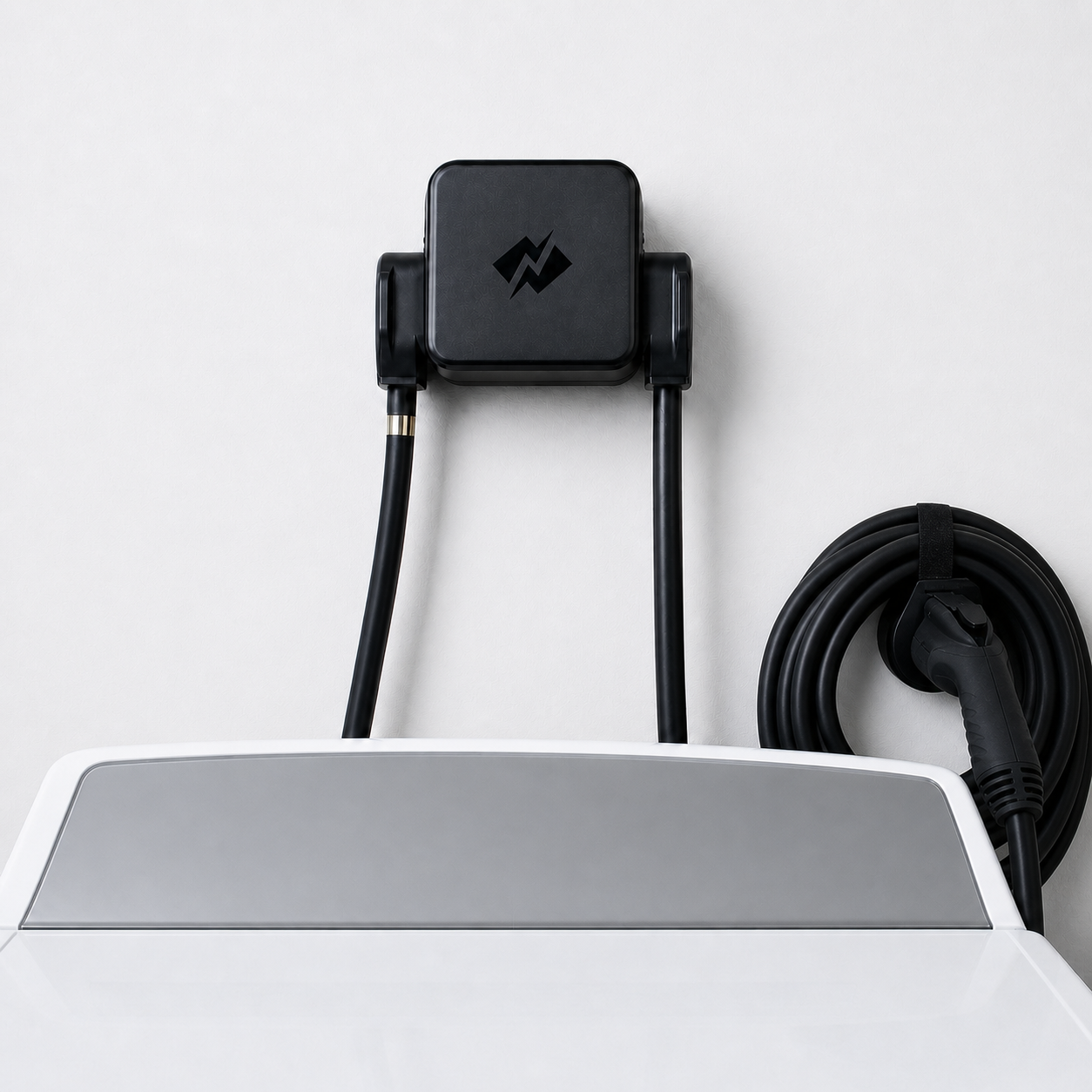
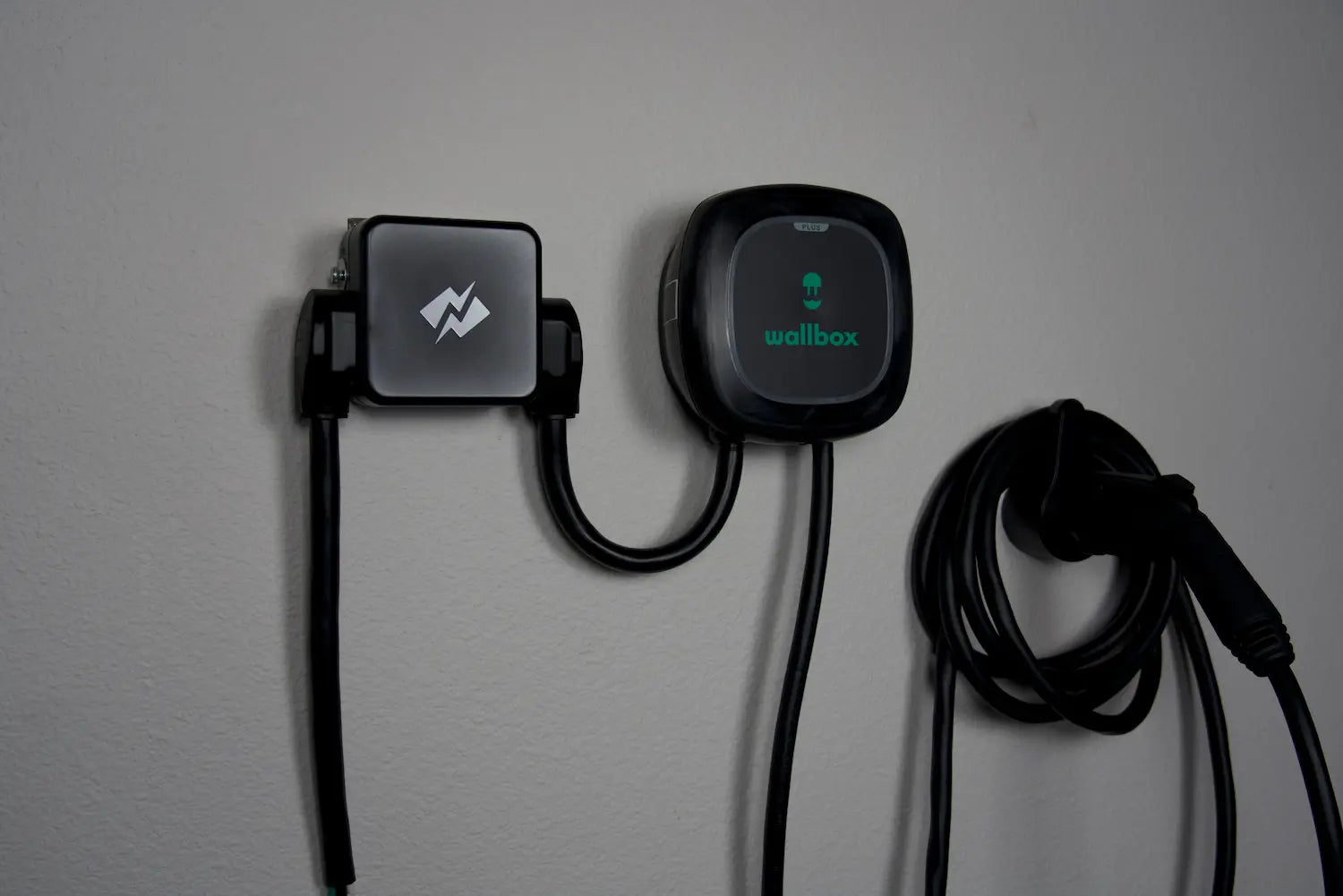
 Buy and plug inGet the Smart Splitter and plug it into the 240V outlet you already have. Keep your receipt.
 ApplySubmit through the utility’s rebate page with your receipt, a recent bill and photos of the install.
 Get paidMost utilities pay by check or bill credit within 4–8 weeks of approval.
 Check your ZIP
 Buy and plug in
 Get paid
Why the Splitter
Share the outlet. Skip the circuit.
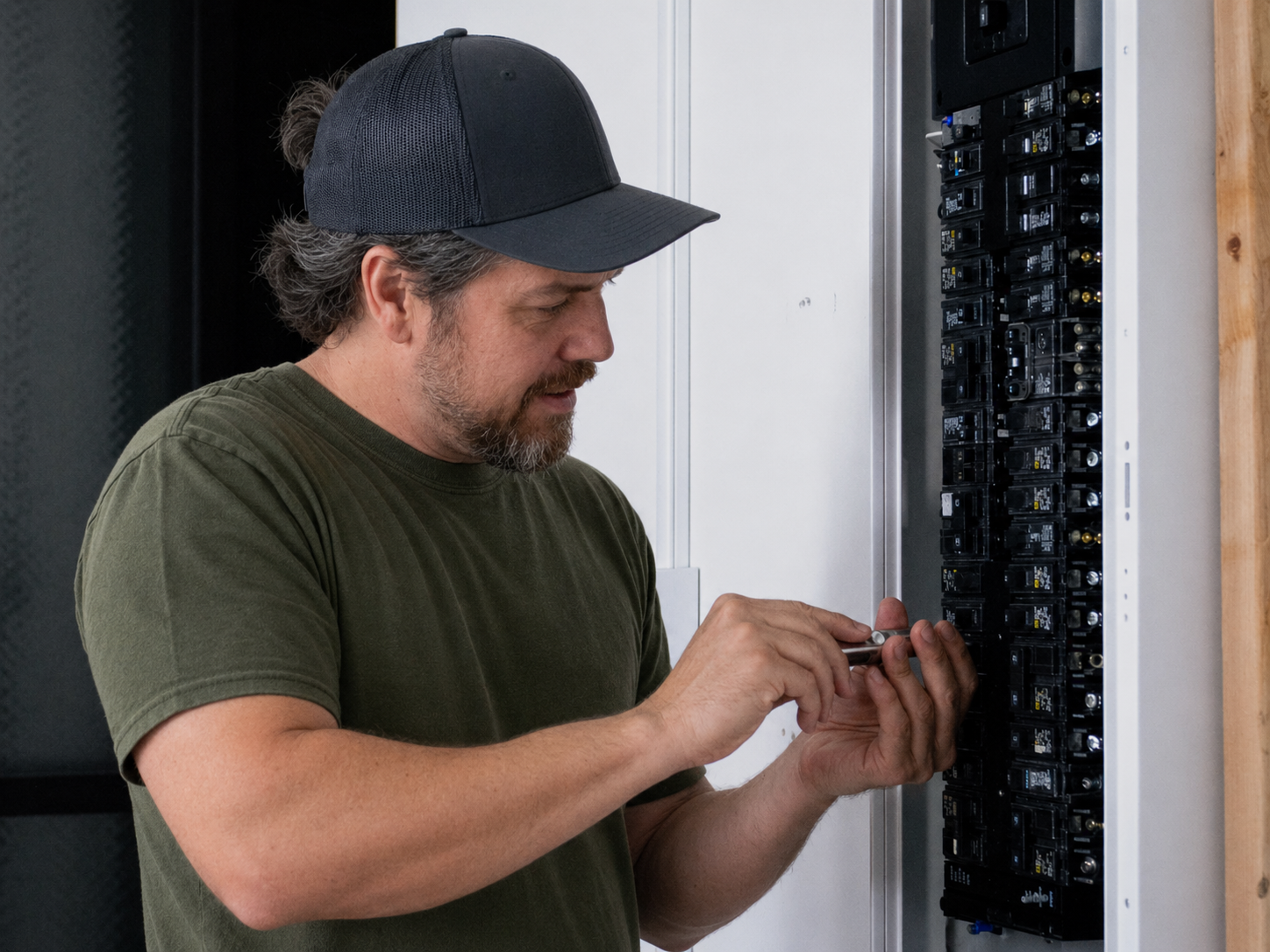
 New 240V circuit
 New 240V circuit
- Cost
- Around $2,200Electrician, permit and parts — more if your panel needs an upgrade.
- Time
- Days to weeksQuotes, scheduling, permits and inspection.
- Rebates
- Mostly charger and wiring programsMany cap or exclude panel work.
NeoCharge Smart Splitter
- Cost
- From $399Plugs into the 240V dryer or range outlet you already have.
- Time
- MinutesNo new circuit — it switches between your appliance and EV automatically.
- Rebates
- On approved listsPG&E, SMUD, Tacoma Power, Holy Cross, Norwood and BC Hydro pay toward it.
Questions
Rebate questions, answered.
Which utilities pay for the Smart Splitter?
PG&E pays 50% of its price back, SMUD pays $200, Tacoma Power gives a $400 bill credit, Holy Cross Energy pays $250 ($500 income-qualified), Norwood Municipal Light pays 50% up to $350, CORE in the Aspen area pays 50% of the cost, and BC Hydro adds $200 when you install it with an eligible Level 2 charger. Enter your ZIP above to see what applies at your address.
What does “ask first” mean?
Some programs may pay toward the Smart Splitter only if a condition is met — for example installing it with a new charger or a heat pump, joining a time-of-use rate, or the utility approving it case by case. We list those separately and never add them to your savings total. Check with the program before you buy.
Can I still get the federal EV charger tax credit?
The federal credit (IRS Form 8911) ended for home charging equipment placed in service after June 30, 2026. Installs completed on or before that date may still qualify on that year’s return — check with a tax professional.
Do I need an electrician or a permit?
The Smart Splitter plugs into the 240V dryer or range outlet you already have, so there’s no new circuit to wire. Some rebates still require a licensed electrician or a permit — BC Hydro and LADWP, for example — so read the program’s terms before you apply.
Do rebates come off the checkout price?
No. Utility rebates are paid after you buy and apply, usually by check or bill credit. NeoCharge’s own utility codes, like SDGE and SCE, are the exception — they apply at checkout.
How long does a rebate take?
Most utilities pay within 4–8 weeks of approving your application. Apply soon after you install — many programs have a 90- to 180-day window.
My utility isn’t listed. What now?
Email hello@neocharge.io with your utility’s name and we’ll check it. Even without a rebate, sharing your existing outlet usually avoids the cost of a new 240V circuit.
Know a program we’re missing? Email hello@neocharge.io and we’ll add it.
