




EV Charging Best Practices: Battery Life, Safety, and Cost
Learn EV charging best practices for battery life, home safety, off-peak savings, fast charging, 80% limits, Level 2 charging, and panel upgrades.
NeoCharge Blog
Clear guides on charging costs, dryer outlets, smart splitters, utility rates, and the home energy decisions that make EV ownership easier.
Updated May 2026 · Written by the team behind the Smart Splitter
Learn EV charging best practices for battery life, home safety, off-peak savings, fast charging, 80% limits, Level 2 charging, and panel upgrades.
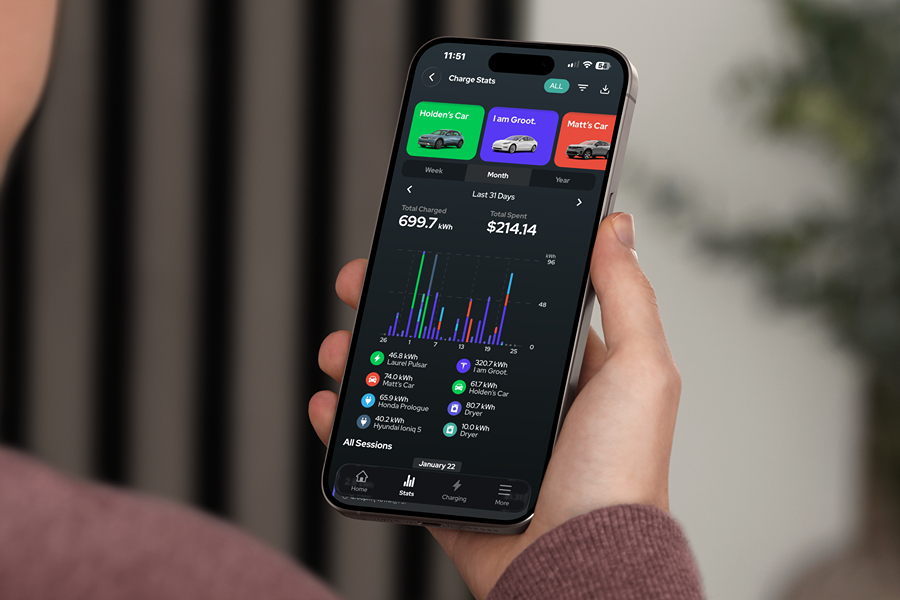

At the US average 18.3¢/kWh, home EV charging costs about 5.7¢ a mile, or $57 a month for 1,000 miles. Your state's cost, a calculator, and off-peak savings.


Learn how to schedule EV charging during off-peak hours and save $30-80/month on electricity. Step-by-step guide with real savings examples.


Learn how bidirectional EV charging works in 2026, including V2H home backup, V2G grid export, V2L portable power, solar integration, hardware requirements, runtime math, and buyer questions.

Learn the difference between demand charges and time-of-use (TOU) rates for home EV charging, how to tell what you’re on, and practical steps to reduce peak costs and charge cheaper overnight.
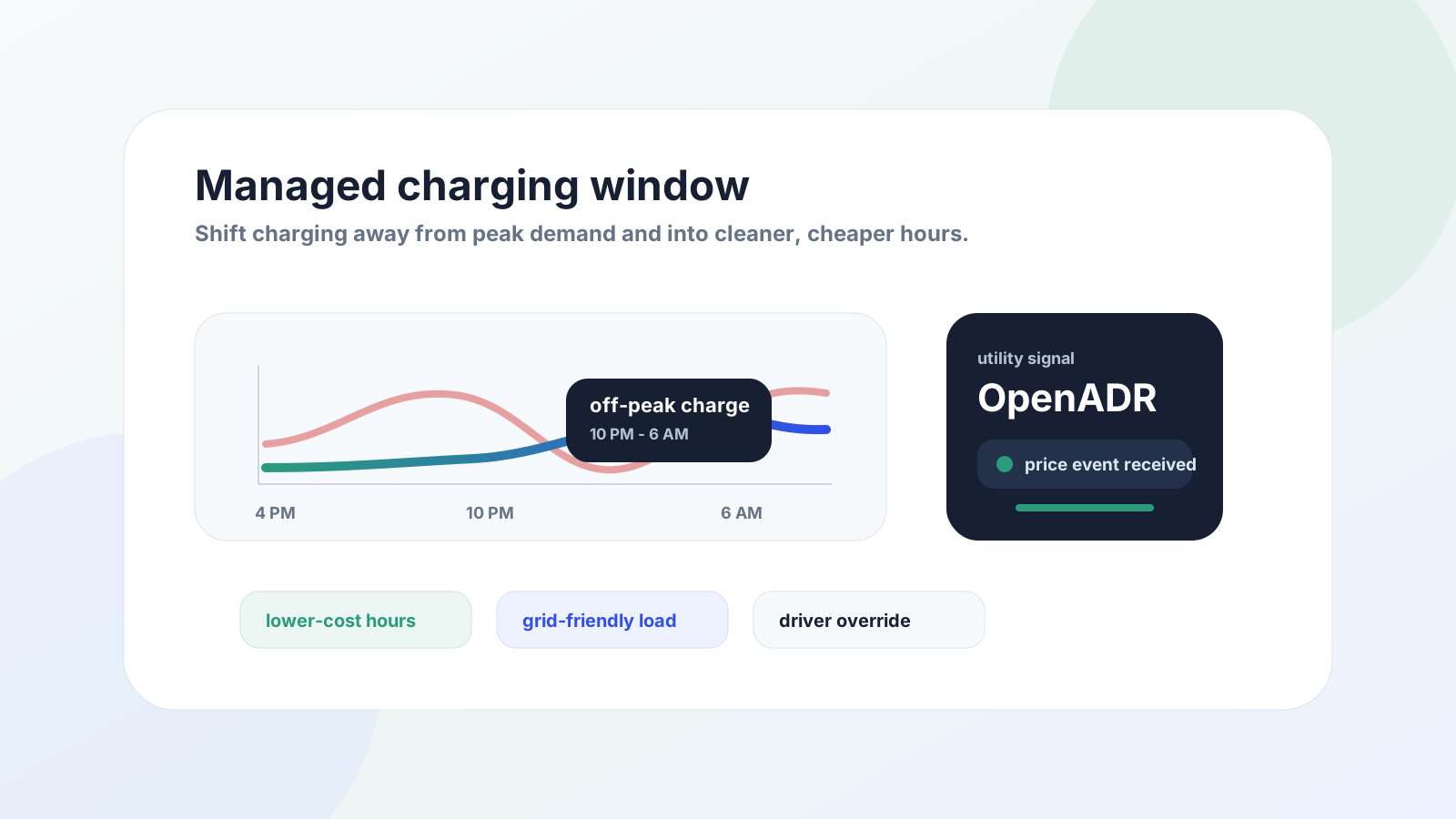
Managed (smart) EV charging programs help drivers charge off-peak to save money and support the grid. Learn how they work, what OpenADR signals mean, and how to enroll.
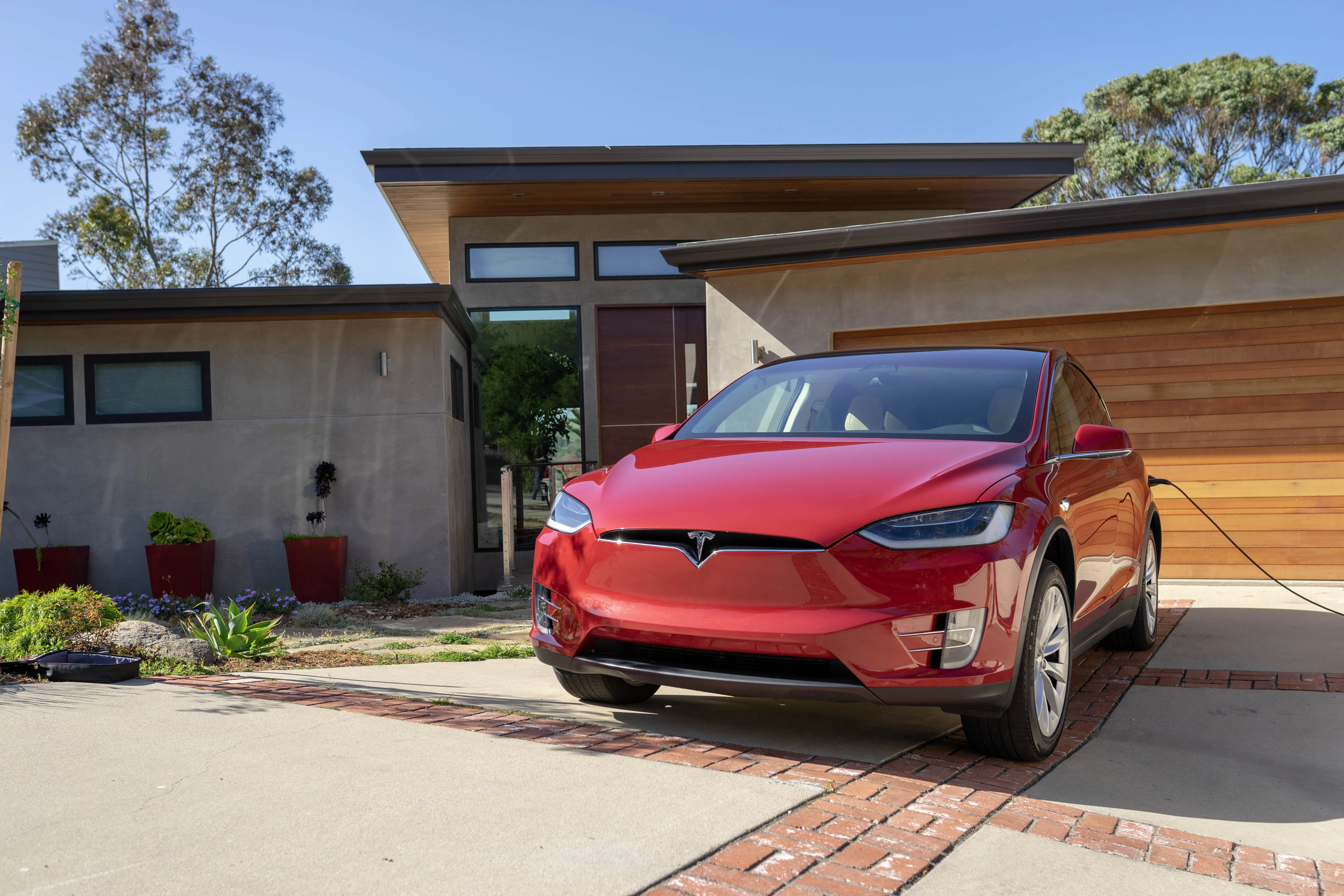
EV charging is typically a continuous load. Learn the NEC 625 125% sizing concept in plain English, common breaker pairings (32A→40A, 40A→50A), and safety tips for homeowners.


Can you charge an EV on a NEMA 6-20 outlet? Yes—learn typical speed (16A continuous), safety considerations, and how to get the most savings by charging off-peak.
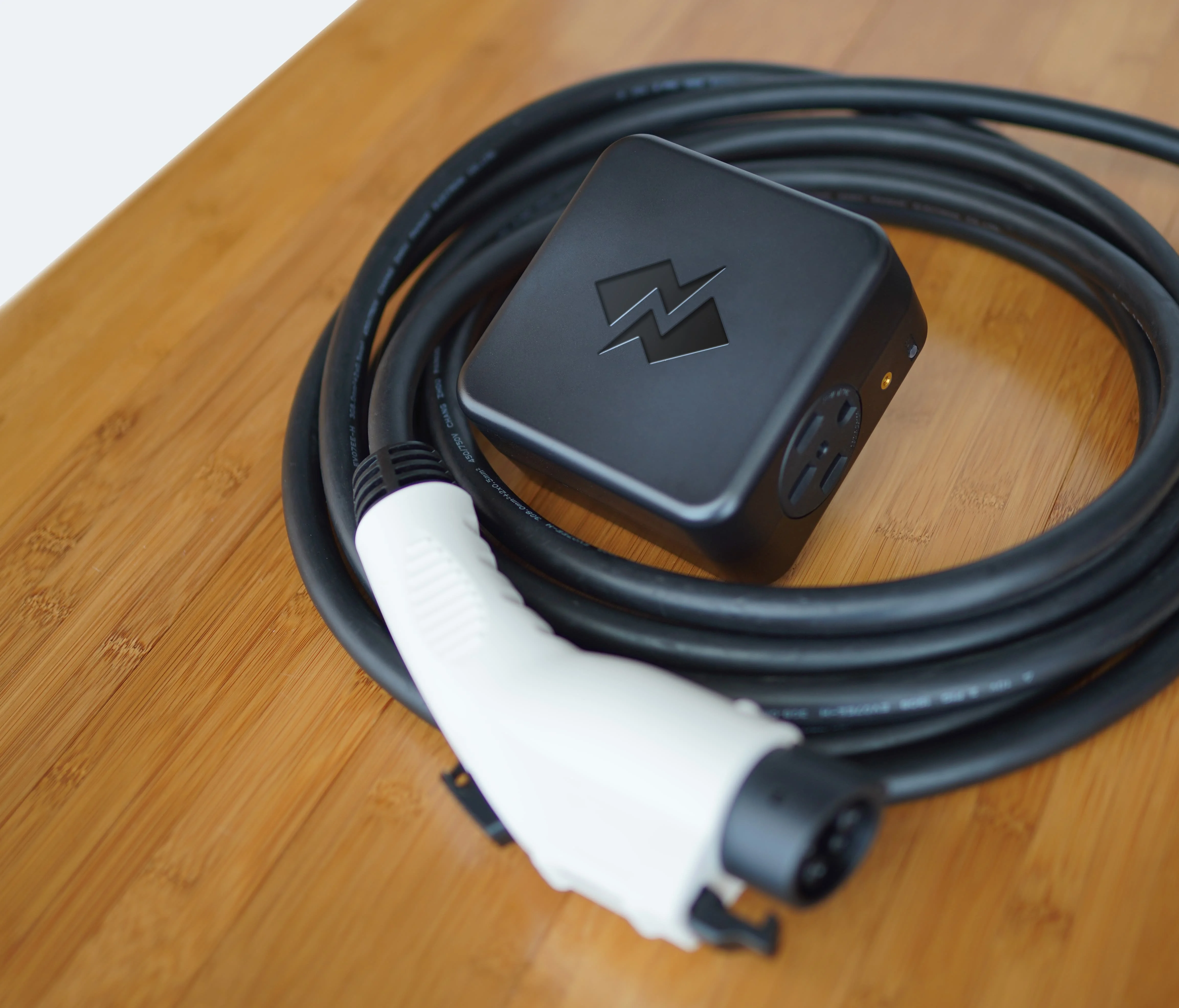
Need Level 2 charging but worried about a panel upgrade? Compare Smart Splitter outlet sharing vs EV energy management (EVEMS) vs a full panel upgrade—with a simple decision tree.

Looking for EV charger rebates? Start with your utility (smart charging programs), then state incentives, then federal tax credits. Here’s a simple checklist for 2026.

A NEMA 10-30 dryer outlet can work for EV charging—but grounding and adapter safety matter. Learn the 24A guideline, key risks, and safer alternatives.

Off-peak hours depend on your utility’s TOU rate plan (and seasons/weekends). Here’s how to find your schedule, turn it into a charging rule, and save money.
