




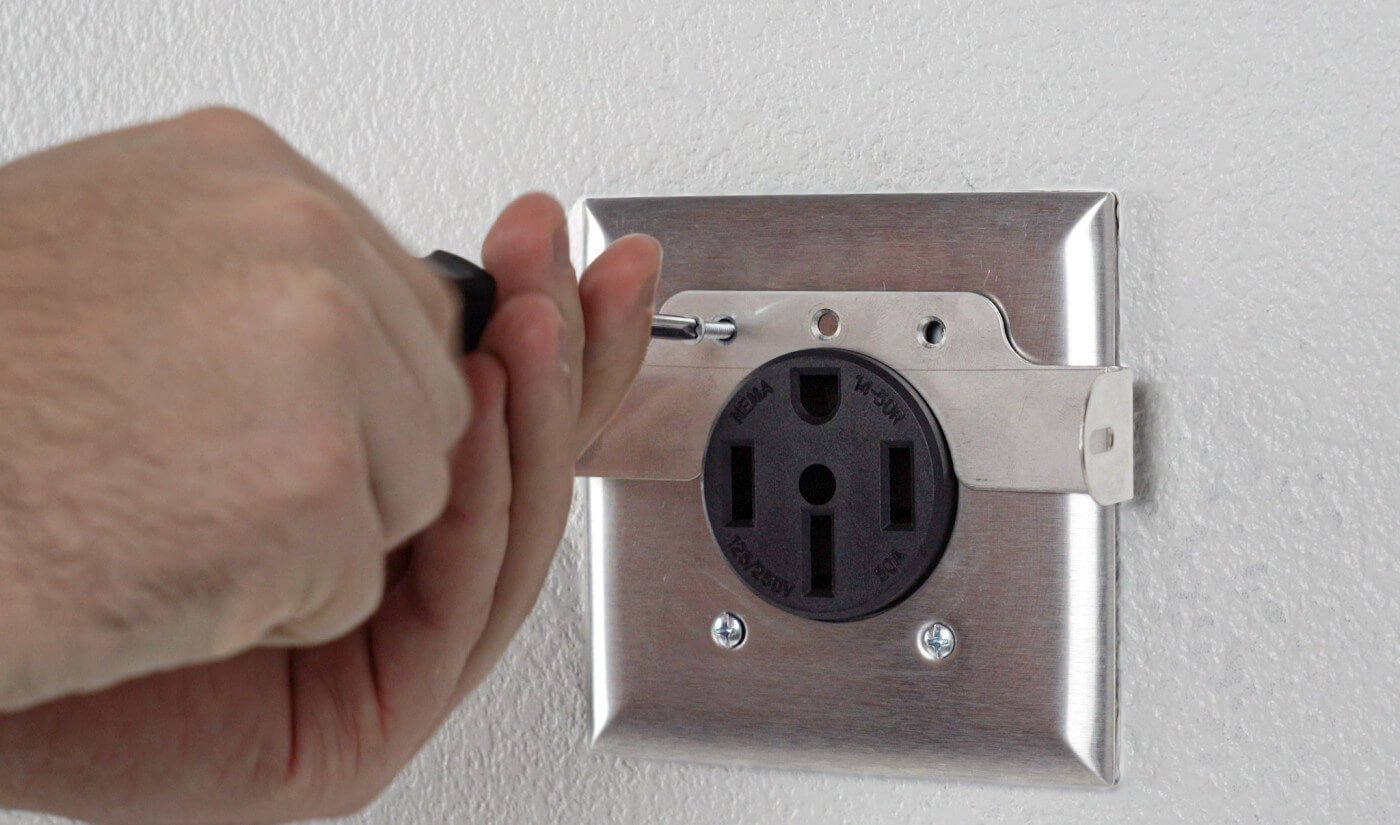
Industrial vs Residential 240V Outlets for Home EV Charging
Industrial vs Residential Grade 240V Outlets. The reason why industrial-grade outlets are a better choice for home EV charging
NeoCharge Blog
Clear guides on charging costs, dryer outlets, smart splitters, utility rates, and the home energy decisions that make EV ownership easier.
Industrial vs Residential Grade 240V Outlets. The reason why industrial-grade outlets are a better choice for home EV charging
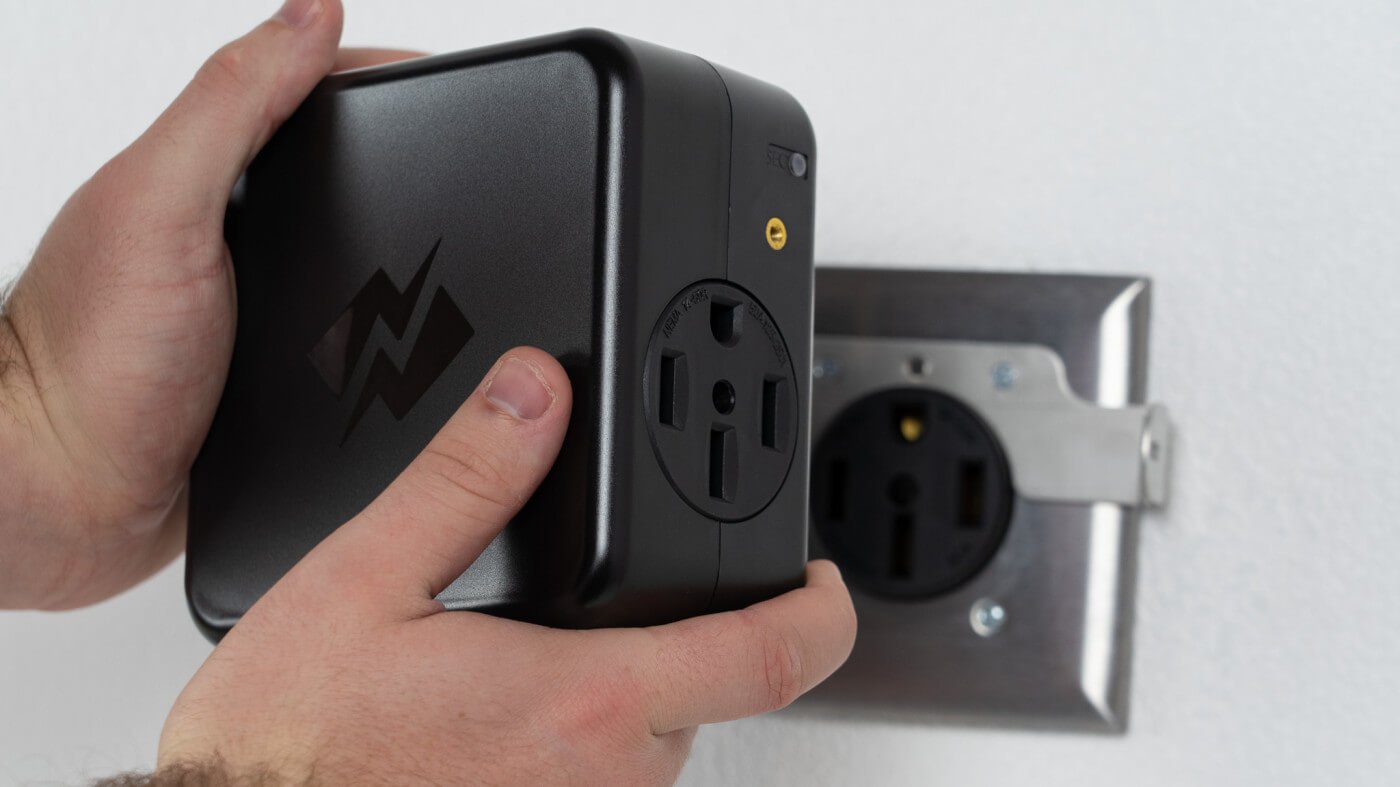
How to ensure your 240V outlet is safe for EV charging. Check your outlet beforing plugging in your charger to ensure it is not too loose.
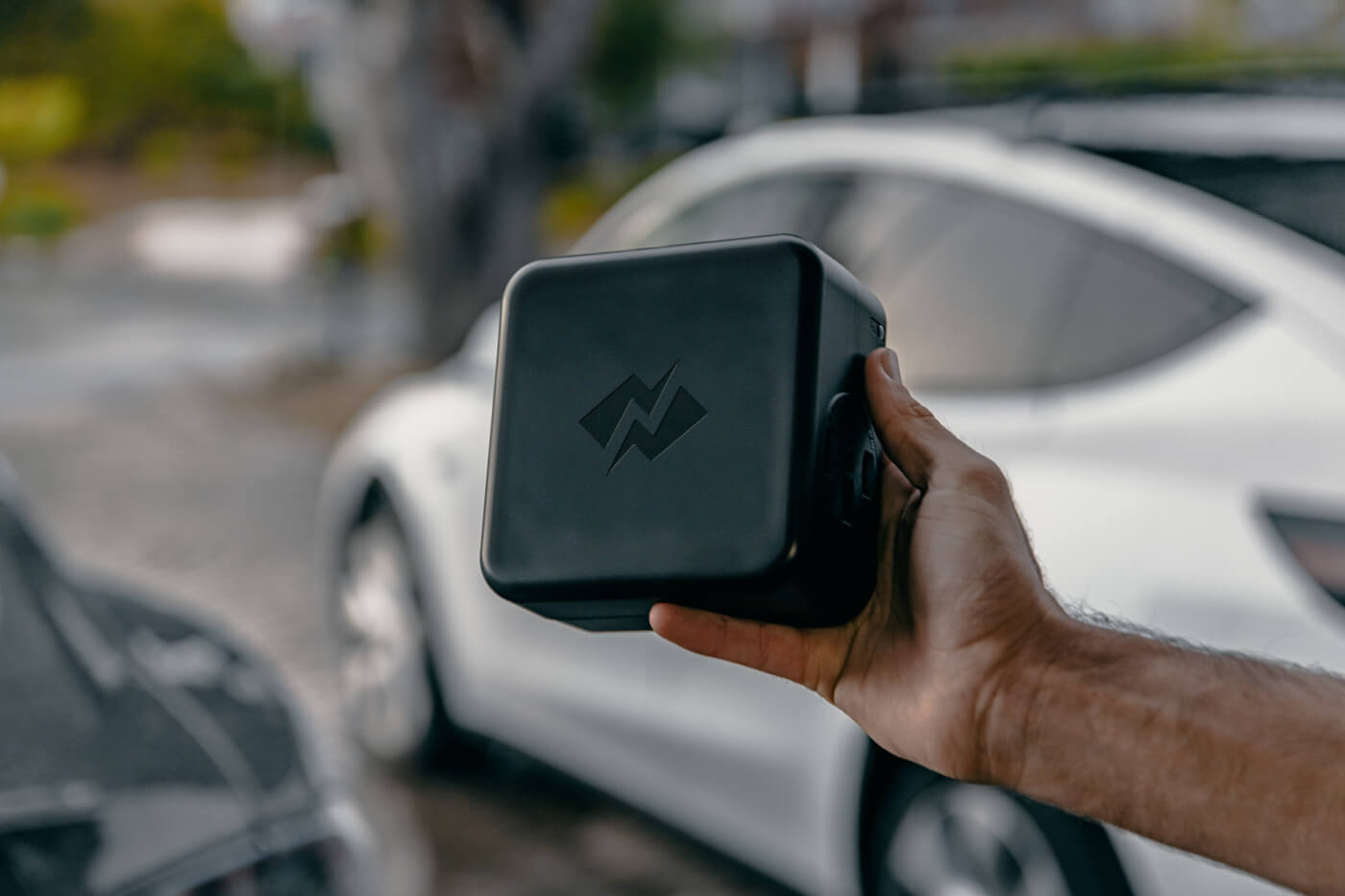
The NeoCharge Smart Splitter is empowering disadvantaged communities that are disproportionately effected by a lack of EV charging access.
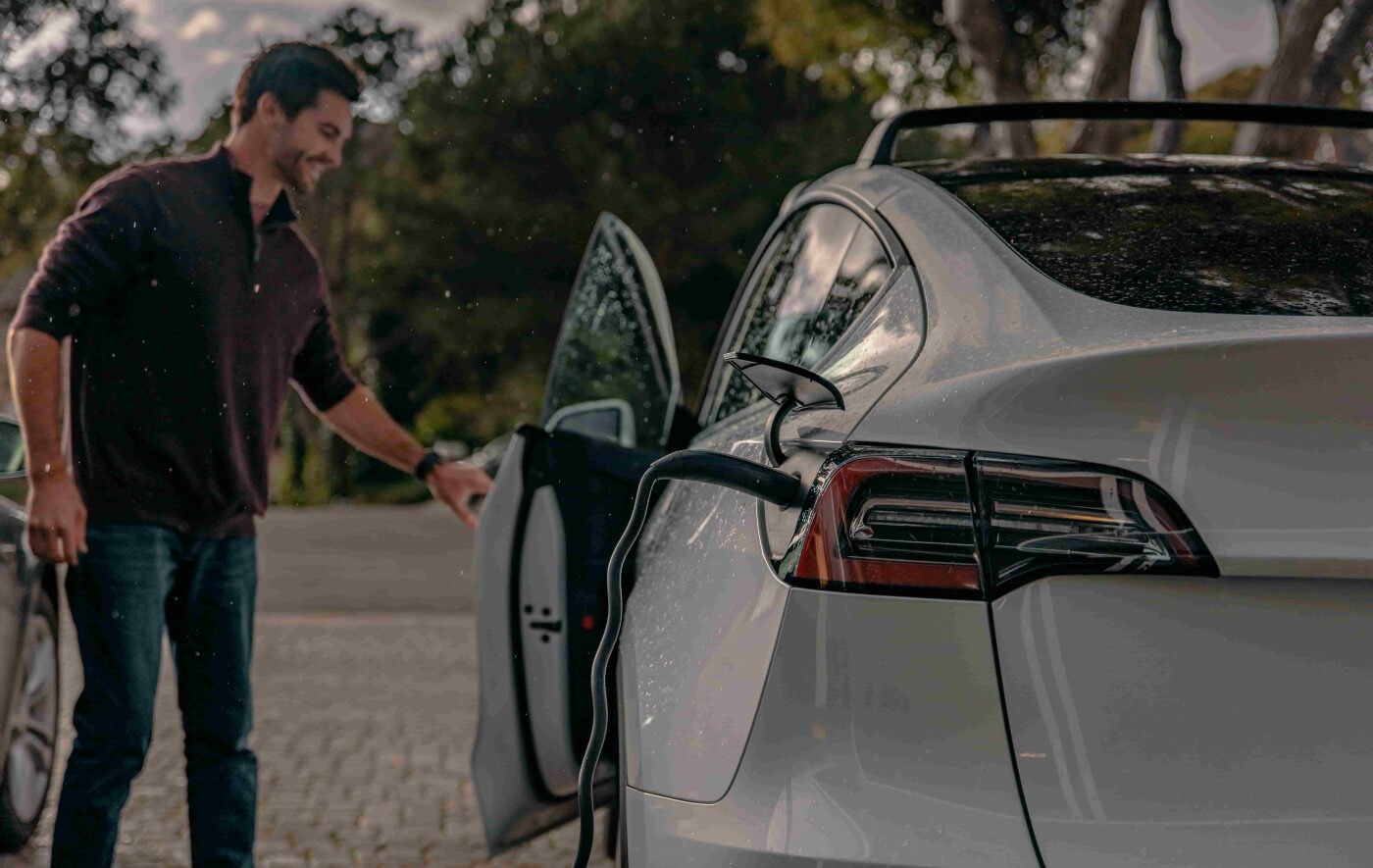
Find all Smart Splitter and EV charger (EVSE) rebates by state for so you can save money on home EV charging. Discover what rebates apply to you!
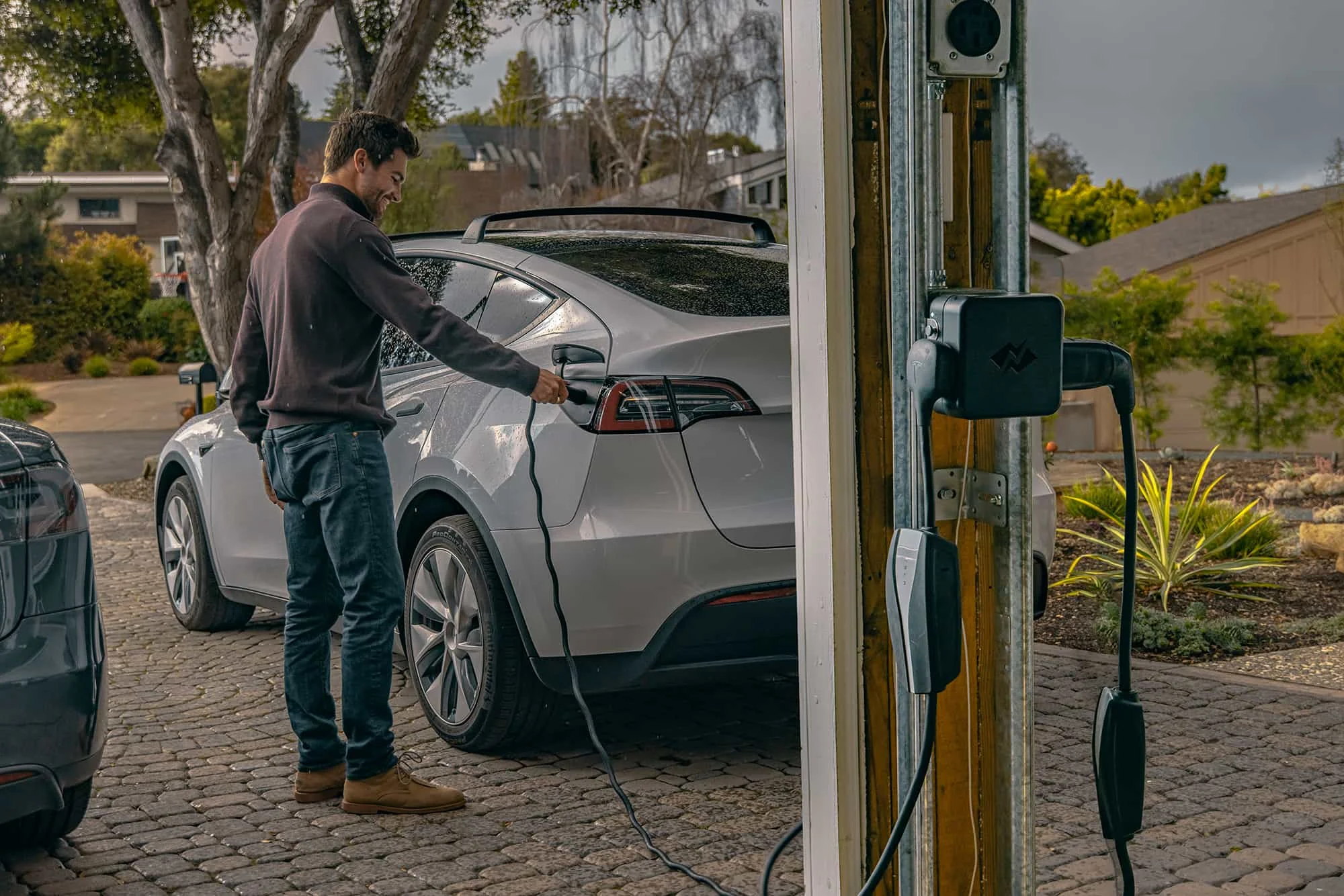
How much does it cost to charge a Tesla? About $10-$16 per full charge and $0.04-$0.06 per mile at home. See the formula, model-by-model costs, and Supercharger pricing.

A virtual power plant is an aggregation of smaller energy resources like smart thermostats, electric vehicles (EVs), solar inverters, and home batteries.

Vehicle to Grid (V2G) - This new technology is empowering us to better utilize our vehicles - by saving energy and putting cash back in our pockets.
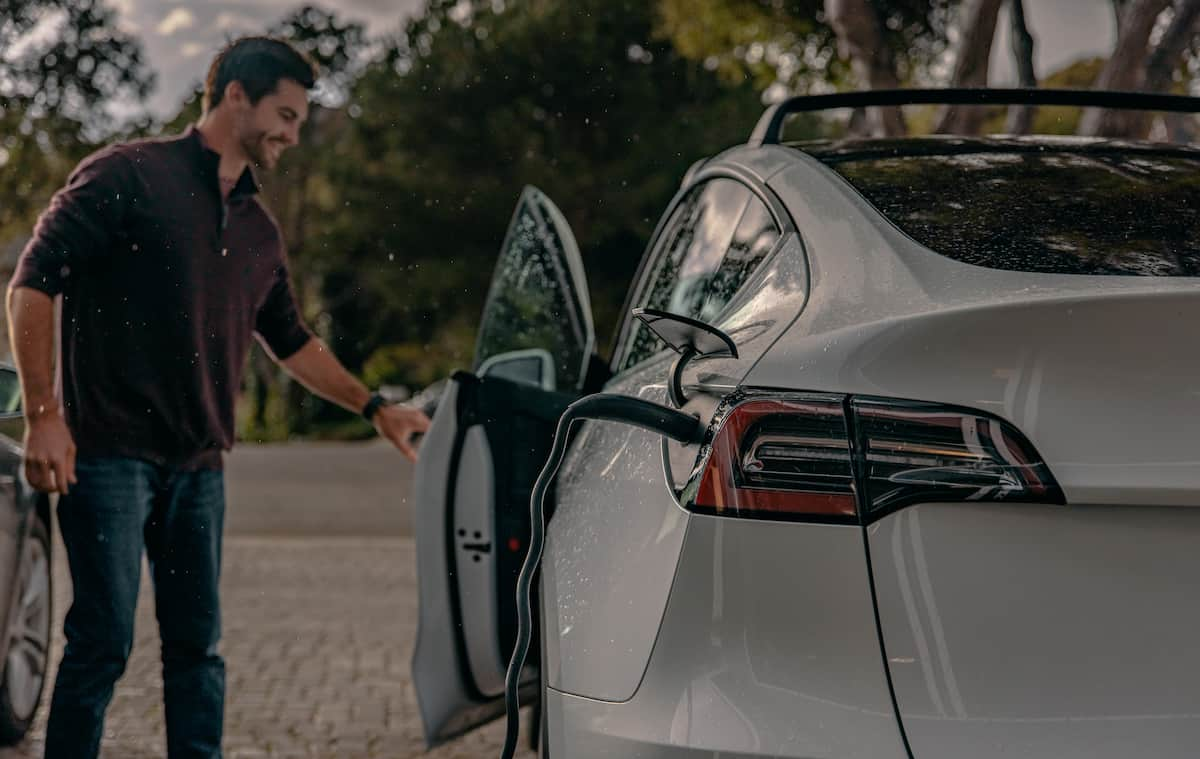
How electric car charging at home works, what products you'll need to install for efficient home charging, and why home EV charging can save you money.

How do you charge an electric car at home? Plug into a 120V (Level 1) or 240V (Level 2) outlet, usually overnight. See speeds, costs, equipment, and how to skip a panel upgrade.
Lear how to optimize your EV charger installation to reduce costs and optimize your home charging.

NeoCharge Selected to Join the Wells Fargo Innovation Incubator Program
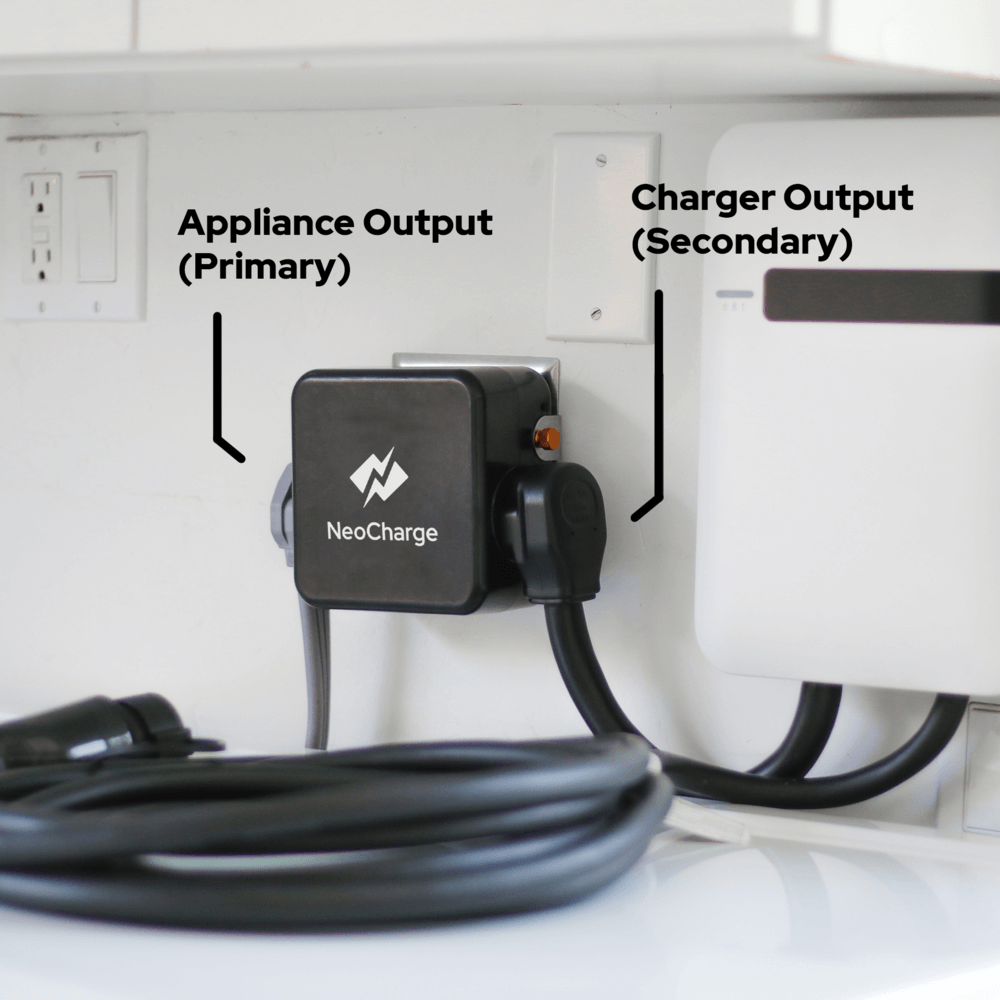
NeoCharge Smart Splitters Make EV Charging More Affordable For Owners Through Intelligent Power Sharing
