



Supporting Residential EV Charging While Minimizing Costly Electrical Upgrades
 The short answer
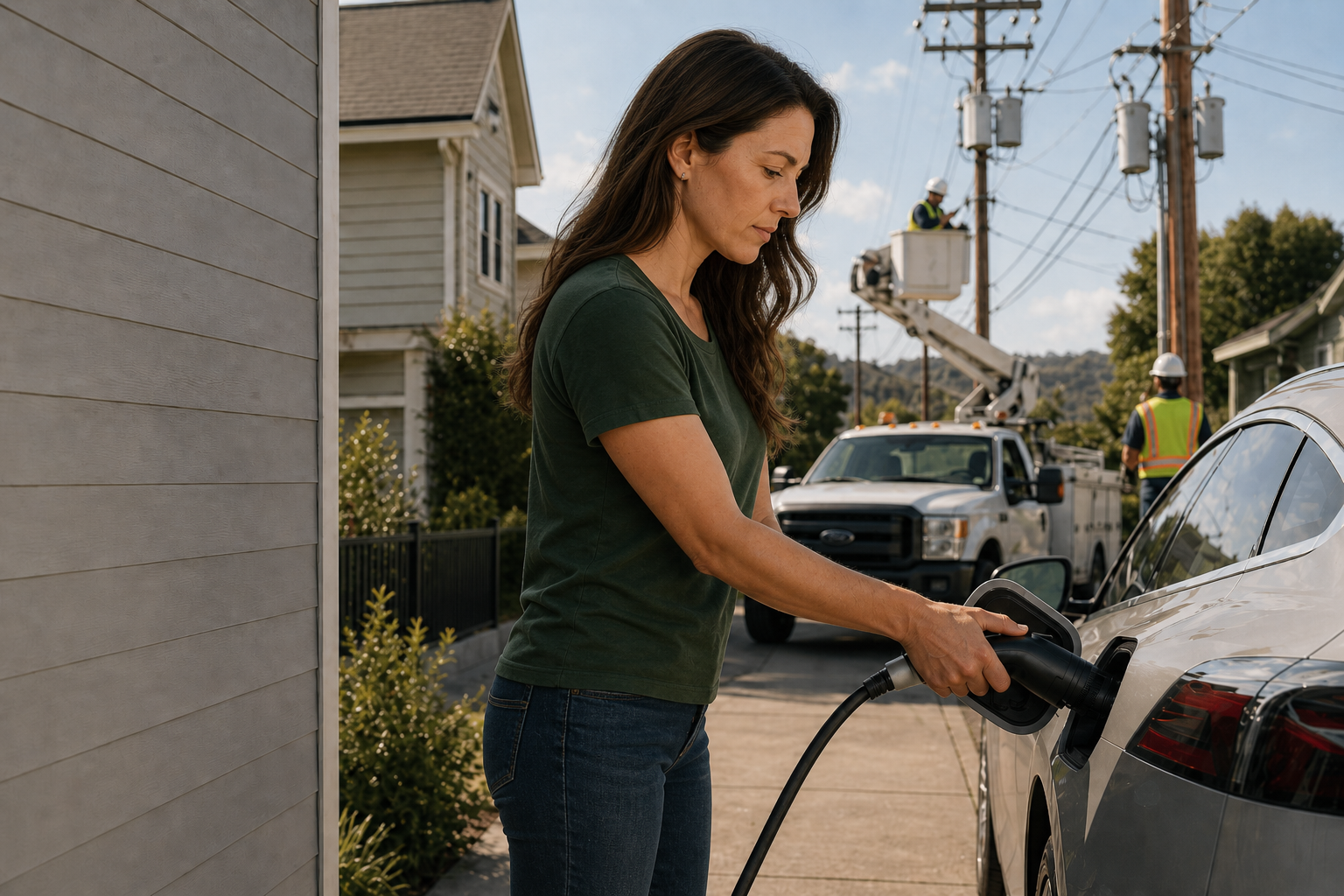
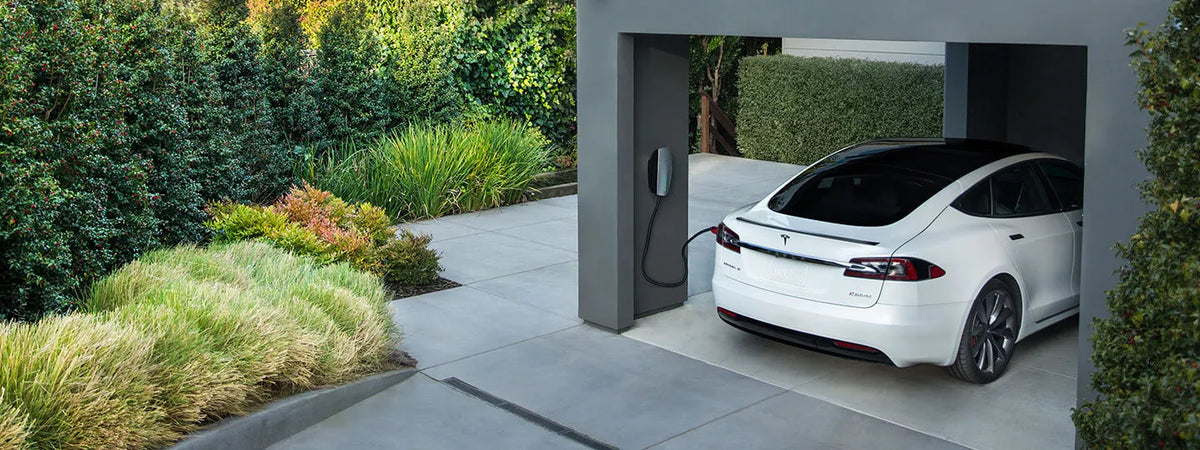
PG&E needed to make home EV charging more accessible for low-income households while minimizing costly electrical upgrades that could prevent adoption.
Key takeaways
- PG&E needed to make home EV charging more accessible for low-income households while minimizing costly electrical upgrades that could prevent adoption.
Best fit Is this guide right for you?
Homes that already have a usable 240V outlet or panel capacity constraints and want a simpler path to Level 2 charging.
Homes that need maximum charging speed every night or require new wiring for where the vehicle parks.
CHALLENGE
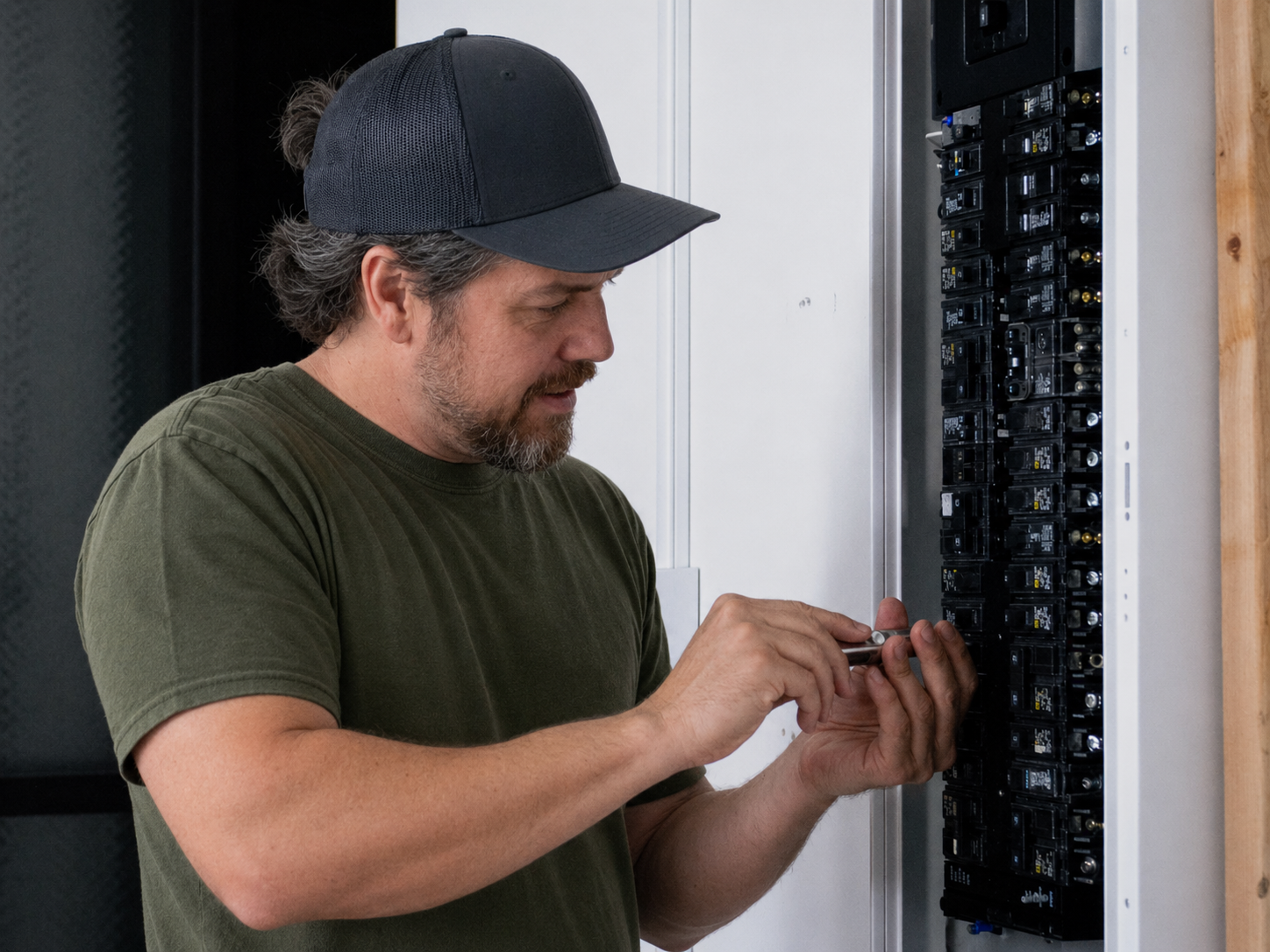
PG&E needed to make home EV charging more accessible for low-income households while minimizing costly electrical upgrades that could prevent adoption. This aligned with California's Low Carbon Fuel Standard goals of expanding clean transportation access across communities.
SOLUTION
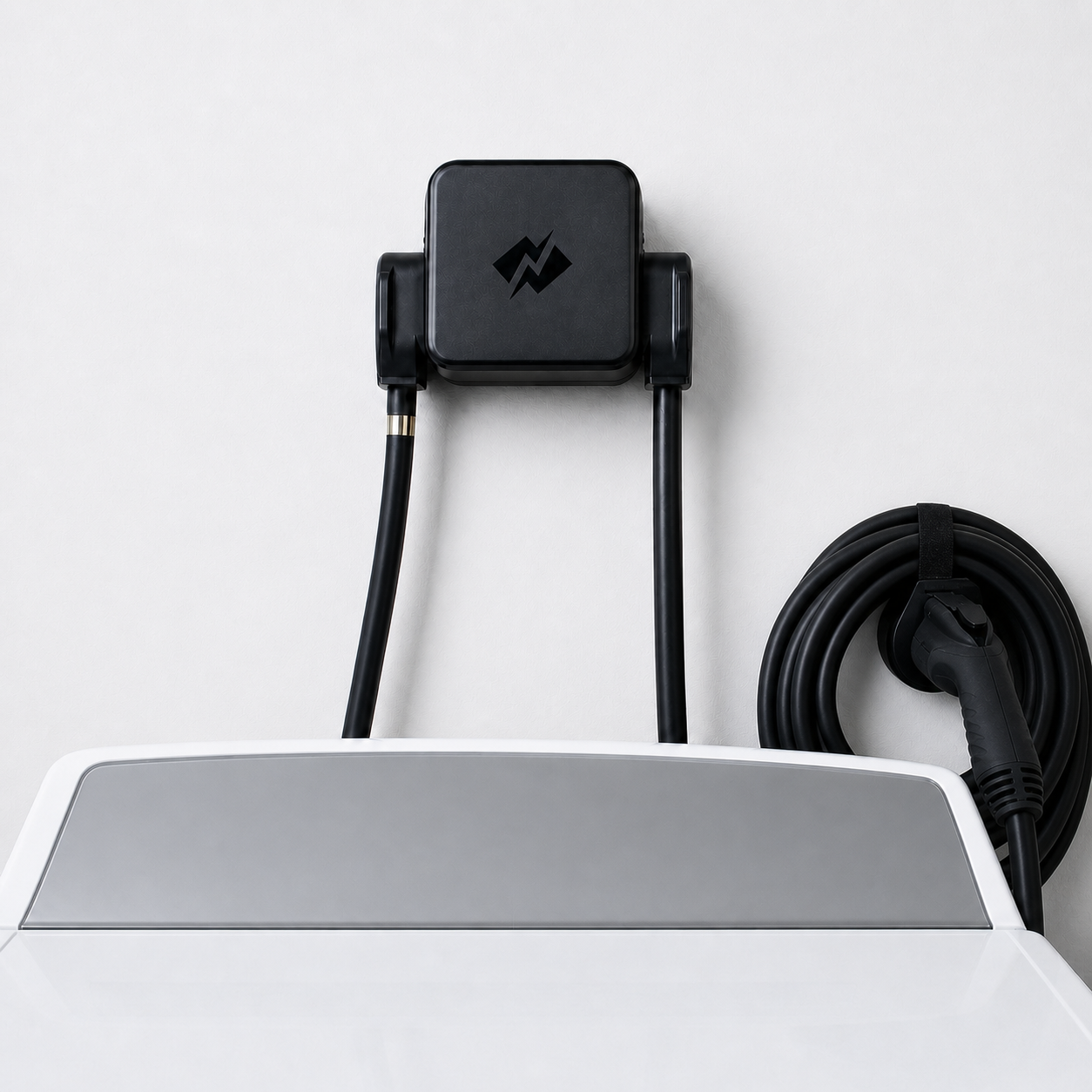
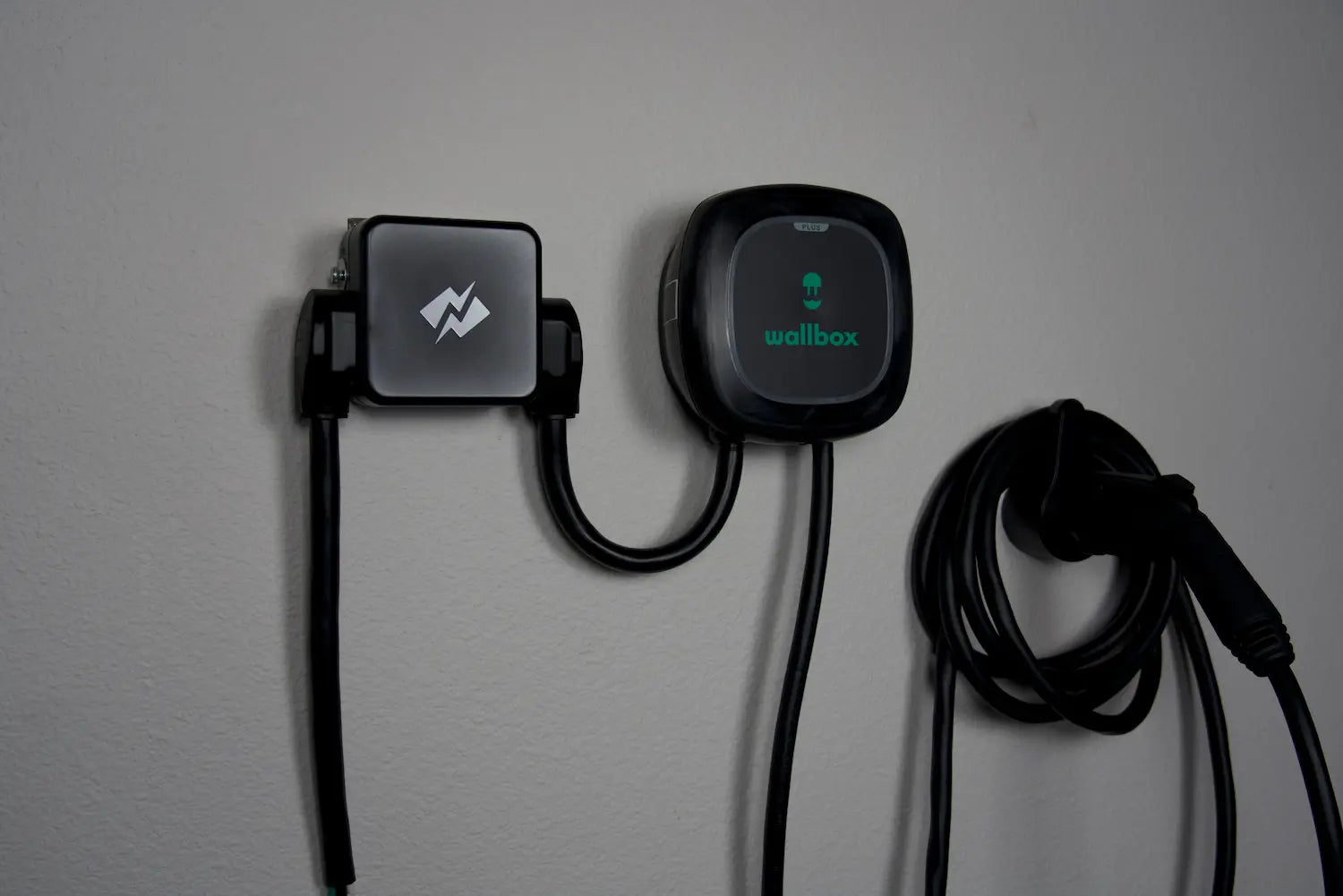
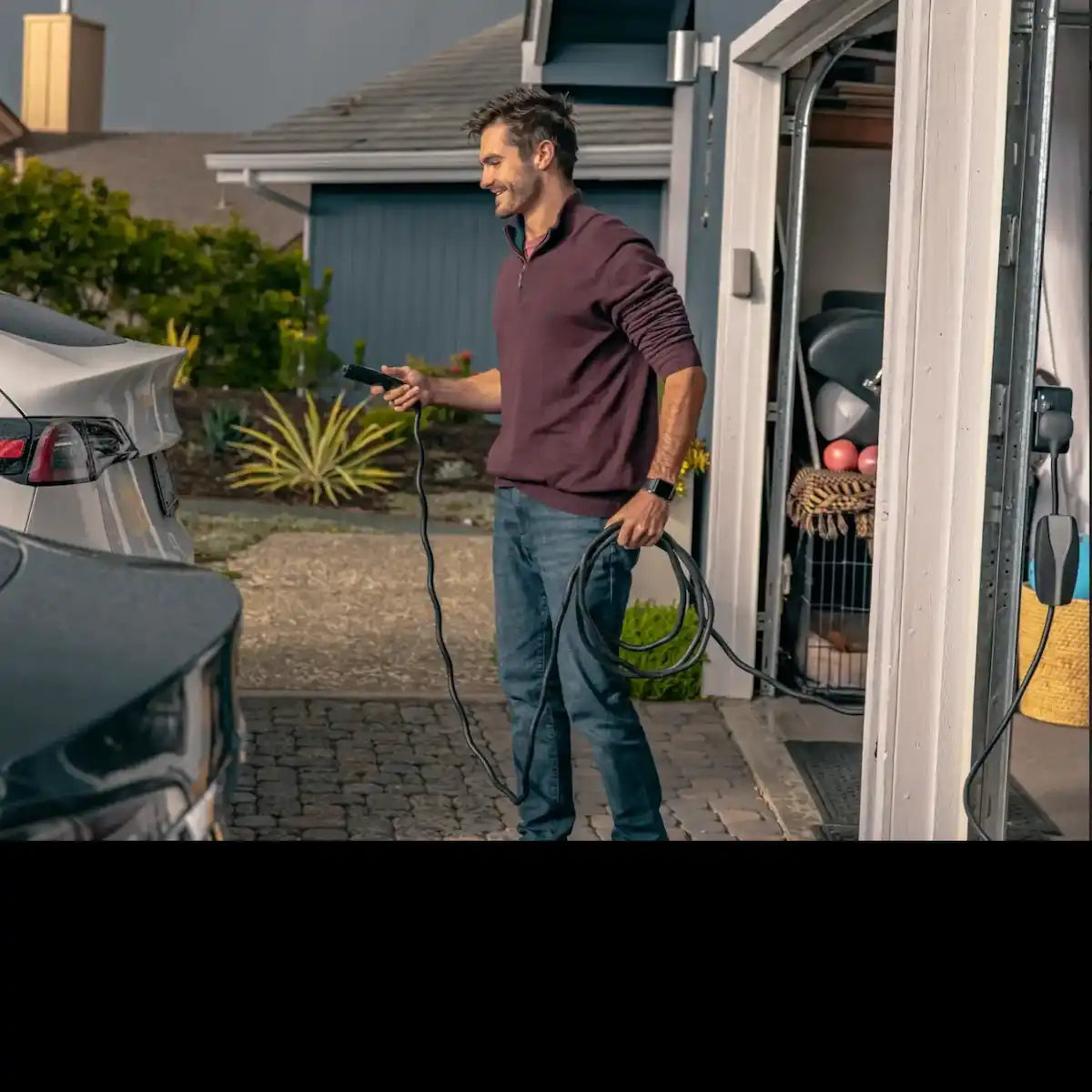
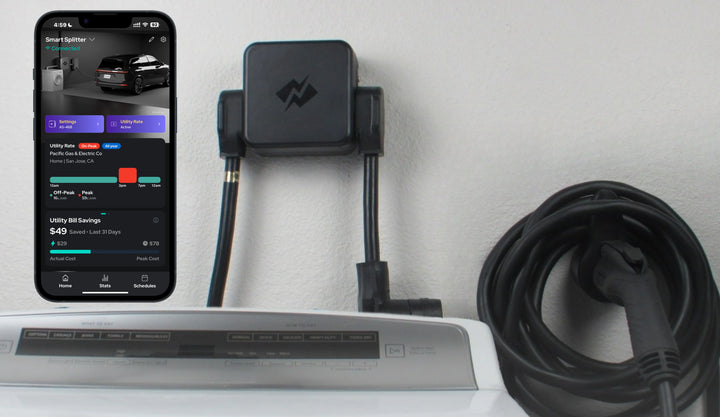
Through a partnership with NeoCharge, PG&E now offers income-eligible customers a $700 rebate on a Smart Splitter. This enables Level 2 EV charging without requiring expensive panel upgrades or rewiring, saving customers an average of $2,000 in installation costs. The program leverages NeoCharge's circuit-sharing technology to help customers access faster home charging while supporting grid reliability by eliminating the need for panel upgrades. For PG&E, this solution addresses multiple pain points: installing a new 240V circuit is not only cost-prohibitive for customers but often triggers cascading infrastructure needs including transformer upgrades that can cost utilities $10,000+ per site. By preventing these upgrades across their service territory, PG&E is significantly reducing infrastructure spending while accelerating EV adoption. The Smart Splitter program provides a scalable way to support disadvantaged communities, meet clean energy mandates, and avoid unnecessary grid upgrades - all while delivering a seamless customer experience.
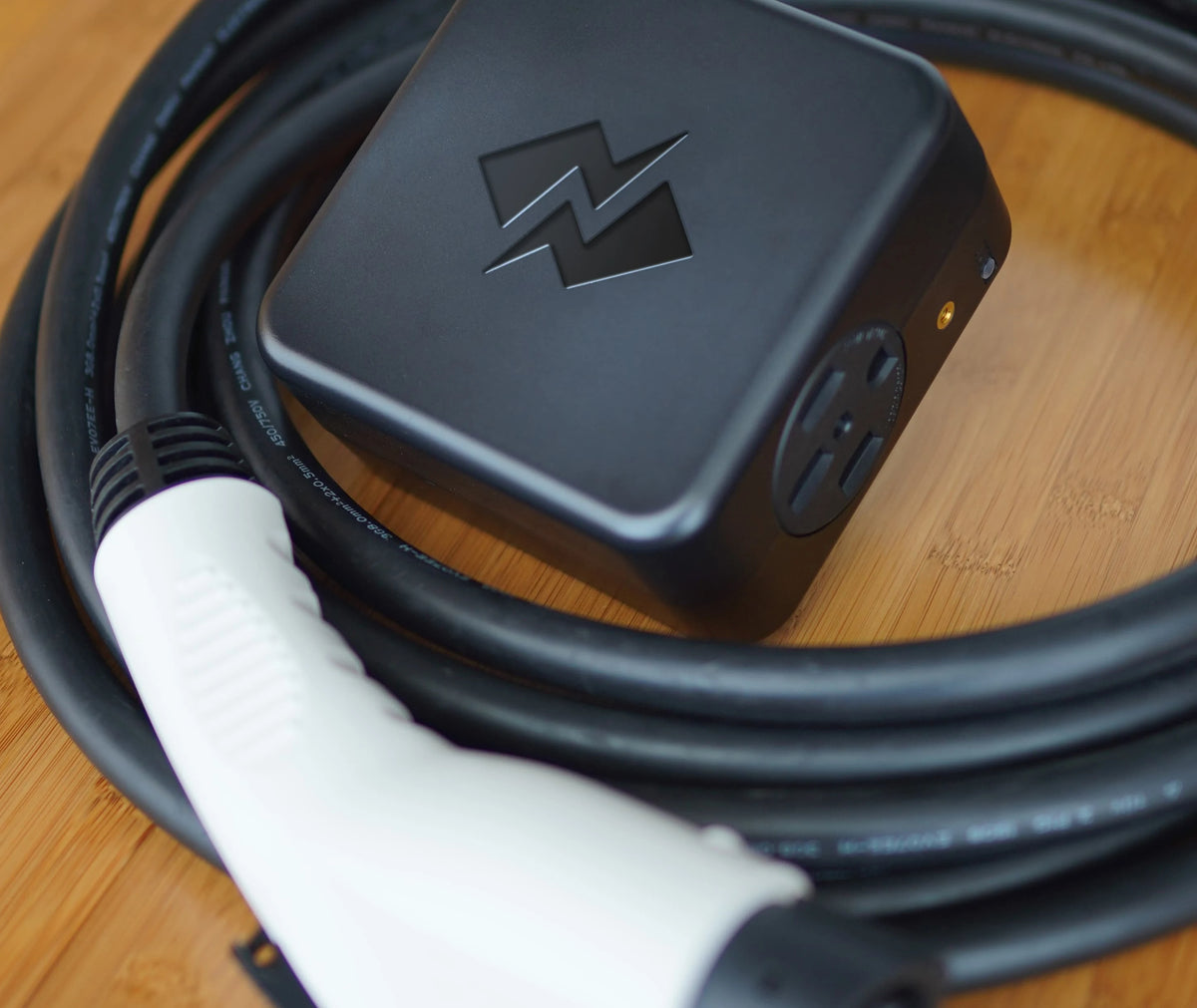
Skip the panel upgrade
Level 2 charging from the outlet you already have
Plug into the 240V dryer outlet you already have. The dryer gets priority and your EV charges the rest of the night, with no panel upgrade and no new circuit. cUL Listed for the US and Canada, with rebates from 30+ utilities.
NeoCharge App
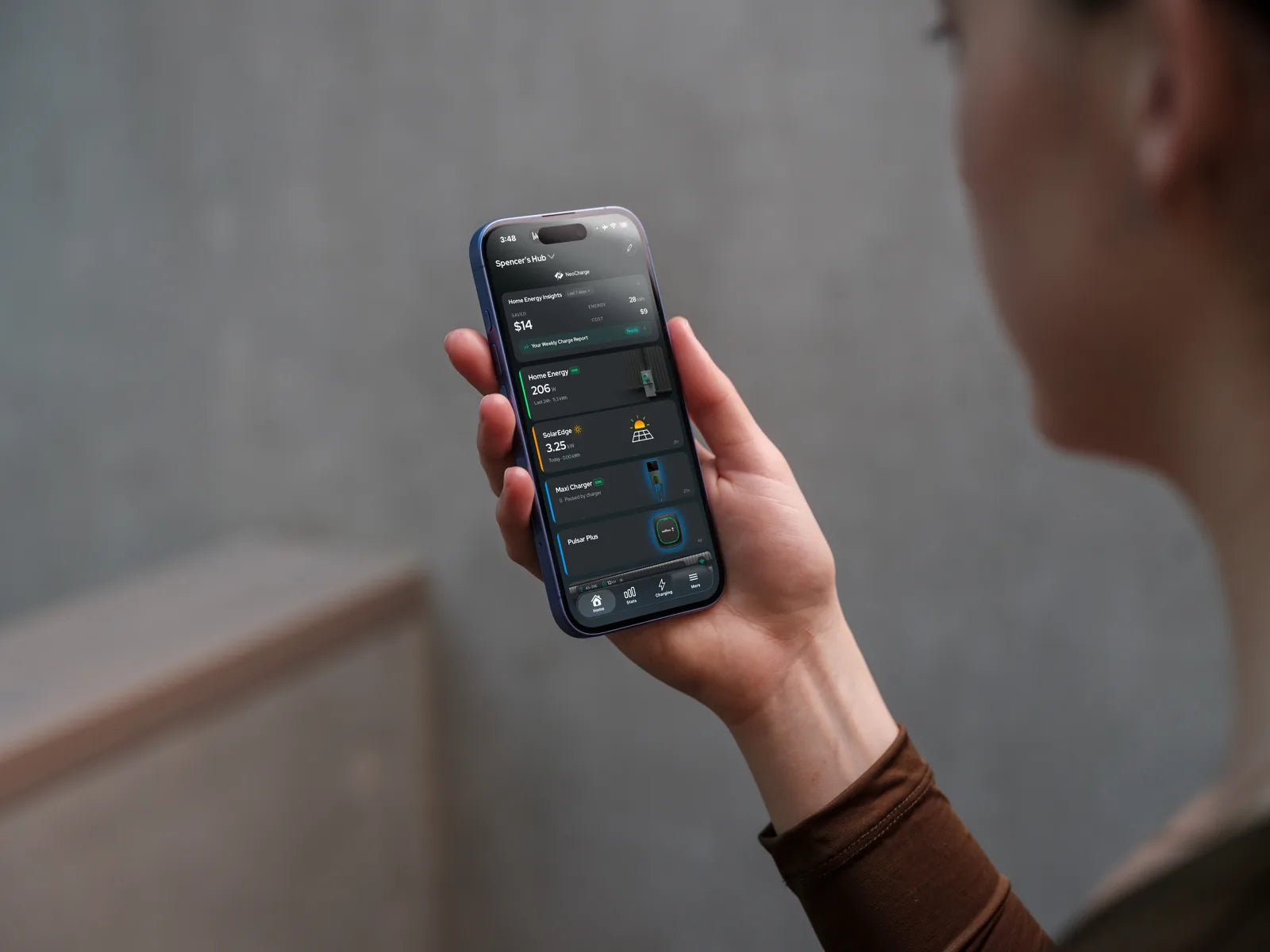
Track charging costs without spreadsheet work
See session history, monthly energy use, and savings so the article advice turns into a real household habit.
Explore the app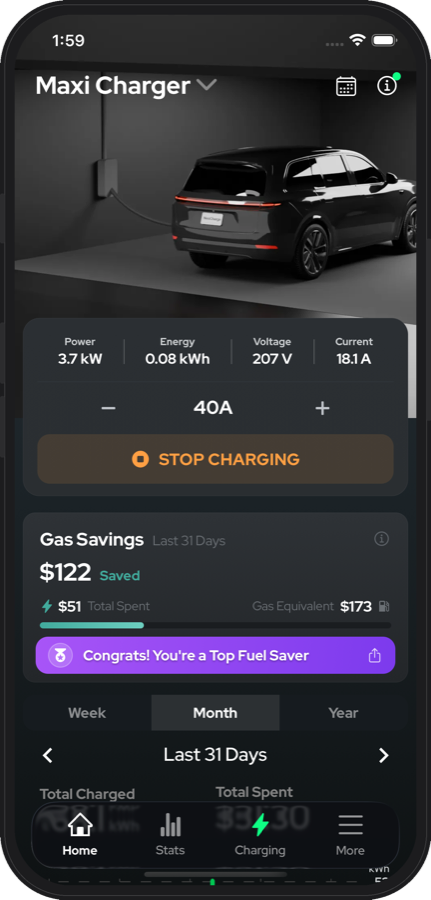
Next steps
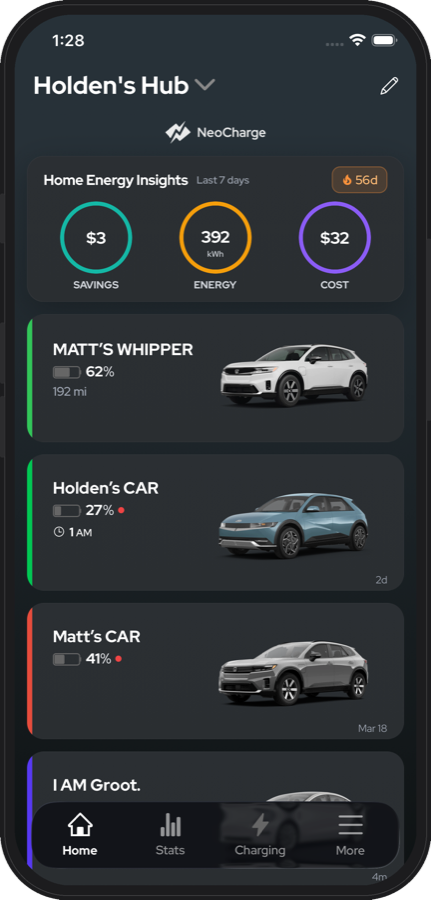
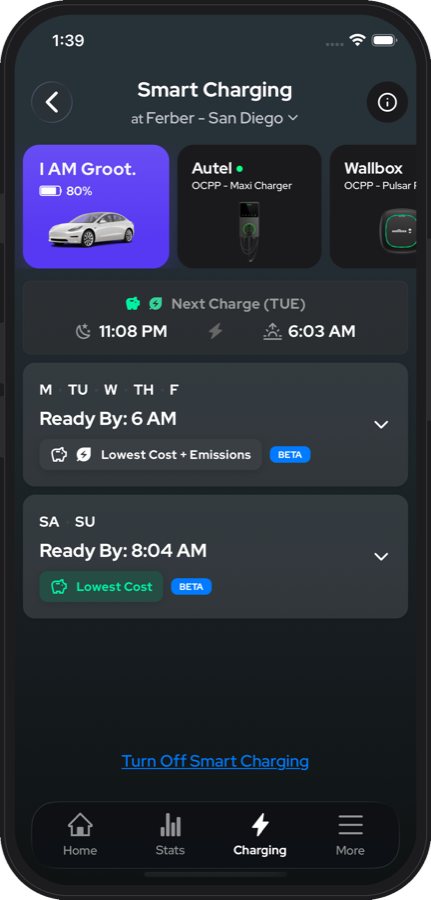
Keep going with NeoCharge
Use the article as your decision guide, then jump into the product, app, or related guides that match what you are trying to solve next.
Key terms
- Level 2 charging
- Level 2 EV charging uses a 240V circuit (like a dryer outlet). It typically adds ~20–35 miles of range per hour, depending on your car and the circuit amperage.
FAQs
What's the quick takeaway from this article?
Who is this guide for?
What should I do next?
Related posts
NREL and NeoCharge Validate Smart Load Management for Home Electrification
The National Renewable Energy Laboratory (NREL) needed to validate solutions that could enable widespread home electrification without requiring costly
BC Hydro and NeoCharge Help Customers Manage Home EV Charging Load
BC Hydro needed to help more residents access home EV charging while avoiding costly electrical service upgrades that could slow adoption. This aligned
