



BC Hydro and NeoCharge Help Customers Manage Home EV Charging Load
 The short answer
BC Hydro needed to help more residents access home EV charging while avoiding costly electrical service upgrades that could slow adoption. This aligned
Key takeaways
- BC Hydro needed to help more residents access home EV charging while avoiding costly electrical service upgrades that could slow adoption.
Best fit Is this guide right for you?
Homes that already have a usable 240V outlet or panel capacity constraints and want a simpler path to Level 2 charging.
Homes that need maximum charging speed every night or require new wiring for where the vehicle parks.
CHALLENGE
BC Hydro needed to help more residents access home EV charging while avoiding costly electrical service upgrades that could slow adoption. This aligned with British Columbia's CleanBC Roadmap goals of eliminating emissions from new cars by 2035, but many homes lacked the electrical capacity for Level 2 charging.
SOLUTION
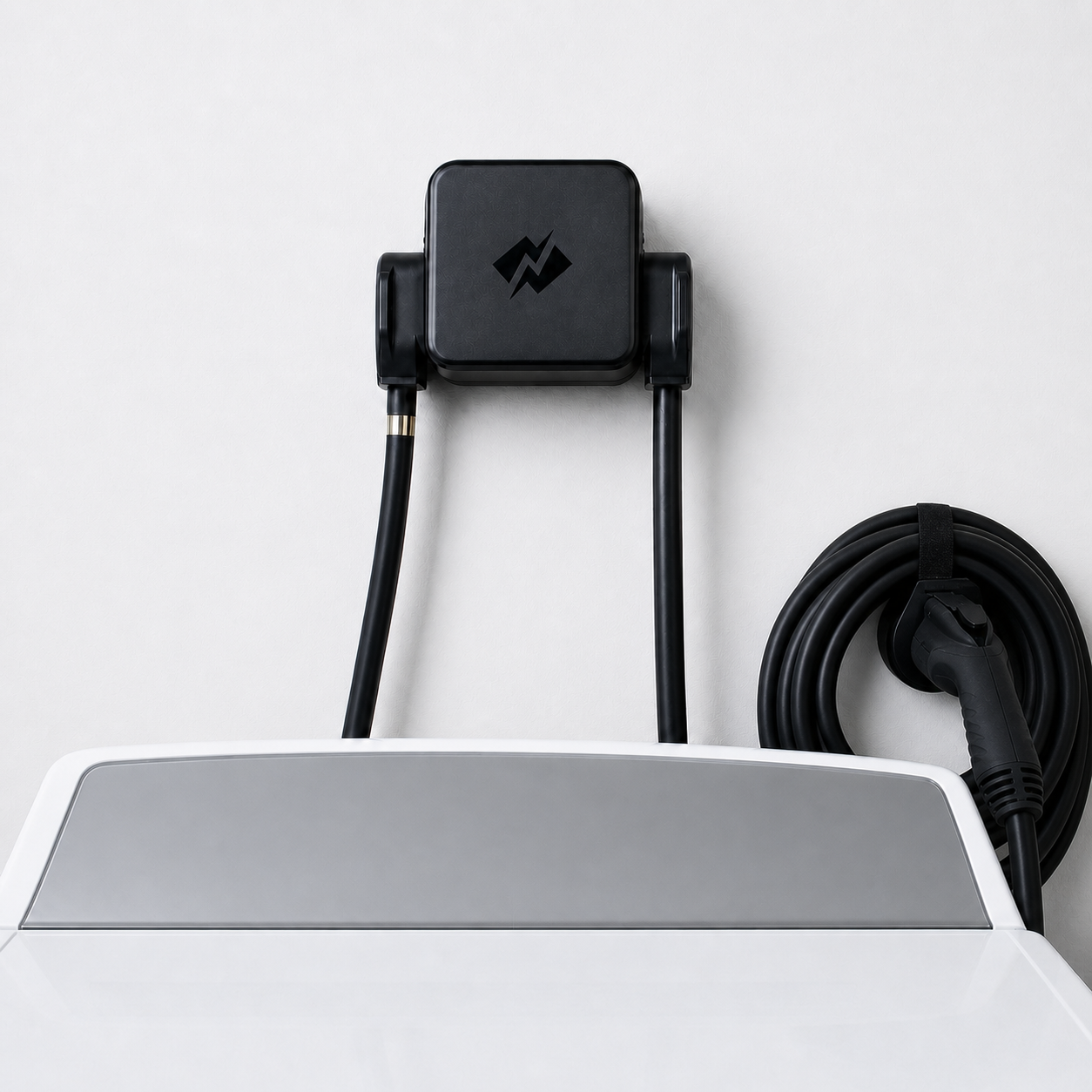
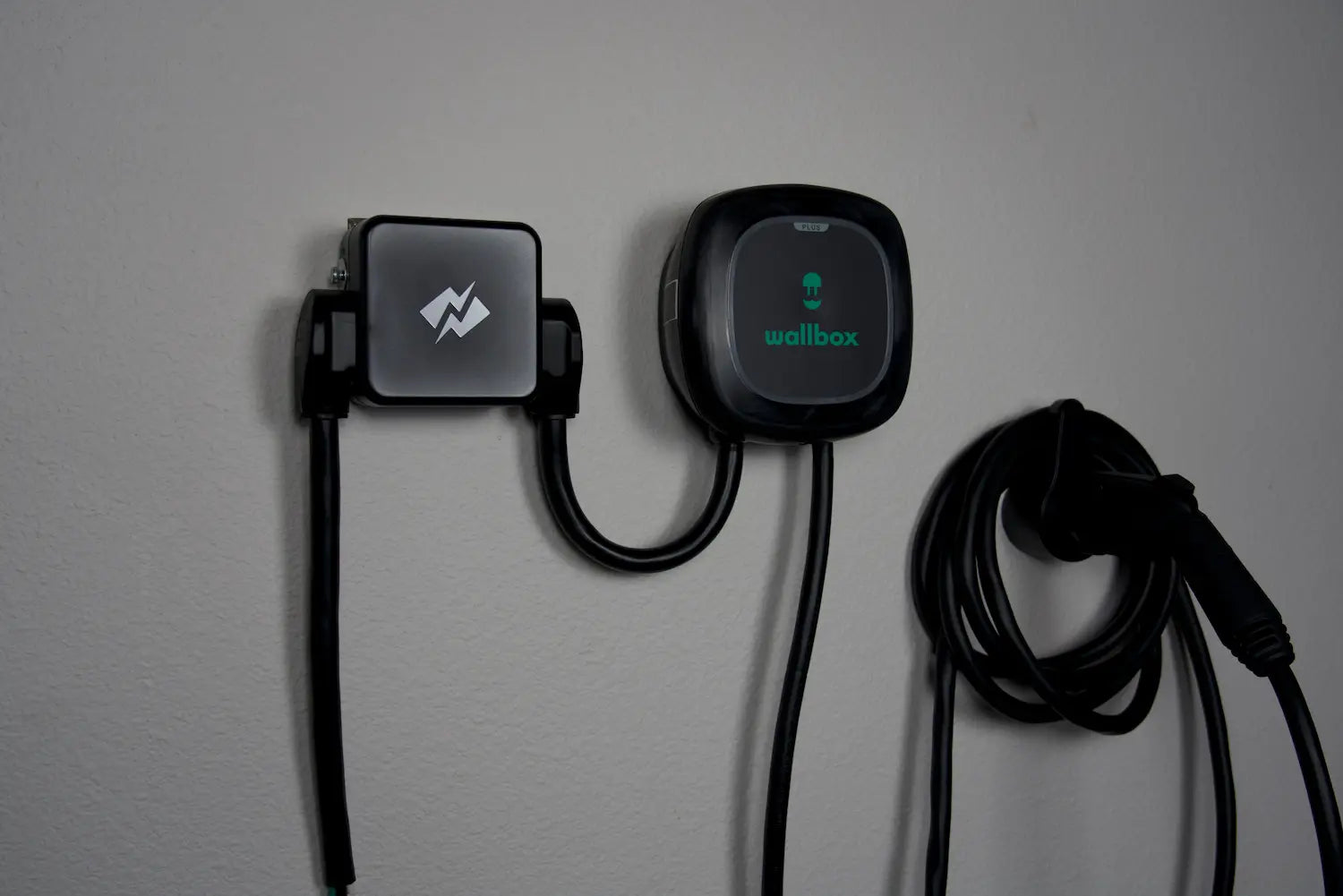
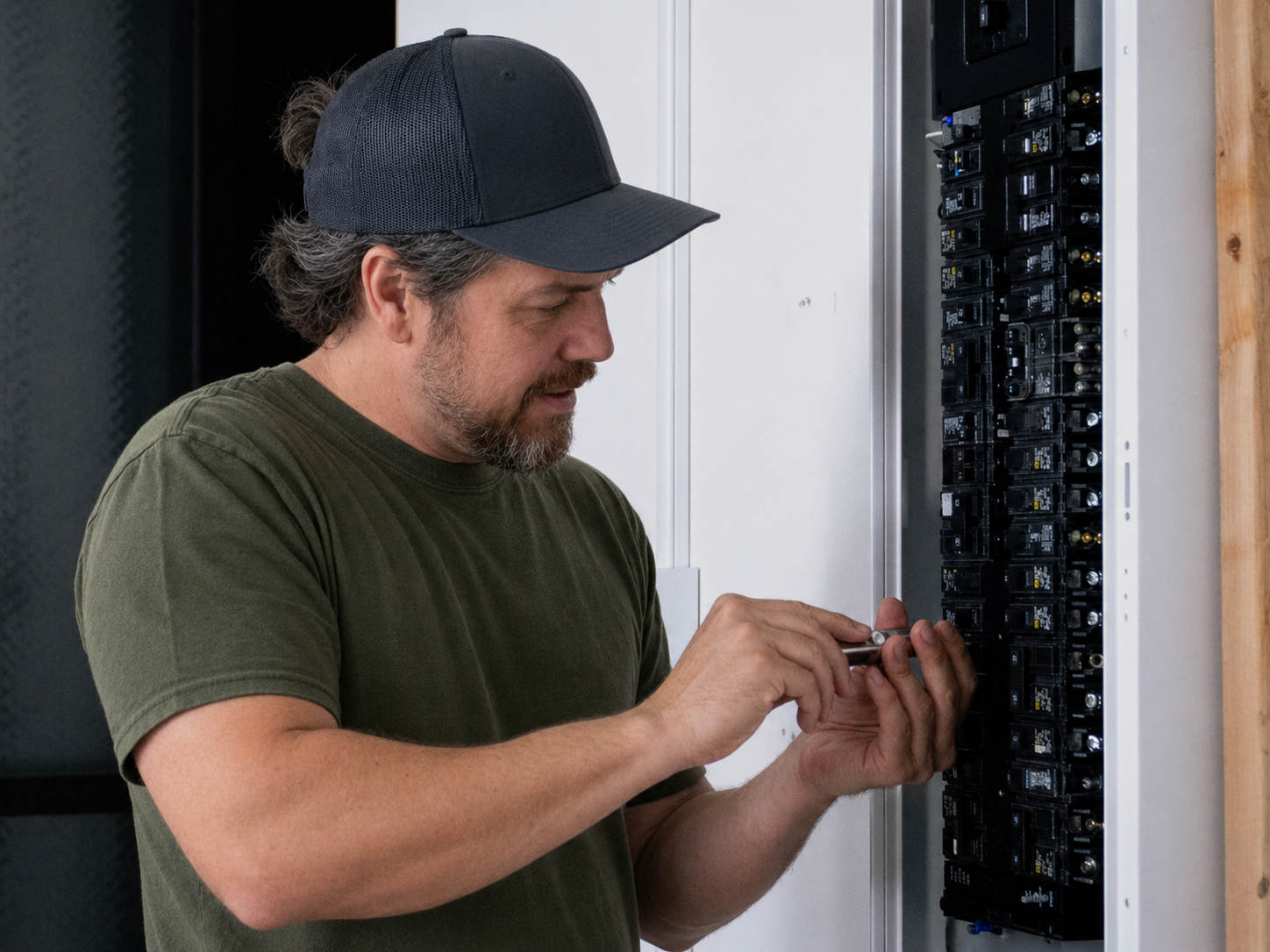
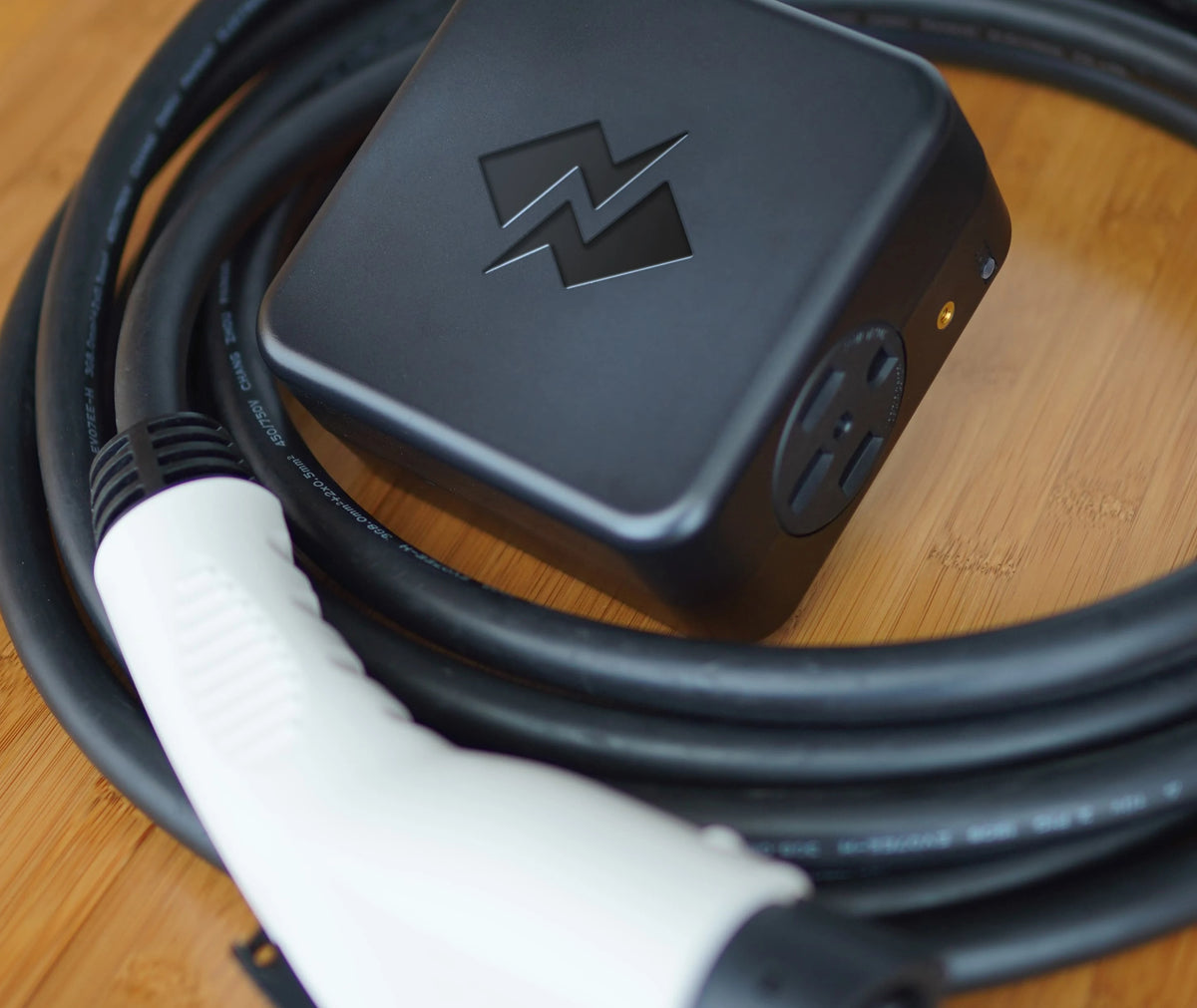
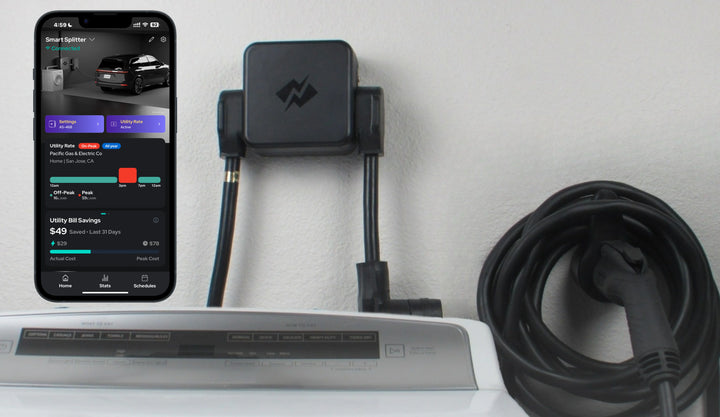
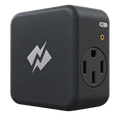
Through a partnership with NeoCharge, BC Hydro now offers customers a $200 rebate on Smart Splitters as an approved EV power management device. This solution enables customers to safely share their existing dryer circuit with an EV charger through automated power management - when the dryer turns on, the Smart Splitter automatically pauses EV charging and resumes once the dryer cycle completes. By utilizing the home's existing NEMA dryer outlet (most common in British Columbia being the NEMA 14-30 outlet), customers avoid the cost and complexity of installing a dedicated 240V circuit while still accessing the faster charging speeds of Level 2 charging. For BC Hydro, this approach delivers multiple benefits: customers avoid expensive electrical upgrades, the grid is protected from overload without infrastructure modifications, and EV adoption barriers are reduced. The Smart Splitter program provides a simple way for BC Hydro to support their clean energy mandate while maintaining grid reliability - particularly valuable in BC where charging EVs produces minimal greenhouse gases compared to other regions due to the province's renewable energy resources. The Smart Splitter plugs into an existing dryer or range outlet, so there is no new circuit to run. In B.C., Technical Safety BC requires an electrical permit and load calculation even for a plug-in switching device, and BC Hydro's device rebate requires that permit, so plan the install with a licensed electrician (or a homeowner permit where eligible) and check BC Hydro's current terms before you buy.
Skip the panel upgrade
Level 2 charging from the outlet you already have
Plug into the 240V dryer outlet you already have. The dryer gets priority and your EV charges the rest of the night, with no panel upgrade and no new circuit. cUL Listed for the US and Canada, with rebates from 30+ utilities.
NeoCharge App
Track charging costs without spreadsheet work
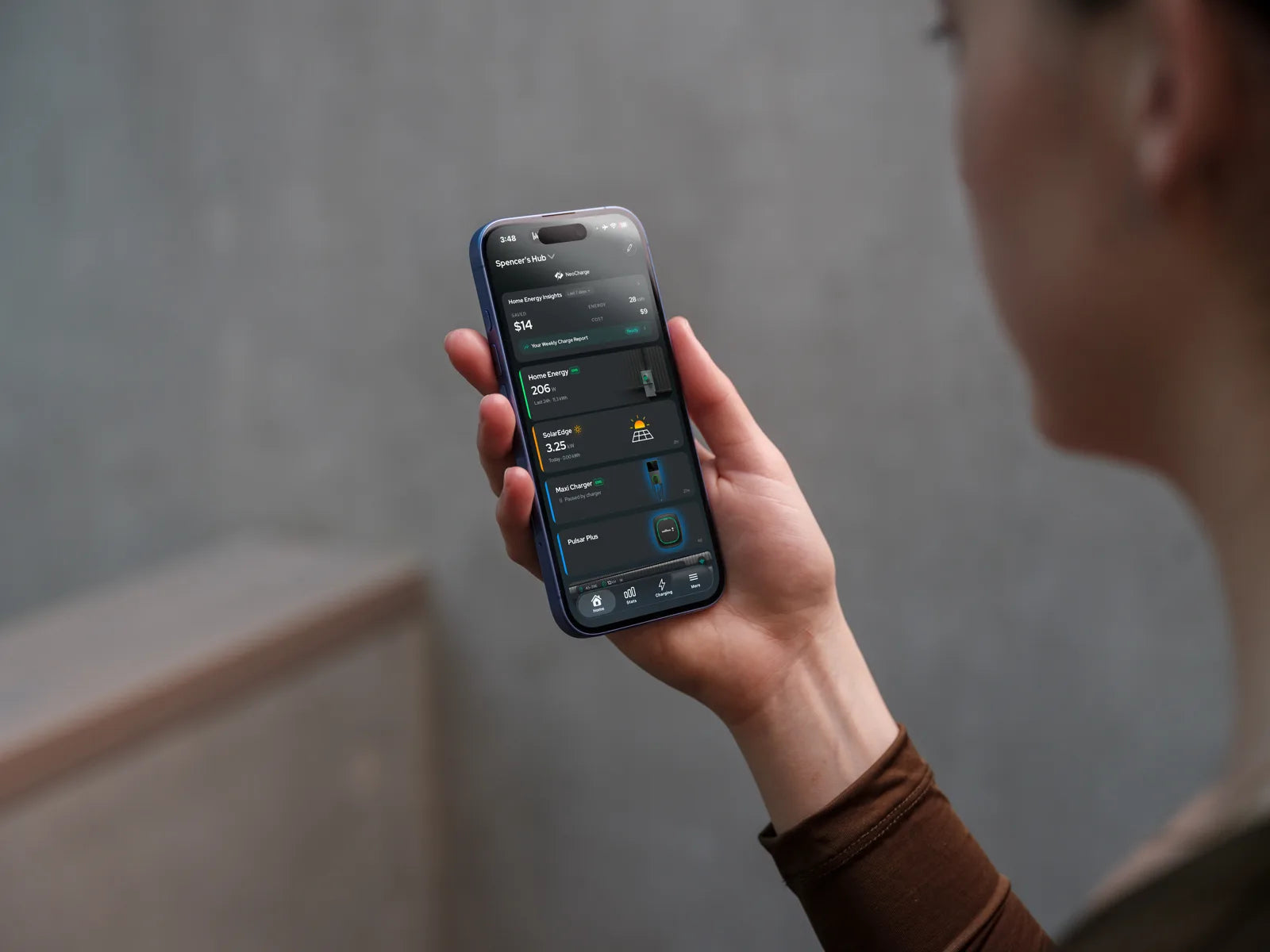
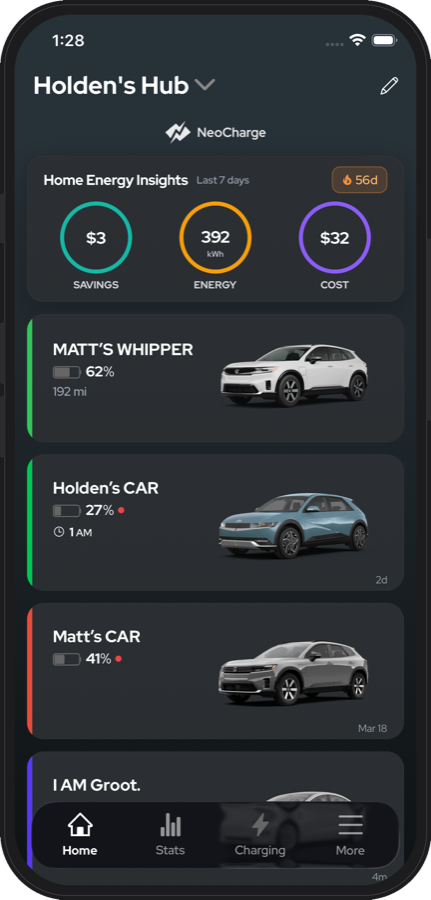
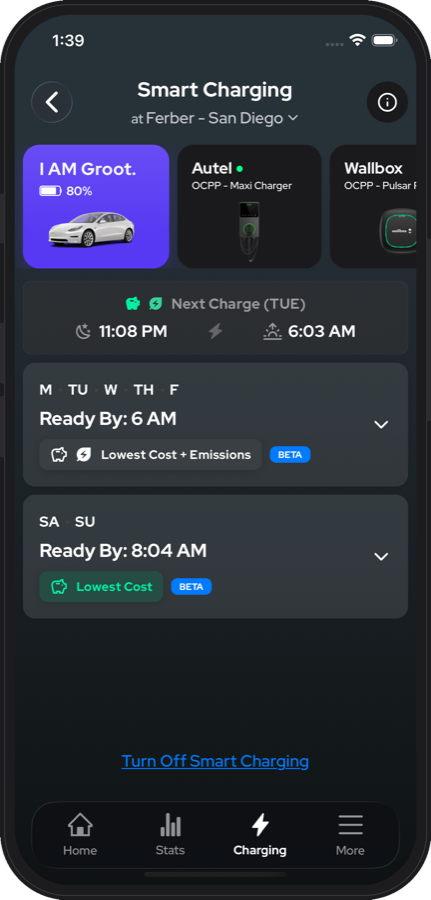
See session history, monthly energy use, and savings so the article advice turns into a real household habit.
Explore the app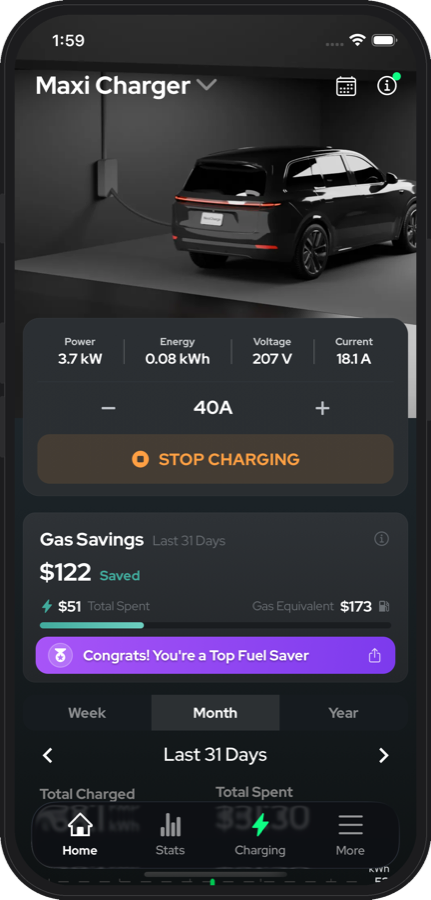
Next steps
Keep going with NeoCharge
Use the article as your decision guide, then jump into the product, app, or related guides that match what you are trying to solve next.
Key terms
- Level 2 charging
- Level 2 EV charging uses a 240V or 208V circuit (like a dryer outlet). On common home circuits it adds roughly 12–37 miles of range per hour, depending on the circuit amperage and your car.
- NEMA 14-30
- A NEMA 14-30 is a 240V, 30A dryer outlet. With a properly configured EV charger, it can usually support ~24A continuous charging (about 18 miles of range per hour for a mid-size EV).
FAQs
What's the quick takeaway from this article?
Who is this guide for?
What should I do next?
Related posts
NREL and NeoCharge Validate Smart Load Management for Home Electrification
The National Renewable Energy Laboratory (NREL) needed to validate solutions that could enable widespread home electrification without requiring costly
Supporting Residential EV Charging While Minimizing Costly Electrical Upgrades
PG&E needed to make home EV charging more accessible for low-income households while minimizing costly electrical upgrades that could prevent adoption.
