





NEMA 14-50 vs 6-50: Which Outlet Your EV Charger Needs
 The short answer
A NEMA 14-50 has four wires including a neutral; a 6-50 has three and no neutral. How to tell them apart, which EV chargers use each, and which to install.
Key takeaways
- ChargePoint notes that 6-50 "does not require an additional neutral wire, which may slightly reduce installation cost"
- 14-50 is more universal for non-EV applications like RVs and electric ovens
- Safety matters more than outlet type—use dedicated circuits, EV-rated receptacles, and proper installation
- The 80% rule applies: 50A breakers typically support 40A continuous charging
Best fit Is this guide right for you?
Drivers with time-of-use rates, off-peak discounts, utility programs, or charging schedules they want to automate.
Homes on flat electric rates where charging time does not change cost, unless you still want tracking and reminders.
Quick answer: match your charger, optimize for your plans
If you're only charging an EV and want the simplest installation: NEMA 6-50 is often the cleaner, cheaper choice.
If you want maximum versatility for future non-EV uses: NEMA 14-50 is the more universal standard.
Most importantly: the outlet type matters far less than using a dedicated circuit, proper installation, and an EV-rated receptacle that won't melt under continuous load.
The technical difference (and why it matters financially)
NEMA 14-50: the four-wire workhorse
A NEMA 14-50R receptacle provides 50A at 125/250V with four conductors: two hot wires, one neutral, and one ground. Leviton's EV-grade 14-50R specification lists "50 Amp, 125/250 Volt, NEMA 14-50R, 3-Pole, 4-Wire" designed for extended charging applications.
Source: leviton.com
14-50 is commonly used for:
- Electric ovens and ranges
- RV hookups
- General-purpose high-power applications
- EV charging (when the charger has a 14-50 plug)
The neutral wire enables 120V applications, but most EV charging doesn't need it.
NEMA 6-50: the three-wire specialist
A NEMA 6-50R receptacle provides 50A at 250V with three conductors: two hot wires and ground—no neutral. Leviton's 6-50R lists "50 Amp, 250 Volt, NEMA 6-50R, 2P, 3W" in their specifications.
Source: leviton.com
6-50 is commonly used for:
- Welding equipment
- 240V-only appliances
- EV charging (when the charger has a 6-50 plug)
Since EV charging is typically a 240V load that doesn't need a neutral, the 6-50's simpler wiring often matches the application perfectly.
Installation cost: why 6-50 can save money
ChargePoint explicitly addresses this in their installation guidance: "We like NEMA 6-50 because it does not require an additional neutral wire, which may slightly reduce installation cost compared to NEMA 14-50."
Source: chargepoint.com
How this translates to real savings:
- Less copper wire (three conductors vs. four)
- Smaller conduit requirements in some installations
- Simpler panel connections (one less wire to terminate)
- Lower material costs for long runs
The actual savings depend on your specific installation—a 20-foot garage run might save $50-100, while a 100-foot detached garage run could save $200-400. Not game-changing money, but real savings nonetheless.
Charger compatibility: which plug does your EVSE use?
This is the most practical consideration, and frankly, it should drive your decision more than theoretical preferences.
ChargePoint explains the reality: "If you already have a 240V outlet available, then you can choose either the NEMA 6-50 or NEMA 14-50 plug configuration that matches your outlet..."
Outside of EV charging context: "NEMA 6-50 outlets are commonly used with welders and NEMA 14-50 outlets are commonly used with electric ovens or recreational vehicles."
Source: chargepoint.com
Before planning your electrical work:
- Check what plug your intended EVSE ships with
- Confirm whether plug options are available
- Consider hardwired installations if plug compatibility gets complicated
Many quality EVSEs offer both plug options or hardwired versions, giving you flexibility to optimize for your electrical situation rather than being locked into a specific outlet type.
Safety and reliability: where outlet type matters less than quality
The DOE emphasizes that EV charging infrastructure is considered a continuous load and must comply with electrical codes—this affects installation requirements regardless of outlet type.
Source: DOE home charging overview
Critical safety factors (more important than 14-50 vs 6-50):
1. Dedicated circuit requirement ChargePoint is explicit: "Each ChargePoint Home or Home Flex station requires its own dedicated circuit."
Source: chargepoint.com
2. EV-rated receptacle quality Standard residential outlets aren't designed for continuous high-current loads. Leviton markets their EV-grade receptacles as "Heavy-Duty/EV Grade" specifically designed for extended charging times.
Source: leviton.com
3. Proper amperage settings ChargePoint notes that charging rate "cannot exceed 80% of your breaker amperage"—so 50A breakers typically support 40A continuous charging.
Source: chargepoint.com
4. Minimizing plug wear Frequent plugging/unplugging creates wear and heat buildup over time. If you need daily plug/unplug cycles, consider hardwired installation instead.
Future flexibility considerations
Choose 14-50 if you might want:
- RV hookups at your home
- High-power electric cooking equipment
- Workshop applications that need 120V + 240V options
- Maximum resale/rental property appeal
Choose 6-50 if you're:
- Installing specifically for EV charging
- Optimizing for installation cost
- Working with tight electrical panel capacity
- Planning to hardwire future charger upgrades
FAQ
Can I use a 14-50 outlet with a 6-50 plug (or vice versa)?
No—the plug configurations are physically different and not interchangeable. You need either an adapter (not recommended for high-current applications) or the correct outlet for your charger.
Is 14-50 "better" because it has more wires?
Not for EV charging specifically. The extra neutral wire in 14-50 installations often goes unused since EV charging is typically a 240V-only load. "More wires" doesn't automatically mean "better performance."
What about using a dryer outlet (NEMA 14-30) for EV charging?
30A outlets can work for EV charging, but you'll be limited to ~24A charging (80% of 30A). This can be adequate for many drivers, but verify that your charger supports the lower amperage and that your daily driving needs can be met with reduced charging speed.
Should I install the outlet first or choose the charger first?
Choose the charger first (or at least narrow down your options). This ensures your electrical work matches your equipment rather than limiting your charger choices based on an arbitrary outlet decision.
Bottom line
The "right" choice depends on your priorities:
- Lowest installation cost + EV-only use: 6-50 is often ideal
- Maximum future flexibility: 14-50 provides more options
- Either way: focus on dedicated circuits, quality components, and proper installation
The outlet type is far less important than the electrical work quality. A properly installed 6-50 with an EV-rated receptacle on a dedicated circuit will outperform a poorly installed 14-50 with a standard residential receptacle every time.
Most importantly, work with an electrician who has EV charging experience and can recommend the best approach for your specific situation, local codes, and electrical panel capacity.
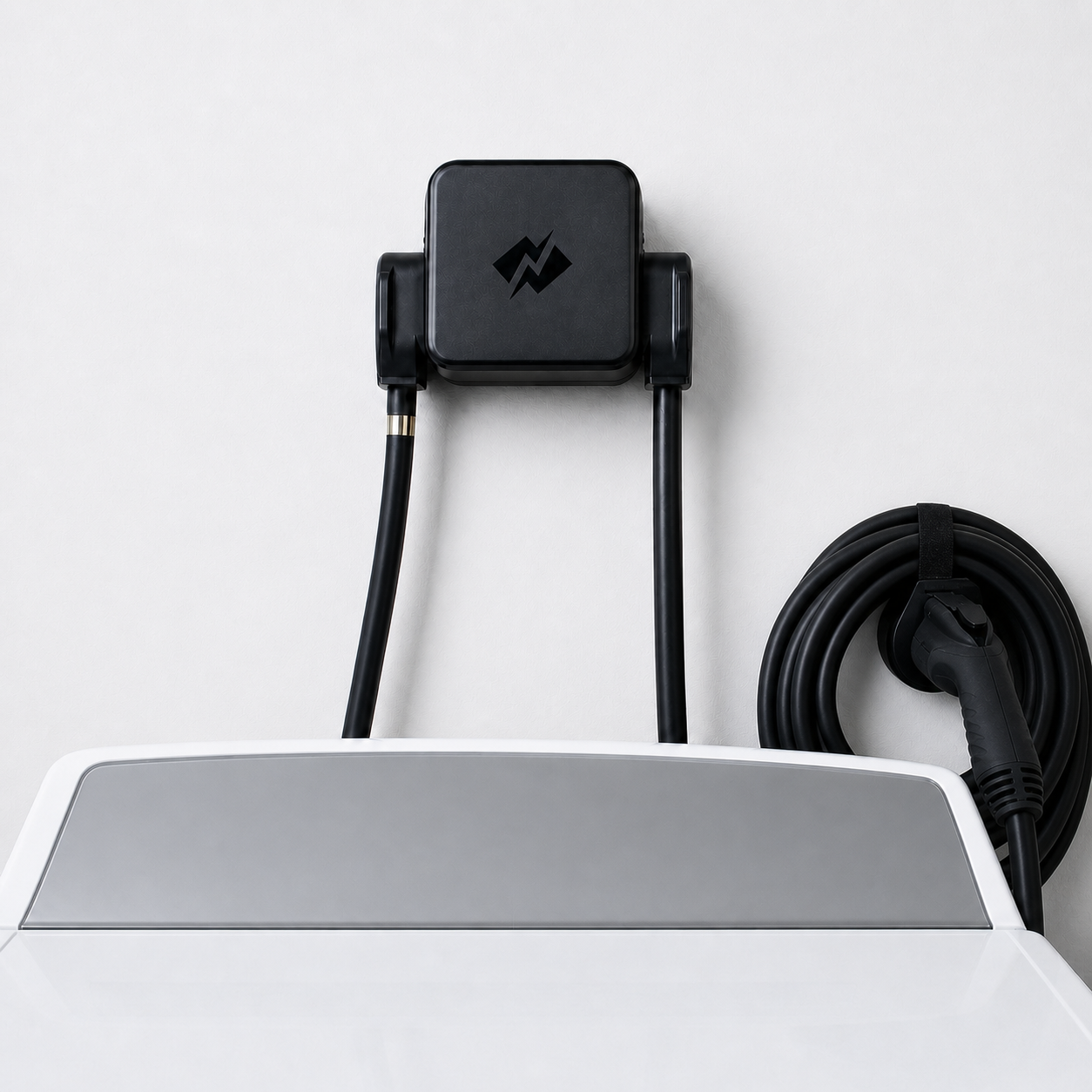
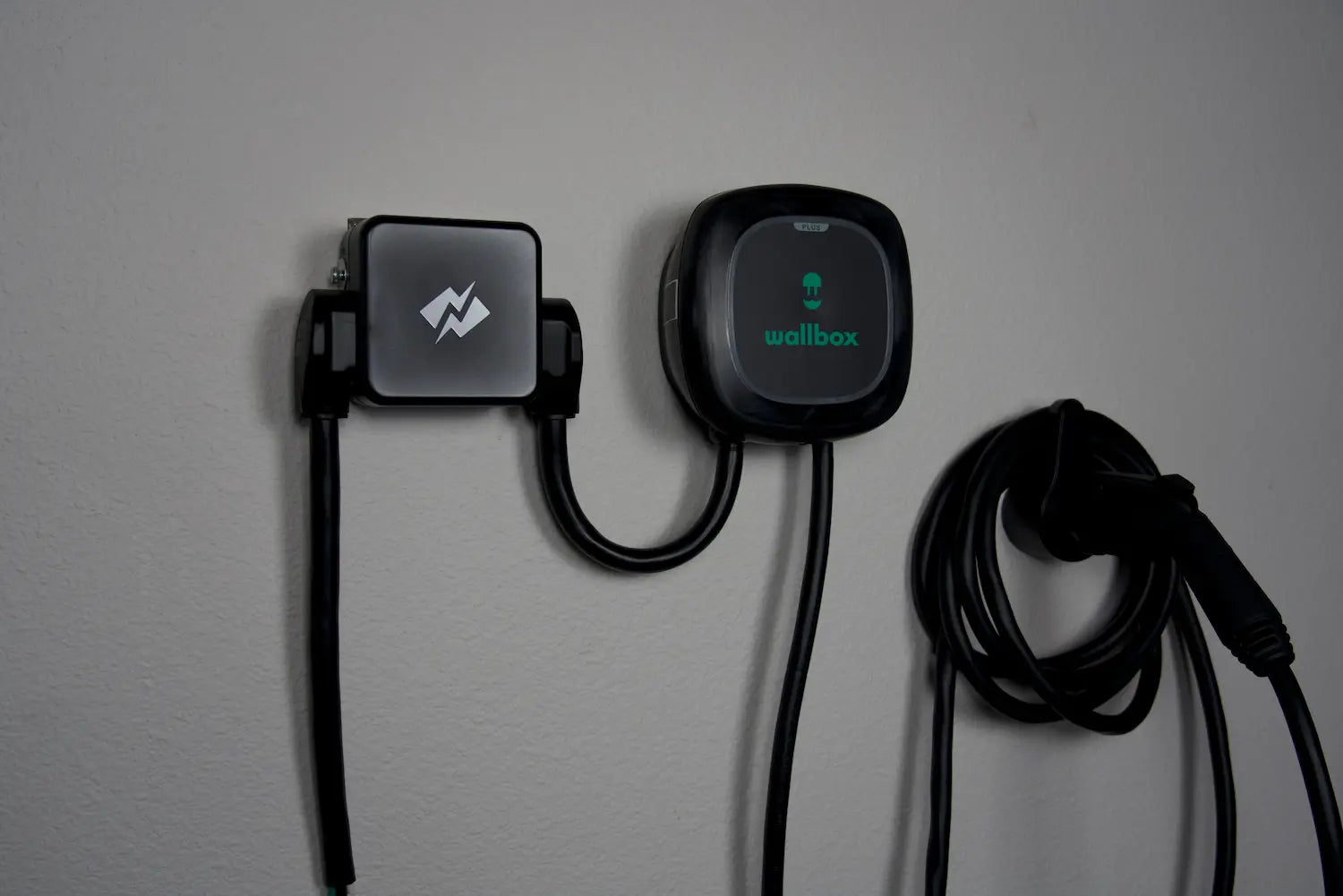
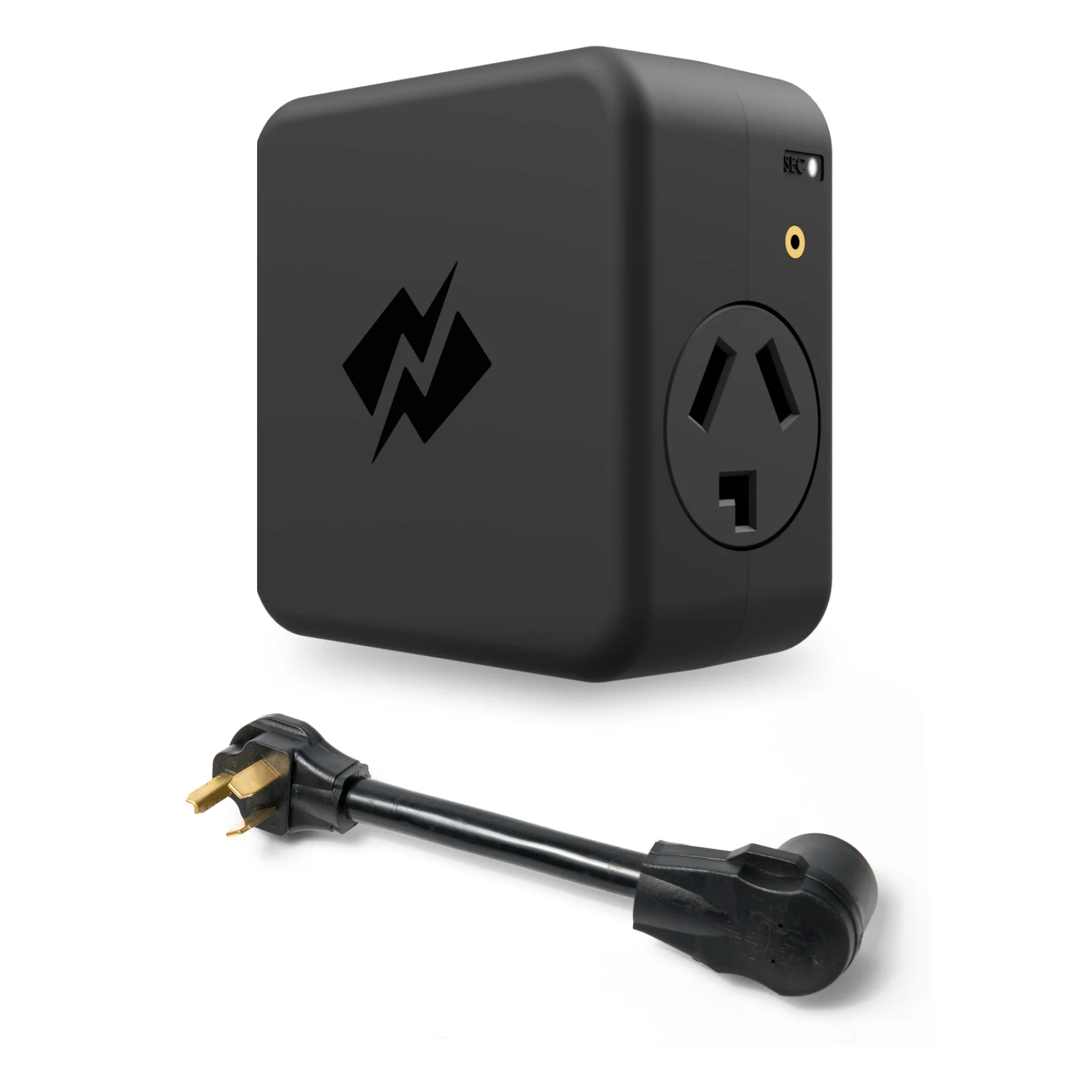
Planning to share an existing 240V circuit for EV charging? NeoCharge's Smart Splitter safely manages power sharing between your EV charger and other appliances—regardless of whether you choose 14-50 or 6-50 outlets—while the NeoCharge app helps you optimize charging schedules and monitor energy usage.
Next steps (NeoCharge)
- If you want to safely share a 240V outlet (dryer + EV) or avoid a costly panel upgrade, check out the NeoCharge Smart Splitter.
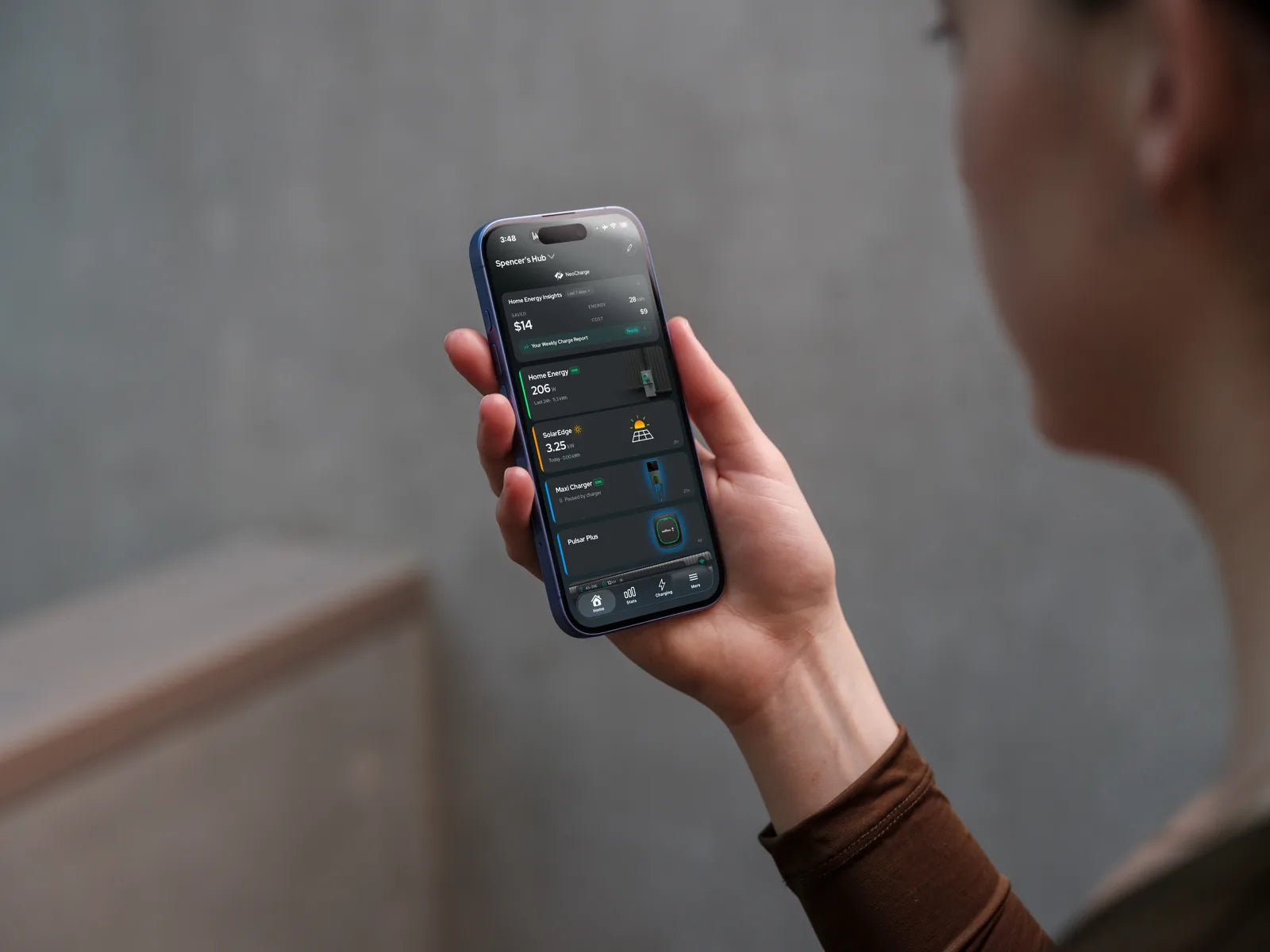
- If you want to reduce charging cost with off-peak schedules and rate-aware automation, explore the NeoCharge App.
NeoCharge App
Turn rate plans into simple charging schedules
Schedule around off-peak windows, manage compatible chargers, and keep tabs on charging sessions from the app.
Explore the app


Next steps
Keep going with NeoCharge
Use the article as your decision guide, then jump into the product, app, or related guides that match what you are trying to solve next.
Key terms
- NEMA 14-50
- A NEMA 14-50 is a common 240V, 50A outlet (often used for EV charging). Many EV chargers plug into it, but the actual charging speed depends on the circuit and your EV.
- NEMA 14-30
- A NEMA 14-30 is a 240V, 30A dryer outlet. With a properly configured EV charger, it can usually support ~24A continuous charging (about 20–25 miles of range per hour for many EVs).
- EVSE
- EVSE stands for Electric Vehicle Supply Equipment (the “charger”). It safely delivers power to your EV and communicates with the car to control charging current.
FAQs
What's the quick takeaway from this article?
Who is this guide for?
What should I do next?
Related posts

BC Hydro EV Power Management Device Rebate: Eligible Devices (2026)
BC Hydro pays $200 extra for an eligible EV power management device. The Sept 2026 device list, which chargers qualify, and the permit rule that decides who gets it.

Can I Charge My EV From a Dryer Outlet in Canada?
Can you charge an EV from a dryer outlet in Canada? Learn NEMA 14-30, NEMA 10-30, 24 amp charging, Tesla adapters, safety, and Smart Splitter options.

Do You Need a Panel Upgrade for Home EV Charging in Canada?
Can you install an EV charger without a panel upgrade in Canada? Compare 100 amp panels, Level 2 charging, dryer outlets, load management, and rebates.
DCC-9 vs DCC-10 vs EVEMS vs Smart Splitter: Canada EV Load Management Guide
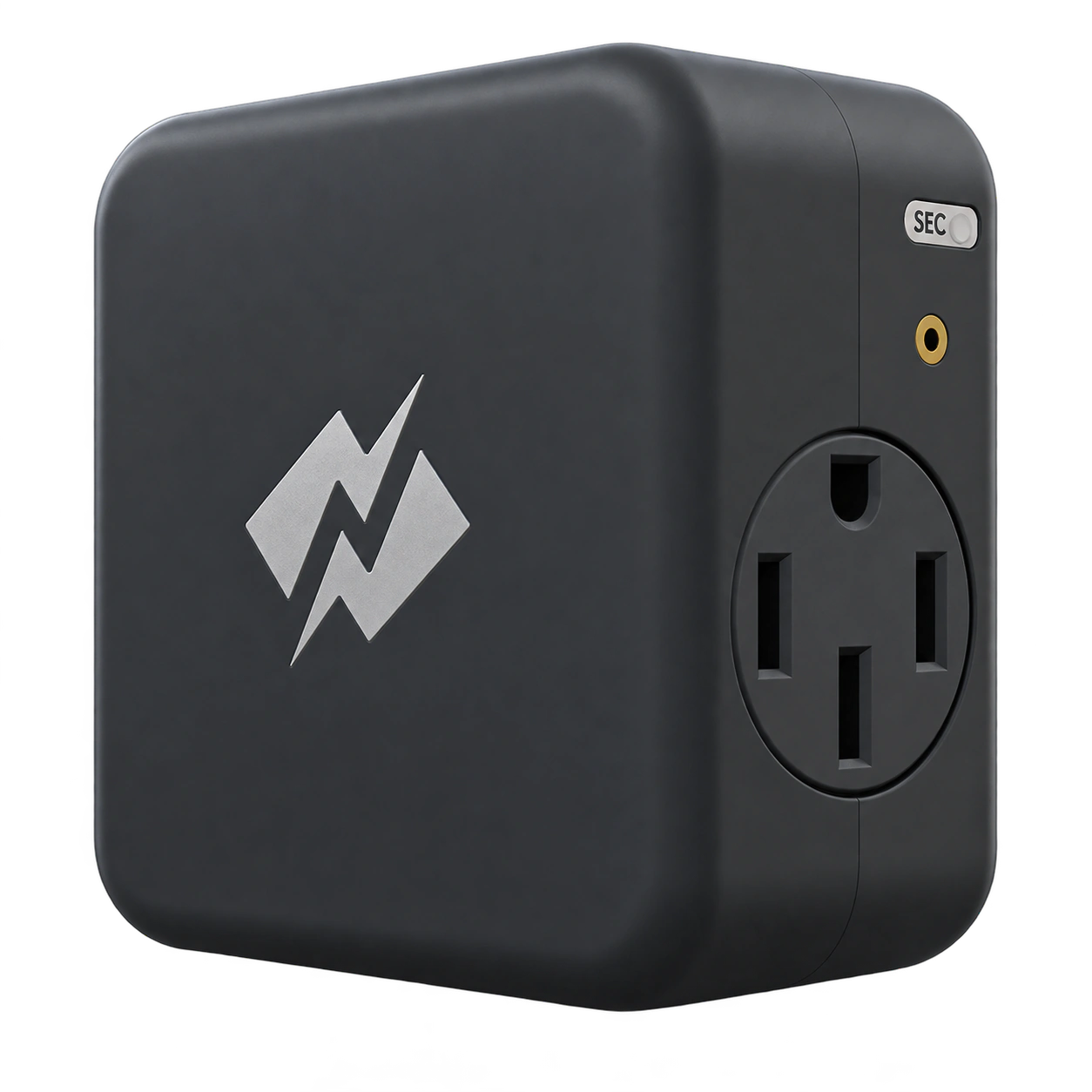
Compare DCC-9, DCC-10, EVEMS, dynamic charger load management, NeoCharge Smart Splitter, and panel upgrades for Canadian EV charging on 100A or 125A panels.
