


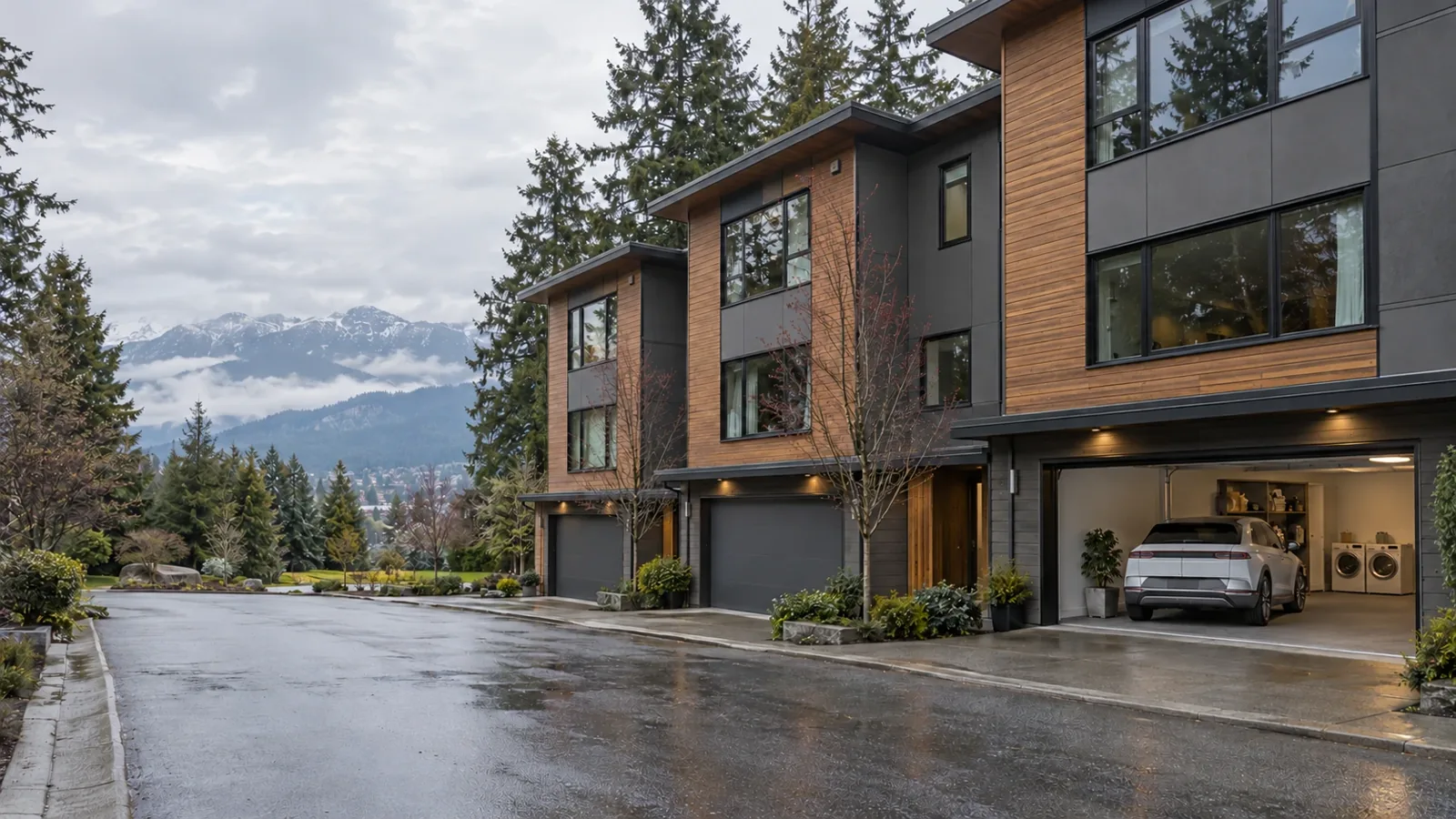

Burnaby EV Charger Installation
Burnaby EV charging by home type: share a dryer outlet instead of a panel upgrade, City permits, BC Hydro's $350 + $200 rebates, and strata right-to-charge.
NeoCharge Blog · Author
Burnaby EV charging by home type: share a dryer outlet instead of a panel upgrade, City permits, BC Hydro's $350 + $200 rebates, and strata right-to-charge.
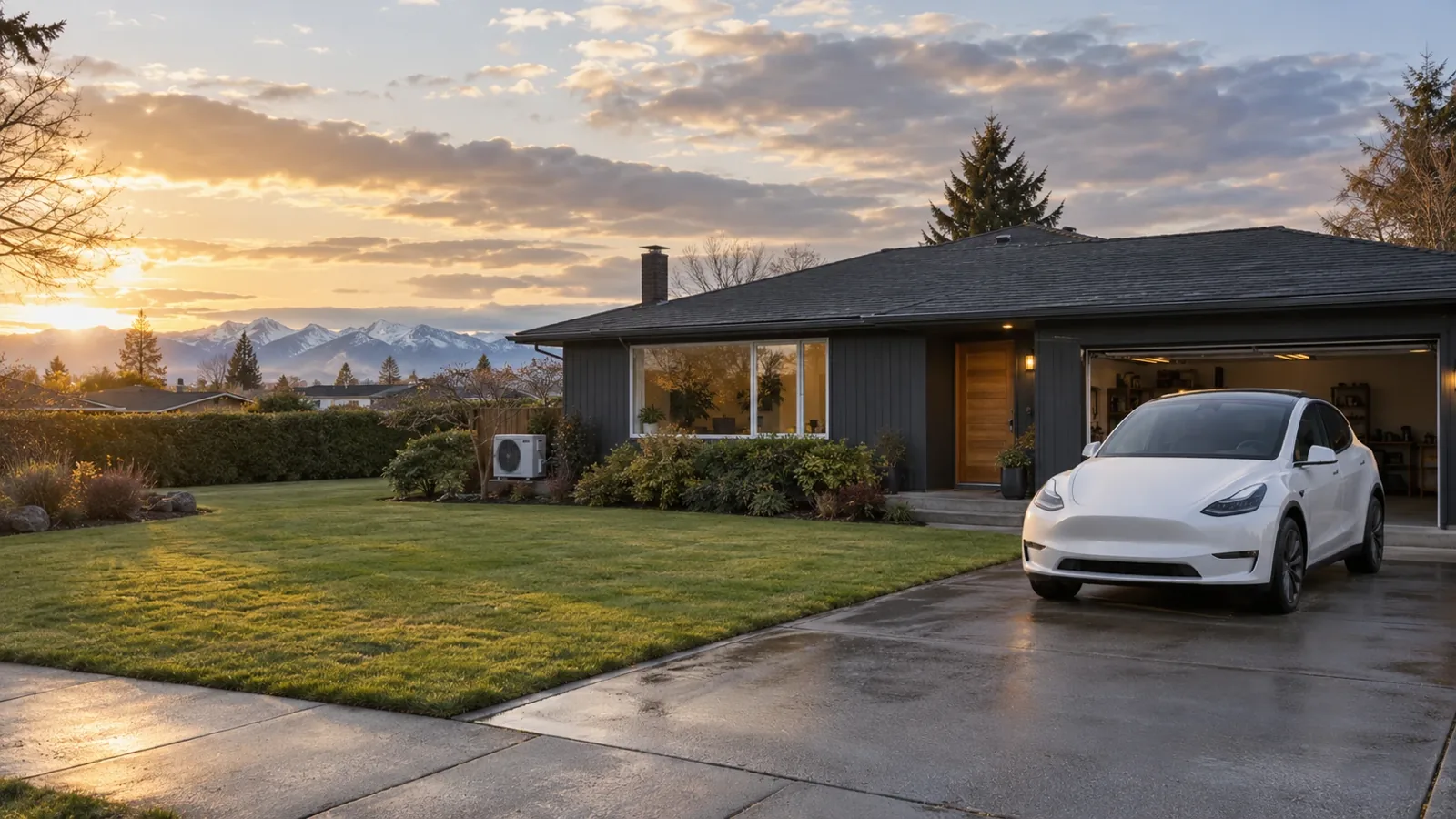
Richmond EV charger installation: Technical Safety BC permit fees, the 2018 EV-ready rule, BC Hydro's $350 + $200 rebates, and room for a heat pump.
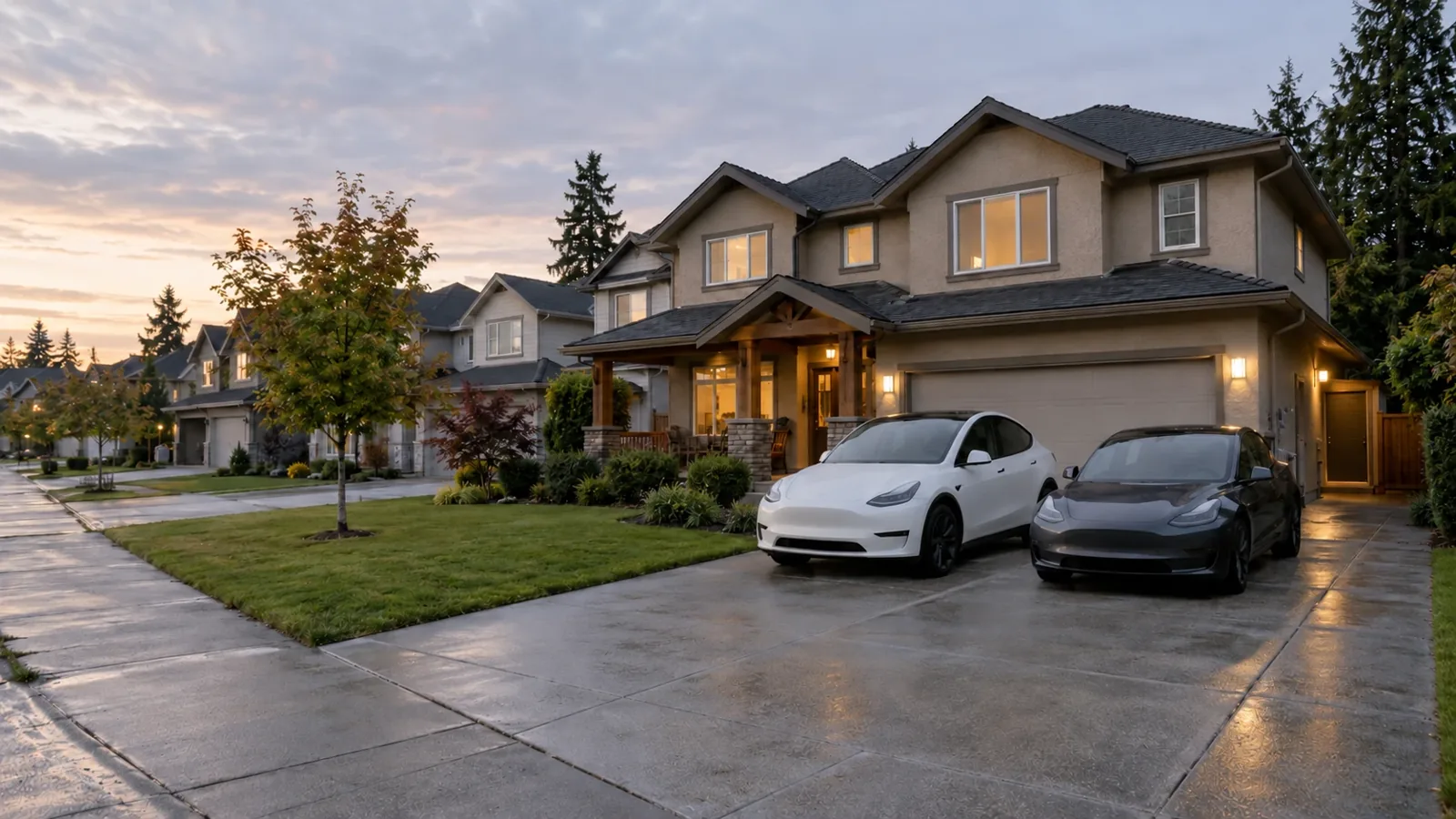
Add Level 2 charging in Surrey without a panel upgrade: City of Surrey permit steps, BC Hydro's $350 + $200 rebates, suited-house load math, and overnight costs.
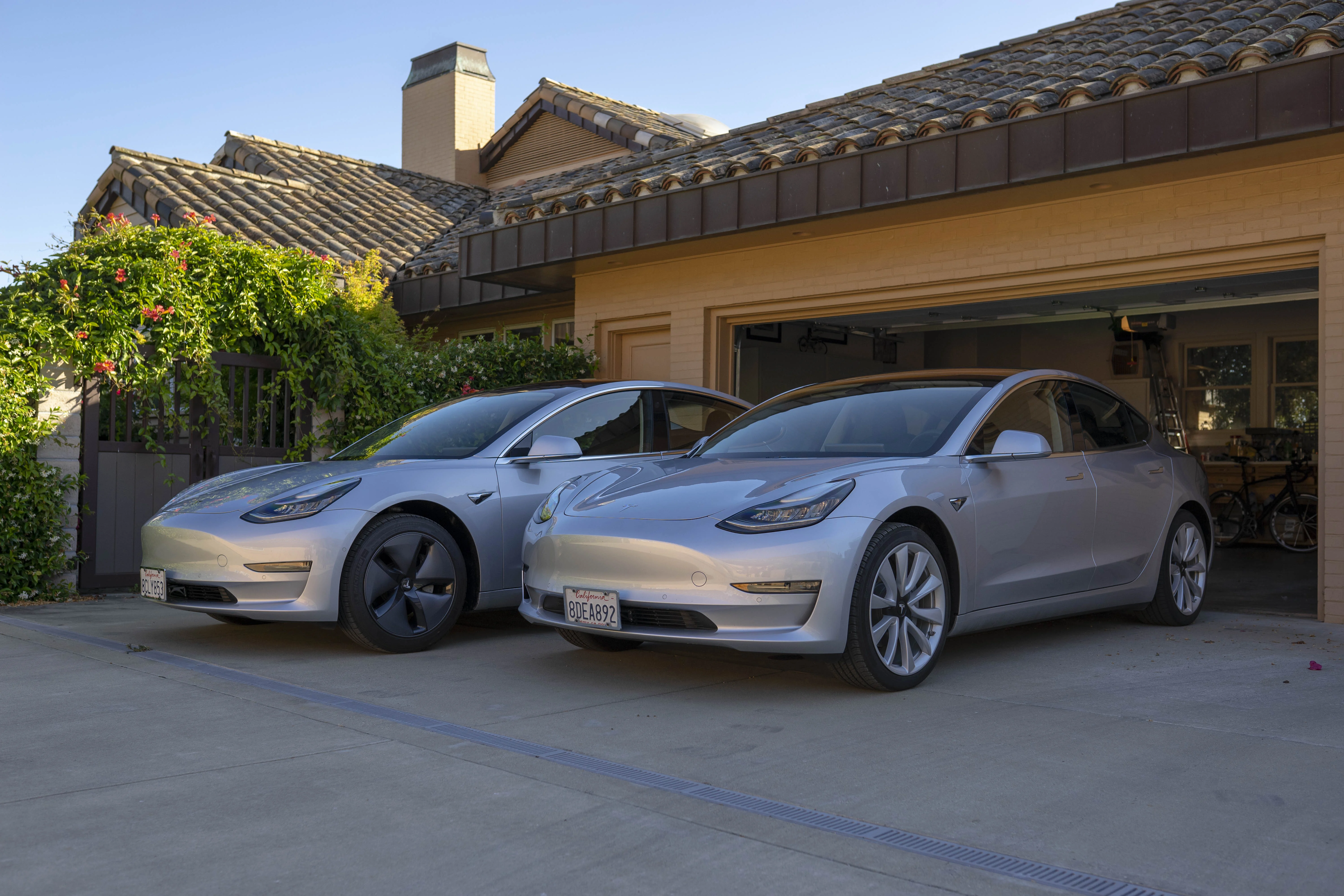
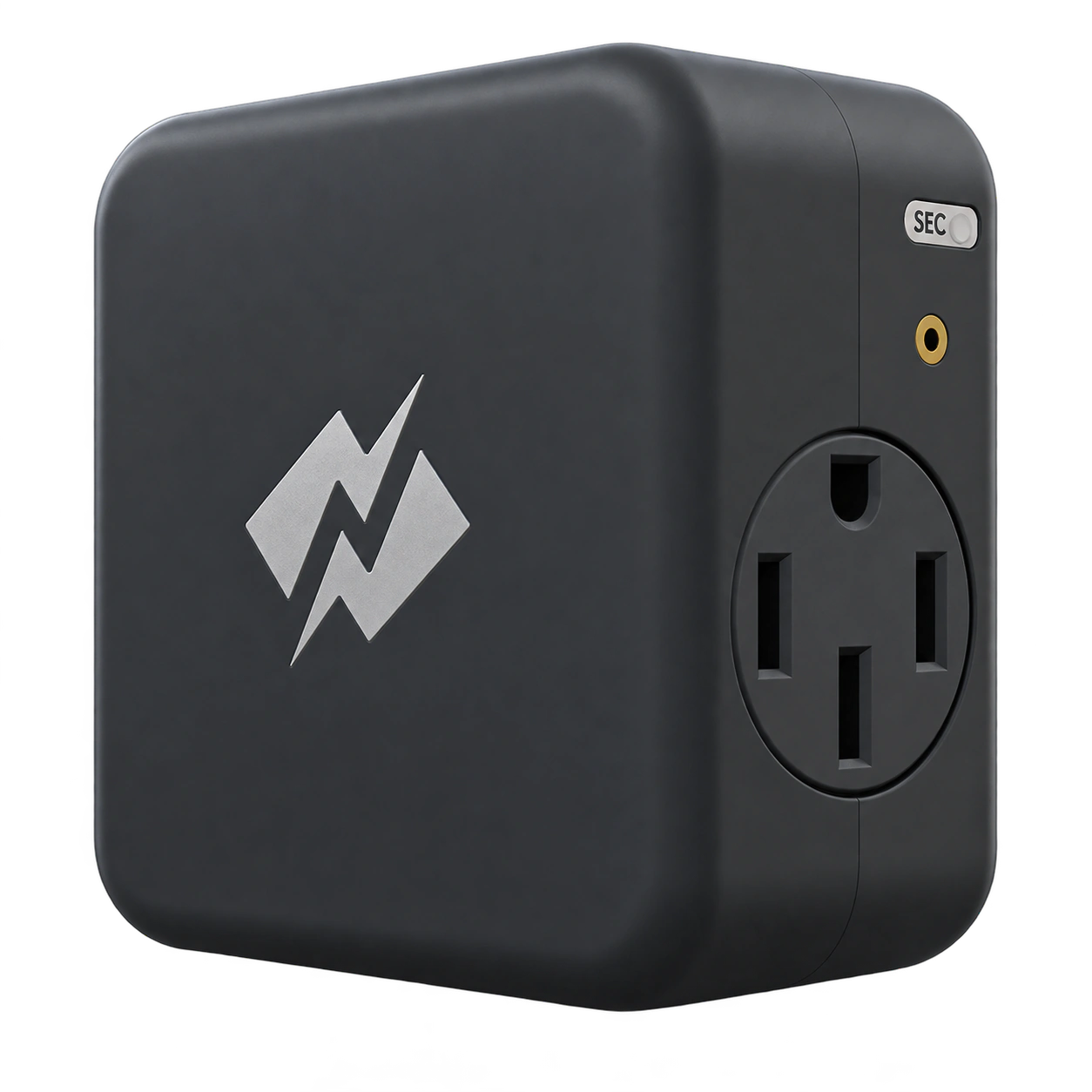
One 50A circuit adds about 360 km overnight, enough for two commutes. What the Canadian Electrical Code allows, permits by province, BC Hydro rebates, and options.

BC Hydro pays $200 extra for an eligible EV power management device. The Sept 2026 device list, which chargers qualify, and the permit rule that decides who gets it.

A full Tesla charge at home costs about $6 to $17 in Canada, depending on your province. Supercharger rates, Ontario ULO overnight math, and cost per 100 km.


Can you charge an EV from a dryer outlet in Canada? Learn NEMA 14-30, NEMA 10-30, 24 amp charging, Tesla adapters, safety, and Smart Splitter options.

Can you install an EV charger without a panel upgrade in Canada? Compare 100 amp panels, Level 2 charging, dryer outlets, load management, and rebates.
Learn EV charging best practices for battery life, home safety, off-peak savings, fast charging, 80% limits, Level 2 charging, and panel upgrades.
Compare DCC-9, DCC-10, EVEMS, dynamic charger load management, NeoCharge Smart Splitter, and panel upgrades for Canadian EV charging on 100A or 125A panels.
Kelowna and Okanagan home EV charging guide: how FortisBC's Power Hours Rewards Program pays you to charge outside the 4–9 p.m. peak, why your NEMA 14-30 dryer outlet + Smart Splitter beats a...
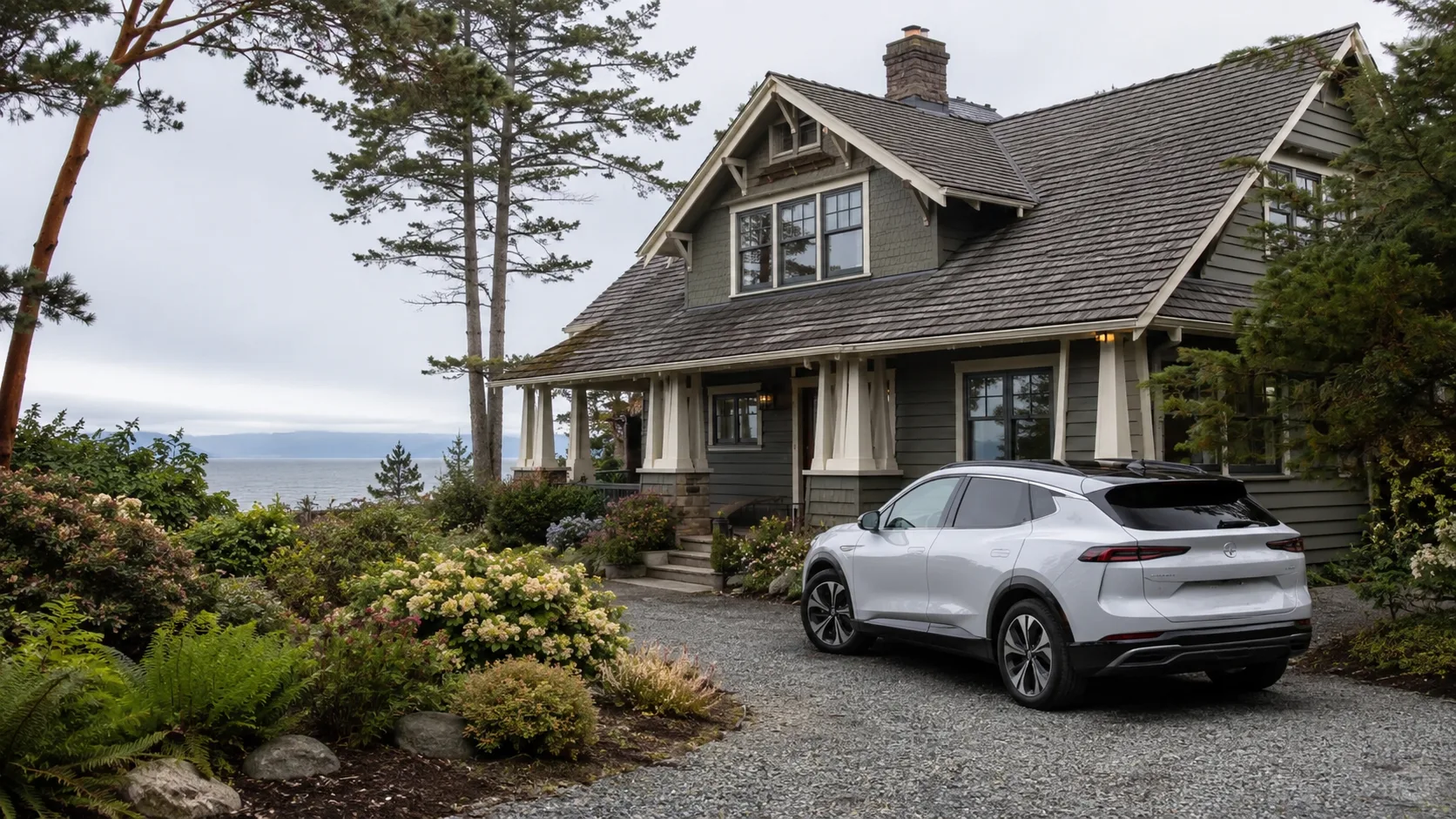
Victoria and Vancouver Island home EV charging guide: Smart Splitter $399 CAD at checkout, $199 after the app refund, plus BC Hydro's $200 device top-up (vs $3,000–$8,000 panel upgrade). Use your NEMA...
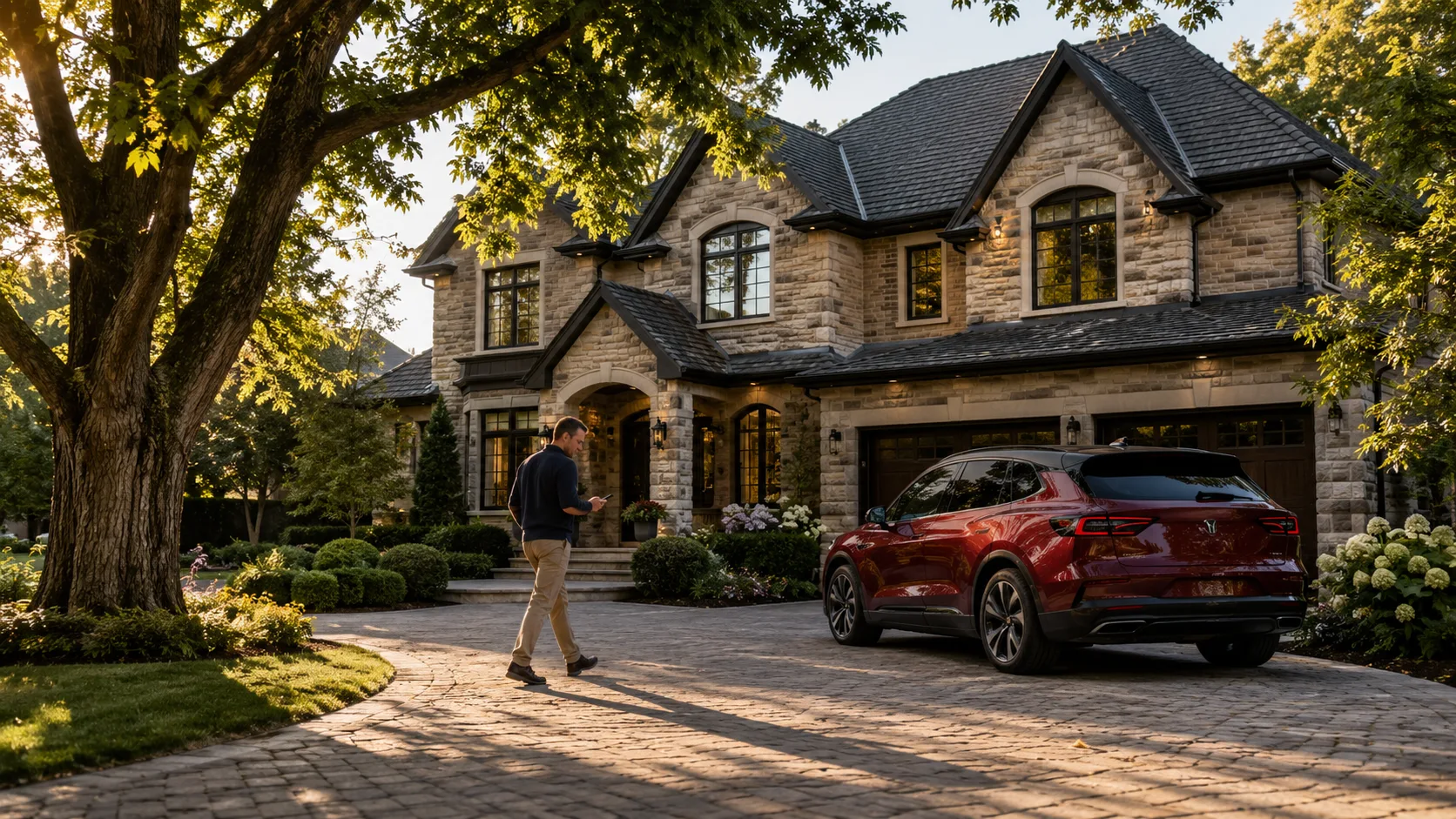
Hamilton, Burlington & Oakville home EV charging guide: switch to Ontario's ULO rate (3.9¢/kWh overnight vs 39.1¢/kWh on-peak), use your NEMA 14-30 dryer outlet with a Smart Splitter, skip the...

Kitchener-Waterloo home EV charging guide: switch to Ontario's ULO rate (3.9¢/kWh overnight, vs 39.1¢/kWh on-peak), use your NEMA 14-30 dryer outlet with a Smart Splitter, skip the $3,000–$8,000 panel...

Ottawa-Gatineau home EV charging guide: which rate plan applies to your side of the river. Ottawa-side ULO at 3.9¢/kWh, Gatineau-side Hydro-Québec Flex D and Écorecharge $600 grant, Smart Splitter math,...

Quebec City home EV charging guide: claim the $600 Écorecharge grant (connected charging only from April 1, 2026), avoid the Hydro-Québec Flex D winter peak trap, charge from your NEMA 14-30 dryer outlet...
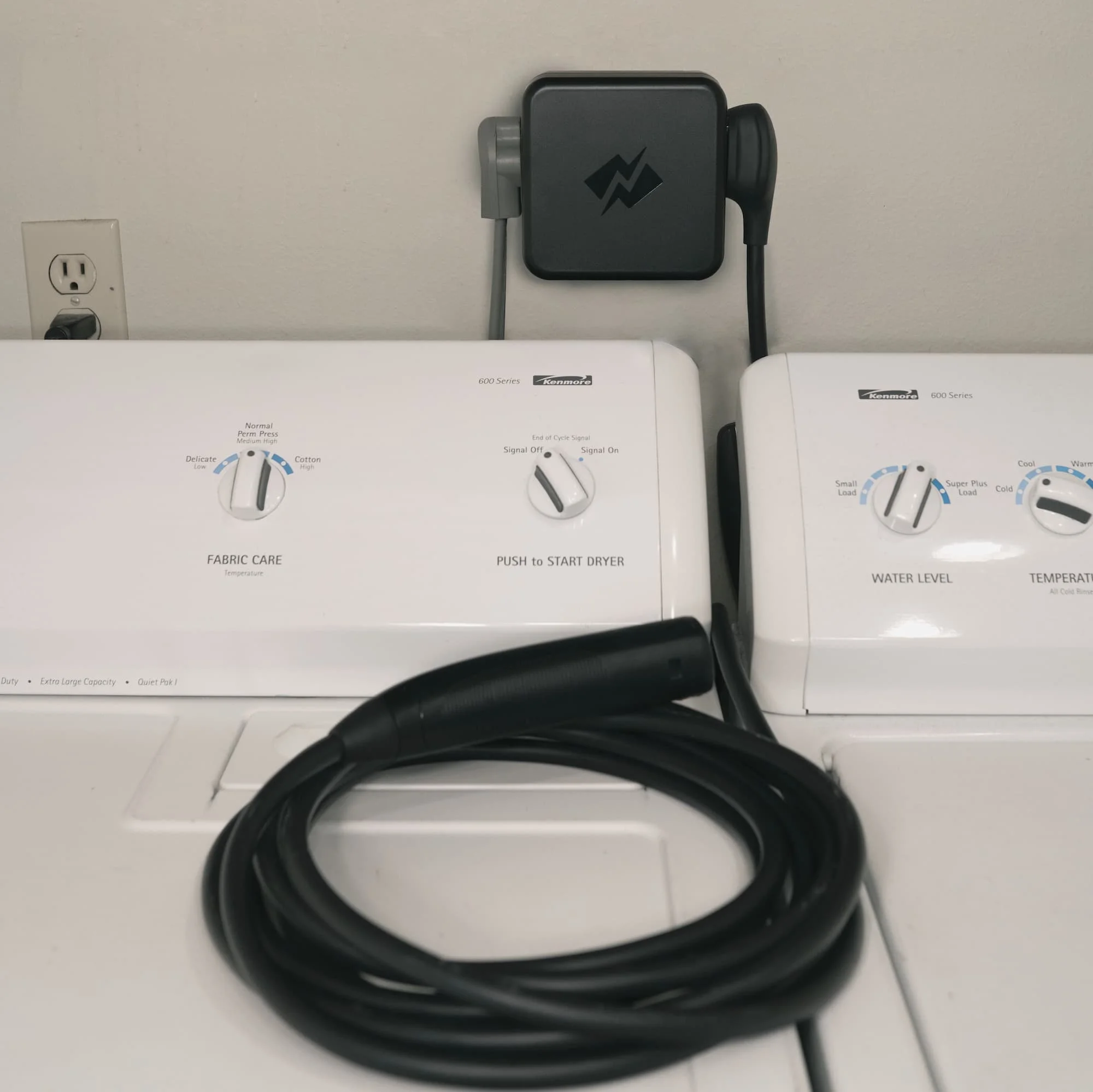
Canada NEMA 14-30 dryer outlet EV charging guide: 24A charging, Smart Splitters, BC Hydro power management, Ontario ULO rates, Quebec winter peaks, and Smart Splitters from $399 CAD.

Montreal home EV charging guide: Hydro-Québec residential rates, Flex D winter peak events (Dec 1–Mar 31), NEMA 14-30 dryer outlet Level 2 charging, NeoCharge Smart Splitter pricing, and panel-upgrade...
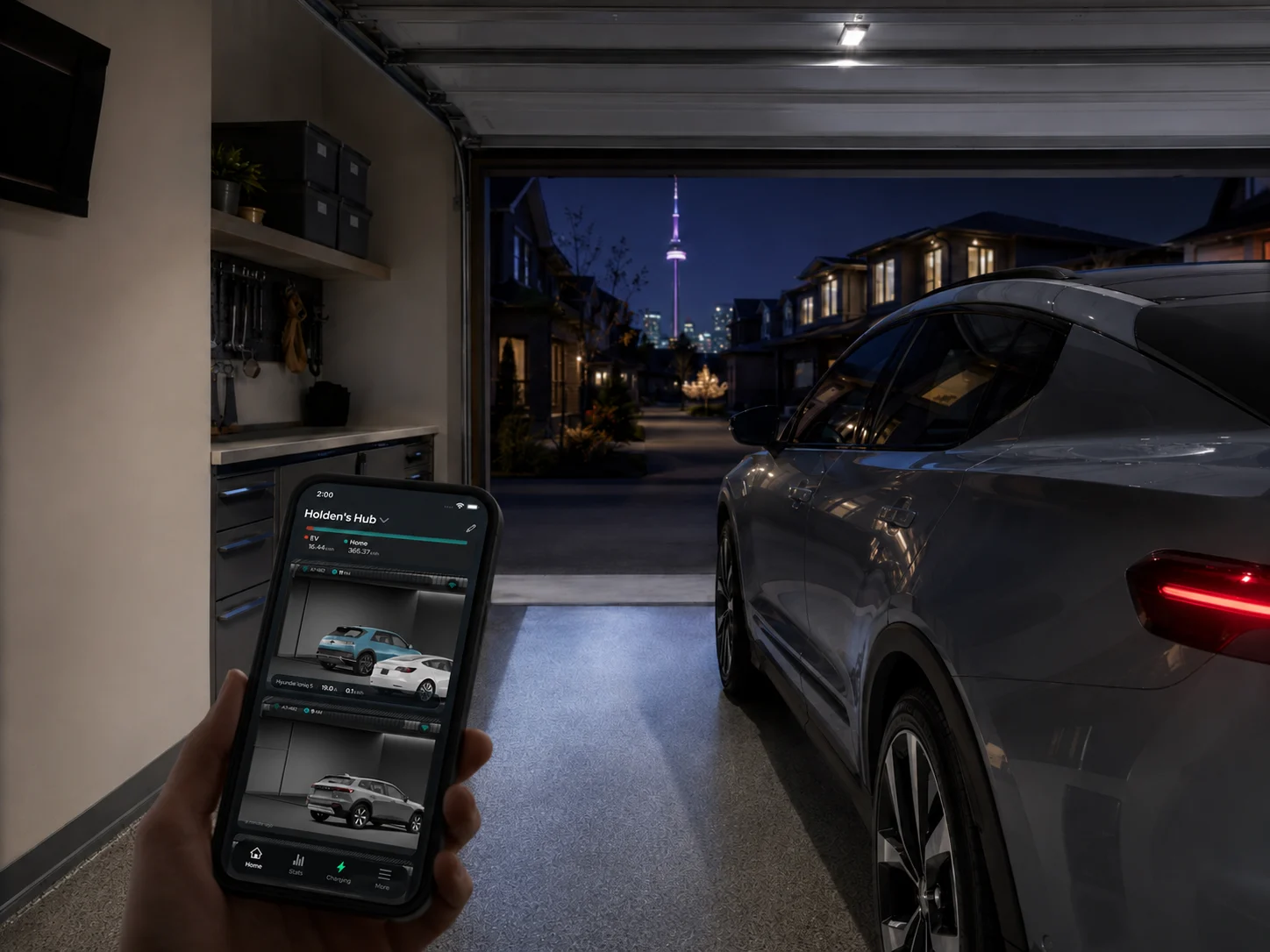
Toronto home EV charging guide: ULO math (30 kWh costs $1.17 overnight vs $11.73 on-peak), NEMA 14-50 vs 14-30 dryer outlets, NeoCharge Smart Splitters, and how to skip a $3,000+ panel upgrade in the GTA.
Vancouver home EV charging guide: BC Hydro rebates, NEMA 14-30 dryer outlet sharing, NeoCharge Smart Splitter cost ($399 CAD at checkout, $199 after the app refund, plus BC Hydro's $200 device top-up),...
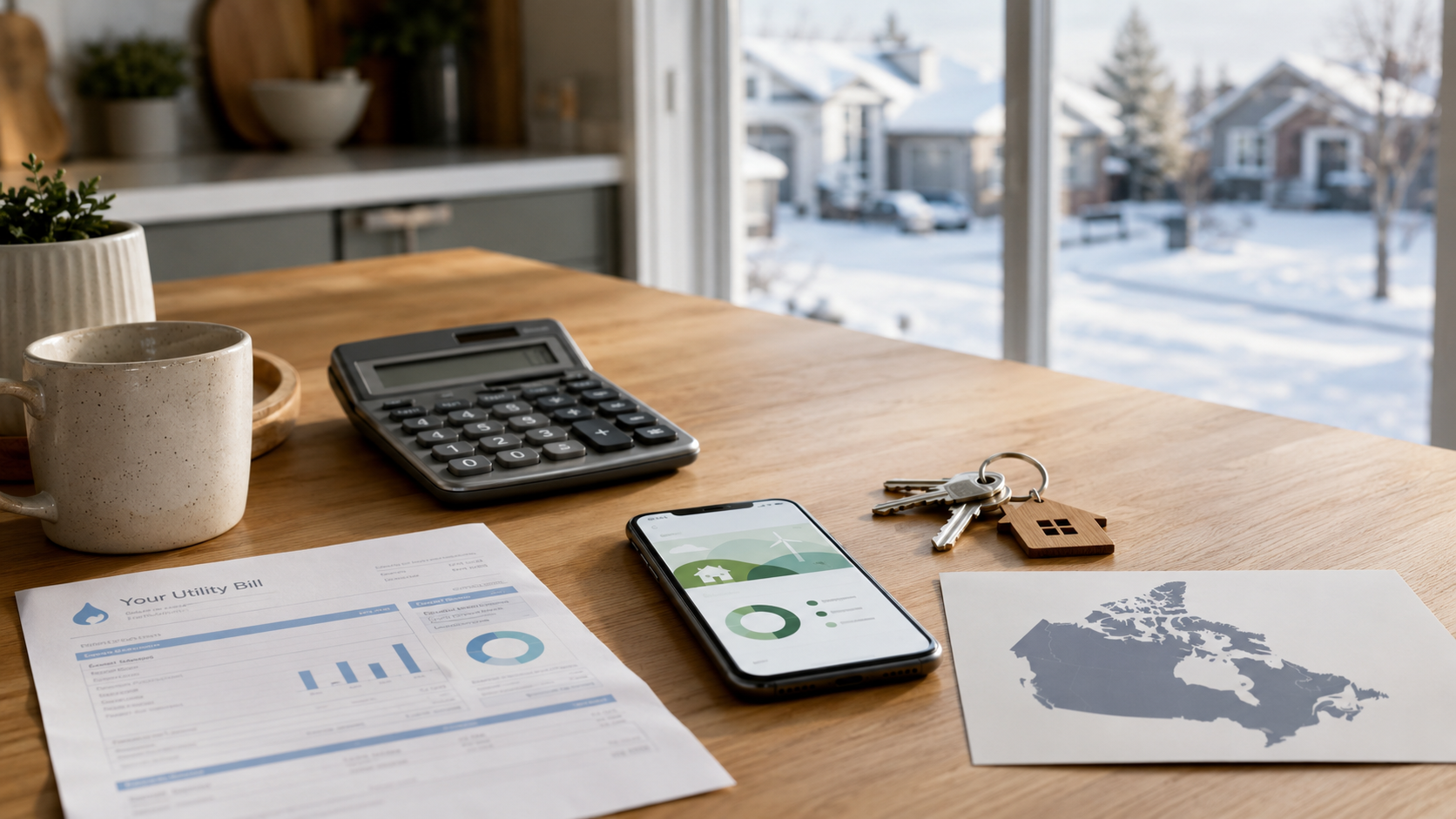
The 2026 Canadian home EV charging playbook: BC Hydro $200 power-management offer, Ontario ULO at 3.9¢/kWh, Quebec $600 Écorecharge, NEMA 14-30 dryer outlets, and Smart Splitters from $399 CAD.
Quebec home EV charging guide: the $600 Écorecharge grant (connected-only from April 1, 2026), Hydro-Québec Flex D winter peak events, NeoCharge Smart Splitter dryer outlet sharing, and panel-upgrade...

Ontario home EV charging guide: Ultra-Low Overnight at 3.9¢/kWh from 11 p.m.–7 a.m. vs 39.1¢/kWh on-peak, NEMA 14-30 and 14-50 outlets, NeoCharge Smart Splitters, and panel-upgrade alternatives.
Add Level 2 home EV charging in B.C. without a panel upgrade. BC Hydro's $200 EV power-management offer, 11 p.m.–7 a.m. time-of-day rate, NeoCharge Smart Splitter math, and CleanBC's $350 charger rebate.
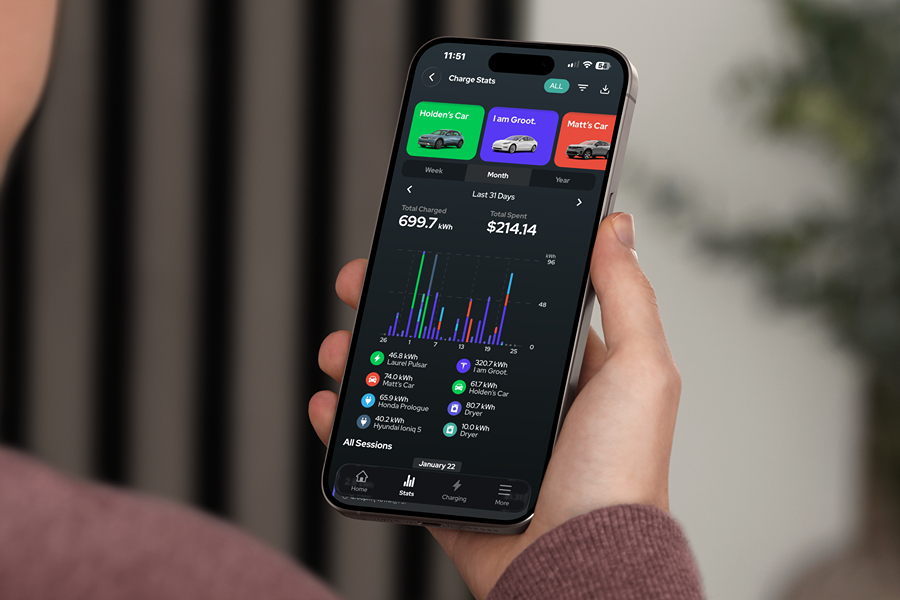
At the US average 18.3¢/kWh, home EV charging costs about 5.7¢ a mile, or $57 a month for 1,000 miles. Your state's cost, a calculator, and off-peak savings.
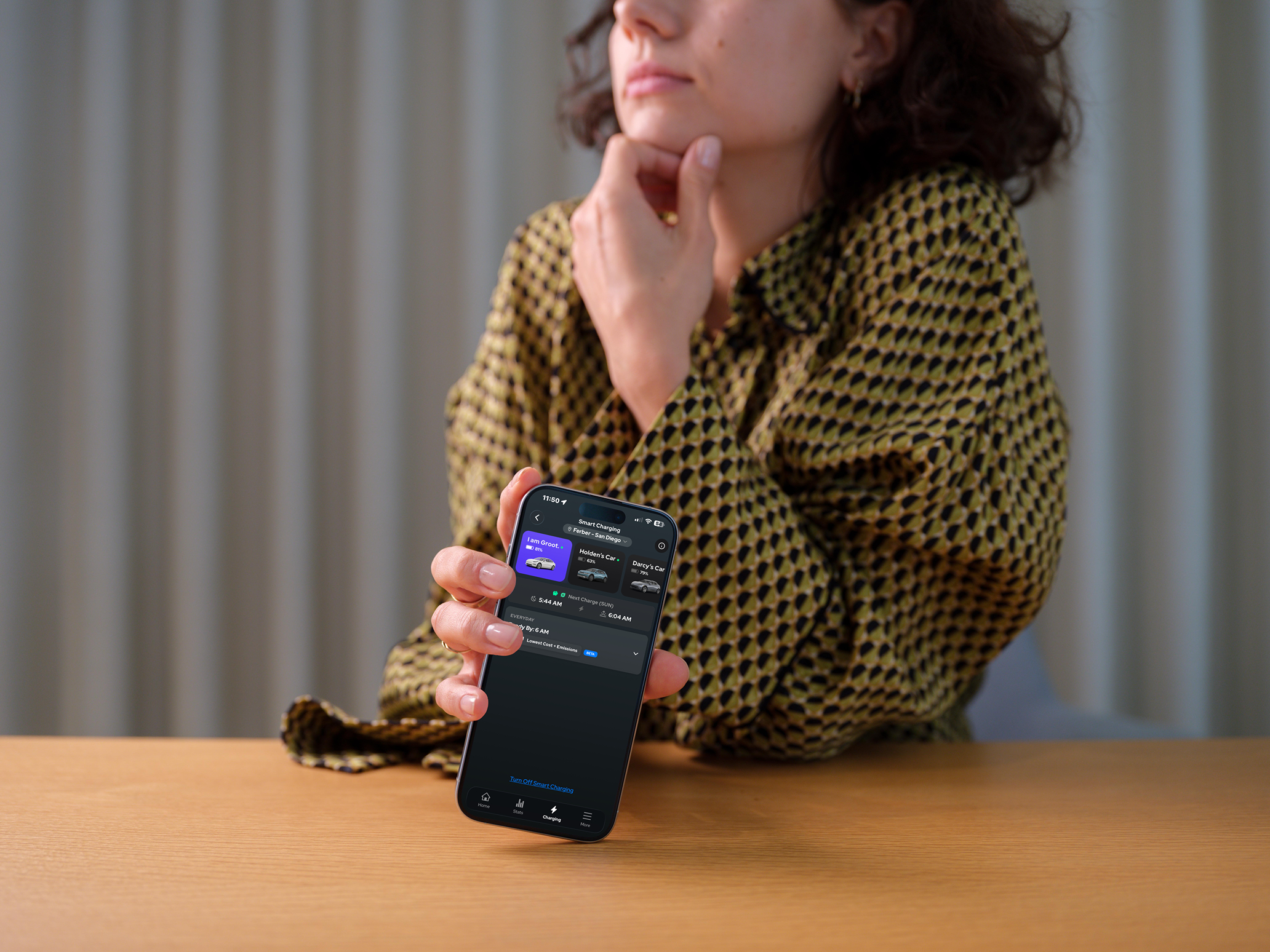

Learn how to schedule EV charging during off-peak hours and save $30-80/month on electricity. Step-by-step guide with real savings examples.

Learn how bidirectional EV charging works in 2026, including V2H home backup, V2G grid export, V2L portable power, solar integration, hardware requirements, runtime math, and buyer questions.

Learn the difference between demand charges and time-of-use (TOU) rates for home EV charging, how to tell what you’re on, and practical steps to reduce peak costs and charge cheaper overnight.
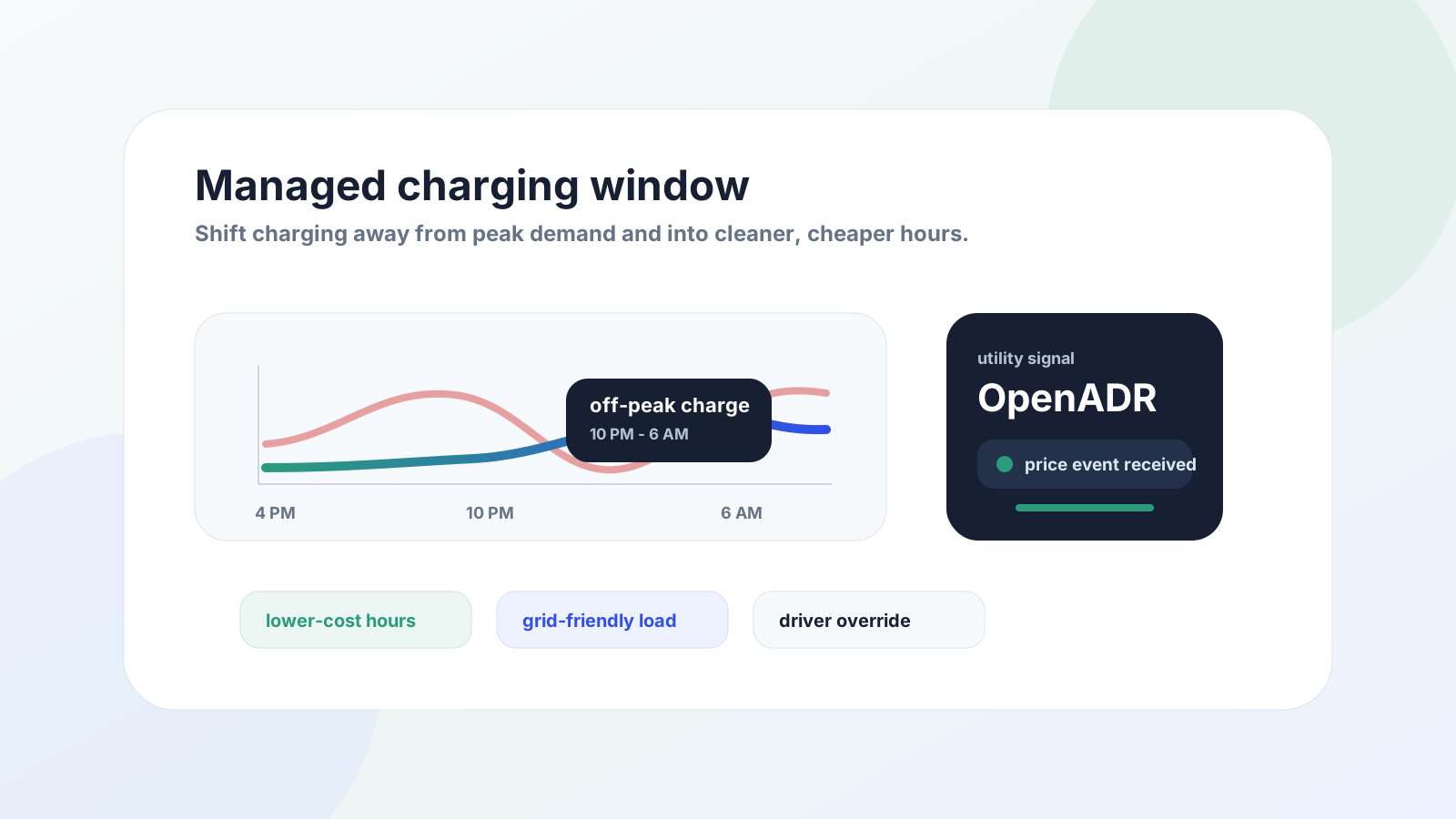
Managed (smart) EV charging programs help drivers charge off-peak to save money and support the grid. Learn how they work, what OpenADR signals mean, and how to enroll.
EV charging is typically a continuous load. Learn the NEC 625 125% sizing concept in plain English, common breaker pairings (32A→40A, 40A→50A), and safety tips for homeowners.

Can you charge an EV on a NEMA 6-20 outlet? Yes—learn typical speed (16A continuous), safety considerations, and how to get the most savings by charging off-peak.
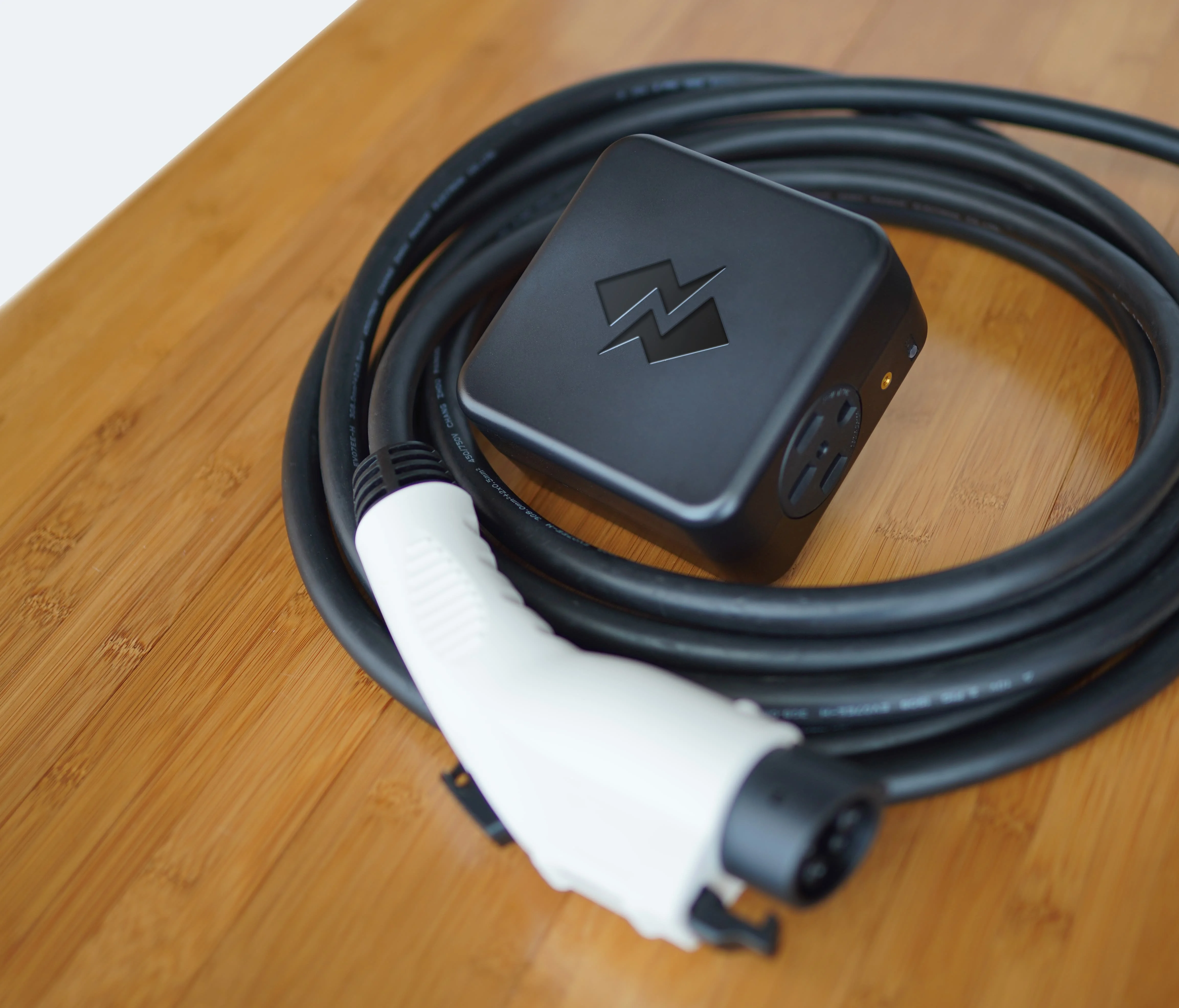
Need Level 2 charging but worried about a panel upgrade? Compare Smart Splitter outlet sharing vs EV energy management (EVEMS) vs a full panel upgrade—with a simple decision tree.
The federal 30C charger credit ended June 30, 2026. Where EV charger money is now: utility smart charging programs and state incentives, plus a checklist.

A NEMA 10-30 dryer outlet can work for EV charging—but grounding and adapter safety matter. Learn the 24A guideline, key risks, and safer alternatives.

Off-peak hours depend on your utility’s TOU rate plan (and seasons/weekends). Here’s how to find your schedule, turn it into a charging rule, and save money.

TOU rates change by hour—so EV charging cost estimates can be wrong. Learn the simple kWh×rate method, why bills differ, and how TOU-aware scheduling helps.
A practical checklist to pick the best TOU rate plan for EV charging: compare peak/off-peak windows, seasonal schedules, fees, and estimate real savings.
Confused about EV charger breaker size and wire gauge? Learn how the 125% continuous-load rule maps 32A→40A, 40A→50A, and 48A→60A.
Use this simple calculator to estimate EV charging cost per mile using your $/kWh and mi/kWh, plus tips to save money with off-peak TOU smart charging.
NEC 625 treats EV charging as a continuous load. Learn what EVEMS/EMS means and how load management can help you add Level 2 charging without a panel upgrade.
Can you charge an EV from a NEMA 14-30 dryer outlet? Yes, if the circuit is safe and charging is limited to about 24A. Learn speed, safety, adapters, and Smart Splitter options.
J1772 is the Level 2 plug on most non-Tesla EVs, CCS adds DC fast-charging pins, and NACS (J3400) is Tesla's plug other brands now use. Which adapter you need.
Charging an EV in an apartment or rental is possible—even without a dedicated garage circuit. Here are 7 practical options, how to make the landlord ask easy, and resources for multi-unit dwelling EV...
What do OCPP and OpenADR actually do—and do they matter for home EV charging? Learn the key smart charging standards, what problems they solve, and what homeowners should look for in 2026.
You usually don't need one, and a household cord is never OK. If you do, use a heavy-duty cord matched to the circuit: 10 AWG min on 30A, 6 AWG on 50A.
GFCI breaker requirements for EV charging can be confusing—and nuisance trips are common. Here’s what GFCI does, why some EV chargers trip GFCI breakers, and practical options (including hardwiring) to...
Level 1 vs Level 2 EV charging explained with real-world speeds: miles per hour, typical kW, and when you actually need a 240V charger. Includes practical sizing tips and code-aware safety notes.
A practical guide to TOU electric rates and smart EV charging: how to estimate your cost per mile, pick the right schedule, and avoid peak pricing—without sacrificing convenience.
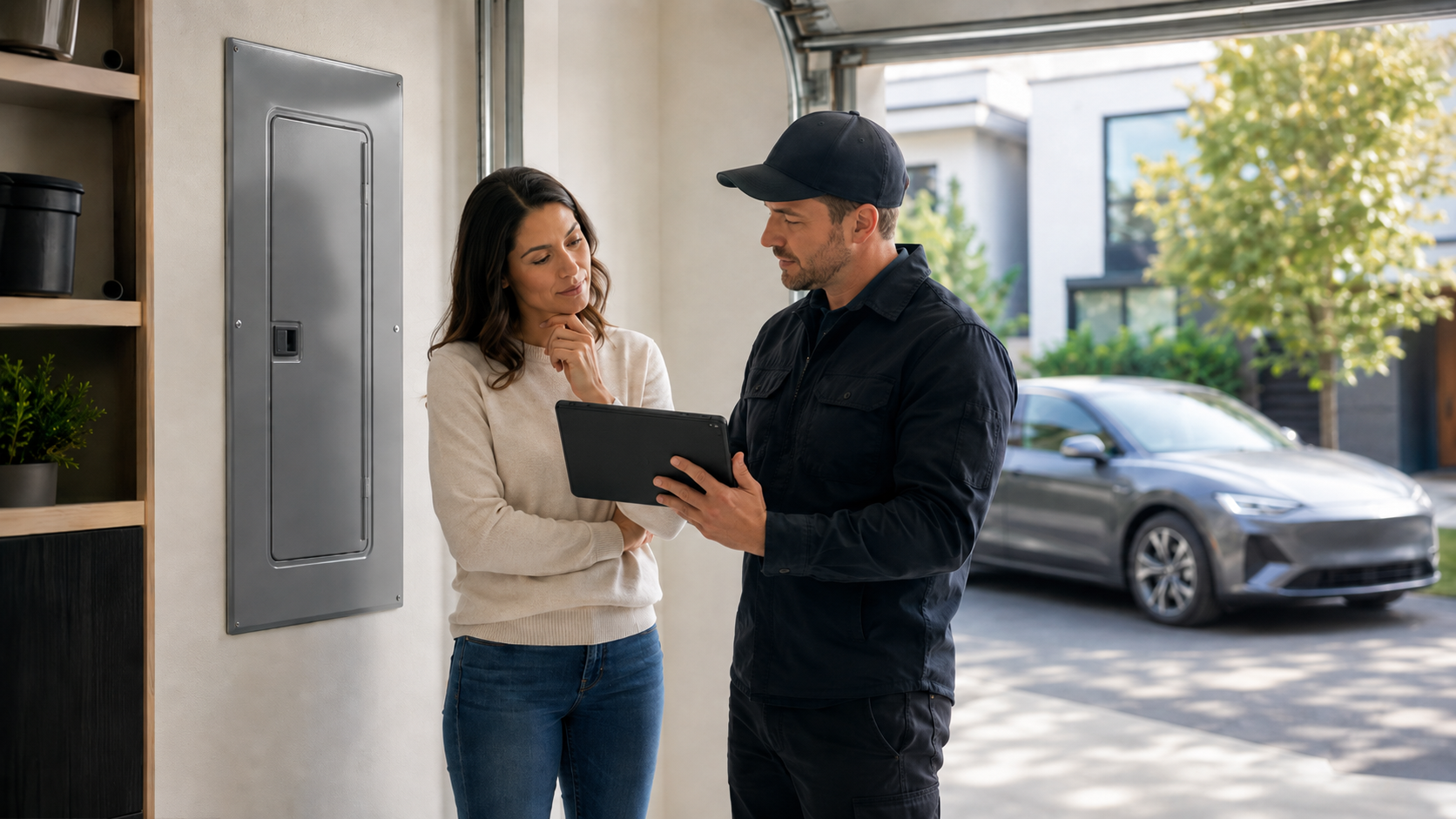
Think you need a costly panel upgrade to add Level 2 EV charging? Not always. Learn the practical options: lower-amp charging, scheduling, and load management (including smart splitters) to add EV...
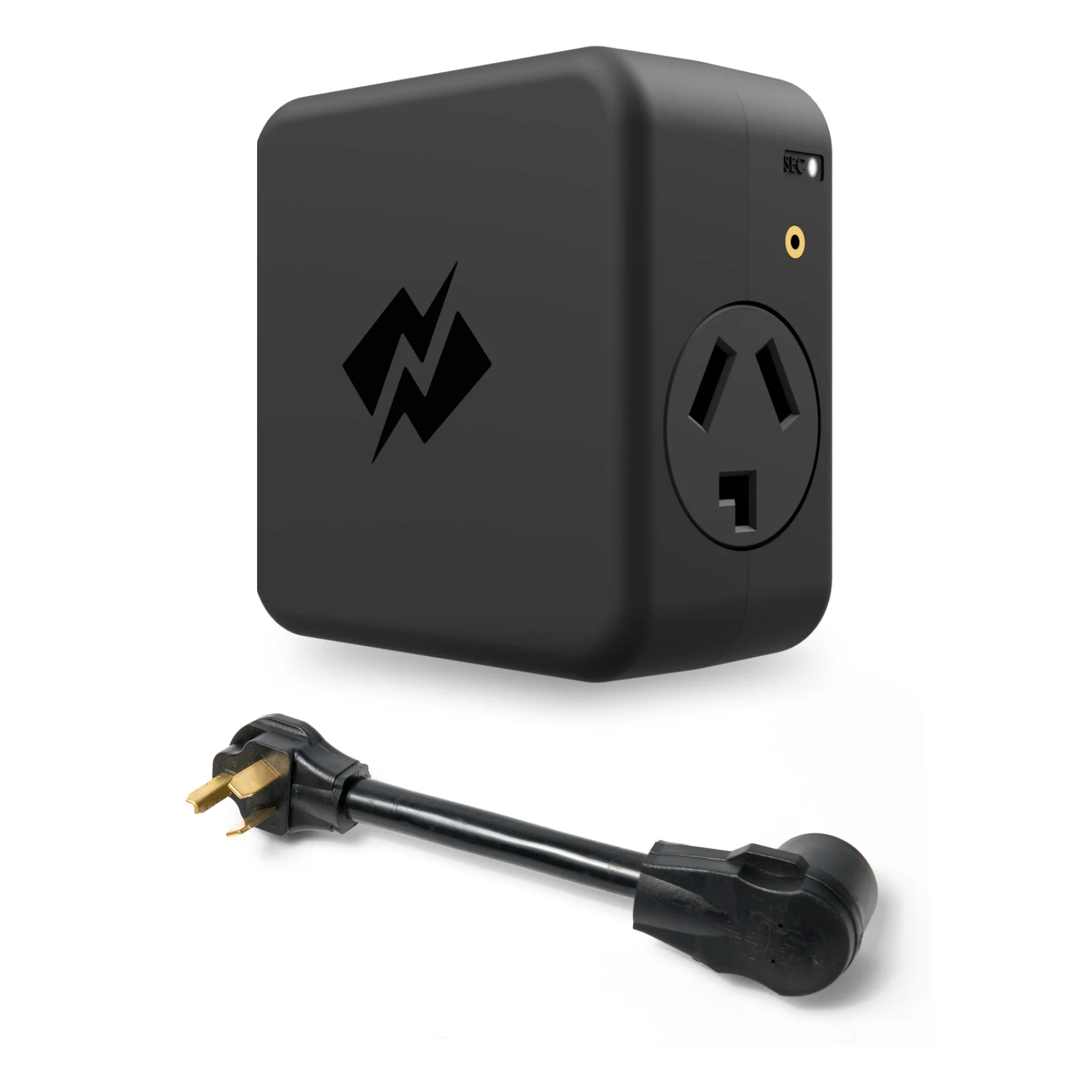
A NEMA 14-50 has four wires including a neutral; a 6-50 has three and no neutral. How to tell them apart, which EV chargers use each, and which to install.
Most US homes pay $1,000 to $2,600 for a Level 2 install, and a panel upgrade adds $2,000 to $5,000. What drives the price and the $399 way to skip a new circuit.
A dryer outlet splitter lets an EV or Tesla share your NEMA 14-30 dryer outlet. Compare automatic, manual and Y-splitters, chargers, cost, and permits.
One 50A circuit adds about 230 miles overnight, enough for two EV commutes. Compare smart splitters, power-sharing chargers, dual-port units, and a second circuit.
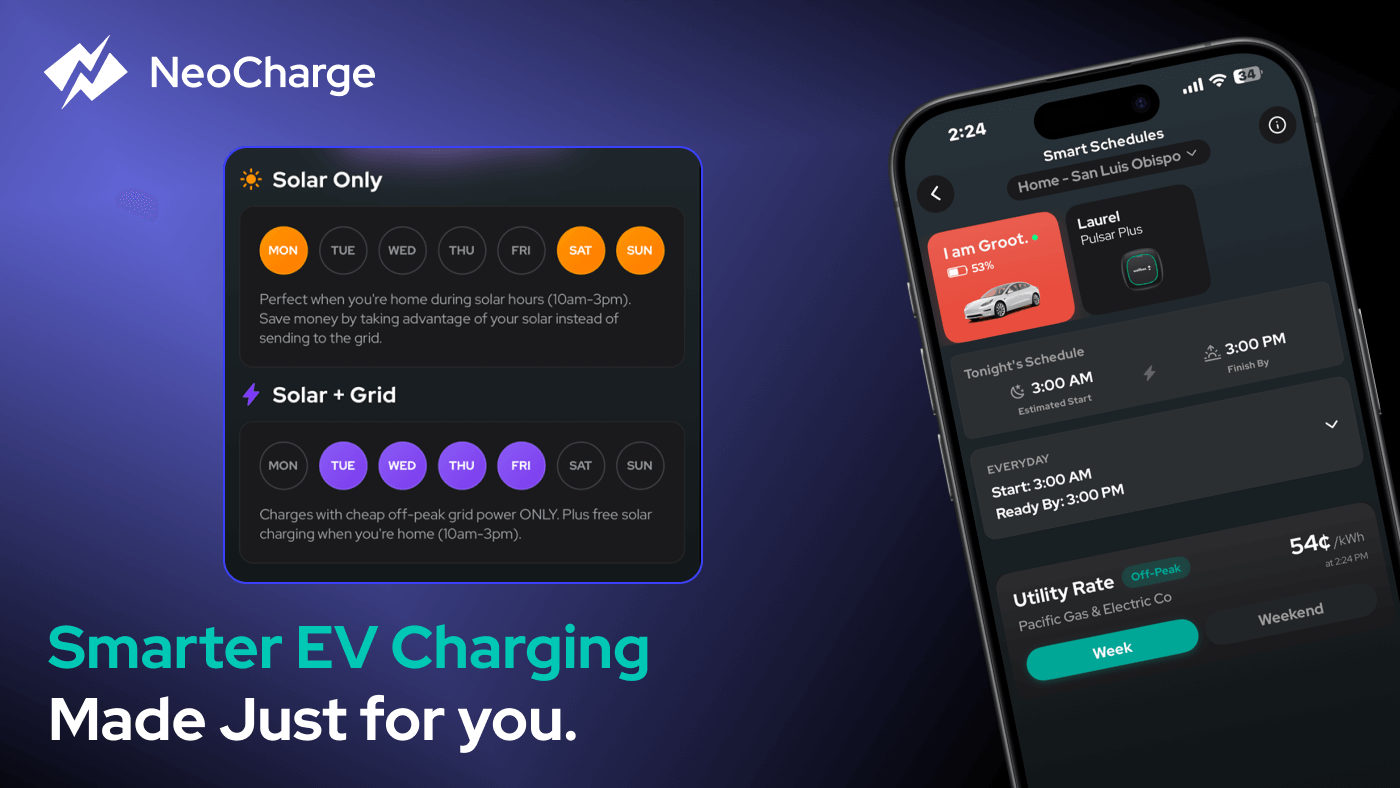
Stop paying peak rates for home EV charging. Set an EV Charging schedule for auto savings. Saves you hundreds per year on your utility bill.
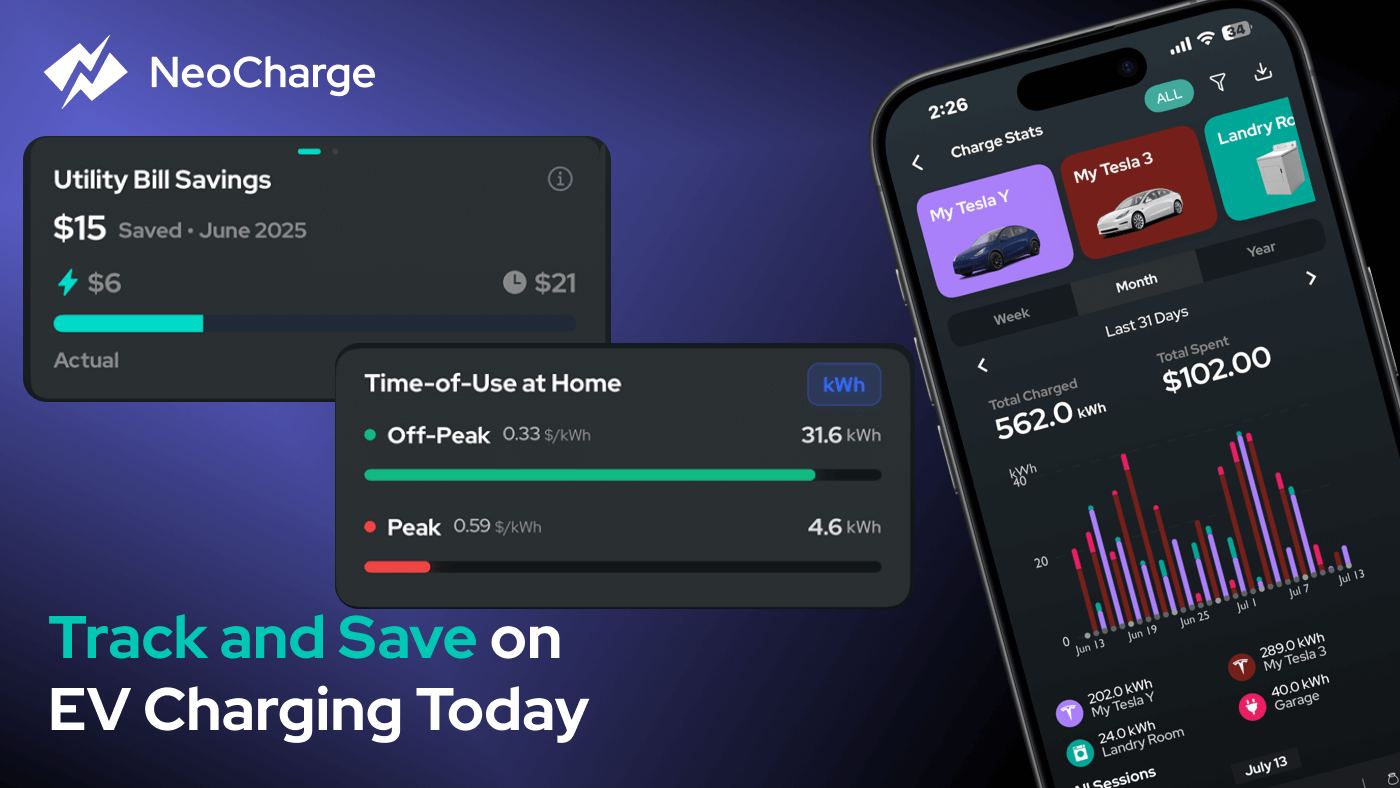
Add your utility plan (or custom TOU) in NeoCharge and automate off-peak EV charging for exact costs and home energy tracking—no hardware required.
The NeoCharge App: The ultimate smart EV charging app now here. Optimize charging, save money, and track your EV charging costs. Connect 14+ EV brands.
What outlet an EV charger needs: a 120V 5-15 or 5-20 for Level 1, or a 240V NEMA 14-50, 6-50 or 14-30 for Level 2, plus code rules and outlets to avoid.
Yes: a 30A dryer outlet safely charges an EV at 24A, about 20 miles an hour. What makes it safe, what to avoid, Tesla Mobile Connector setup, and permit rules.
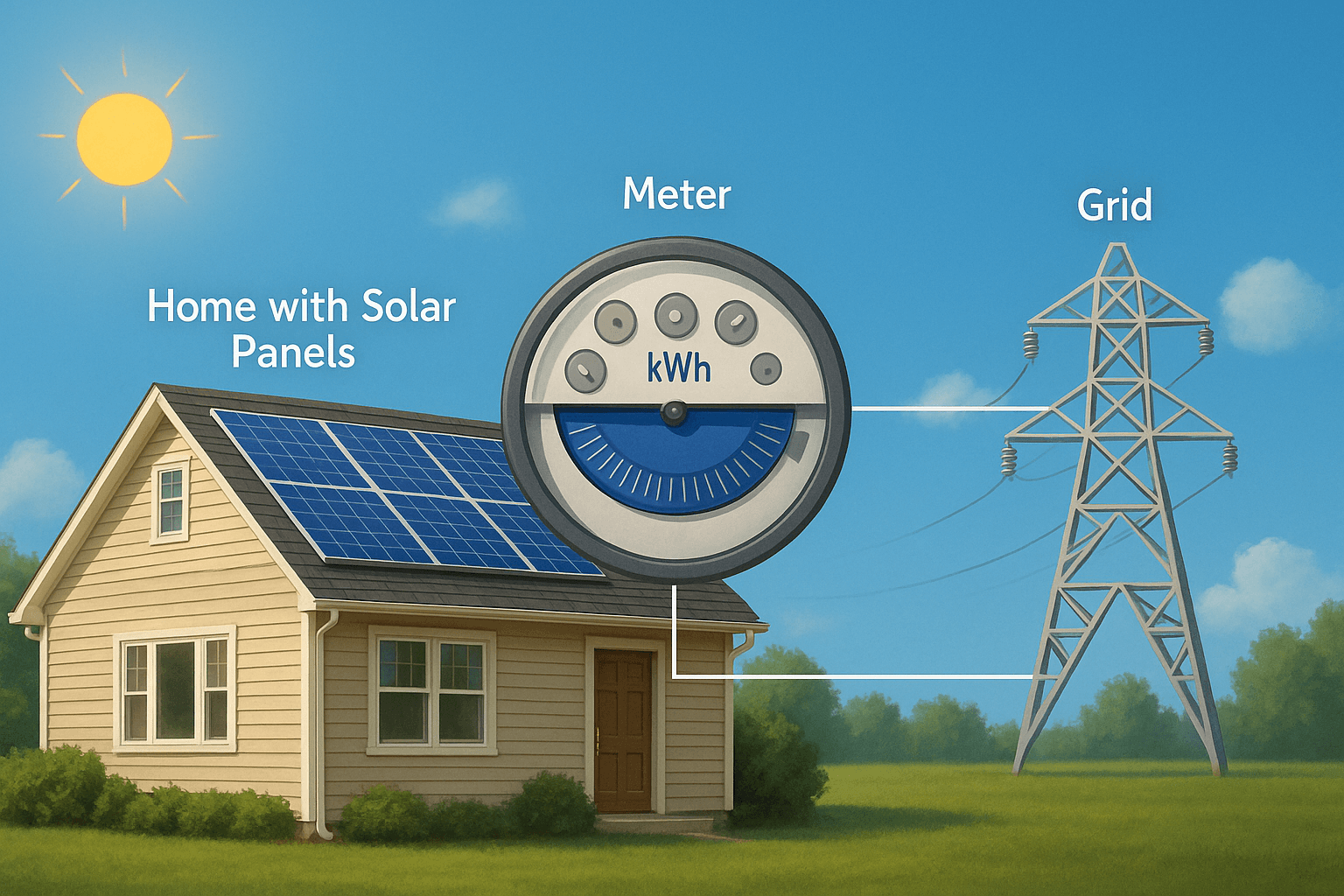
PG&E's NEM 3.0 cut solar credits by 75%, but EV owners can still save $1,000+ annually with smart charging. Learn about PG&E net metering 2025 to save more.
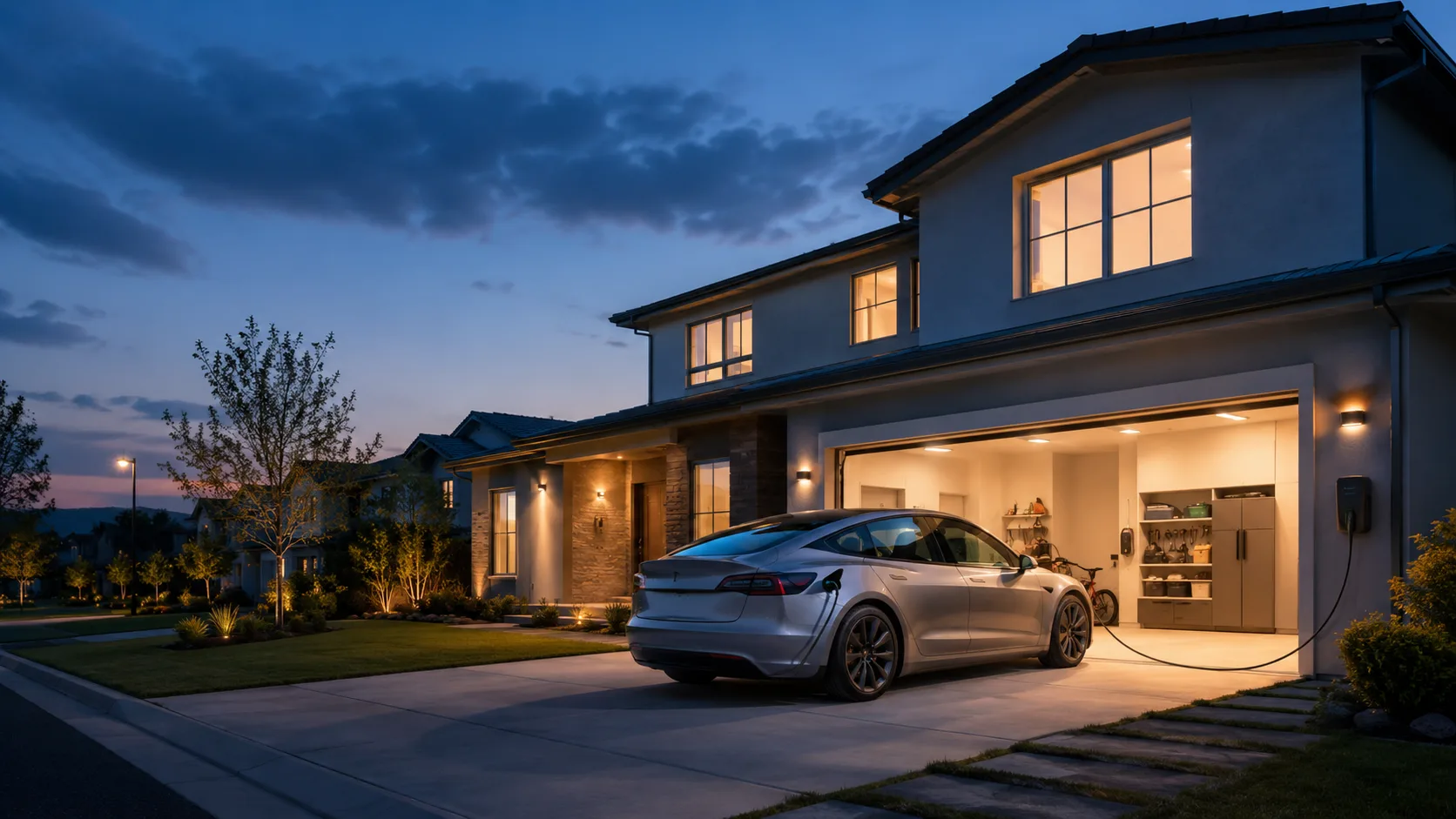
On fuel, yes: about 4.4¢ a mile at home vs 8.5–14.4¢ for gas and hybrids. Current new and used Tesla prices, plus 5-year math for Model 3 and Y.
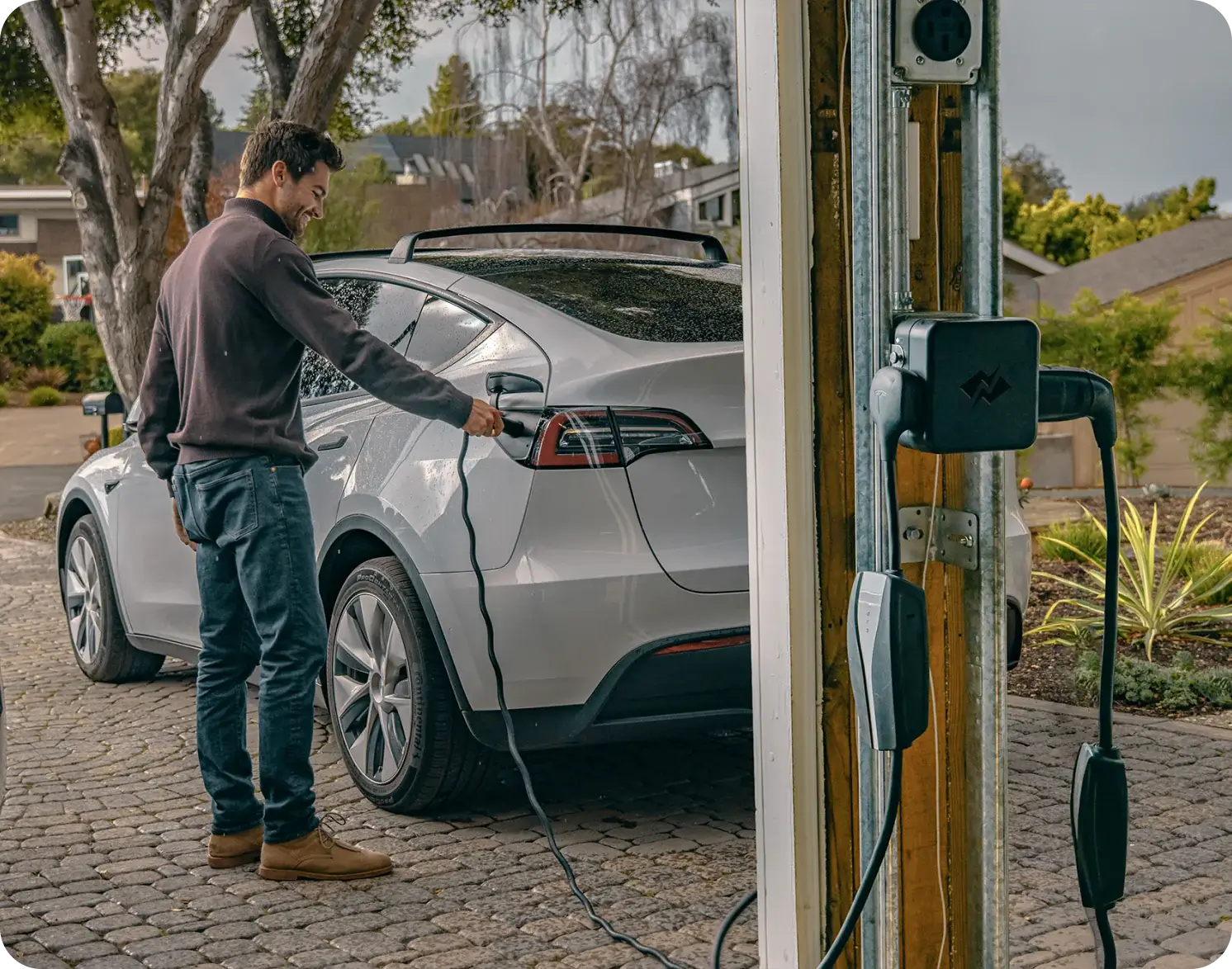
The clean energy revolution shouldn't be limited to those who can afford expensive home upgrades. Here's how NeoCharge is making EV charging more

The National Renewable Energy Laboratory (NREL) needed to validate solutions that could enable widespread home electrification without requiring costly
BC Hydro needed to help more residents access home EV charging while avoiding costly electrical service upgrades that could slow adoption. This aligned
PG&E needed to make home EV charging more accessible for low-income households while minimizing costly electrical upgrades that could prevent adoption.
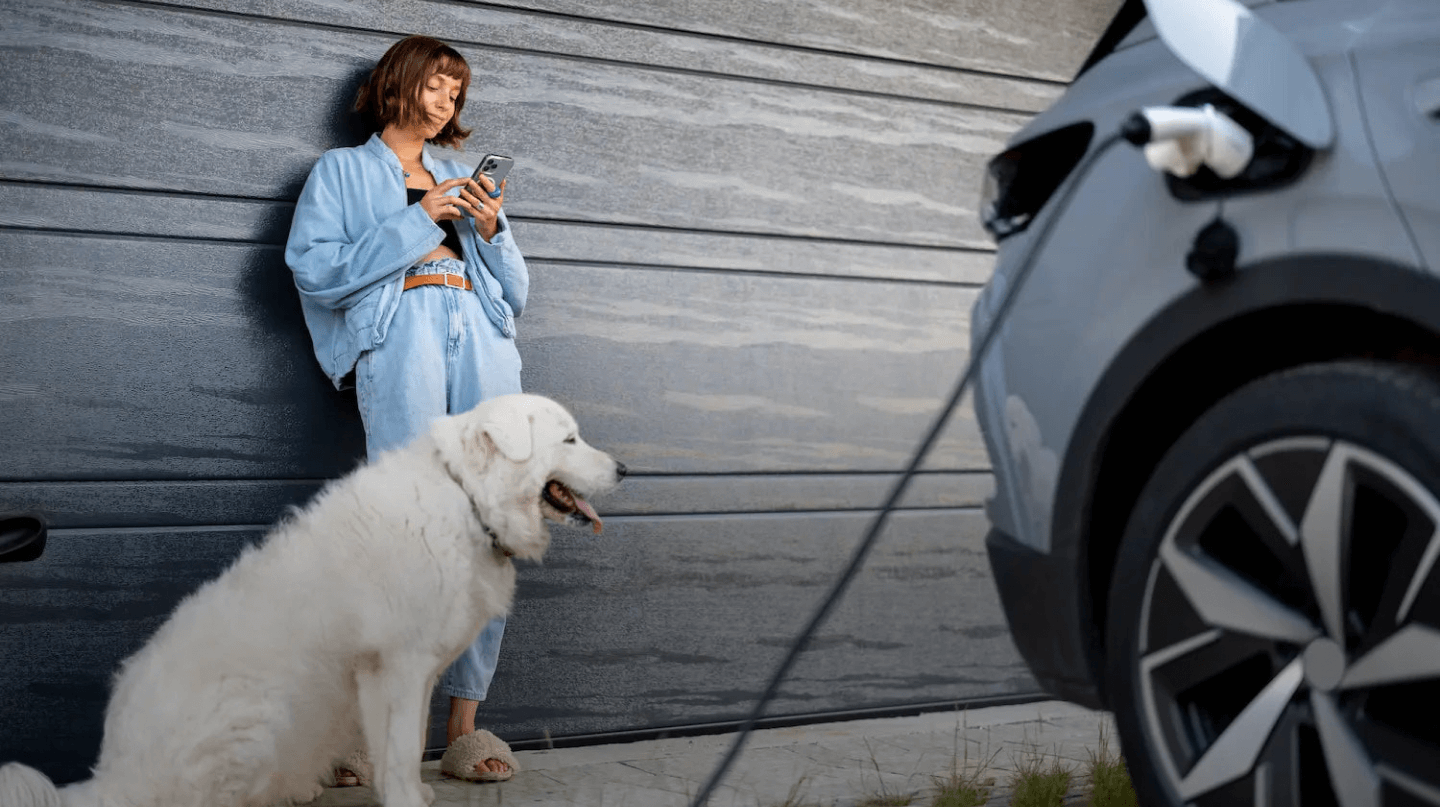
Choosing the right vehicle can feel overwhelming. Understanding the key differences between various electrified vehicles can help you make an informed decision
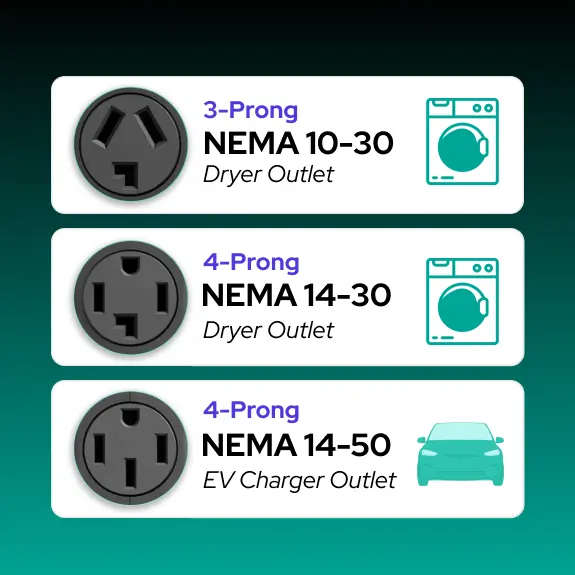
A 4-prong 240V dryer outlet with an L-shaped slot is a NEMA 14-30; a 3-prong one is a 10-30. How to ID yours, match the cord, and charge an EV.
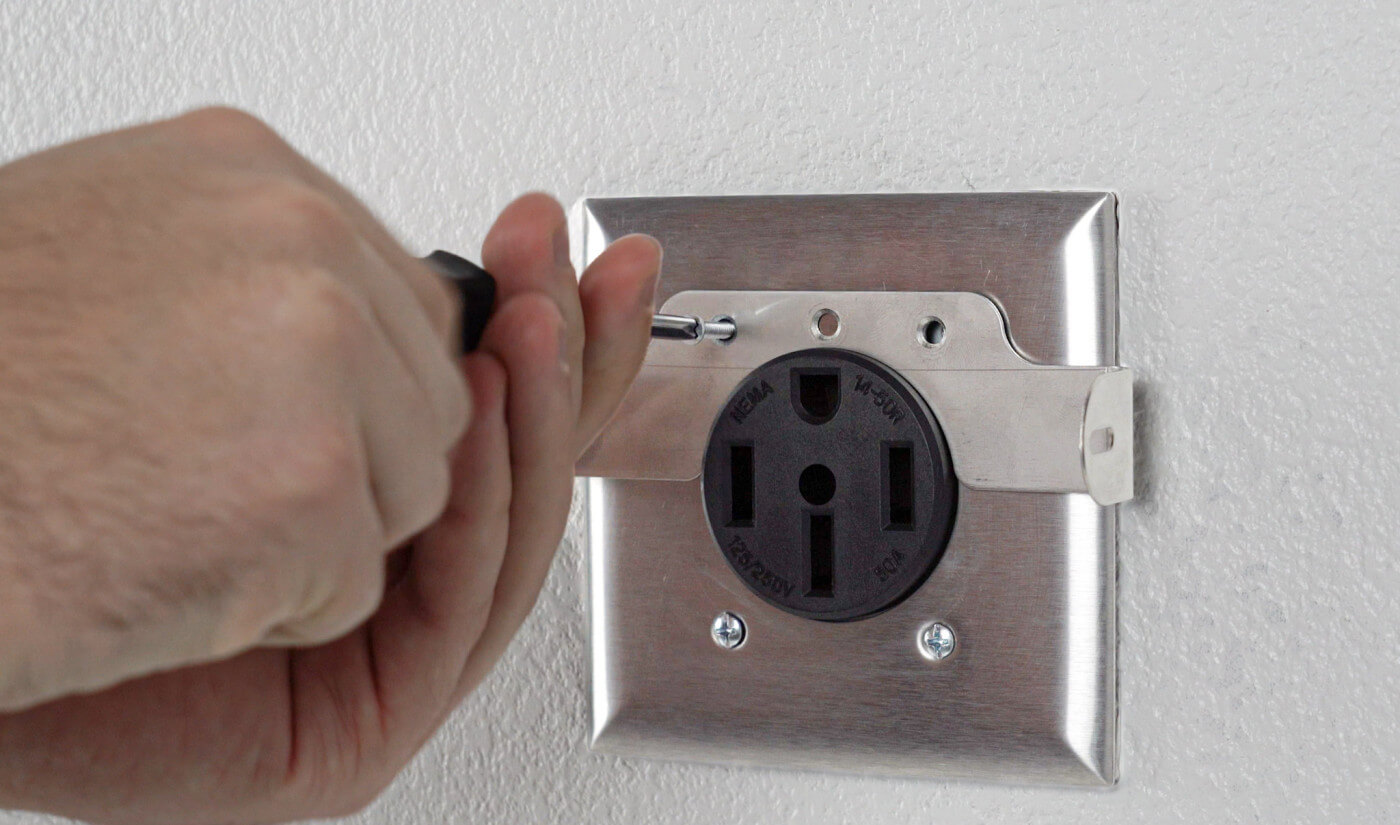
What a 240V outlet is, common types like the NEMA 14-30 dryer and 6-50 welder outlets, and why daily EV charging calls for an industrial-grade receptacle.
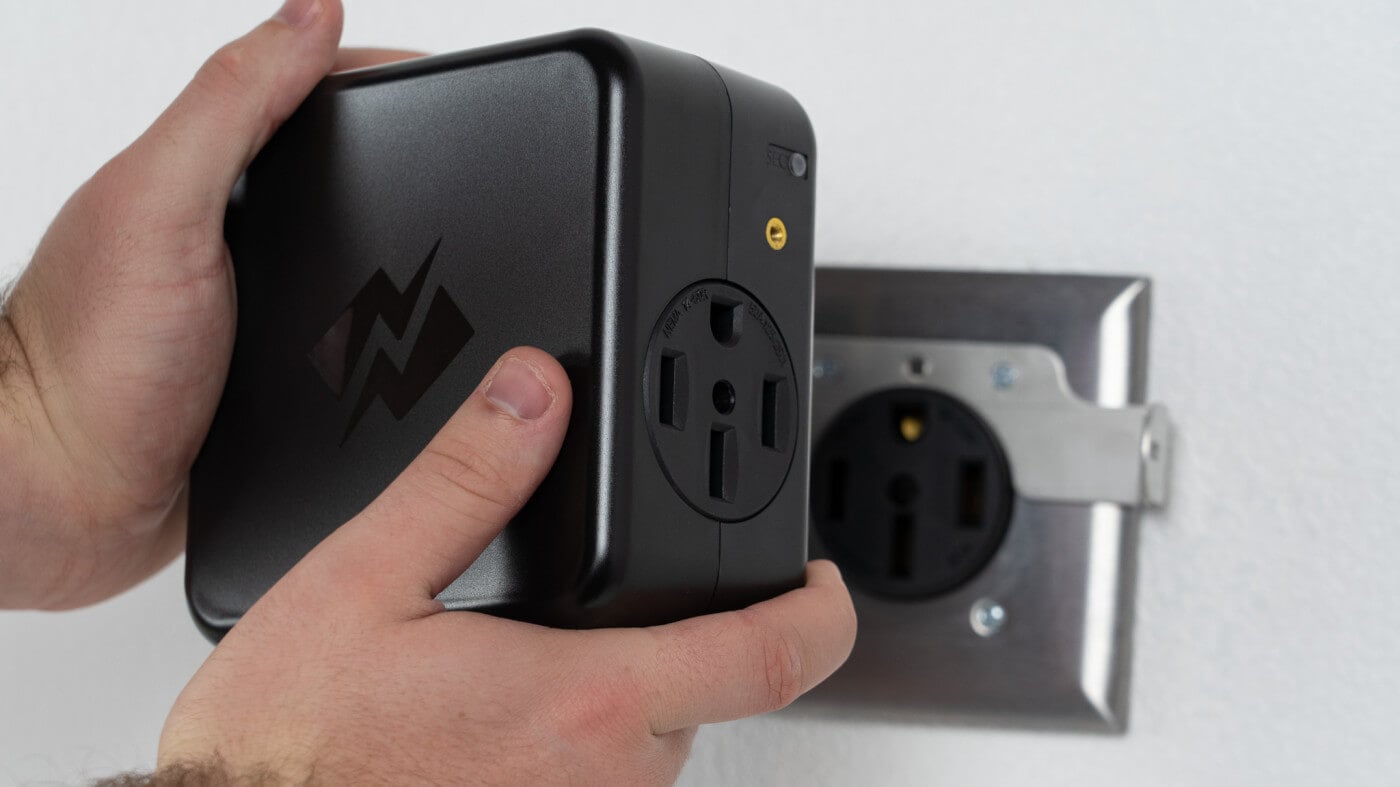
How to ensure your 240V outlet is safe for EV charging. Check your outlet beforing plugging in your charger to ensure it is not too loose.
A full home charge is about $14–$16 for a Model 3 or Y at the US average 18.3¢/kWh, about 5 cents a mile. Model-by-model costs, Supercharger rates, and tips.
Most drivers just plug in overnight. Level 1 vs Level 2, what you need, about $2 a day in electricity, and how to get Level 2 without a panel upgrade.

NeoCharge Selected to Join the Wells Fargo Innovation Incubator Program
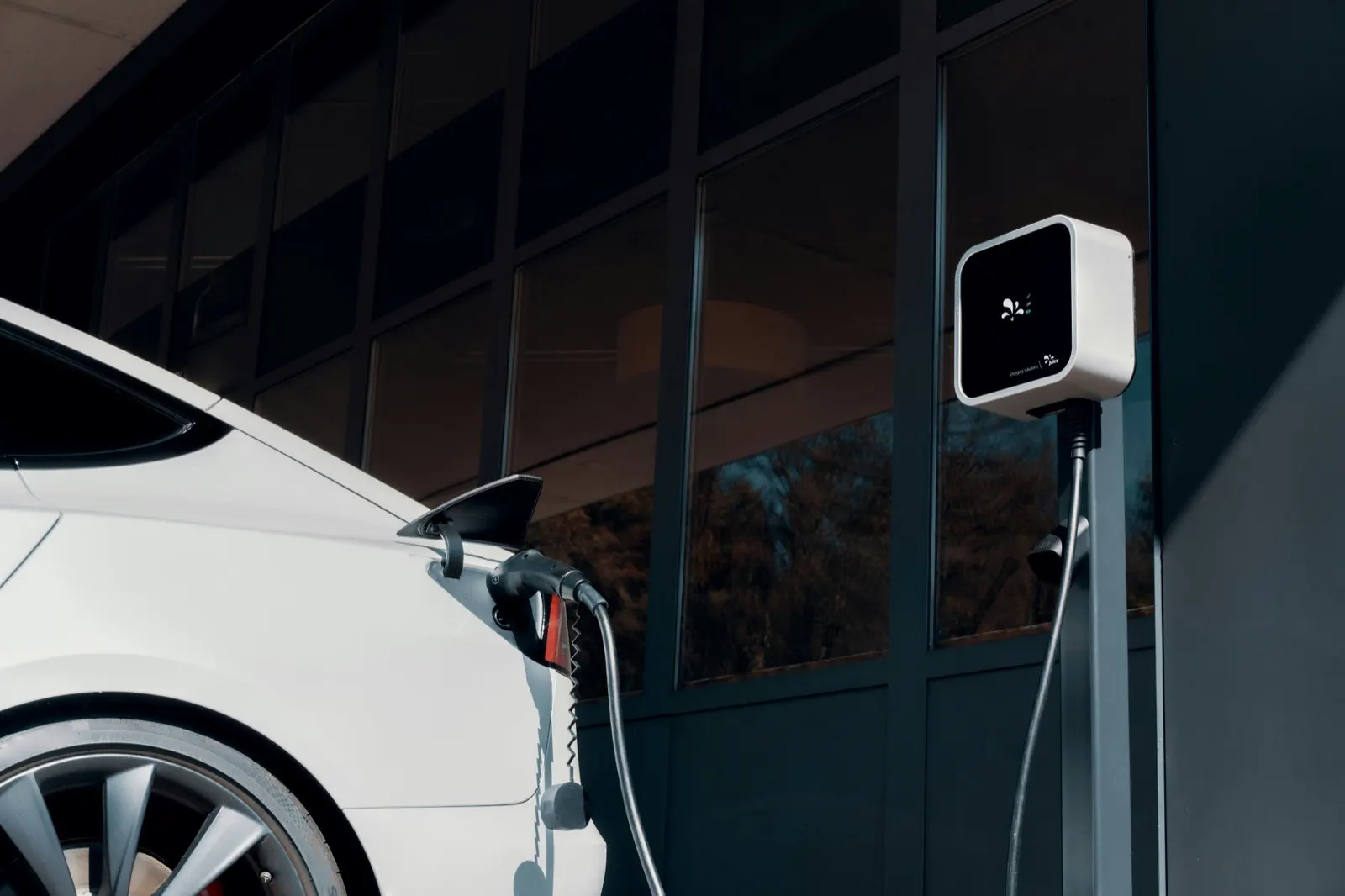
Level 1 uses a 120V outlet, Level 2 a 240V circuit like a dryer outlet, and Level 3 is DC fast charging. Speeds, costs, and how to get Level 2 at home.
