



Do You Need a GFCI Breaker for an EV Charger? (And How to Avoid Nuisance Trips)
 The short answer
GFCI breaker requirements for EV charging can be confusing—and nuisance trips are common. Here’s what GFCI does, why some EV chargers trip GFCI breakers, and practical options (including hardwiring) to stay safe and code-compliant.
Key takeaways
- GFCI requirements vary by location—your electrician should know local codes for EV charging
- Nuisance trips aren't necessarily dangerous, but they disrupt charging and indicate compatibility issues
- Hardwired installations often solve GFCI conflicts better than plug-in solutions
- Never bypass safety devices—find installation methods that work reliably within code requirements
Best fit Is this guide right for you?
Drivers with time-of-use rates, off-peak discounts, utility programs, or charging schedules they want to automate.
Homes on flat electric rates where charging time does not change cost, unless you still want tracking and reminders.
Quick answer (what most homeowners should do)
If your local code requires a GFCI breaker for plug-in EV charging and you're experiencing nuisance trips, consider hardwired installation instead.
ChargePoint states this explicitly in their installation guidance:
"If local codes require a GFCI breaker for plug-in installation, ChargePoint recommends a hardwire installation."
They go further: "We do not recommend using a GFCI breaker as the Home Flex already has integrated charging circuit interrupting device (CCID) protection. Using a GFCI breaker... can cause nuisance breaker tripping... and interrupt charging."
Source: chargepoint.com
This isn't about circumventing safety—it's about choosing an installation method that provides reliable protection without compatibility conflicts.
What GFCI breakers actually do
GFCI (Ground-Fault Circuit Interrupter) breakers are electrical watchdogs designed to prevent electrocution. They monitor current flow and trip if they detect even tiny amounts of electrical leakage—the kind that could flow through a human body in dangerous situations.
GFCI protection is different from:
- Overcurrent protection (standard breakers that prevent overloads)
- Surge protection (protects against voltage spikes)
- Arc fault protection (detects dangerous electrical arcing)
GFCI specifically looks for current imbalances that suggest electricity is flowing where it shouldn't—like through wet concrete, metal fixtures, or people.
Why EV charging triggers nuisance GFCI trips
EV charging creates a perfect storm of factors that can confuse GFCI breakers:
Long-duration, high-power loads stress electrical systems
Unlike appliances that cycle on and off, EV charging maintains high current draw for hours. This sustained load can amplify tiny electrical imperfections that wouldn't matter for shorter-duration devices.
Multiple protection systems can conflict
Modern EV chargers include sophisticated built-in safety systems—often called CCID (Charging Circuit Interrupting Device) or similar. When these systems interact with GFCI breakers, they can create false positive trips where both devices "see" the same minor electrical characteristic and interpret it as a fault.
Environmental factors matter more with sustained loads
Factors like:
- Temperature changes during long charging sessions
- Moisture in outdoor installations
- Normal electrical noise from the vehicle's onboard charger
These become more significant during 6-8 hour charging sessions compared to 2-minute microwave operations.
Plug-in vs. hardwired: navigating the GFCI question
Plug-in EV chargers and GFCI
Plug-in installations are often subject to stricter GFCI requirements because codes assume higher risk with user-accessible outlets. This creates the exact scenario where built-in EV charger protection and mandatory GFCI breakers are most likely to conflict.
Additionally, repeated plugging and unplugging can create wear at connection points, potentially increasing the chance of electrical anomalies that trigger GFCI systems.
Hardwired EV chargers: often a cleaner solution
Hardwired installations typically:
- Eliminate the outlet-plug interface that can accumulate wear and contamination
- Are often preferred for outdoor installations where moisture is a concern
- May have different (sometimes more flexible) GFCI requirements under local codes
ChargePoint explicitly calls hardwired installation "the best option" when GFCI breaker requirements cause compatibility issues.
Source: chargepoint.com
Troubleshooting your GFCI trip issues
If your EV charger keeps tripping the GFCI breaker, work through this systematic checklist:
1. Verify dedicated circuit installation
ChargePoint requires that "Each... station requires its own dedicated circuit." Shared circuits create additional electrical complexity that can trigger GFCI systems.
Source: chargepoint.com
2. Confirm proper amp settings
Make sure your charging amperage doesn't exceed 80% of the breaker rating. ChargePoint states: charge rate "cannot exceed 80% of your breaker amperage."
Source: chargepoint.com
3. Inspect physical connections
For plug-in installations, have an electrician check:
- Outlet condition and proper mounting
- Wire termination tightness
- Any signs of heat or discoloration
4. Check for moisture infiltration
Outdoor installations are particularly susceptible to moisture-related GFCI trips. Ensure all connections are properly sealed and that conduit installations prevent water accumulation.
5. Consider environmental factors
Temperature changes during charging can cause expansion/contraction in electrical connections. If trips occur primarily during hot weather or after temperature swings, this might be a factor.
Skip the panel upgrade
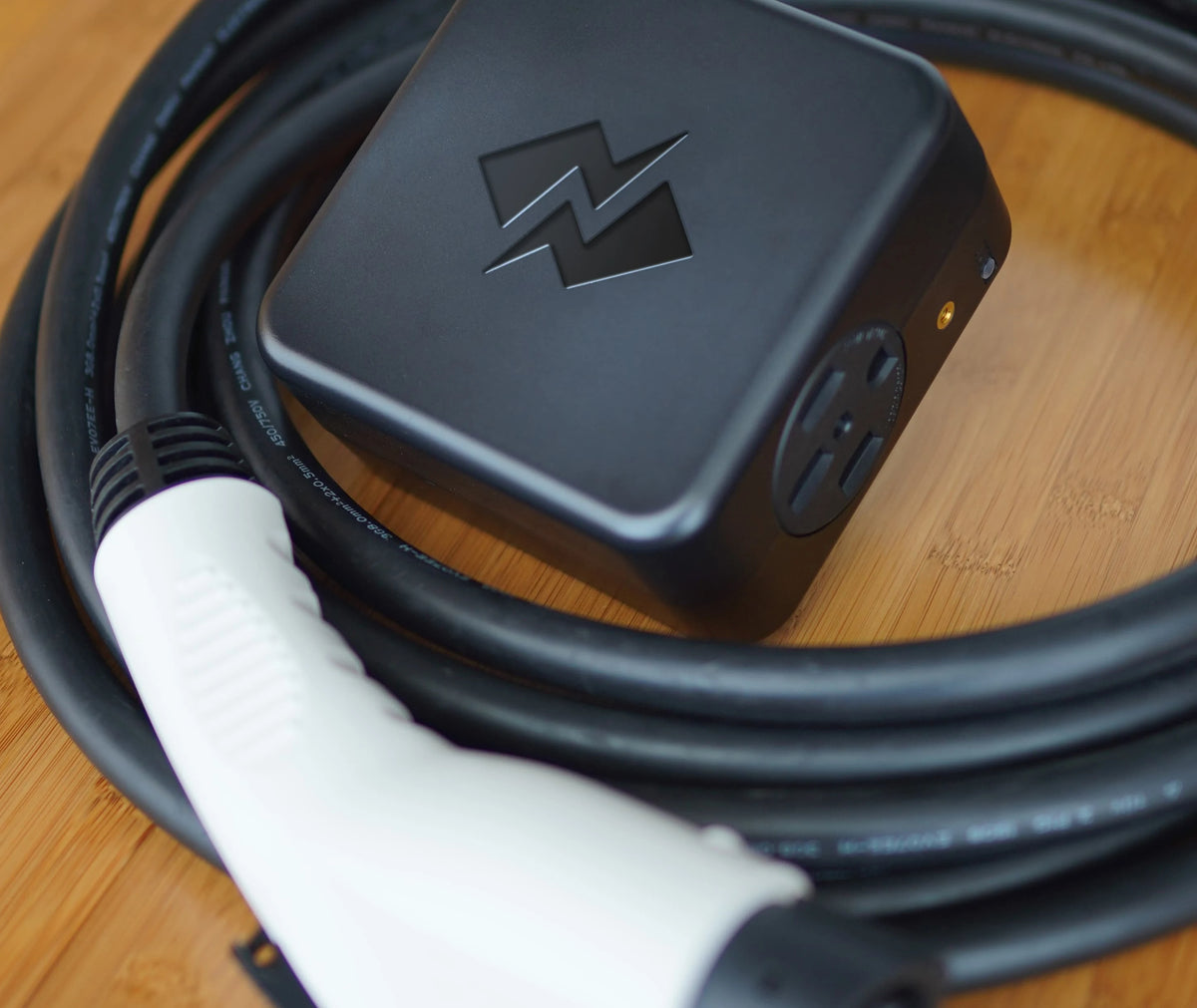
Level 2 charging from the outlet you already have
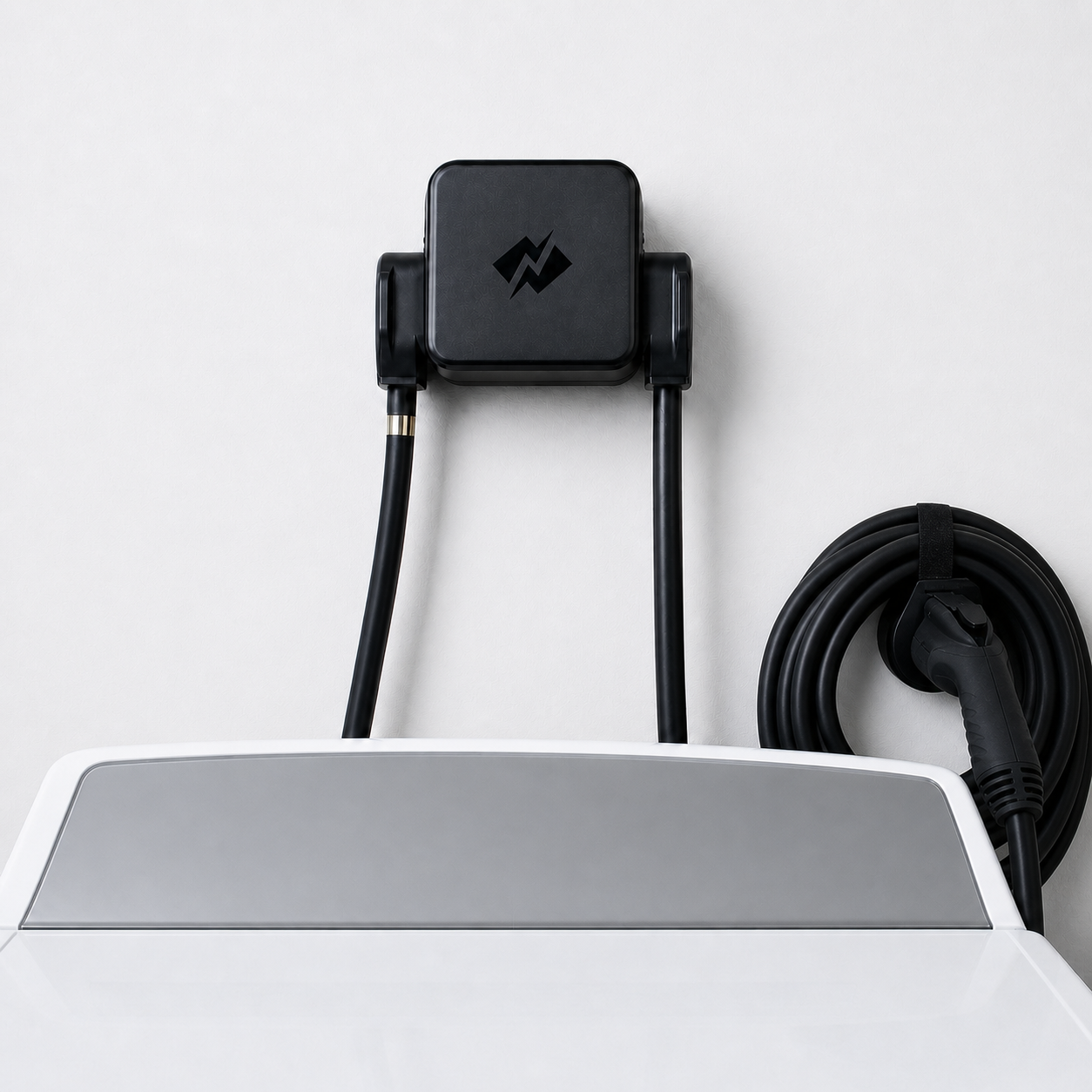
Plug into the 240V dryer outlet you already have. The dryer gets priority and your EV charges the rest of the night, with no panel upgrade and no new circuit. cUL Listed for the US and Canada, with rebates from 30+ utilities.
FAQ
Is it safe to disable GFCI protection for EV charging?
Never bypass or disable safety devices. If GFCI is required by code, find an installation method that works reliably within those requirements. Hardwired installations often solve GFCI compatibility issues while maintaining full code compliance.
Do all EV chargers have built-in safety protection?
Most modern EV chargers include sophisticated safety systems, but features vary by manufacturer and model. Always consult your specific charger's installation documentation for safety feature details.
Can I use a GFCI outlet instead of a GFCI breaker?
GFCI outlets can sometimes work better with EV charging than GFCI breakers, but local codes determine what's acceptable. Some areas specifically require GFCI breaker protection for EV charging circuits regardless of outlet type.
What if nuisance trips persist after trying these solutions?
Work with a qualified electrician who has EV charging experience. They may recommend:
- Different GFCI device types or brands
- Hardwired installation if not already implemented
- Alternative circuit configurations that meet code requirements
Bottom line
GFCI protection and reliable EV charging aren't mutually exclusive, but they do require thoughtful installation choices. Hardwired installations often provide the best balance of safety, code compliance, and charging reliability.
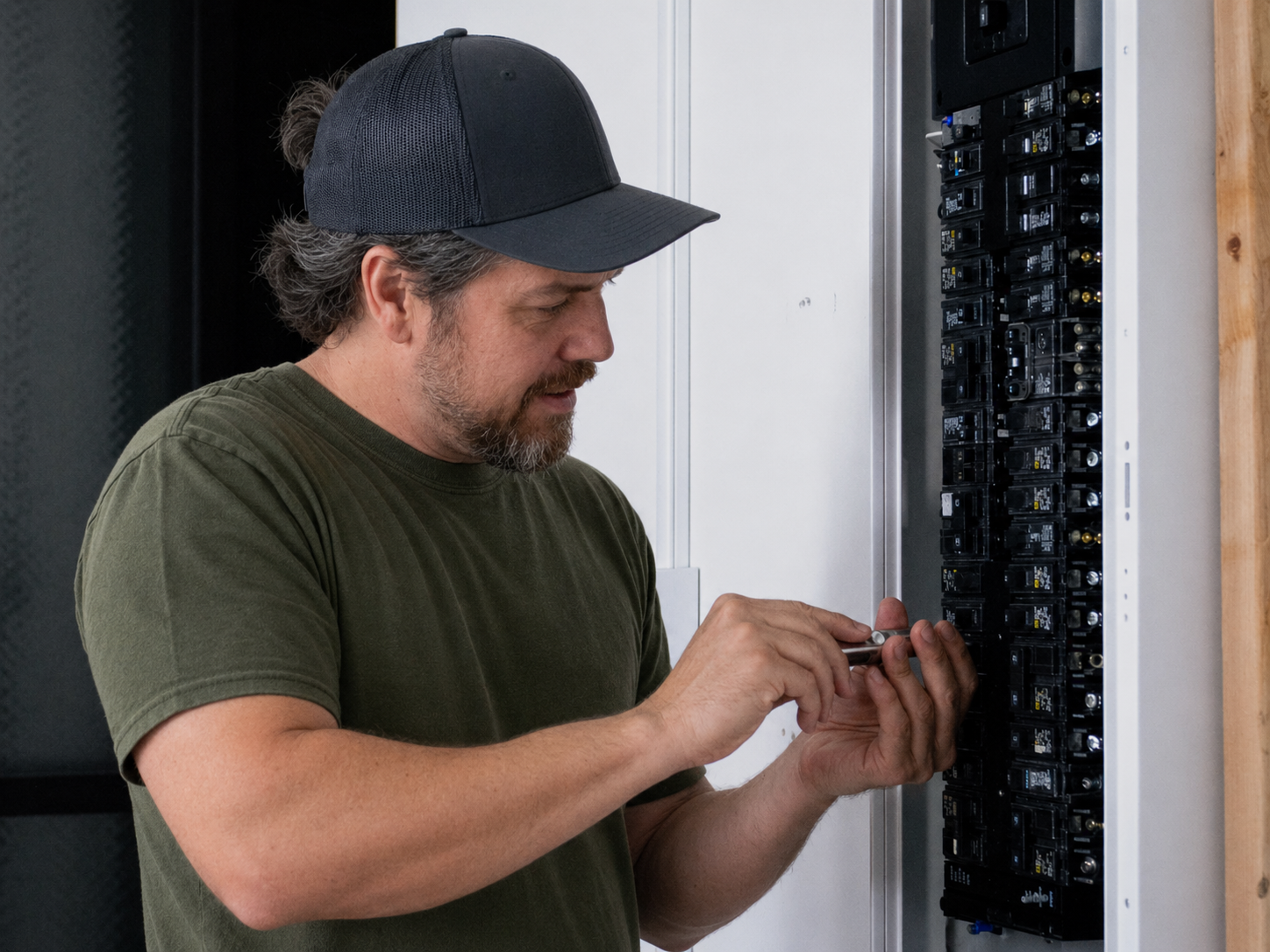
The key is working with an electrician who understands both electrical code requirements and EV charging characteristics. Don't let frustrating nuisance trips tempt you into unsafe workarounds—there are code-compliant solutions that provide both safety and reliability.
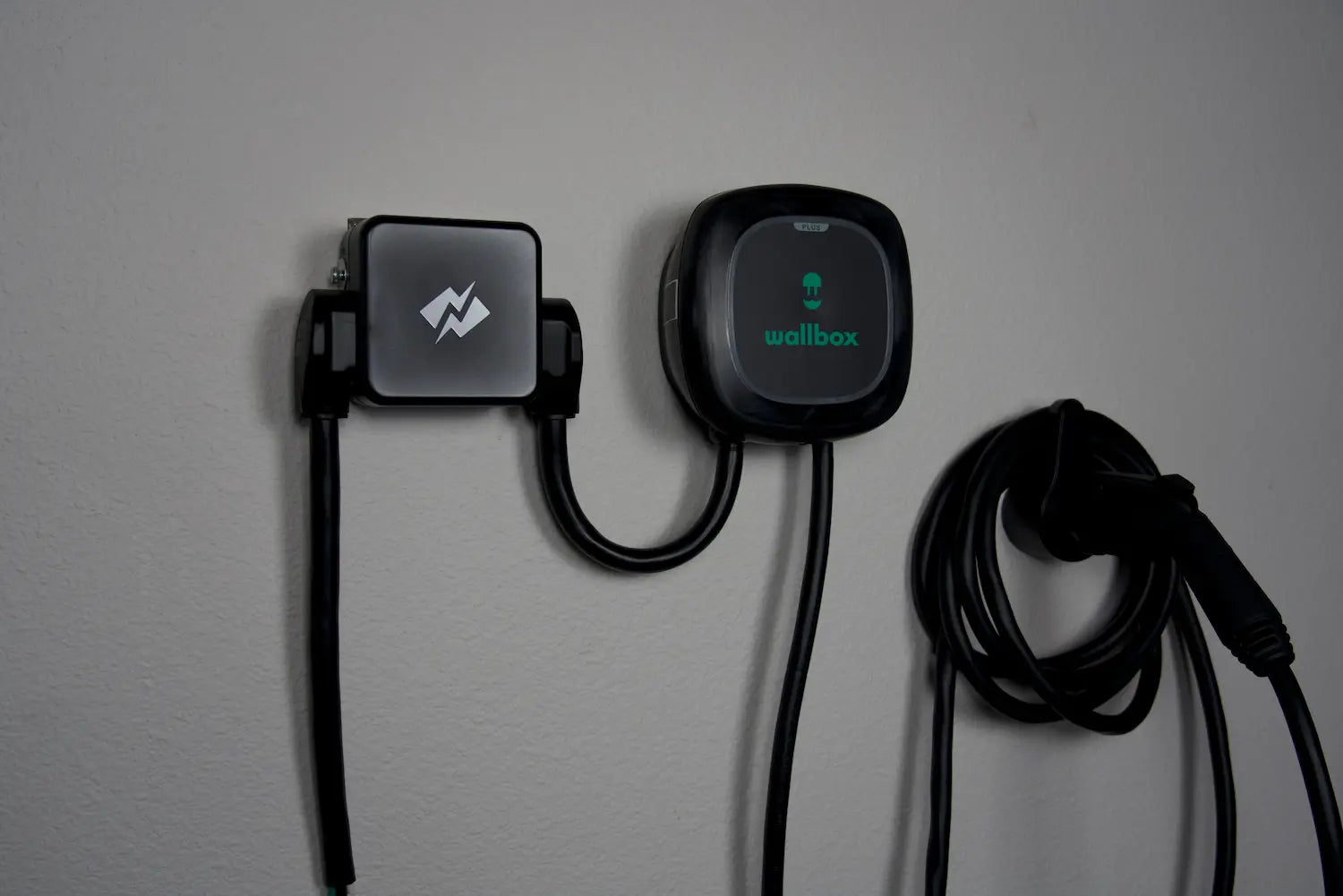
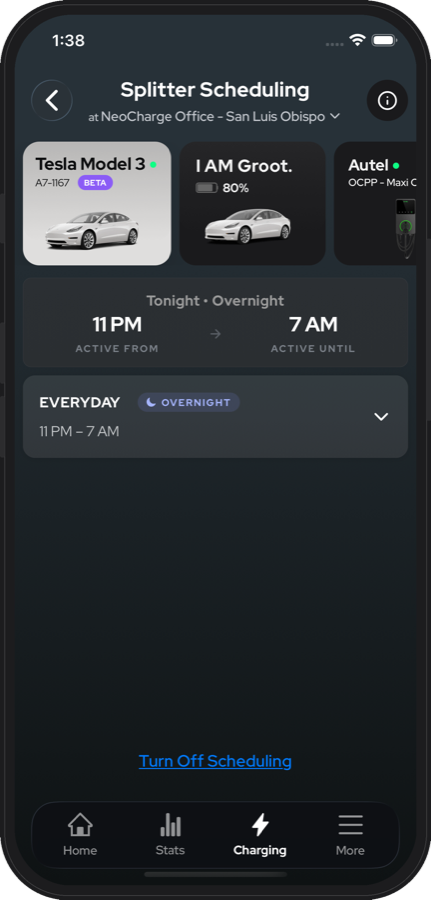
If you're sharing a circuit between EV charging and another appliance, NeoCharge's Smart Splitter switches between them so only one high-power load runs at a time and the circuit is never overloaded. It doesn't provide ground-fault protection and won't stop GFCI trips caused by leakage current; for those, use the steps above.
Next steps (NeoCharge)
- If you want to safely share a 240V outlet (dryer + EV) or avoid a costly panel upgrade, check out the NeoCharge Smart Splitter.
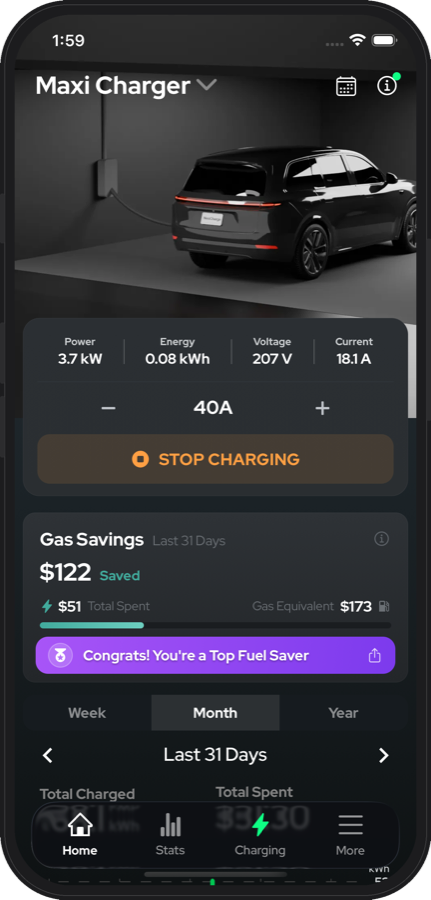
- If you want to reduce charging cost with off-peak schedules and rate-aware automation, explore the NeoCharge App.
NeoCharge App
Turn rate plans into simple charging schedules
Schedule around off-peak windows, manage compatible chargers, and keep tabs on charging sessions from the app.
Explore the app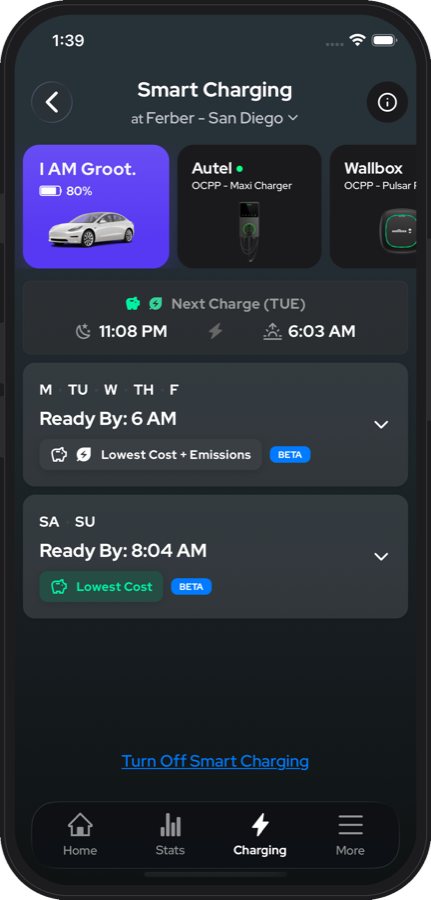
Next steps
Keep going with NeoCharge
Use the article as your decision guide, then jump into the product, app, or related guides that match what you are trying to solve next.
Key terms
- GFCI breaker
- A GFCI breaker protects against ground faults. Some EV chargers can cause nuisance trips on certain GFCI breakers; compatibility depends on the charger and installation.
FAQs
What's the quick takeaway from this article?
Who is this guide for?
What should I do next?
Related posts
EV Charging Best Practices: Battery Life, Safety, and Cost
Learn EV charging best practices for battery life, home safety, off-peak savings, fast charging, 80% limits, Level 2 charging, and panel upgrades.
Smart Splitter vs EVEMS vs Panel Upgrade: How to Choose the Right Path for Level 2 Charging
Need Level 2 charging but worried about a panel upgrade? Compare Smart Splitter outlet sharing vs EV energy management (EVEMS) vs a full panel upgrade—with a simple decision tree.

Charging an EV with a NEMA 10-30 Dryer Outlet (Grounding, Adapters, and Safer Alternatives)
A NEMA 10-30 dryer outlet can work for EV charging—but grounding and adapter safety matter. Learn the 24A guideline, key risks, and safer alternatives.

How to Find Your Off-Peak Hours for EV Charging (TOU Rate Plans Made Simple)
Off-peak hours depend on your utility’s TOU rate plan (and seasons/weekends). Here’s how to find your schedule, turn it into a charging rule, and save money.
