




Level 1 vs Level 2 EV Charging: Speed, Cost, and What’s “Enough” for Most Drivers
 The short answer
Level 1 vs Level 2 EV charging explained with real-world speeds: miles per hour, typical kW, and when you actually need a 240V charger. Includes practical sizing tips and code-aware safety notes.
Key takeaways
- Your ideal charging setup depends on daily miles and overnight parking time, not maximum theoretical speed
- The 80% rule means 40A breakers support ~32A charging, 50A breakers support ~40A charging
- Level 2 isn't necessarily cheaper per kWh, but it enables better time-of-use rate optimization
- Right-sizing your charger to your actual needs saves money and electrical complexity
Best fit Is this guide right for you?
Drivers with time-of-use rates, off-peak discounts, utility programs, or charging schedules they want to automate.
Homes on flat electric rates where charging time does not change cost, unless you still want tracking and reminders.
Quick answer: which level should you choose?
Drive less than 40 miles per day with consistent overnight parking? Level 1 might be perfectly adequate, especially as a temporary or backup solution.
Drive 40+ miles daily, have shorter overnight windows, or want maximum convenience? Level 2 is usually worth the installation cost for the peace of mind alone.
The real question isn't "what's the fastest charging possible?" but rather "what's the minimum charging that reliably meets my needs?"
Level 1 charging: the underdog that works better than expected
Level 1 charging uses standard 120V household outlets—the same plug that powers your coffee maker, but for 6-10 hours instead of 6 minutes.
The DOE's Alternative Fuels Data Center describes Level 1 as charging through a 120V AC plug, often using the portable cordset that comes with the vehicle.
Source: DOE charging station basics
Real-world Level 1 performance
The DOE provides a concrete benchmark: "8 hours of charging at 120V can replenish about 40 miles of electric range for a mid-size EV."
Source: DOE charging station basics
This assumes typical efficiency and charging conditions, but it's a useful starting point for planning. If your daily driving averages 30-35 miles and you can plug in consistently, Level 1 often covers your needs with room to spare.
Level 1 works best for:
- Short daily commutes (under 40 miles)
- Consistent overnight parking (8+ hours)
- Rentals or temporary situations where Level 2 installation isn't feasible
- Backup charging when your primary Level 2 system is down
Level 1 challenges:
- Limited recovery if you forget to plug in
- Can't easily handle longer driving days or multiple trips
- Weather (heating/cooling) can significantly impact effective range added
Level 2 charging: the "overnight refill" solution
Level 2 uses 240V (residential) or 208V (commercial) service to deliver significantly more power than Level 1.
The DOE notes that "most residential Level 2 chargers operate at up to 30 Amps, delivering 7.2 kW of power" and can "commonly charge a typical EV battery overnight."
Source: DOE charging station basics
Understanding the 80% rule for Level 2
Here's where electrical code meets real-world charging: EV charging is considered a continuous load, so the charging amperage is typically limited to 80% of the breaker rating.
ChargePoint explains this from the user perspective: "You can adjust your charging rate up or down, but it cannot exceed 80% of your breaker amperage."
Source: chargepoint.com
Common breaker and charging amp combinations:
- 40A breaker → 32A charging (~7.7 kW)
- 50A breaker → 40A charging (~9.6 kW)
- 60A breaker → 48A charging (~11.5 kW)
This is why you'll often see 40A circuits paired with 32A charging—it's not conservative; it's code-compliant.
Cost comparison: is Level 2 actually cheaper?
The short answer: usually not per kWh. Your utility charges the same rate for electricity whether you draw it slowly (Level 1) or quickly (Level 2). A kWh is a kWh.
However, Level 2 can reduce your total charging cost if it enables you to:
- Consistently charge during off-peak hours (time-of-use rates)
- Avoid public charging when Level 1 falls short
- Take advantage of utility EV charging incentives (often requires Level 2 installation)
The DOE explains that actual residential cost depends on time of day and rate plan, noting that many utilities offer time-of-use pricing that rewards off-peak charging.
Source: DOE home charging overview
When Level 2 is worth it (and when it isn't)
Level 2 makes sense if you:
- Need reliable overnight charging regardless of daily driving variation
- Want to share one charging solution between two EVs
- Have longer daily commutes (60+ miles) or frequent longer trips
- Want to maximize time-of-use electricity rate savings
- Plan to keep your EV for many years (installation cost amortized over time)
Level 1 might be sufficient if you:
- Have predictable, shorter daily driving (under 40 miles)
- Are renting and can't install dedicated electrical work
- Have workplace charging that covers most of your needs
- Want a simple backup solution alongside other charging options
Skip the panel upgrade
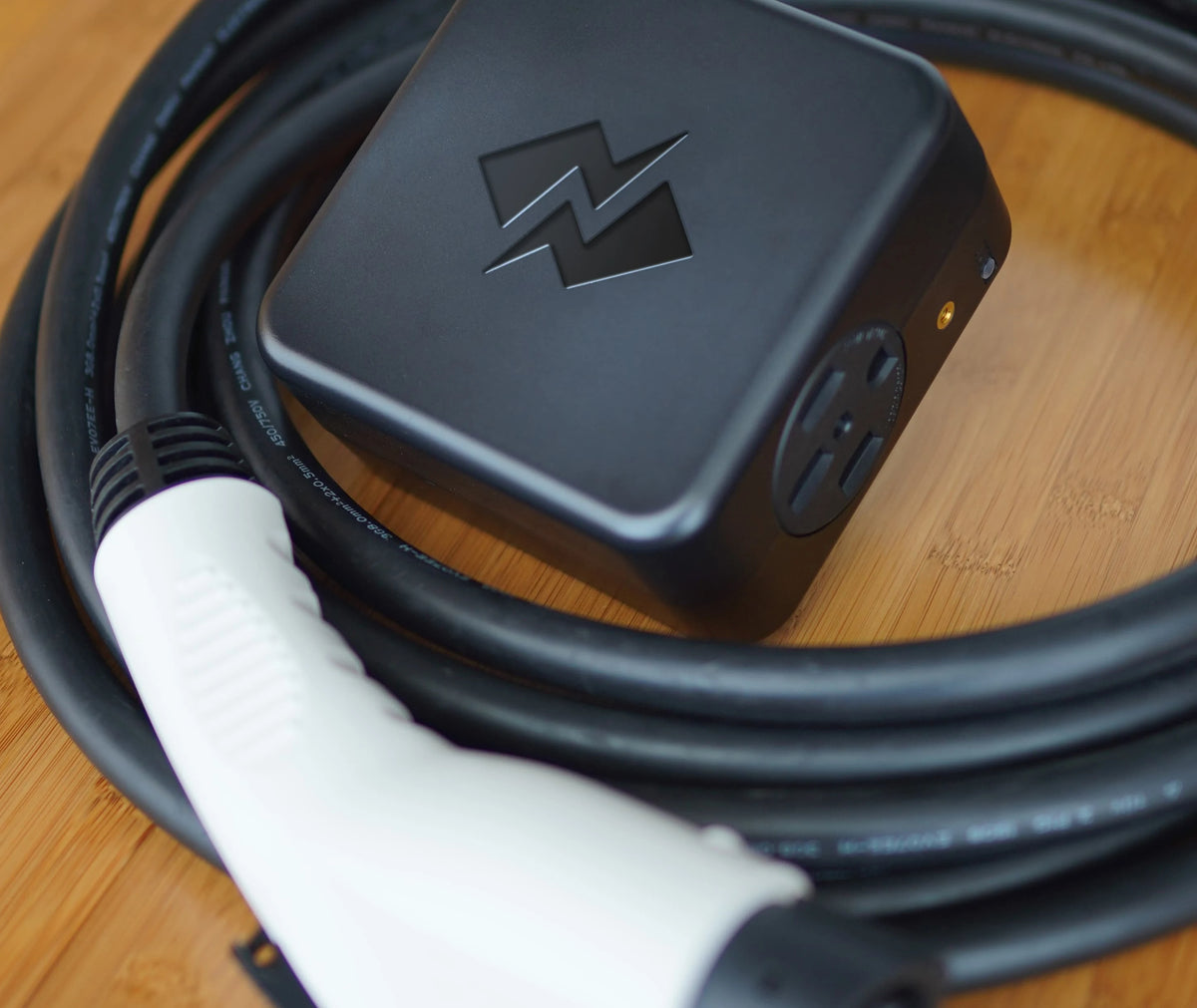
Level 2 charging from the outlet you already have
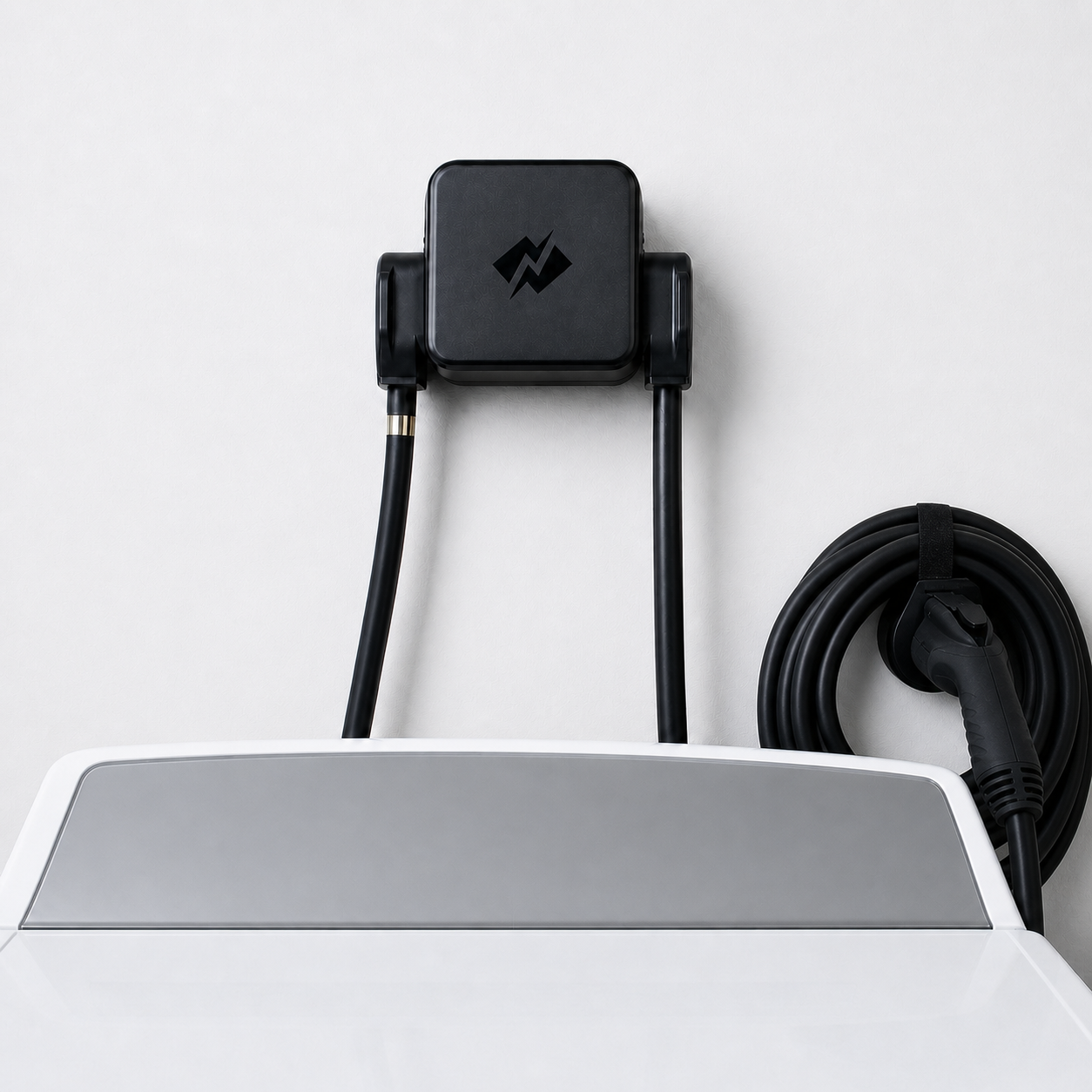
Plug into the 240V dryer outlet you already have. The dryer gets priority and your EV charges the rest of the night, with no panel upgrade and no new circuit. cUL Listed for the US and Canada, with rebates from 30+ utilities.
FAQ
How many miles per hour does Level 2 actually add?
This varies significantly based on your vehicle's efficiency and the charging amperage. ChargePoint's installation documentation includes range-per-hour estimates across different amp settings, but expect roughly 25-40 miles of range per hour for most EVs at 32-40A charging.
Source: chargepoint.com
Do I need the maximum amperage Level 2 setup?
Probably not. Many drivers do perfectly well with 32A charging (40A circuit), which is significantly cheaper to install than 48A+ configurations. Higher amperage becomes more valuable when:
- You have multiple EVs
- Your driving patterns are highly variable
- You have very limited overnight parking time
Can I start with Level 1 and upgrade to Level 2 later?
Absolutely. Many EV owners start with Level 1 to understand their actual charging patterns, then make informed decisions about Level 2 installation based on real usage data rather than theoretical worst-case scenarios.
Bottom line
The "right" charging setup isn't about maximum speed—it's about reliable adequacy for your actual needs. Level 1 charging can surprise you with how well it works for consistent, shorter-distance driving. Level 2 charging provides the confidence and convenience that makes EV ownership feel effortless.
The simplest decision framework:
- Level 1: Try it first if your daily driving is predictable and under 40 miles
- Level 2: Invest in it when Level 1 regularly falls short or when you want maximum convenience
Most importantly, don't let charging anxiety drive you toward unnecessarily expensive electrical work. Start with understanding your real needs, then engineer a solution that meets them reliably.
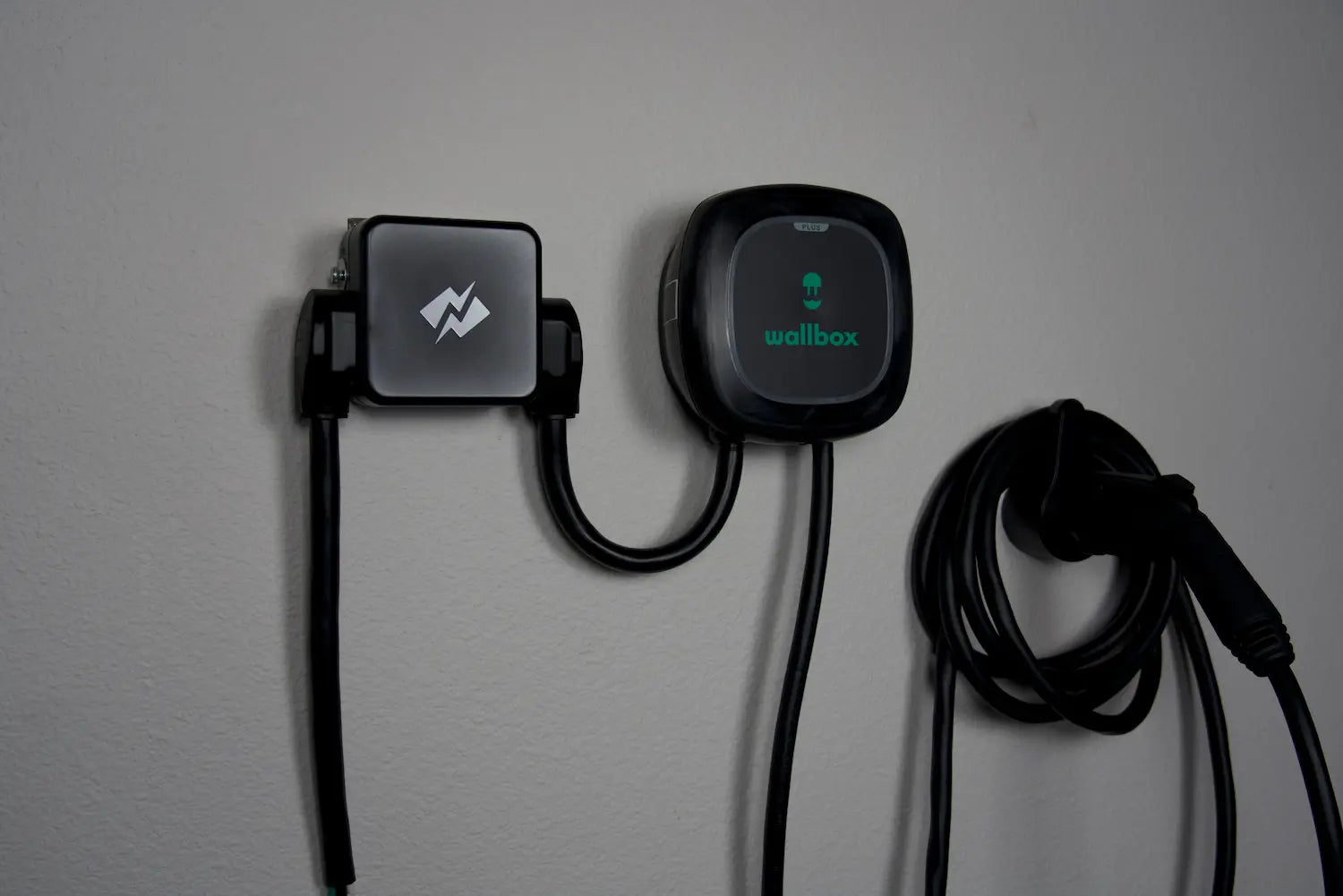
Need Level 2 charging without a panel upgrade? NeoCharge's Smart Splitter lets you safely share an existing 240V circuit between your EV charger and other appliances—giving you reliable Level 2 charging while the NeoCharge app helps optimize charging timing and monitor energy usage.
Next steps (NeoCharge)
- If you want to safely share a 240V outlet (dryer + EV) or avoid a costly panel upgrade, check out the NeoCharge Smart Splitter.
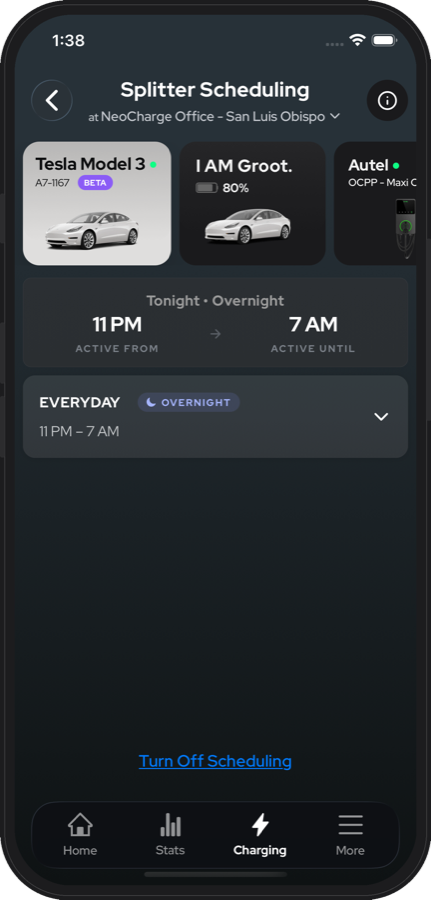
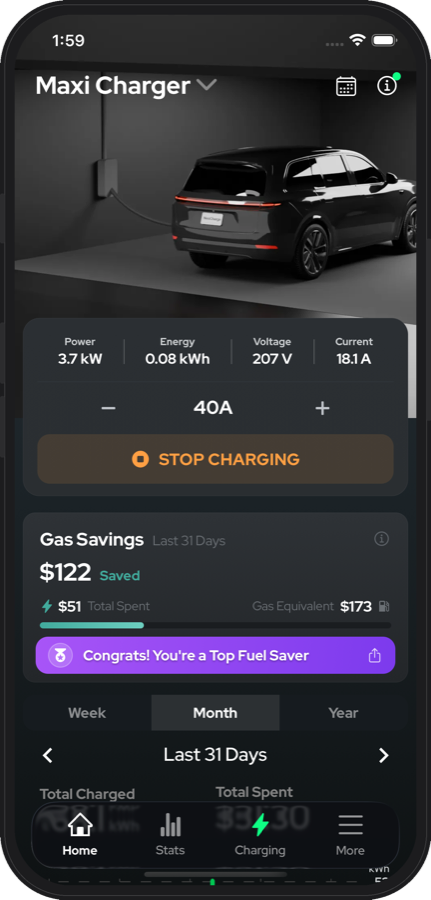
- If you want to reduce charging cost with off-peak schedules and rate-aware automation, explore the NeoCharge App.
NeoCharge App
Turn rate plans into simple charging schedules
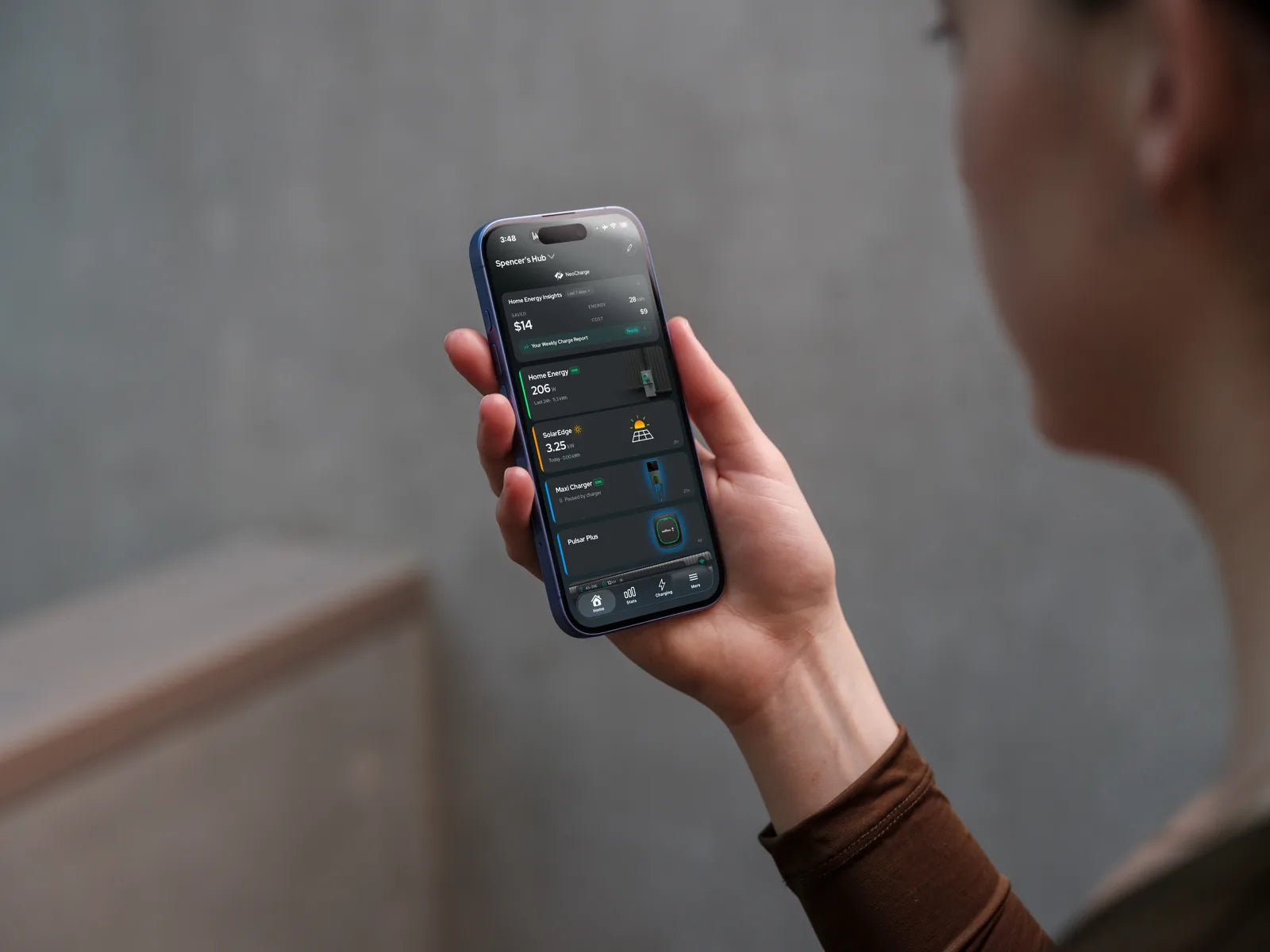
Schedule around off-peak windows, manage compatible chargers, and keep tabs on charging sessions from the app.
Explore the app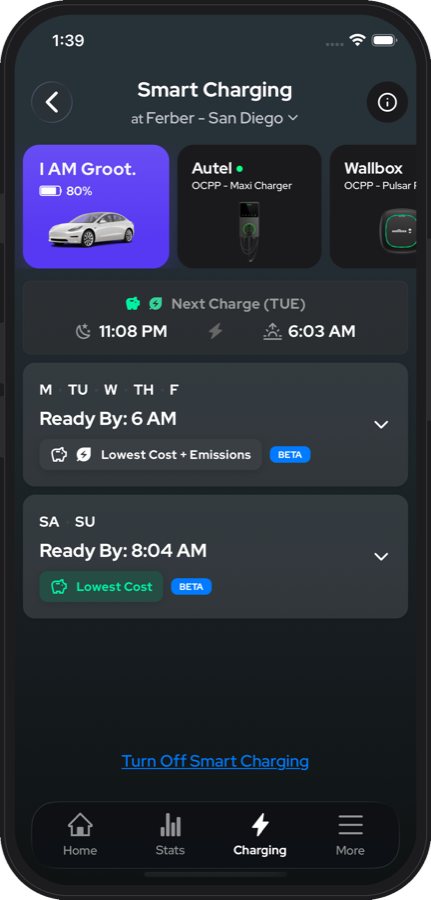
Next steps
Keep going with NeoCharge
Use the article as your decision guide, then jump into the product, app, or related guides that match what you are trying to solve next.
Key terms
- Level 2 charging
- Level 2 EV charging uses a 240V circuit (like a dryer outlet). It typically adds ~20–35 miles of range per hour, depending on your car and the circuit amperage.
- Time-of-use (TOU) rates
- Time-of-use rates are utility pricing plans where electricity costs more at peak hours and less off-peak. Scheduling EV charging off-peak can significantly reduce cost.
FAQs
What's the quick takeaway from this article?
Who is this guide for?
What should I do next?
Related posts

EV Charging Best Practices: Battery Life, Safety, and Cost
Learn EV charging best practices for battery life, home safety, off-peak savings, fast charging, 80% limits, Level 2 charging, and panel upgrades.
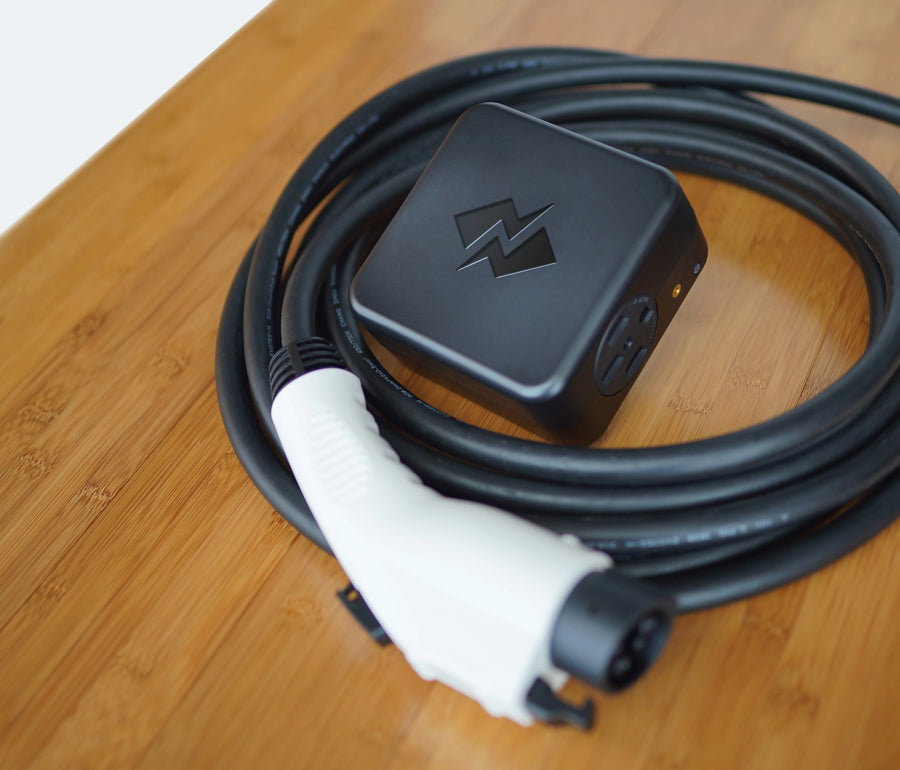
Smart Splitter vs EVEMS vs Panel Upgrade: How to Choose the Right Path for Level 2 Charging
Need Level 2 charging but worried about a panel upgrade? Compare Smart Splitter outlet sharing vs EV energy management (EVEMS) vs a full panel upgrade—with a simple decision tree.

Charging an EV with a NEMA 10-30 Dryer Outlet (Grounding, Adapters, and Safer Alternatives)
A NEMA 10-30 dryer outlet can work for EV charging—but grounding and adapter safety matter. Learn the 24A guideline, key risks, and safer alternatives.
How to Find Your Off-Peak Hours for EV Charging (TOU Rate Plans Made Simple)
Off-peak hours depend on your utility’s TOU rate plan (and seasons/weekends). Here’s how to find your schedule, turn it into a charging rule, and save money.
