



Smart Charging Standards Explained: OCPP, OpenADR, and What “Managed Charging” Means at Home
The short answer
What do OCPP and OpenADR actually do—and do they matter for home EV charging? Learn the key smart charging standards, what problems they solve, and what homeowners should look for in 2026.
Key takeaways
- OCPP 2.0.1 added security and smart charging functionality, becoming IEC standard 63584 in 2024
- OpenADR standardizes demand response communication for grid stability programs
- Standards matter for interoperability, but day-to-day savings come from simple scheduling and load management
- Focus on what you want to achieve (cost savings, load sharing, utility programs) rather than specific protocols
Best fit Is this guide right for you?
Homeowners with a bidirectional-capable EV who want outage backup, solar resilience, or a future path to utility grid programs.
Drivers who only need everyday Level 2 charging today or whose EV, charger, utility, or panel setup does not support V2H/V2G.
Quick answer: what standards matter for your home setup?
The standards become relevant when you want:
- Automated cost optimization (charge during cheapest hours)
- Reliable load management (avoid overloading your electrical system)
- Utility program participation (demand response incentives)
- Vendor independence (avoid getting locked into proprietary systems)
They don't matter when:
- You're happy with simple manual scheduling
- You only need basic start/stop functionality
- You're not interested in utility programs
The bottom line: Choose equipment based on features you need, not protocol buzzwords. The standards are plumbing—important for making things work together, but invisible when implemented well.
What "smart charging" actually means in practice
"Smart charging" is marketing speak for a wide range of capabilities:
Level 1: Basic scheduling
- Start/stop charging at specific times
- Simple time-of-use optimization
- Manual override capability
Level 2: Price-aware charging
- Automatic optimization based on real-time electricity rates
- Integration with utility time-of-use schedules
- Cost tracking and reporting
Level 3: Load management
- Power sharing between multiple devices
- Circuit protection to prevent overloads
- Dynamic amperage adjustment
Level 4: Grid integration
- Utility-controlled demand response participation
- Grid stability support programs
- Vehicle-to-grid capability (where available)
The key is understanding which level matches your needs and electrical situation.
OCPP: the lingua franca of charging infrastructure
OCPP (Open Charge Point Protocol) is essentially the "universal translator" that lets charging stations talk to management systems, regardless of manufacturer.
The Open Charge Alliance explains that OCPP 2.0.1 introduced improved features, including "added security" and "added smart charging functionalities," and notes that OCPP 2.0.1 ed3 was approved as an IEC standard in 2024 (IEC 63584).
Source: openchargealliance.org
When OCPP matters for homeowners
You might care about OCPP if:
- You're part of a workplace or multifamily charging program
- You want to participate in utility managed charging programs
- You're planning ahead for vehicle-to-grid integration
- You want to avoid vendor lock-in for charging management
You probably don't need OCPP if:
- You're using a single home charger with its own app
- Simple scheduling meets your needs
- You're not interested in utility programs
The reality: Many excellent home chargers are "smart" through proprietary cloud services and never expose OCPP functionality to end users. That's perfectly fine for most residential applications.
OpenADR: connecting your charger to the grid
OpenADR focuses on grid communication for demand response programs—essentially allowing utilities and grid operators to request load reductions during peak demand periods.
The OpenADR Alliance describes its mission as standardizing, automating, and simplifying "Demand Response (DR) and Distributed Energy Resources (DER)" through "an open, highly secure, and two-way information exchange model and Smart Grid standard."
Source: OpenADR Alliance
How OpenADR affects home charging
You'll encounter OpenADR indirectly through:
- Utility demand response programs (get paid to reduce charging during peaks)
- Time-of-use rate optimization
- Grid stability programs that offer incentives
- Building energy management systems
OpenADR enables programs like:
- Peak shaving rewards: Earn credits for pausing charging during grid stress
- Real-time pricing: Automatic adjustment to fluctuating electricity rates
- Grid services: Participate in frequency regulation or voltage support (advanced programs)
Standards vs. features: what to prioritize in 2026
Focus on capabilities, not protocols
Instead of asking: "Does this charger support OCPP 2.0.1?" Ask: "Can this charger automatically optimize for my time-of-use rates and integrate with my utility's demand response program?"
Instead of asking: "Is this OpenADR compatible?" Ask: "What utility programs can I join with this equipment, and what are the savings potential?"
Reliability vs. sophistication tradeoffs
More standards integration often means:
- Greater dependence on internet connectivity
- More complex troubleshooting when things go wrong
- Additional privacy considerations (more data sharing)
Simpler systems often provide:
- More predictable operation
- Easier troubleshooting
- Greater user control over privacy
The sweet spot: Equipment that supports standards for flexibility but works well with basic features when cloud services are unavailable.
Privacy and control considerations
What data gets shared
Smart charging systems typically collect:
- Charging session timing and duration
- Energy consumption patterns
- Location and usage frequency
- Sometimes broader home energy usage (if integrated with smart meters)
Maintaining control
Good smart charging systems:
- Allow manual override of automatic programs
- Work with basic scheduling when disconnected from the internet
- Provide clear privacy controls and data sharing options
- Don't require cloud connectivity for basic operation
Red flags:
- No manual override capability
- Complete dependence on cloud services for any functionality
- Unclear privacy policies about data sharing
- Vendor lock-in that prevents switching services
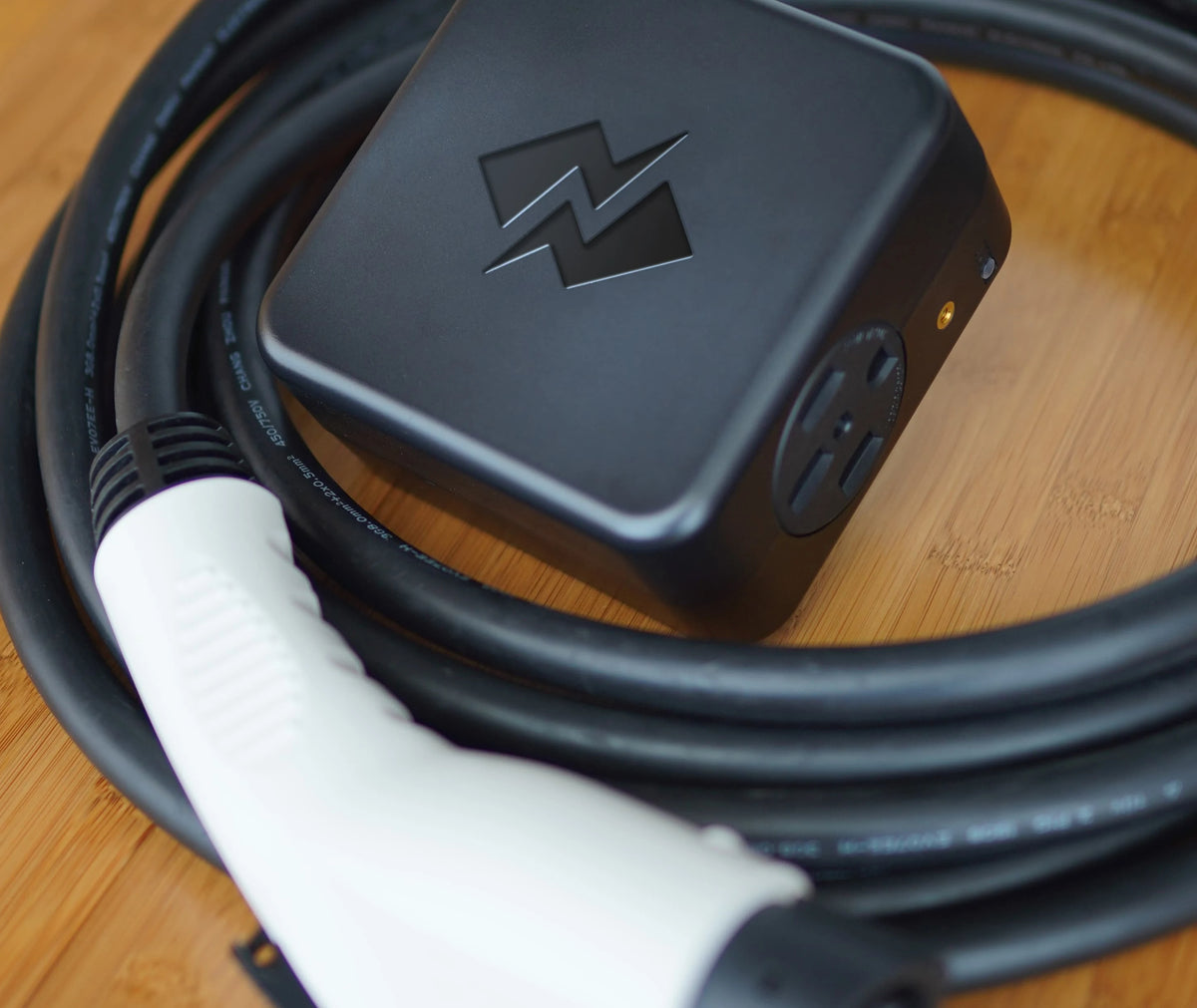
Skip the panel upgrade
Level 2 charging from the outlet you already have
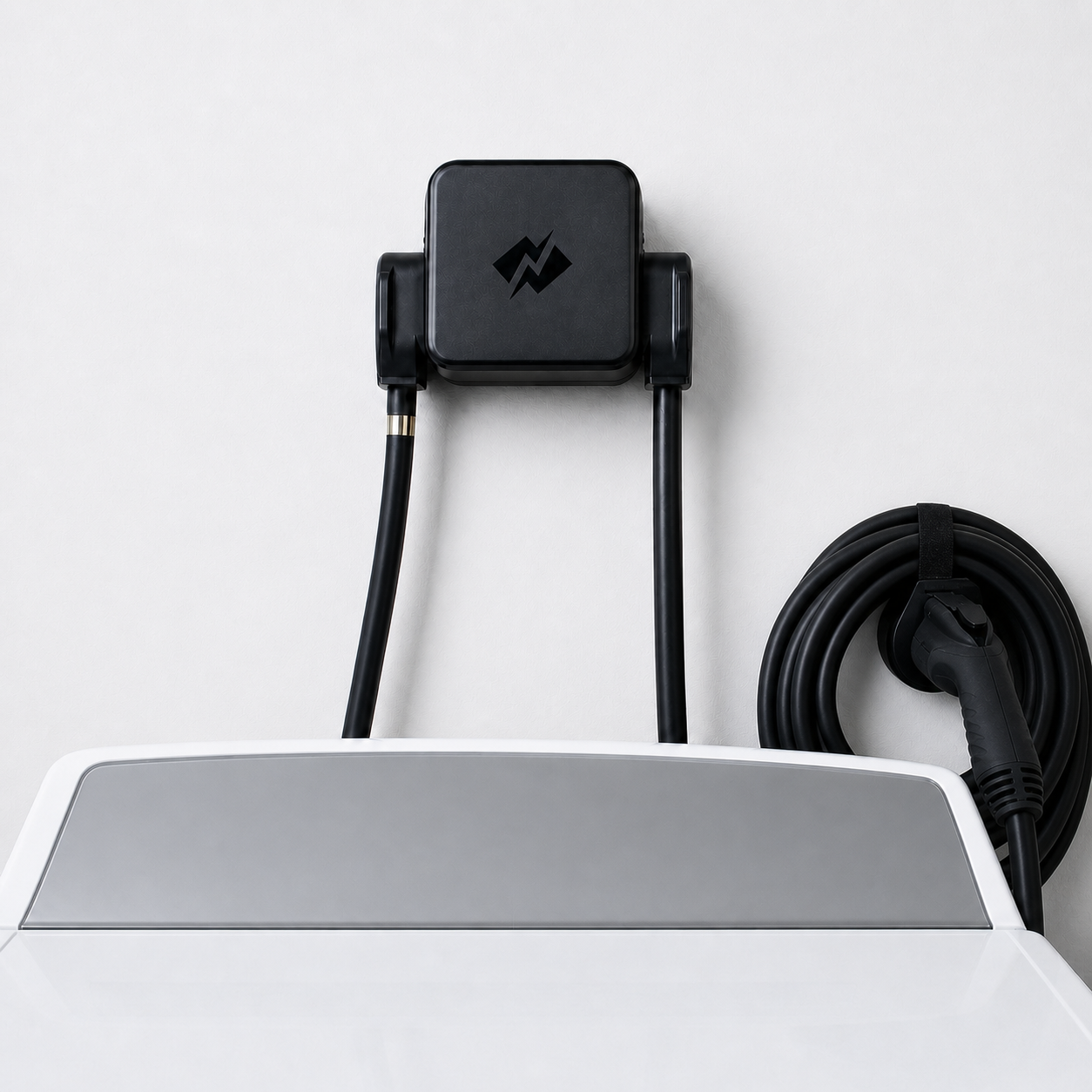
Plug into the 240V dryer outlet you already have. The dryer gets priority and your EV charges the rest of the night, with no panel upgrade and no new circuit. cUL Listed for the US and Canada, with rebates from 30+ utilities.
FAQ
Do I need a charger that supports specific standards to join utility programs?
Not necessarily. Many utility programs work with a wide range of equipment through aggregator platforms that handle the protocol complexity. Check with your utility about approved equipment lists rather than assuming you need specific standard support.
Will standards support future-proof my charging setup?
Standards help with interoperability, but the charging landscape is evolving rapidly. Focus on equipment from established manufacturers with good track records of software updates and customer support.
What happens if my smart charger's cloud service shuts down?
This depends on the design. Better systems maintain basic functionality (scheduling, manual control) without cloud connectivity. Always verify offline capabilities before purchasing equipment that relies heavily on cloud services.
Should I pay extra for OCPP or OpenADR support if I don't need it now?
If the cost difference is minimal and you might want flexibility later, standards support can be worthwhile. But don't pay a significant premium for features you're unlikely to use—that money might be better spent on higher-quality hardware or professional installation.
Bottom line
Smart charging standards are important infrastructure that enable valuable features, but they're not the main event. The main event is having a charging setup that reliably meets your needs at the lowest cost.
For most homeowners, this means:
- Equipment that can optimize for time-of-use rates
- Reliable load management to prevent electrical issues
- Simple manual controls when automation doesn't work
- Option to participate in utility programs if available
Choose equipment based on these practical capabilities rather than standards compliance checkboxes. The best standard support is the kind you never have to think about because everything just works.
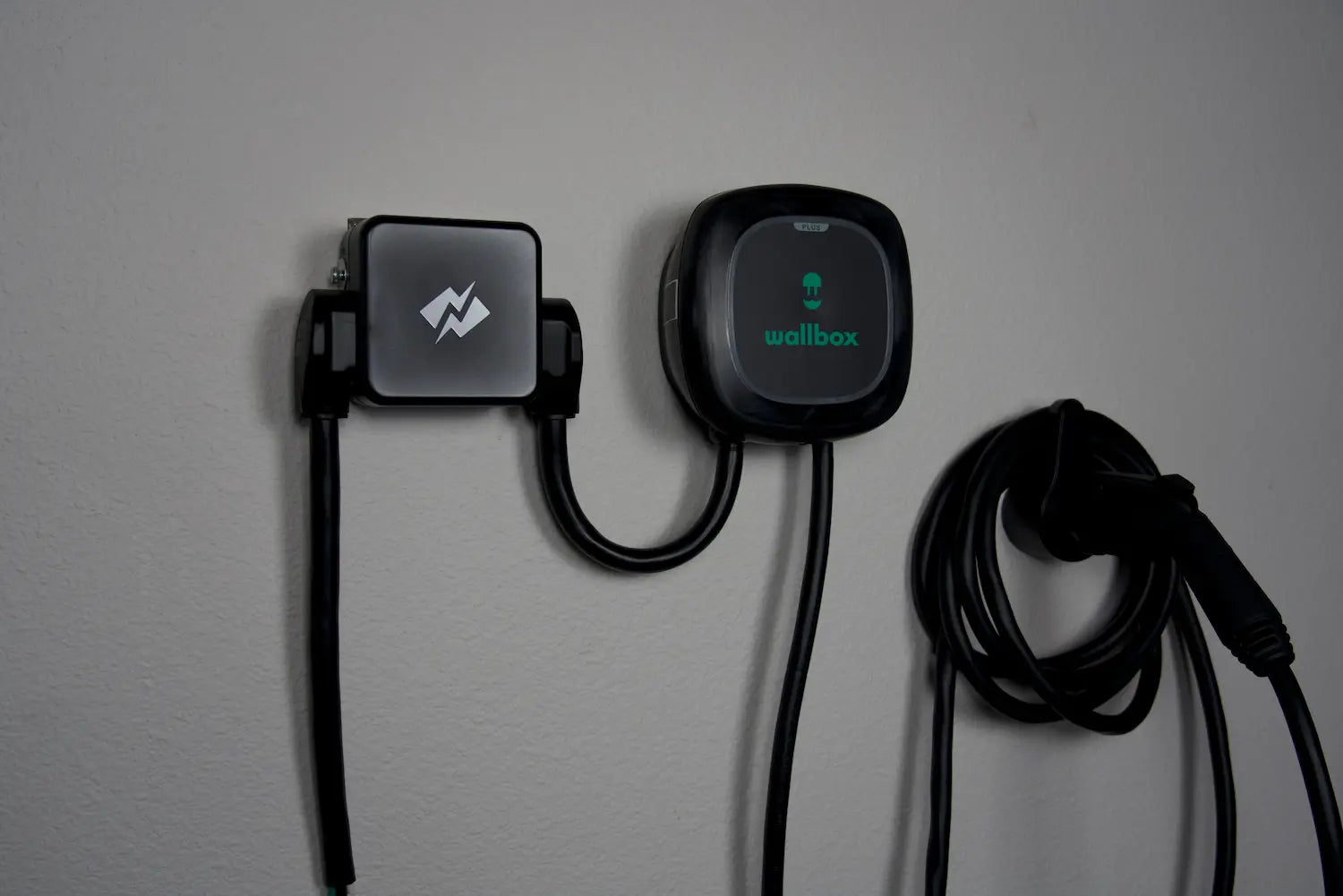
Want smart charging that works at the hardware level? NeoCharge's Smart Splitter provides reliable load management between your EV charger and other appliances, while the NeoCharge app offers intelligent scheduling and monitoring—giving you practical smart charging benefits without complex protocol dependencies.
Next steps (NeoCharge)
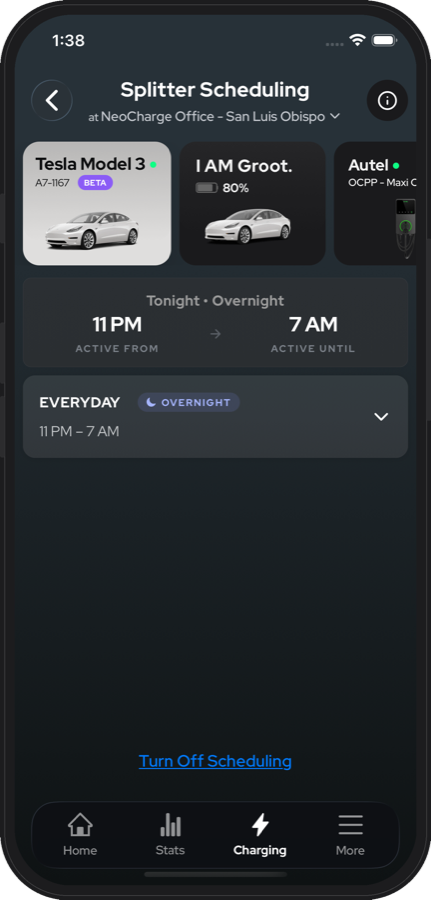
- If you want to safely share a 240V outlet (dryer + EV) or avoid a costly panel upgrade, check out the NeoCharge Smart Splitter.
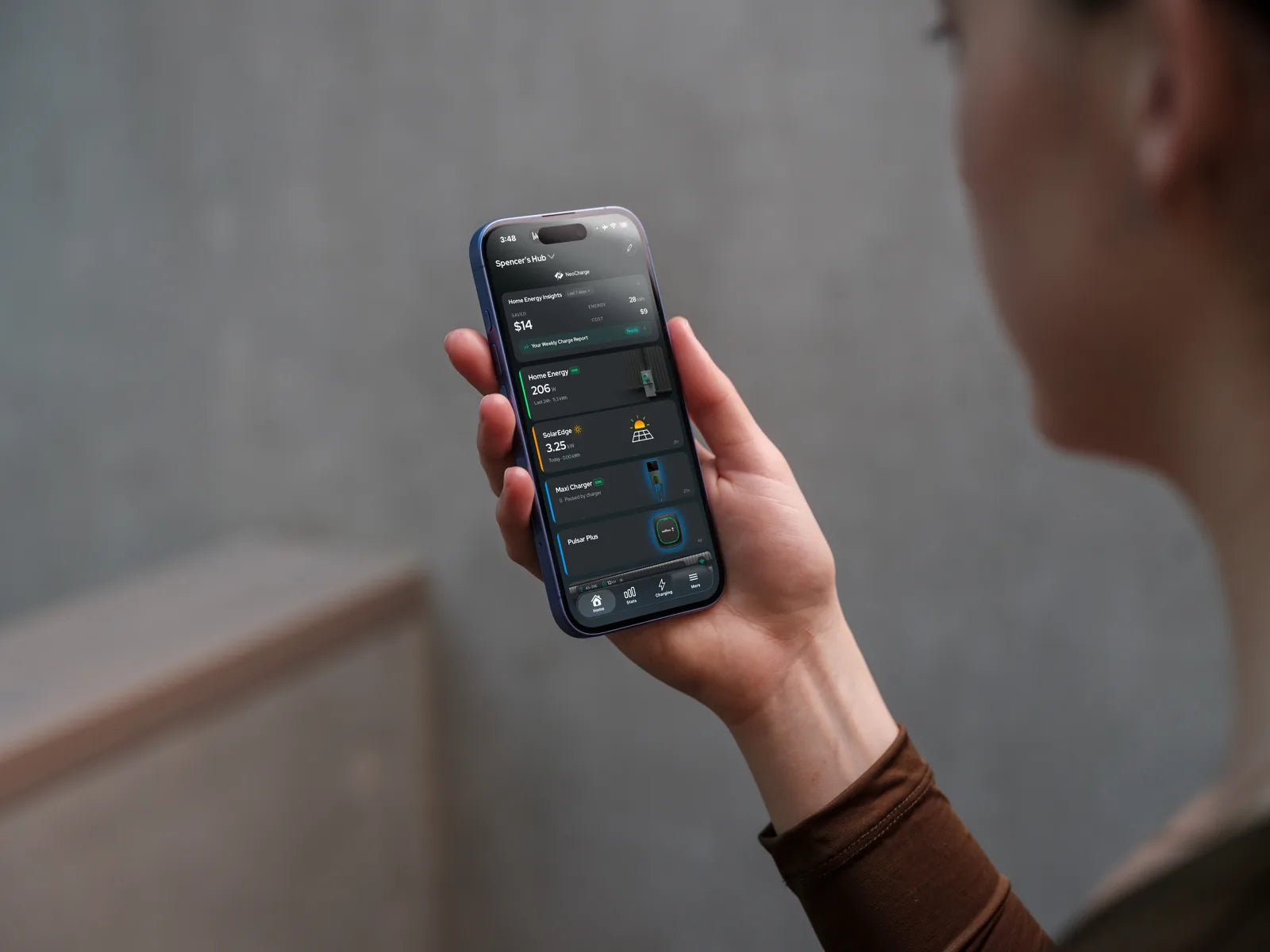
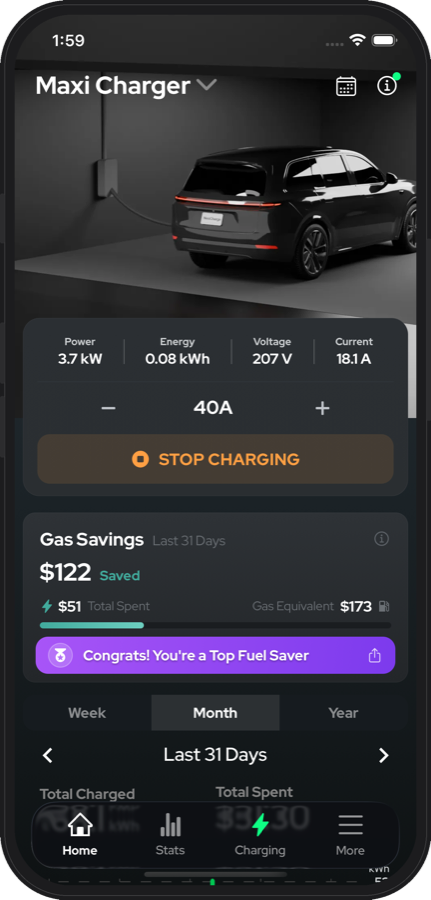
- If you want to reduce charging cost with off-peak schedules and rate-aware automation, explore the NeoCharge App.
NeoCharge App
Turn rate plans into simple charging schedules
Schedule around off-peak windows, manage compatible chargers, and keep tabs on charging sessions from the app.
Explore the app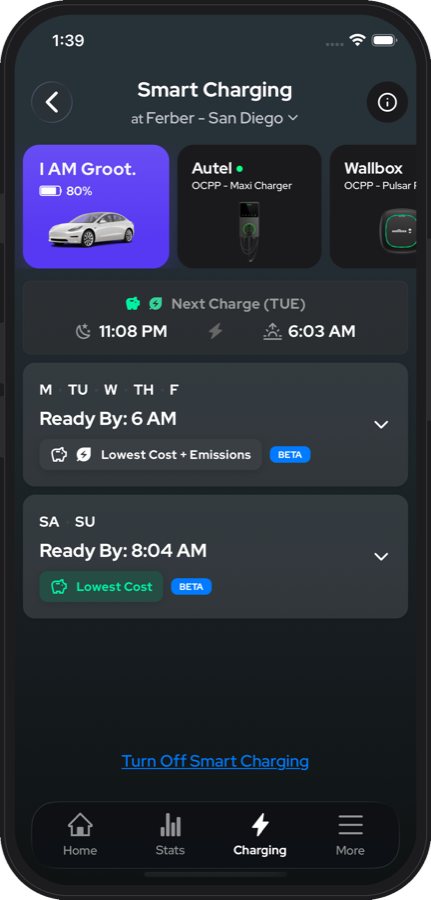
Next steps
Keep going with NeoCharge
Use the article as your decision guide, then jump into the product, app, or related guides that match what you are trying to solve next.
Key terms
- Level 2 charging
- Level 2 EV charging uses a 240V circuit (like a dryer outlet). It typically adds ~20–35 miles of range per hour, depending on your car and the circuit amperage.
- OCPP
- OCPP (Open Charge Point Protocol) is a standard that lets charging stations and software platforms talk to each other—useful for smart charging, monitoring, and interoperability.
- Time-of-use (TOU) rates
- Time-of-use rates are utility pricing plans where electricity costs more at peak hours and less off-peak. Scheduling EV charging off-peak can significantly reduce cost.
- Load management
- Load management is a strategy to keep your home’s electrical load within safe limits—often by scheduling or pausing EV charging when other appliances are running.
FAQs
What's the quick takeaway from this article?
Who is this guide for?
What should I do next?
Related posts
How to Schedule EV Charging During Off-Peak Hours (And Save Hundreds Per Year)
Learn how to schedule EV charging during off-peak hours and save $30-80/month on electricity. Step-by-step guide with real savings examples.


Bidirectional EV Charging at Home: V2H, V2G, V2L, and V2X Explained
Learn how bidirectional EV charging works in 2026, including V2H home backup, V2G grid export, V2L portable power, solar integration, hardware requirements, runtime math, and buyer questions.
Demand Charges vs. TOU Rates for Home EV Charging: What Matters (and How to Avoid Peak Costs)
Learn the difference between demand charges and time-of-use (TOU) rates for home EV charging, how to tell what you’re on, and practical steps to reduce peak costs and charge cheaper overnight.
Managed EV Charging Programs: How They Work, What “Smart Charging” Means, and How to Benefit
Managed (smart) EV charging programs help drivers charge off-peak to save money and support the grid. Learn how they work, what OpenADR signals mean, and how to enroll.
