

Find EV charger rebates by ZIP
Enter your ZIP, or choose a shortcut. We will show the main utility and tax-credit paths first.
Programs, amounts, eligibility, and claim windows change frequently. Always confirm current terms with the utility, tax professional, or program operator before purchasing.
How it works
Claim your EV charger rebate in 4 steps.
Most rebates are post-install: you buy the equipment, install it, then submit proof of purchase to the utility. Plan on 4–8 weeks for utility programs to pay out after an approved application.
- Step 01
Check eligibility
Enter your ZIP above. The finder confirms whether you’re in a participating utility’s service area and lists every rebate that applies to your address.
- Step 02
Buy and install
Purchase a qualifying device (Smart Splitter or approved Level 2 charger) and install it. Save your receipt — every program requires proof of purchase.
- Step 03
Submit application
Apply through your utility’s rebate portal. Installs completed on or before June 30, 2026 may still claim the federal credit with IRS Form 8911 on that year’s return.
- Step 04
Get paid
Utility rebates arrive as a check or bill credit within 4–8 weeks.
WHY HOMEOWNERS CHOOSE SMART SPLITTER
Smart Splitter vs. a traditional Level 2 install.
Traditional L2 charger install
COST
$2,000–$5,000 panel upgrade
Most homes need an electrician + permits + a panel upgrade before a Level 2 charger can run on a dedicated 240V circuit.
INSTALL
Days to weeks of work
Quotes, permits, panel work, inspections. Best case 1 week, worst case 6 weeks of waiting on contractors and utility approval.
CHARGING SPEED
Level 2 — full speed
A dedicated 240V Level 2 charger gives you ~25–30 miles of range per hour of charging. Overnight = full battery.
REBATES
Rebates capped at L2 charger hardware
Many utilities only rebate the Level 2 charger itself, and the federal Form 8911 credit ended for installs after June 30, 2026.
NeoCharge Smart Splitter
COST
$399 plug-and-play
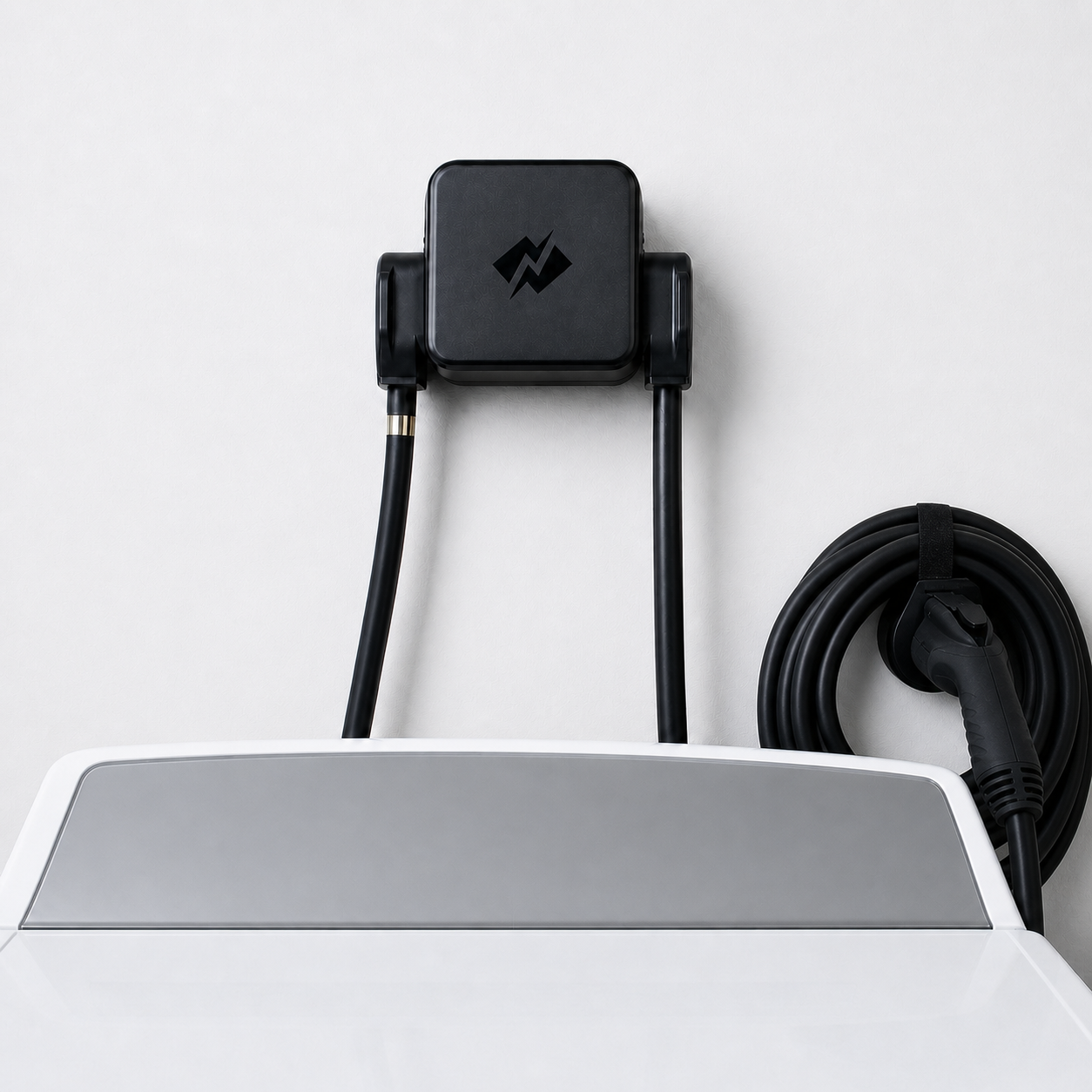
Smart Splitter plugs into your existing 240V dryer or EV outlet. Most utility rebates take this down to $79–$199 net.
INSTALL
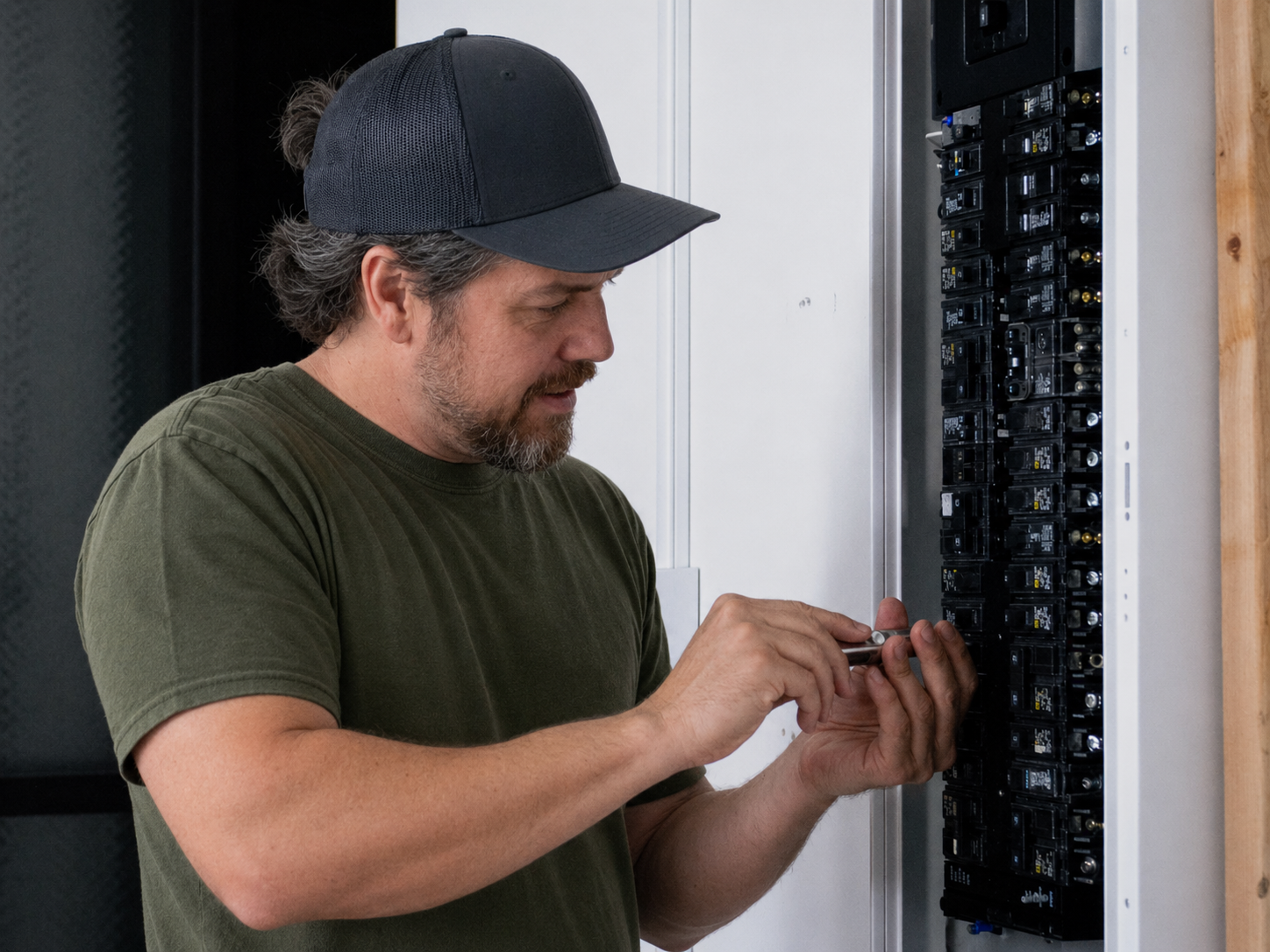
Under 10 minutes, no electrician
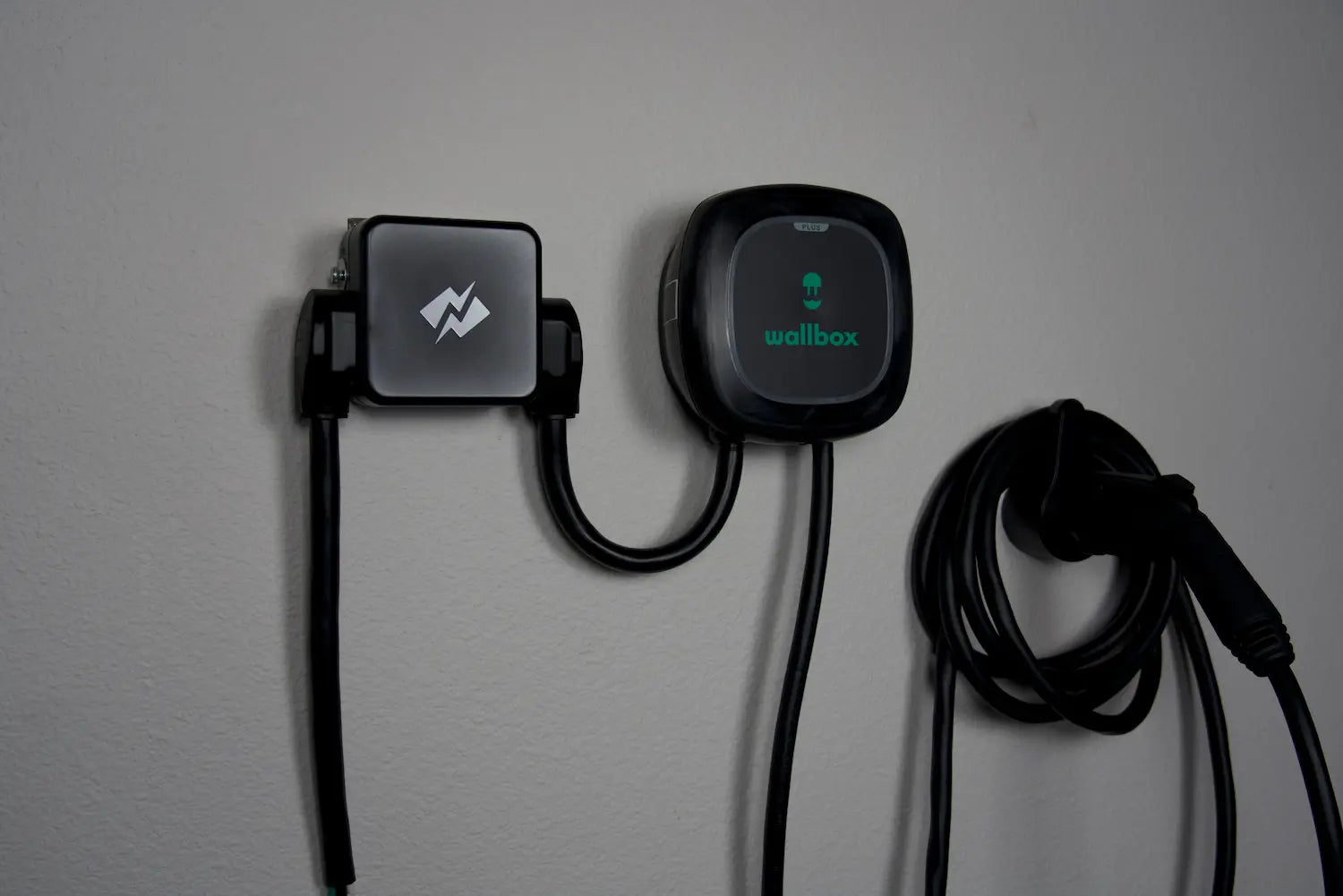
Plug the Smart Splitter into your existing outlet, plug your charger and dryer into it. Done. No electrician, no permit.
CHARGING SPEED
Level 2 — same full speed
Smart Splitter delivers true Level 2 charging on the same 240V circuit. Same speed as a hardwired install — auto-switches with your dryer.
REBATES
Smart Splitter on approved lists
PG&E, SMUD, Tacoma Power, and 3CE all explicitly approve the Smart Splitter — PG&E pays 50% of its price back.
We work with utilities to ensure home electrification is affordable.
Check out some examples of rebates currently offered on the Smart Splitter

Residential Charging Solutions Rebate
Income eligible PG&E customers can receive a rebate up to $700 on the Smart Splitter through the Residential Charging Solutions Rebate

Rebate for EV Power Management Device
Receive a $200 rebate by installing the Smart Splitter to help manage the electrical load from EV chargers.

Charge@Home Incentives Program
Get up to $200 off the Smart Splitter through SMUD in Sacramento. Learn more below about their Charge @ Home Program.

Charger Prep Credit
A credit up to $1,133 per charger to help cover the costs of preparing your home for an electric vehicle charger in eligible areas.

EV Charging Incentives Rebate
Receive a $400 bill credit with the purchase and isntallation of a Smart Splitter. An additional $200 is available for installing a 240V outlet.

...And Many More!
$35M+
Total Smart Splitter Installation Savings By Customers
80%
Avoid A Panel Upgrade
$2,200
Avg. Smart Splitter Customer Savings
REBATE-ELIGIBLE PRODUCTS
Devices approved for the rebates above.
Every program listed on this page approves at least one of the products below. The Smart Splitter is the most-rebated device in our catalog — explicitly named in PG&E, SMUD, Tacoma Power, and 3CE programs.

NeoCharge Smart Splitter
The flagship rebate-eligible device. Plugs into your existing 240V outlet for true Level 2 charging — no panel upgrade.

Smart Splitter — Rebate Edition
Same Smart Splitter, optimized for buyers claiming utility rebates. See your net price after incentives by ZIP.

NEMA Adapters
Not the rebated device — the setup accessory. Pick the adapter that matches your existing outlet (10-30, 14-30, 14-50, 6-50, 10-50) and bundle it with the Splitter.
FREQUENTLY ASKED
EV charger rebate questions, answered.
The questions we get most often from customers stacking federal + utility rebates on home EV charging equipment.
Not for new installs — the federal Alternative Fuel Vehicle Refueling Property Credit (IRS Form 8911) ended for charging equipment placed in service after June 30, 2026. If your equipment was installed on or before that date, you can still claim 30% (up to $1,000) on the return for that tax year.
Today the biggest savings come from your utility: PG&E, for example, pays 50% of the Smart Splitter’s price back, and NeoCharge checkout offers stack on top where available. Utility rebates typically cannot be combined with each other — you pick one.
The federal Alternative Fuel Vehicle Refueling Property Credit covered 30% of the cost of qualified EV charging equipment installed at your primary residence, up to $1,000. It ended for equipment placed in service after June 30, 2026.
If your Smart Splitter or Level 2 charger was installed on or before June 30, 2026, you can still claim it by filing IRS Form 8911 with the return for the year it was installed. It is a non-refundable credit — it reduces your tax liability dollar-for-dollar but does not pay out beyond what you owe.
California has the densest rebate landscape in North America. As of September 2026 we track residential rebates from PG&E (50% of an approved device’s price back — up to $2,000 income-qualified; the Smart Splitter is on PG&E’s approved equipment list), SMUD (up to $200 for a circuit-sharing device, Sacramento), 3CE / Central Coast Community Energy (up to $2,000, or $2,400 with CARE/FERA — applications due September 30, 2026), LADWP (up to $1,500 income-qualified, Los Angeles), Pasadena Water & Power ($600 Wi-Fi / $200 standard), and Silicon Valley Power (up to $550, Santa Clara). Enter your ZIP at the top of this page to see which apply to your address.
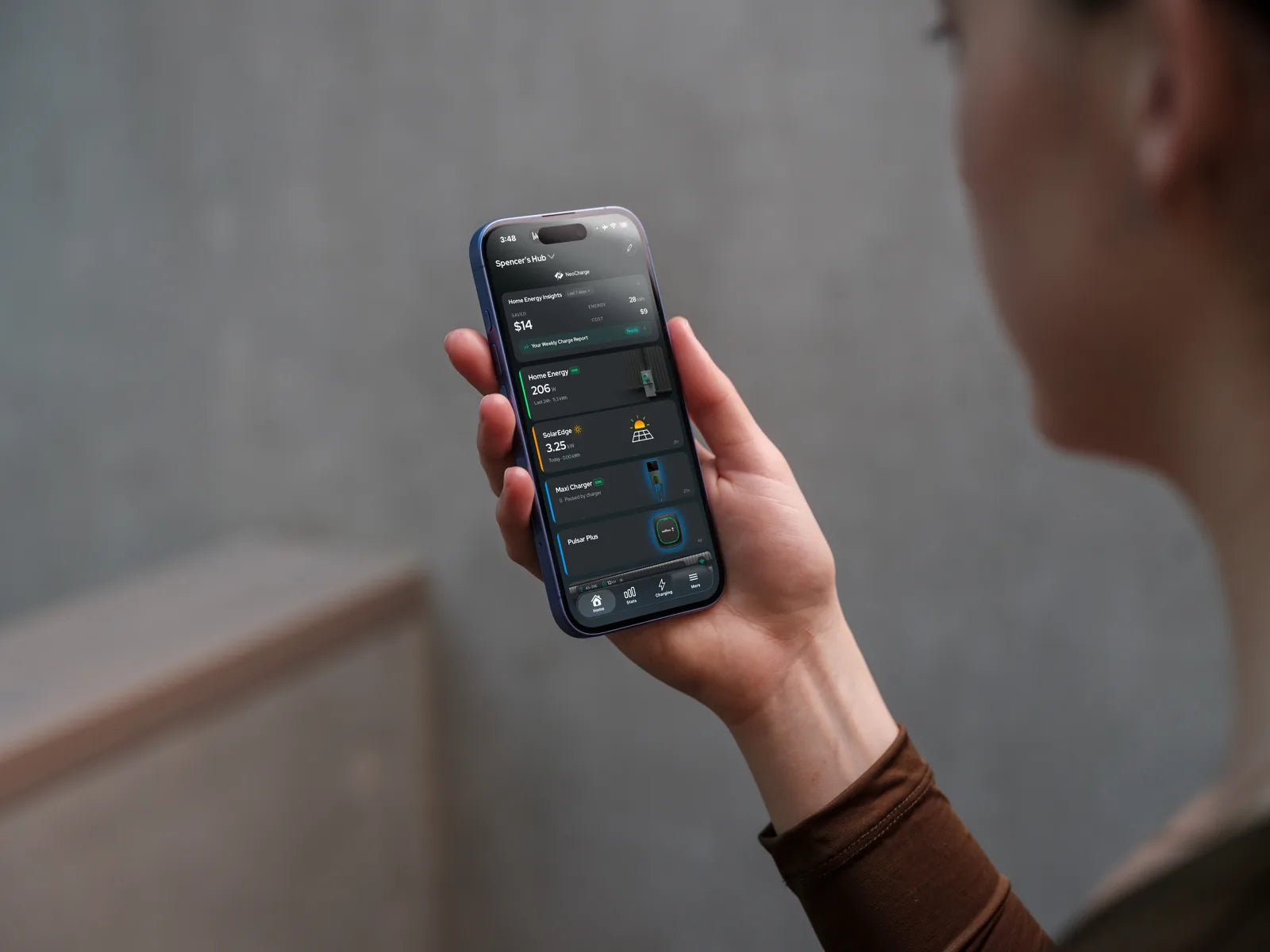
It depends on the program. Many utilities require a Wi-Fi enabled, smart-grid-capable device because the rebate is partially funded as a grid-management investment — the utility wants to schedule charging into off-peak hours. The NeoCharge Smart Splitter qualifies under most of these programs because it includes Wi-Fi and integrates with the NeoCharge App for off-peak scheduling.
A handful of programs (e.g. Pasadena Water & Power) offer a higher rebate tier specifically for Wi-Fi connected chargers vs. a lower tier for standard L2 hardware.
A Level 2 charger rebate covers the EVSE itself (the charger). It typically requires you to install it on a dedicated 240V circuit — which often means an electrical panel upgrade ($2,000–$5,000) for older homes. A Smart Splitter rebate covers the NeoCharge Smart Splitter, which avoids the panel upgrade entirely by sharing your existing 240V dryer or EV outlet between two devices.
Utilities like PG&E, SMUD, Tacoma Power, Duke Energy, and 3CE explicitly approve the Smart Splitter as an eligible device because it qualifies as an EV power management / circuit sharing device.
Utility rebates: typically 4 to 8 weeks from application submission to delivery, either as a mailed check or a credit applied to your utility bill. Most utilities require proof of purchase + proof of installation before processing.
If you are claiming the now-ended federal credit for an install completed by June 30, 2026, it applies when you file the return for that year — it reduces the tax you owe rather than arriving as a separate payment.
Check whether your state has a separate state-level EV incentive program (search the DOE’s Alternative Fuels Data Center), and ask your utility’s customer service whether a pilot program is in development — programs are added every quarter. If your equipment was installed on or before June 30, 2026, the federal credit (IRS Form 8911) may also still apply to that tax year. If we’re missing a program you know about, email hello@neocharge.io and we’ll add it.
Sources & methodology
Rebate amounts, eligibility rules, and ZIP coverage on this page are sourced directly from each program’s official website. NeoCharge cross-checks every program quarterly. Programs change — always confirm current terms with the program operator before purchasing.