




NEMA 6-20 EV Charging Guide (2026): A Cheap, Entry-Level Level 2 Setup

 The short answer
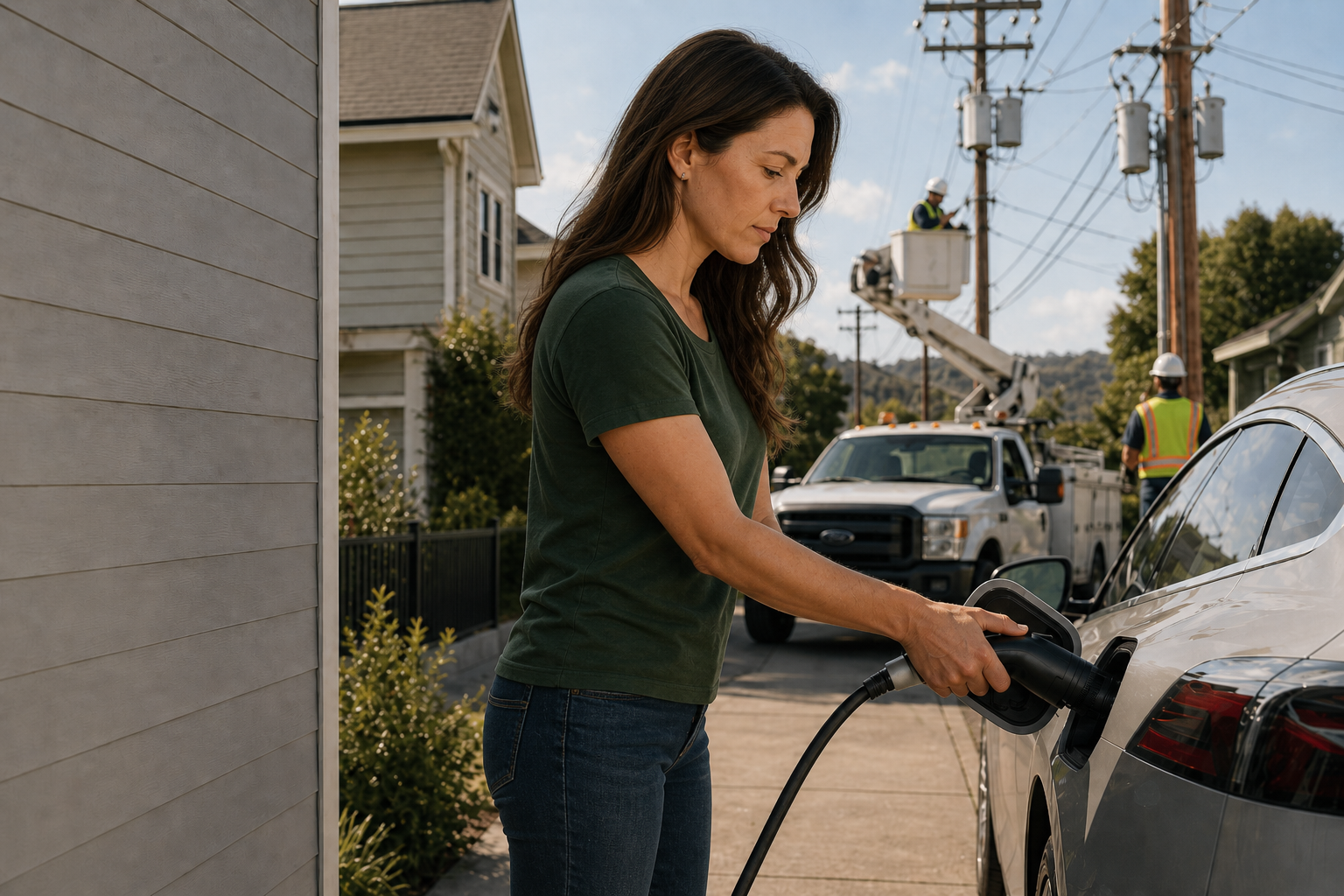
Can you charge an EV on a NEMA 6-20 outlet? Yes—learn typical speed (16A continuous), safety considerations, and how to get the most savings by charging off-peak.
Key takeaways
- A NEMA 6-20 is a 240V / 20A receptacle (two hots + ground, no neutral).
- For EV charging (a continuous load), you typically plan around the 80% rule: 20A circuit → 16A charging.
- Outdoor charging is possible if the equipment is outdoor-rated and installed correctly.
Best fit Is this guide right for you?
Drivers with time-of-use rates, off-peak discounts, utility programs, or charging schedules they want to automate.
Homes on flat electric rates where charging time does not change cost, unless you still want tracking and reminders.
What is a NEMA 6-20 outlet?
A NEMA 6-20 is a common 240V receptacle used for certain appliances and tools. For EV drivers, it’s interesting because it can support Level 2 charging without the cost/complexity of installing a 40–60A circuit.
How fast can you charge on NEMA 6-20?
The exact speed depends on your EV and EVSE (charger). But here’s a realistic way to think about it:
- 240V × 16A ≈ 3.8 kW
- That’s often 2–3× faster than typical Level 1 charging.
DOE’s home charging overview explains the basics of Level 1 vs Level 2 home charging and why Level 2 is faster (240V).
Rough “overnight” expectation
A 3.8 kW setup can add meaningful range overnight for many drivers—especially if you’re not trying to refill a large battery from empty every day.
The safety rule that matters: EV charging is a continuous load
Home EV charging frequently runs for 3+ hours, which is why it’s treated as a continuous load in electrical design.
Practical implication: a 20A circuit is usually planned for 16A max continuous charging.
If you’re shopping for equipment, look for:
- EVSE that supports 16A at 240V (and matches your plug type)
- Safety certification (nationally recognized testing laboratory)
DOE also recommends purchasing safety-certified charging equipment and notes that “smart” chargers may include scheduling/timers and communications.
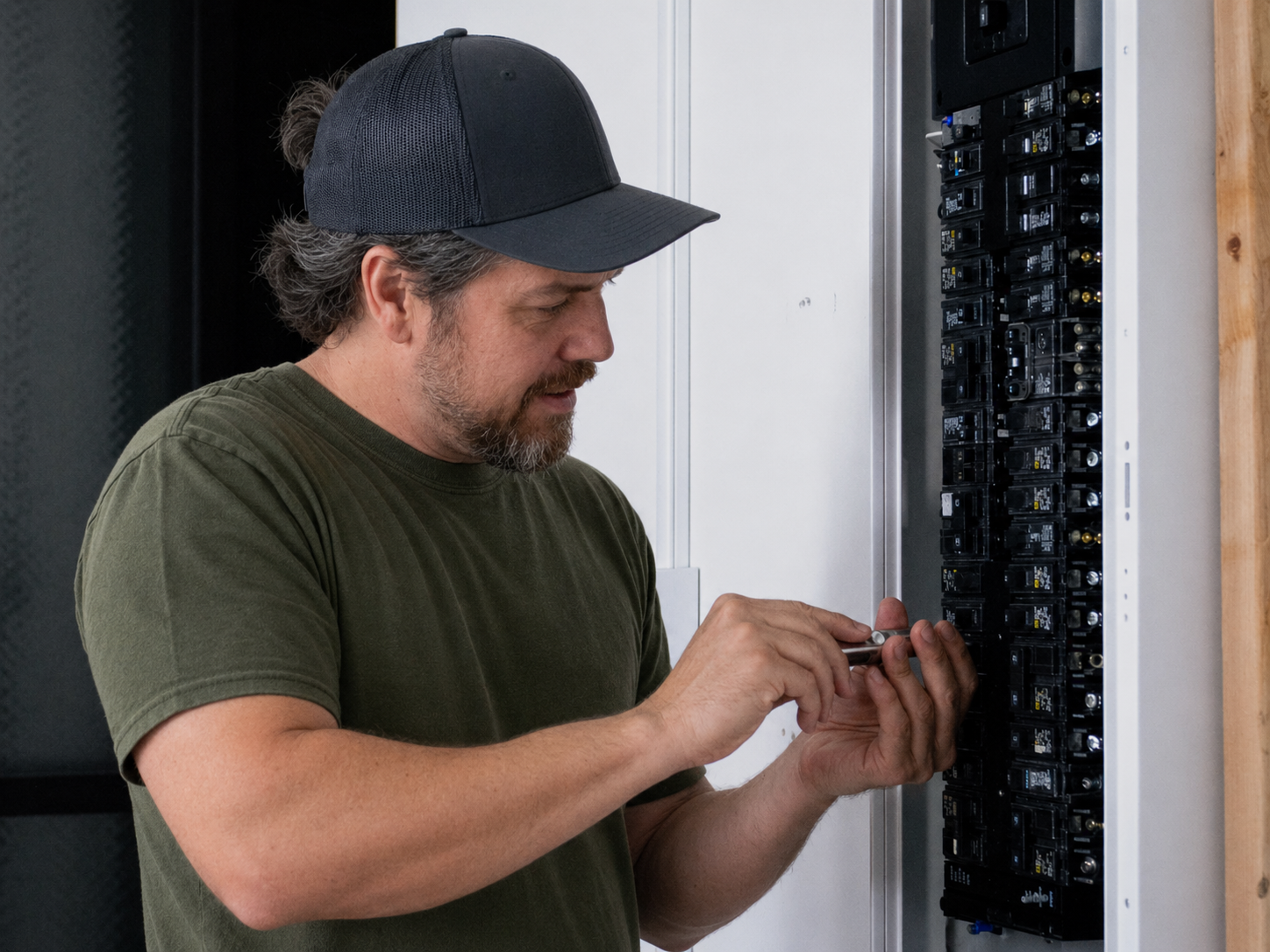
Safety note: Electrical code requirements vary by jurisdiction. For any new circuit, receptacle replacement, or uncertain wiring, hire a licensed electrician and follow local permitting rules.
When NEMA 6-20 makes sense (and when it doesn’t)
Good fit
- You drive a moderate daily mileage
- You can charge overnight regularly
- You want a lower-cost Level 2 option
Not a great fit
- You regularly need 30–40+ miles per hour of charge rate
- You need high-power charging in a short window
- Your parking spot is far from the panel (trenching / long conduit can dominate cost)
How to get the most savings from a NEMA 6-20 setup
1) Align charging with off-peak hours
If you’re on TOU rates, a 3.8 kW charger can be perfect for “slow and cheap” charging in a super off-peak window.
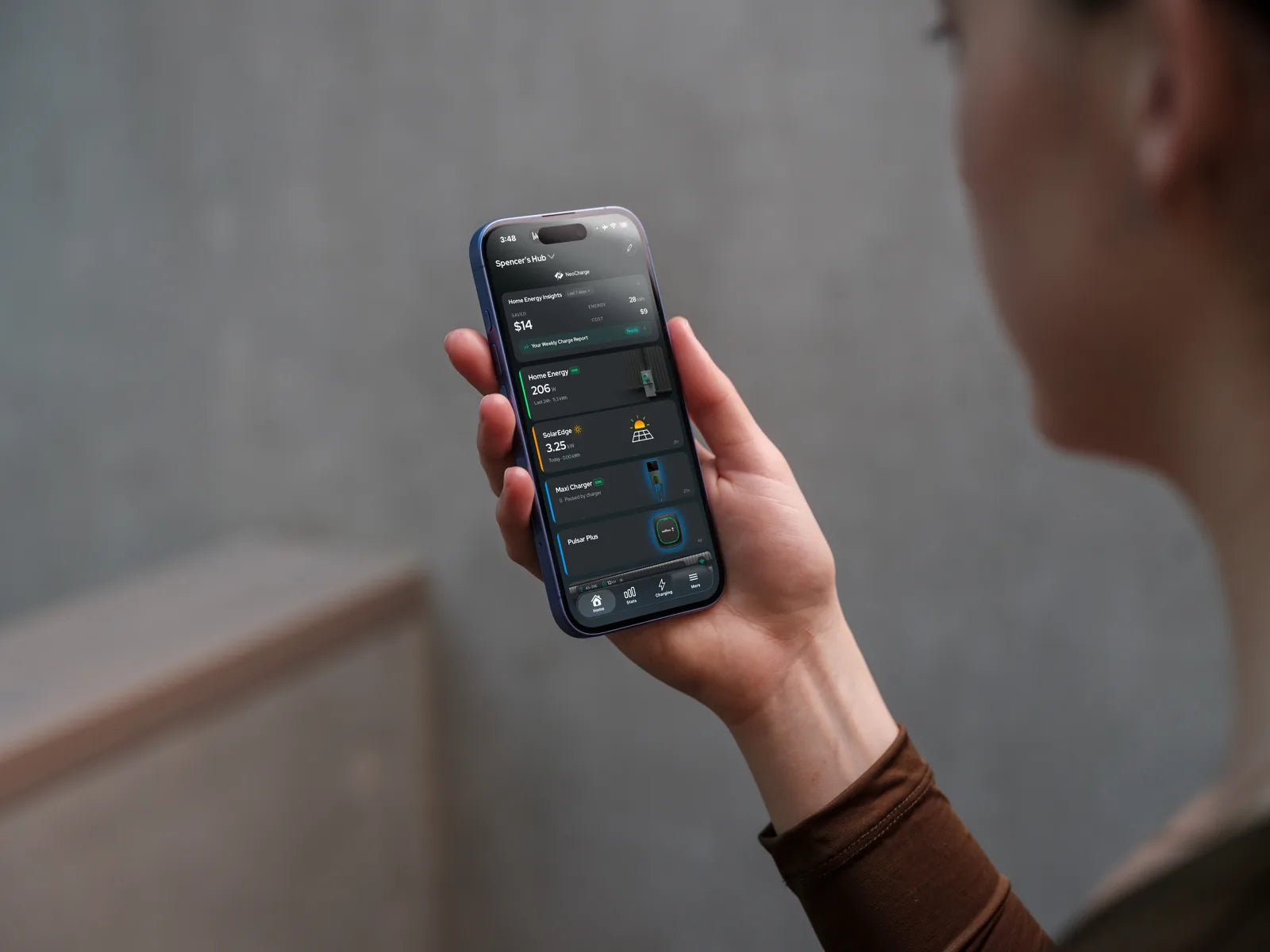
If you want TOU-aware scheduling and cost tracking, the NeoCharge App is the first place to start.
2) Avoid sharing circuits in unsafe ways
Do not use questionable adapters, undersized extension cords, or “daisy chained” power strips.
If your real-life problem is sharing one 240V outlet between two high-power uses (like dryer + EV), you need real load management—not a splitter plug.
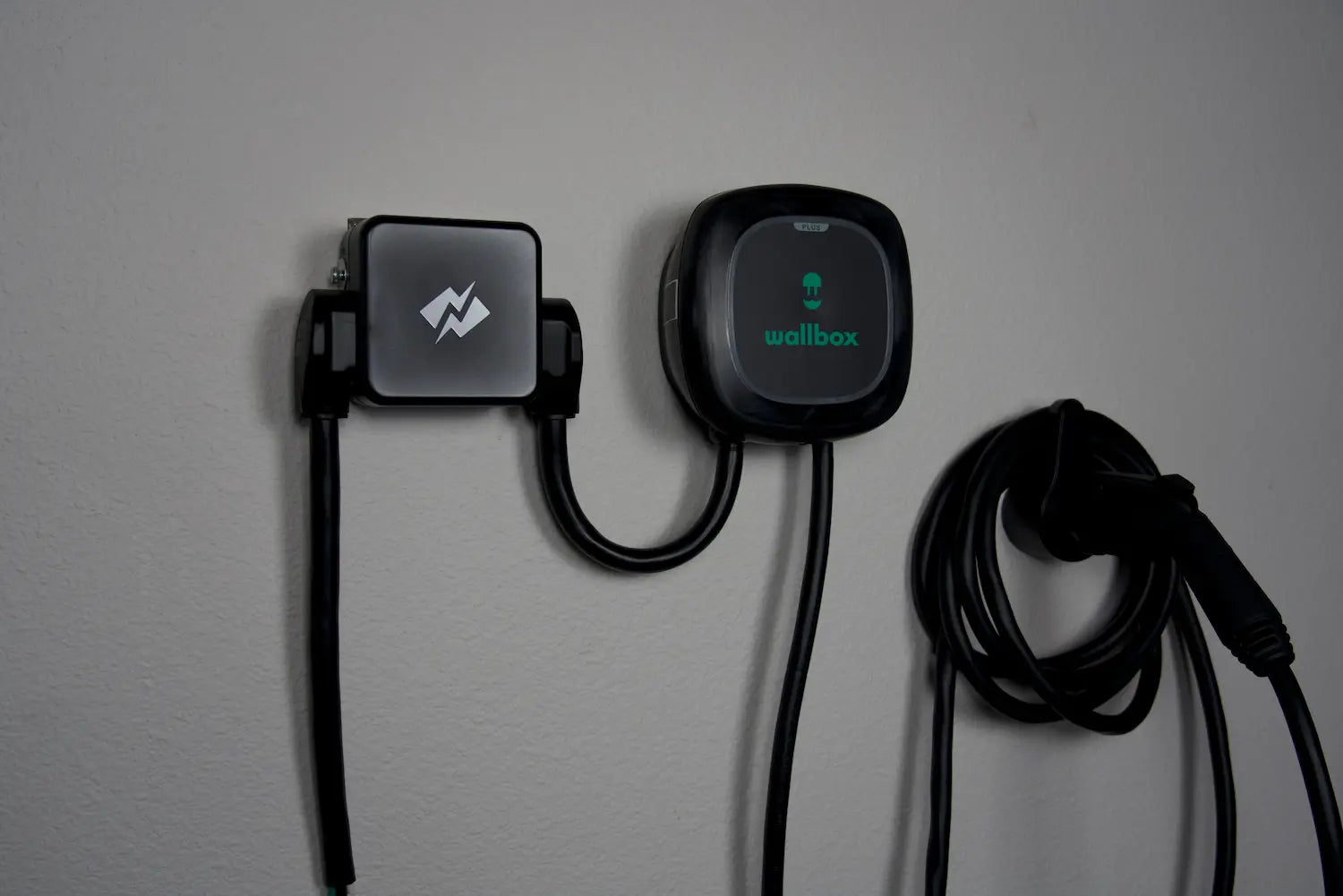
For automatic sequencing between appliances and EV charging, use a purpose-built device like the NeoCharge Smart Splitter.
Installation and equipment checklist
- Confirm your receptacle is truly NEMA 6-20 (not 5-20 / 6-15 / other)
- Confirm the circuit and breaker rating (typically 20A)
- Use a compatible EVSE with the correct plug
- Ensure the outlet is in good condition (no heat damage, loose fit)
- If outdoors: use outdoor-rated equipment and proper weather protection
FAQ
Can I use a NEMA 6-20 on a 15A circuit?
No. A NEMA 6-20 is for 20A circuits. If the circuit is 15A, you need equipment and a receptacle appropriate for 15A.
Is NEMA 6-20 “Level 2”?
Yes—because it’s 240V AC. It’s simply a lower-power form of Level 2.
Will this reduce my electric bill?
It can if it lets you charge more reliably during off-peak periods on a TOU plan.
Next steps (NeoCharge)
- Optimize off-peak schedules and track costs over time with the NeoCharge App.
- Need safe outlet sharing / load management to avoid conflicts or a panel upgrade? Start with the Smart Splitter.
NeoCharge App
Turn rate plans into simple charging schedules
Schedule around off-peak windows, manage compatible chargers, and keep tabs on charging sessions from the app.
Explore the app


Next steps
Keep going with NeoCharge
Use the article as your decision guide, then jump into the product, app, or related guides that match what you are trying to solve next.
Key terms
- Level 2 charging
- Level 2 EV charging uses a 240V circuit (like a dryer outlet). It typically adds ~20–35 miles of range per hour, depending on your car and the circuit amperage.
- EVSE
- EVSE stands for Electric Vehicle Supply Equipment (the “charger”). It safely delivers power to your EV and communicates with the car to control charging current.
- Time-of-use (TOU) rates
- Time-of-use rates are utility pricing plans where electricity costs more at peak hours and less off-peak. Scheduling EV charging off-peak can significantly reduce cost.
- Load management
- Load management is a strategy to keep your home’s electrical load within safe limits—often by scheduling or pausing EV charging when other appliances are running.
FAQs
What's the quick takeaway from this article?
Who is this guide for?
What should I do next?
Related posts

Home EV Charging in Canada
The 2026 Canadian home EV charging playbook: BC Hydro $200 power-management offer, Ontario ULO at 3.9¢/kWh, Quebec $600 Écorecharge, NEMA 14-30 dryer outlets, and Smart Splitters from $399 CAD.
NEC 625 Continuous Load (125% Rule) Explained: Why EV Charger Breaker Sizing Matters
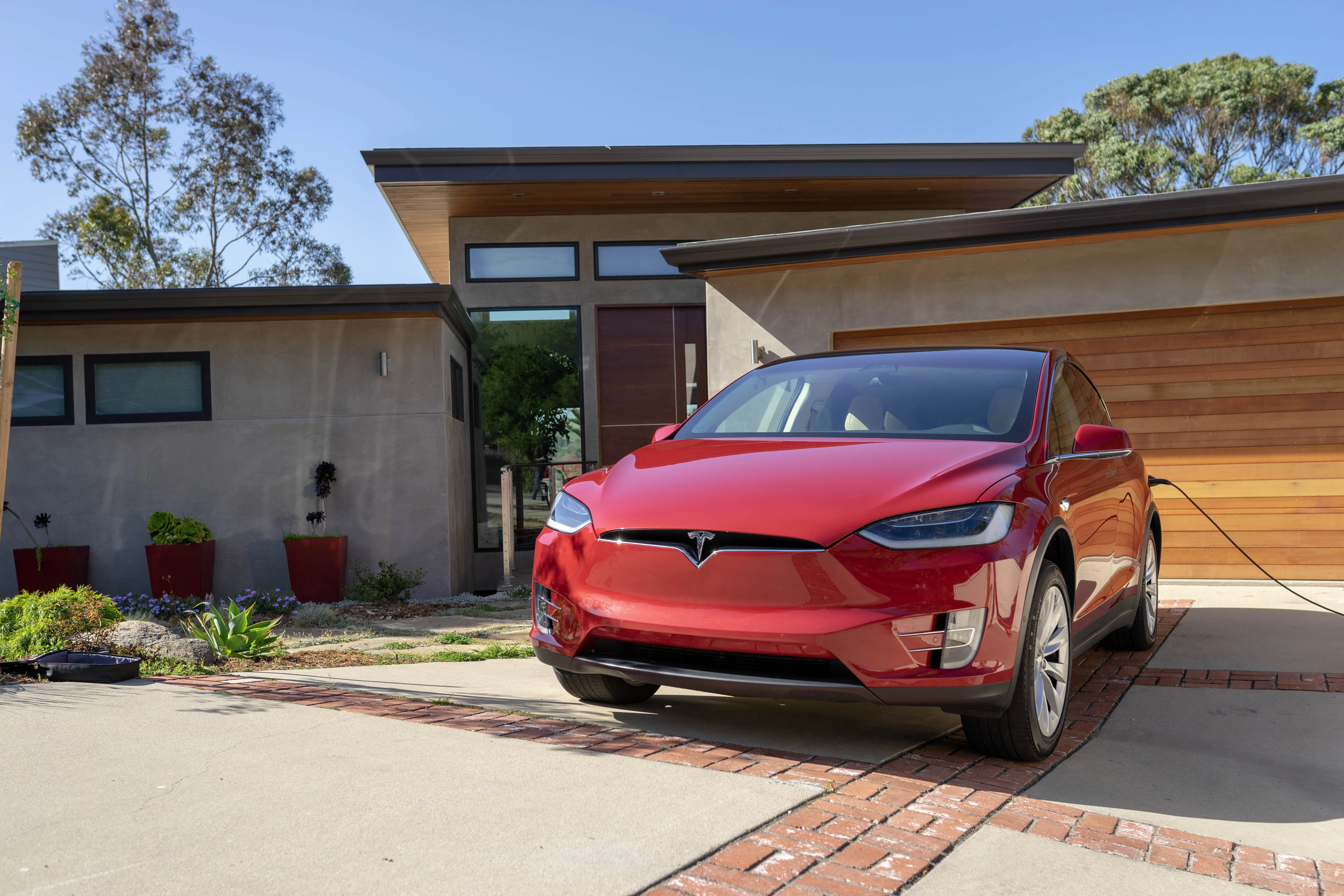
EV charging is typically a continuous load. Learn the NEC 625 125% sizing concept in plain English, common breaker pairings (32A→40A, 40A→50A), and safety tips for homeowners.

Bidirectional EV Charging at Home: V2H, V2G, V2L, and V2X Explained
Learn how bidirectional EV charging works in 2026, including V2H home backup, V2G grid export, V2L portable power, solar integration, hardware requirements, runtime math, and buyer questions.

How Do You Charge an Electric Car at Home? (2026 Guide)
How do you charge an electric car at home? Plug into a 120V (Level 1) or 240V (Level 2) outlet, usually overnight. See speeds, costs, equipment, and how to skip a panel upgrade.
