





Demand Charges vs. TOU Rates for Home EV Charging: What Matters (and How to Avoid Peak Costs)

The short answer
Learn the difference between demand charges and time-of-use (TOU) rates for home EV charging, how to tell what you’re on, and practical steps to reduce peak costs and charge cheaper overnight.
Key takeaways
- If your utility offers an EV TOU plan, it often includes a super off-peak window (e.g., midnight–6am) designed for EV charging.
- Even without residential demand charges, peak-hour charging can still cost more (higher $/kWh) and stress the grid.
Best fit Is this guide right for you?
Drivers with time-of-use rates, off-peak discounts, utility programs, or charging schedules they want to automate.
Homes on flat electric rates where charging time does not change cost, unless you still want tracking and reminders.
What’s the difference: demand charges vs TOU?
TOU (time-of-use)
TOU rates change the price per kWh depending on the hour/day/season. You pay more during peak demand windows and less when the grid is underutilized.
Example: SDG&E’s EV-TOU-5 plan highlights an on-peak window of 4–9pm and a super off-peak window midnight–6am (prices effective Jan 1, 2026). Source: sdge.com
Demand charges
Demand charges bill you for your highest power draw (kW) during the billing period—often your maximum 15-minute (or hourly) demand.
Plug In America’s primer explains demand charges as a way to pay for grid capacity built to meet maximum demand—typically applied to larger commercial/industrial customers, not most residential customers. Source: pluginamerica.org
Do homeowners pay demand charges for EV charging?
Usually no—most EV owners charging at home are residential customers billed mainly by kWh.
That said:
- Some utilities are experimenting with new residential bill structures.
- Certain “special” residential tariffs (or home + solar + battery programs) may include demand-style components.
If you’re unsure, look for a line item that mentions:
- “Demand (kW)”
- “Max demand”
- “Peak kW”
If you only see “kWh” and time-period pricing, you’re likely on TOU without demand charges.
Why peak power still matters even without demand charges
Even if you’re not billed a demand charge, your utility’s highest-cost hours are generally the times when the grid is under the most strain.
Research summarized by NBER shows EV charging behavior responds to incentives that shift charging to off-peak hours—helping reduce system costs for EV integration. Source: NBER off-peak charging study
And state energy groups have documented how demand-charge design can make EV charging economics tricky—especially for higher-power charging. (Good context even for homeowners.) Source (NASEO PDF): naseo.org
How to lower EV charging cost under TOU (and reduce peak stress)
1) Move charging to the cheapest window
If your plan has super off-peak, start there.
- Set your EV/charger schedule to begin after off-peak starts.
- Avoid “plug in at 6pm and forget it” if 4–9pm is on-peak.
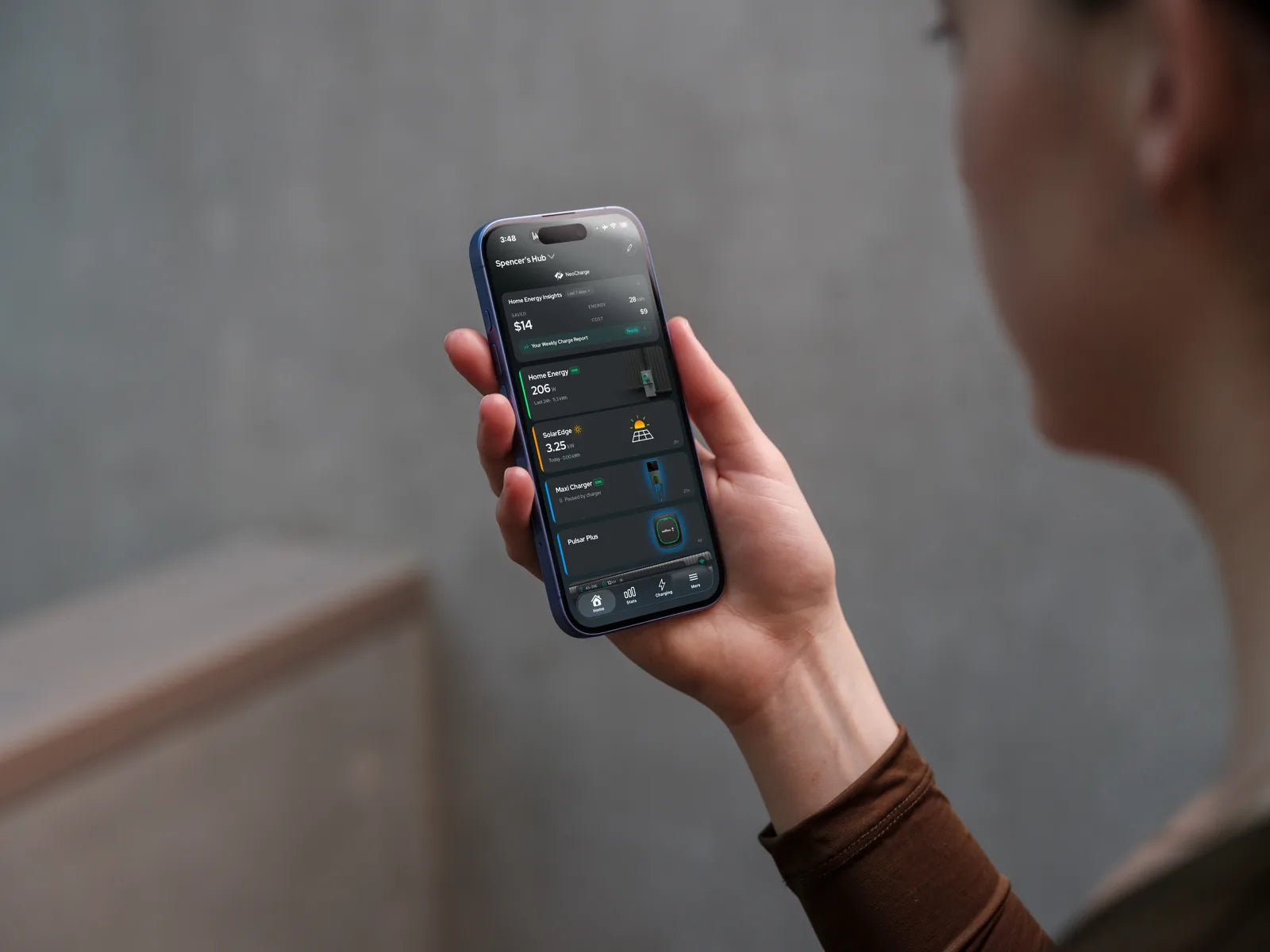
If you want a simpler way to manage TOU schedules and see cost impacts over time, this is where the NeoCharge App can help: NeoCharge App
2) Don’t stack big loads
A common (avoidable) pattern:
- EV charging (7–11 kW)
- electric dryer / oven / water heater
- AC compressor
Even if you don’t have demand charges, this can push usage into expensive TOU blocks or increase total household kWh during peak windows.
3) Use load management when the constraint is electrical capacity
If your challenge is “I need to charge, but I also need my dryer/other appliance,” hardware load management helps prevent simultaneous operation.
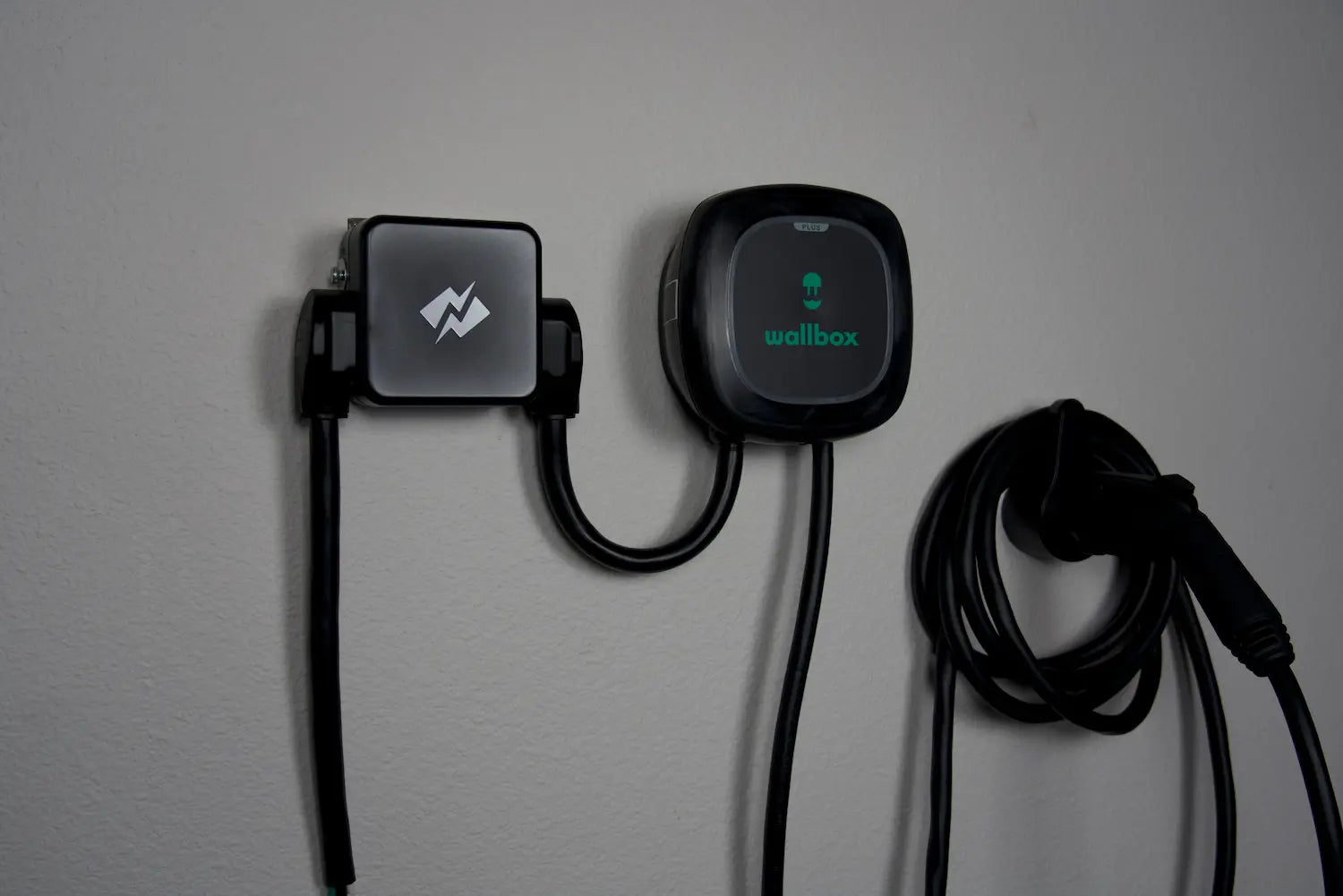
If you share an outlet or circuit (e.g., dryer + EV), consider an automatic solution like NeoCharge Smart Splitter: NeoCharge Smart Splitter
4) Consider a lower amperage charging setting
If your utility’s peak window is short (e.g., 4–9pm), and you must charge during part of it, reducing current can lower your peak power draw and finish the rest overnight.
Quick checklist: which plan should I choose?
Choose a TOU EV plan if:
- You can reliably charge overnight
- You want a clear “cheap window” for charging
Be cautious with demand-style tariffs if:
- You have many large electric loads that overlap
- You frequently need to charge at high power during peak times
When in doubt: run a 1–2 month experiment with off-peak-only charging and compare bills.
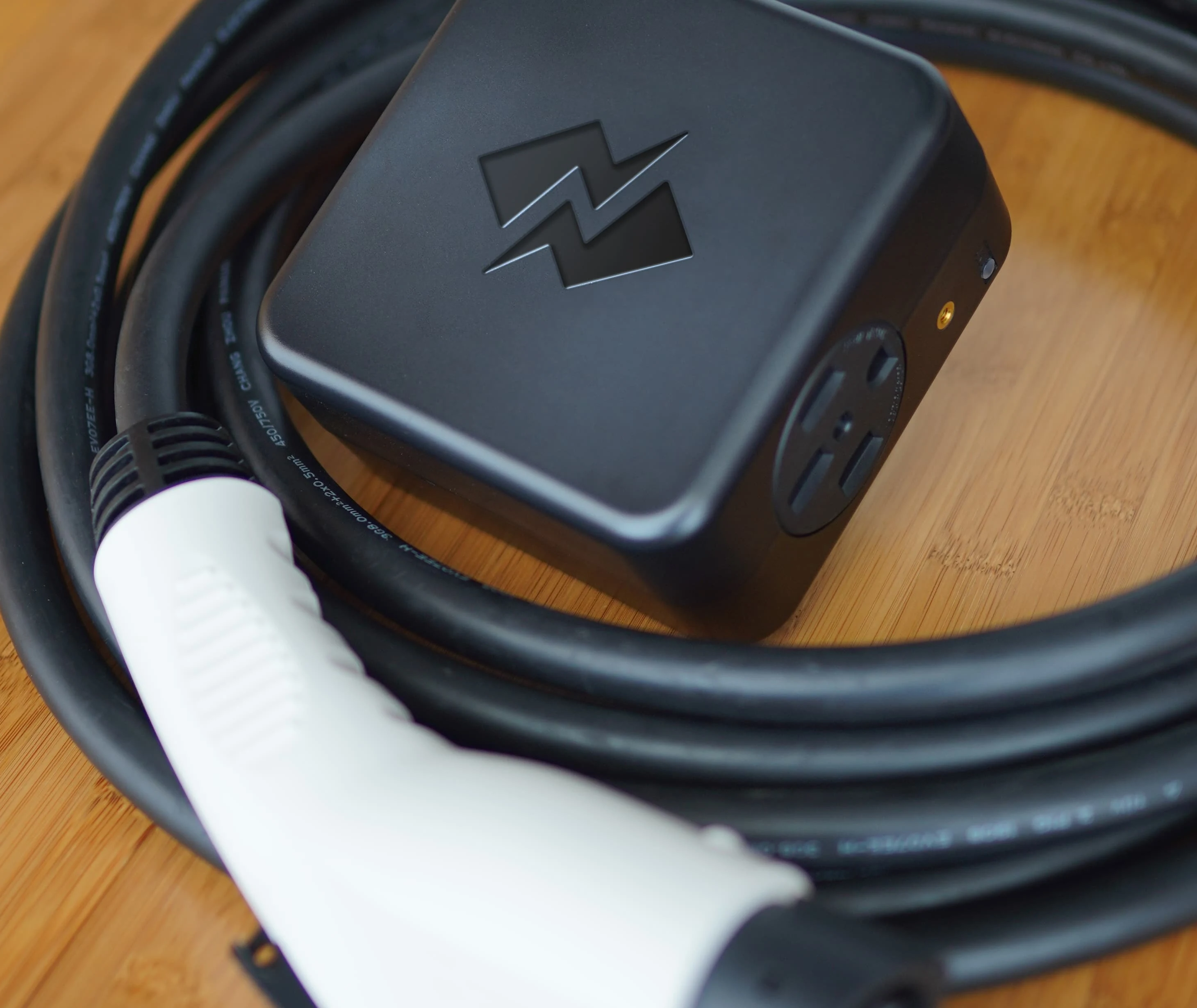
Skip the panel upgrade
Level 2 charging from the outlet you already have
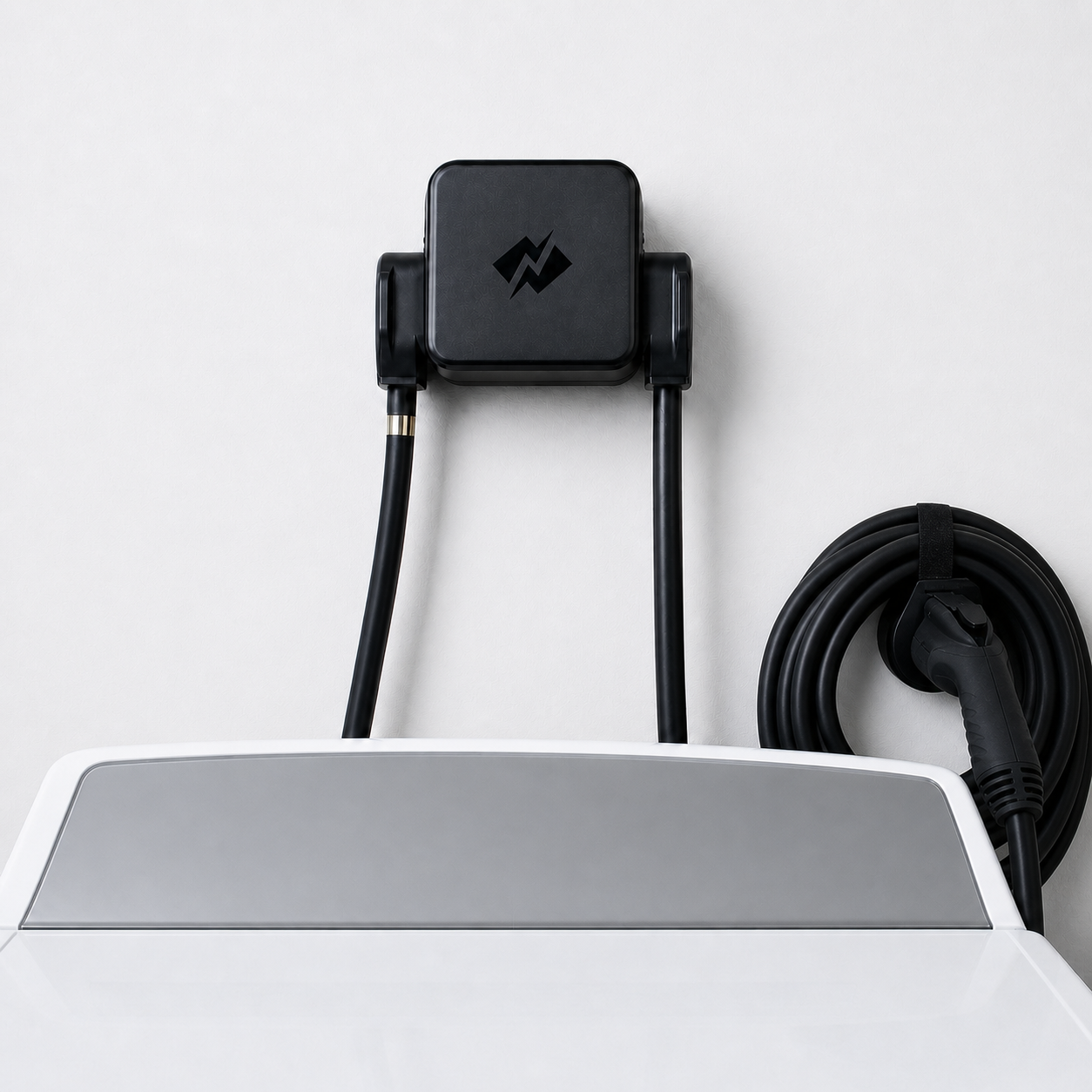
Plug into the 240V dryer outlet you already have. The dryer gets priority and your EV charges the rest of the night, with no panel upgrade and no new circuit. cUL Listed for the US and Canada, with rebates from 30+ utilities.
FAQ
Are demand charges the same as peak kWh pricing?
No. TOU changes your price per kWh by time. Demand charges bill you for the single highest kW draw.
What’s the biggest EV charging cost lever at home?
For most households: when you charge (TOU scheduling) and avoiding expensive on-peak windows.
Can I avoid a panel upgrade and still charge off-peak reliably?
Often yes—especially if your limitation is sharing a circuit/outlet. Load management devices can sequence loads so you can charge during your cheapest window without tripping breakers.
Next steps (NeoCharge)
- Set up TOU-aware scheduling and track savings: NeoCharge App → NeoCharge App
- Need to share a 240V outlet safely (dryer + EV) or avoid a panel upgrade via load management? Smart Splitter → NeoCharge Smart Splitter
NeoCharge App
Turn rate plans into simple charging schedules
Schedule around off-peak windows, manage compatible chargers, and keep tabs on charging sessions from the app.
Explore the app


Next steps
Keep going with NeoCharge
Use the article as your decision guide, then jump into the product, app, or related guides that match what you are trying to solve next.
Key terms
- Time-of-use (TOU) rates
- Time-of-use rates are utility pricing plans where electricity costs more at peak hours and less off-peak. Scheduling EV charging off-peak can significantly reduce cost.
- Load management
- Load management is a strategy to keep your home’s electrical load within safe limits—often by scheduling or pausing EV charging when other appliances are running.
FAQs
What's the quick takeaway from this article?
Who is this guide for?
What should I do next?
Related posts
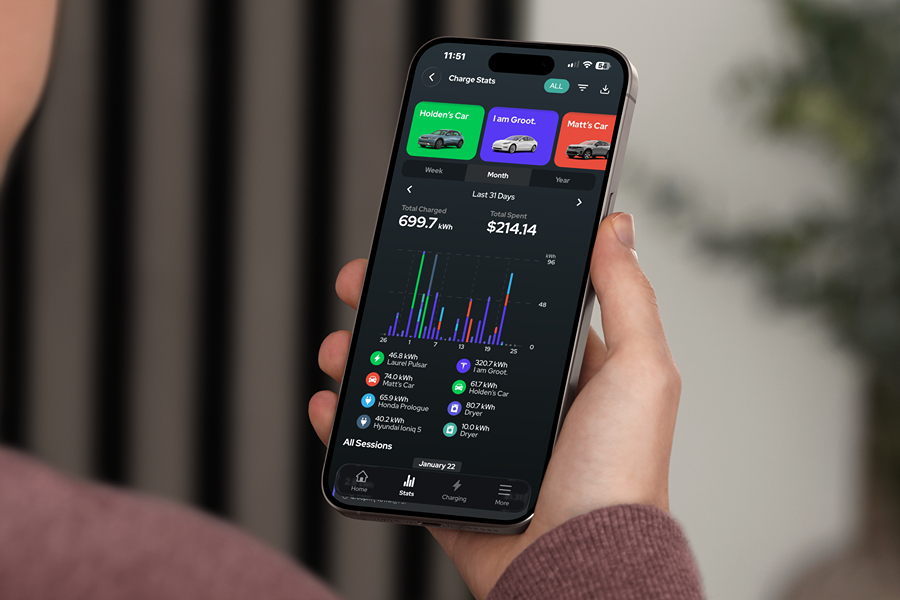

How Much Does It Cost to Charge an EV at Home? (2026, by State)
At the US average 18.3¢/kWh, home EV charging costs about 5.7¢ a mile, or $57 a month for 1,000 miles. Your state's cost, a calculator, and off-peak savings.
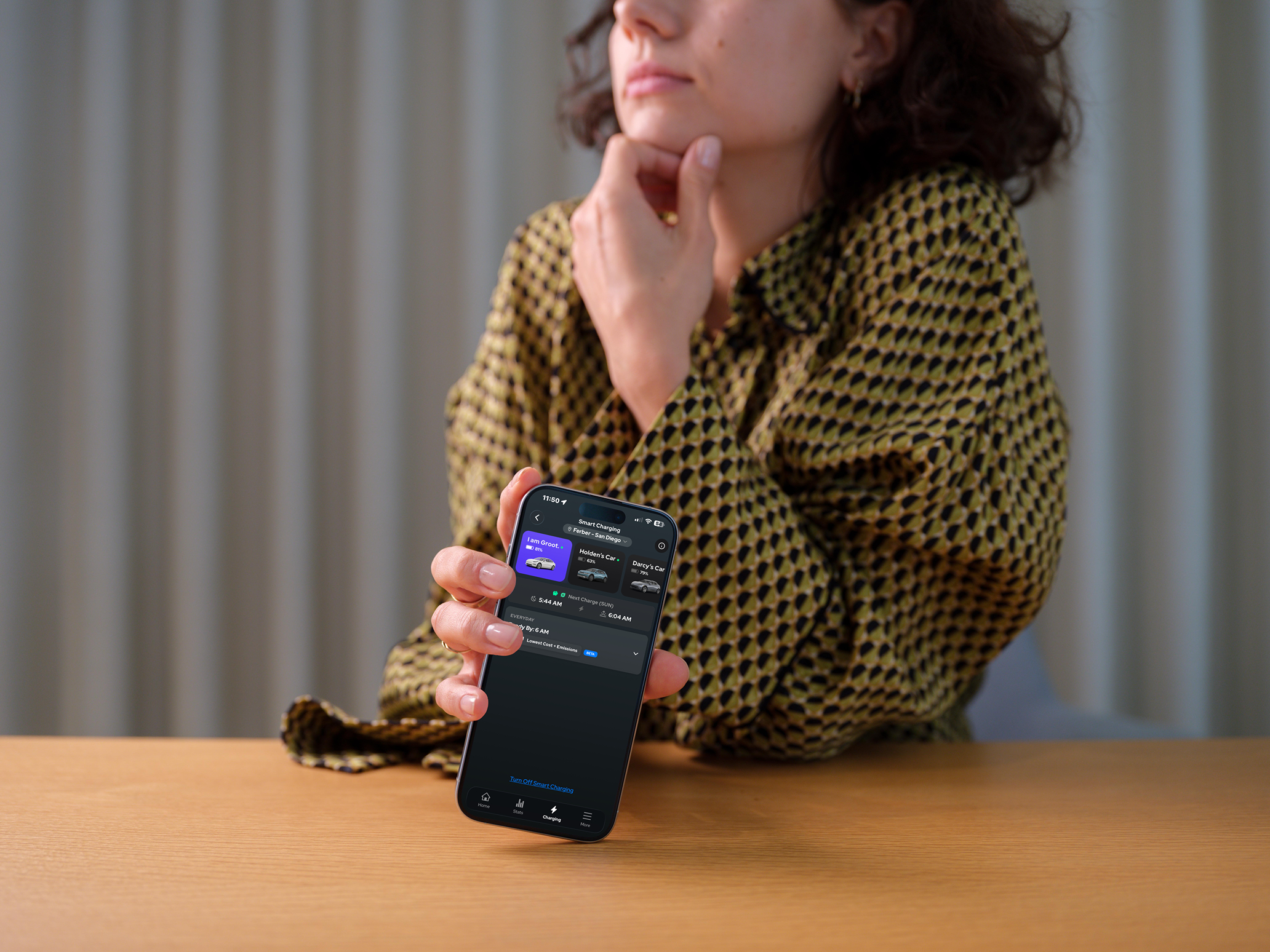
How to Schedule EV Charging During Off-Peak Hours (And Save Hundreds Per Year)
Learn how to schedule EV charging during off-peak hours and save $30-80/month on electricity. Step-by-step guide with real savings examples.
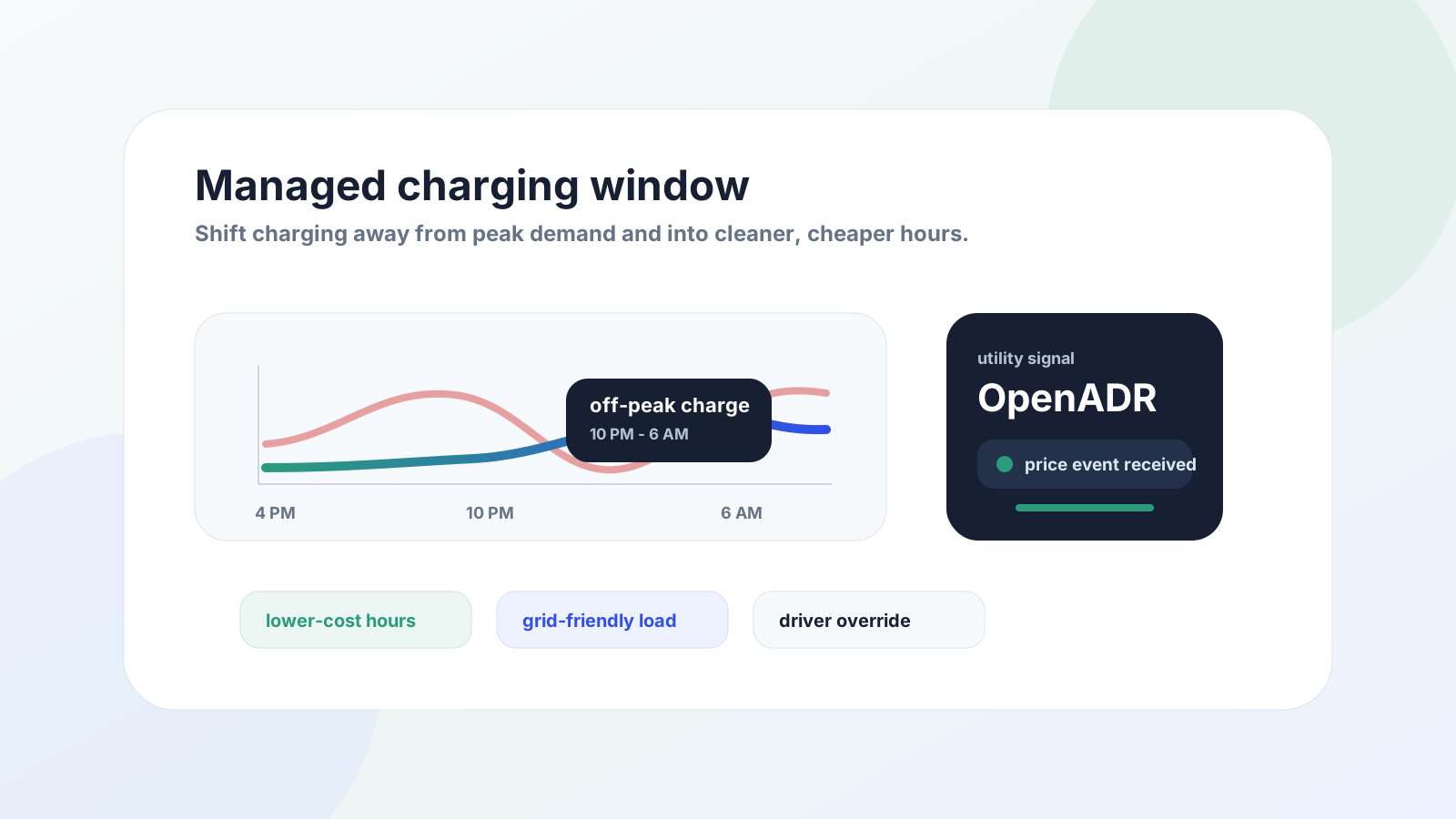
Managed EV Charging Programs: How They Work, What “Smart Charging” Means, and How to Benefit
Managed (smart) EV charging programs help drivers charge off-peak to save money and support the grid. Learn how they work, what OpenADR signals mean, and how to enroll.
Smart Charging Standards Explained: OCPP, OpenADR, and What “Managed Charging” Means at Home
What do OCPP and OpenADR actually do—and do they matter for home EV charging? Learn the key smart charging standards, what problems they solve, and what homeowners should look for in 2026.
