





EV Charger Rebates in 2026: Utility Smart Charging Programs, State Incentives, and Federal Credits

 The short answer
Looking for EV charger rebates? Start with your utility (smart charging programs), then state incentives, then federal tax credits. Here’s a simple checklist for 2026.
Key takeaways
- Utility rebates are often the fastest, most relevant incentives for home charging.
- More programs are shifting toward smart charging / managed charging requirements.
- Federal incentives may come as a tax credit, not a point-of-sale discount.
- You can often stack: utility rebate + federal credit (if you qualify).
Best fit Is this guide right for you?
Drivers with time-of-use rates, off-peak discounts, utility programs, or charging schedules they want to automate.
Homes on flat electric rates where charging time does not change cost, unless you still want tracking and reminders.
1) Start with your utility (most actionable)
Why utilities matter most:
- They control local grid constraints and peak pricing.
- They often run rebate programs for chargers, installation, or managed charging enrollment.
- They can offer special EV rate plans (TOU schedules designed for EV charging).
Look for keywords on your utility site:
- “EV charger rebate”
- “smart charging program”
- “managed charging”
- “demand response”
- “bring-your-own-charger (BYOC)”
If you see a demand-response standard like OpenADR, that’s a hint the program may want your charging to respond to grid events.
OpenADR’s own materials provide context on demand response concepts:
2) Check your state programs (often stackable)
Many states run EV and electrification incentives through:
- State energy offices
- Air quality boards
- Utility commissions
The cleanest “starting map” is often DOE’s incentives hub (not perfect, but a great first pass):
3) Don’t forget federal incentives (usually tax credits)
Two common misconceptions:
- A tax credit isn’t always a rebate. It may reduce tax liability rather than cash back.
- Eligibility can depend on location and install details.
For the home charging / refueling property credit, IRS guidance is the authoritative source:
If you’re unsure, ask a tax professional—especially for edge cases like multi-family properties.
Why “smart charging” is showing up in more rebate programs
Utilities don’t just want more EV charging—they want better-timed EV charging.
Smart charging can:
- Shift load off peak hours
- Reduce stress during local grid constraints
- Improve integration with renewables
This is exactly what TOU-aware scheduling is designed to do.
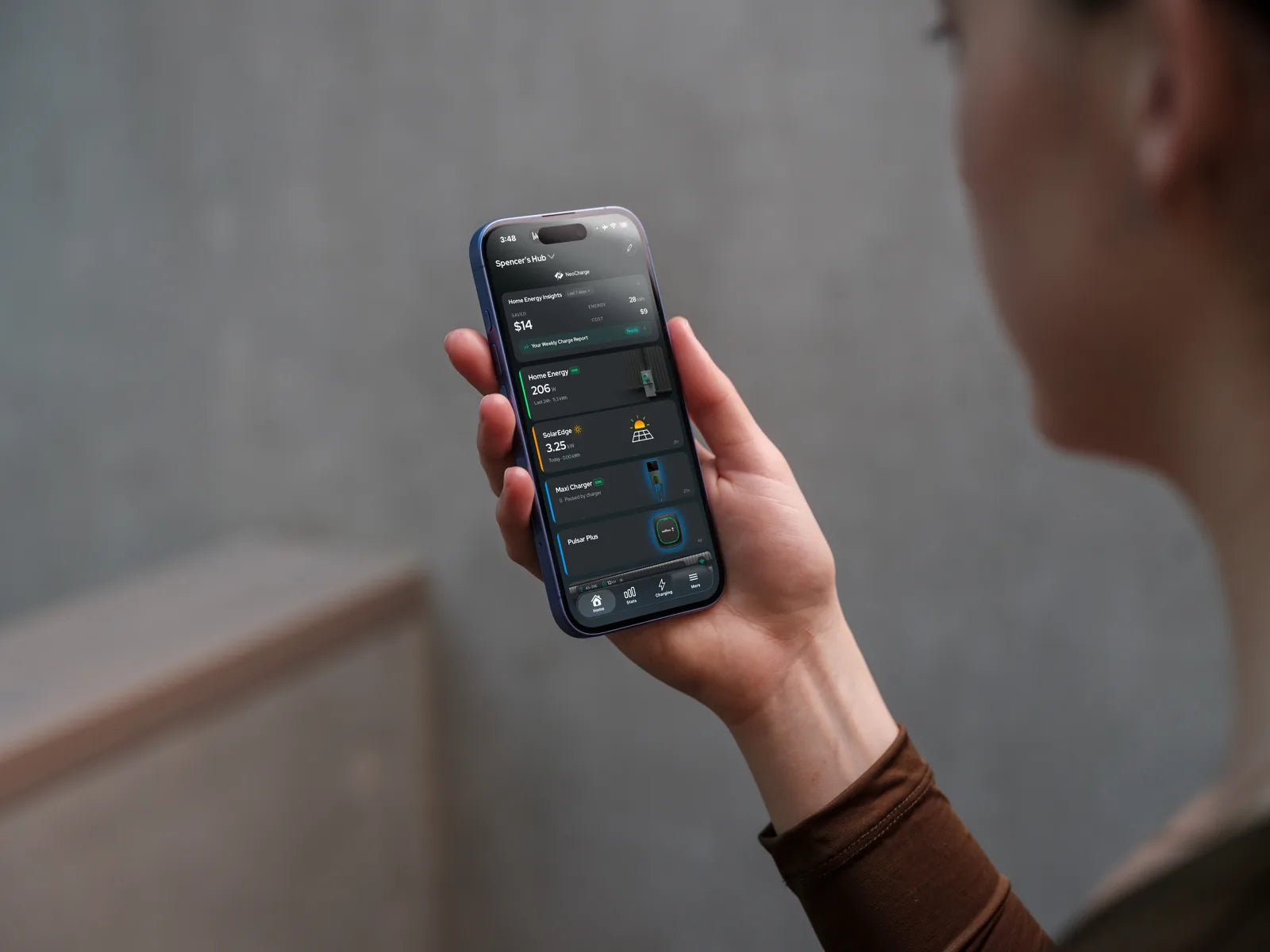
If you want an easy way to align charging with TOU windows and track charging behavior, start with the NeoCharge App:
A quick checklist before you buy a charger (so you don’t miss money)
Before purchasing or installing anything, check your incentive rules for:
- Approved equipment lists
- Whether the charger must be Wi‑Fi connected
- Whether enrollment in managed charging is required
- Installation requirements (permitting, licensed electrician, panel photos)
- Deadlines and pre-approval rules
If you’re using a shared circuit (dryer + EV), confirm whether the program allows it and how they define “dedicated circuit.” When in doubt, follow program rules and local code.
Next steps (NeoCharge)
- Want TOU-aware scheduling + cost tracking that fits smart charging programs? NeoCharge App → NeoCharge App
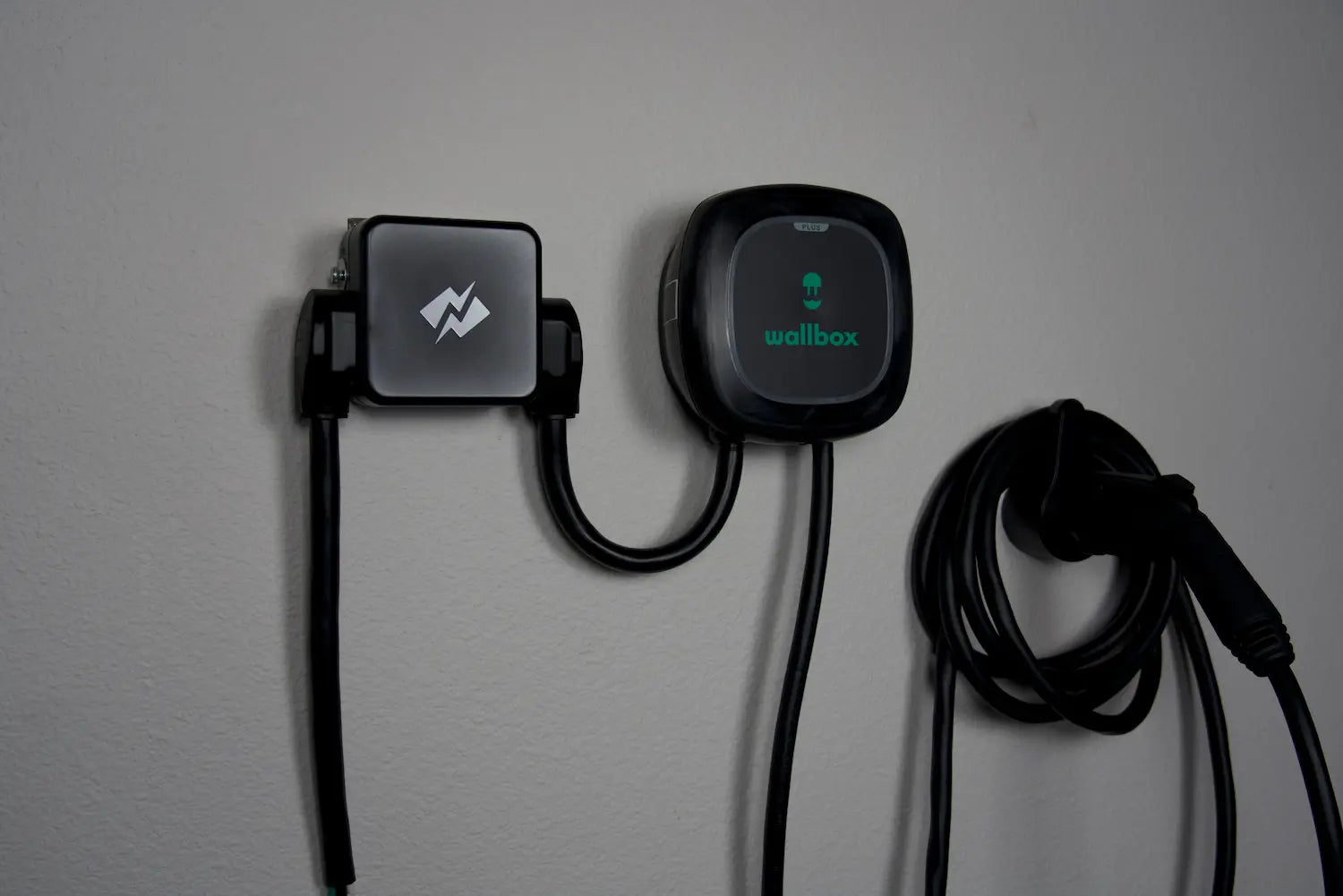
- Need a safer way to share an existing 240V outlet and avoid a panel upgrade? Smart Splitter → NeoCharge Smart Splitter
Safety/legal note: Incentive rules and electrical codes vary by location and change over time. Always verify details with your utility/state program and use a licensed electrician where required.
Skip the panel upgrade
Level 2 charging from the outlet you already have
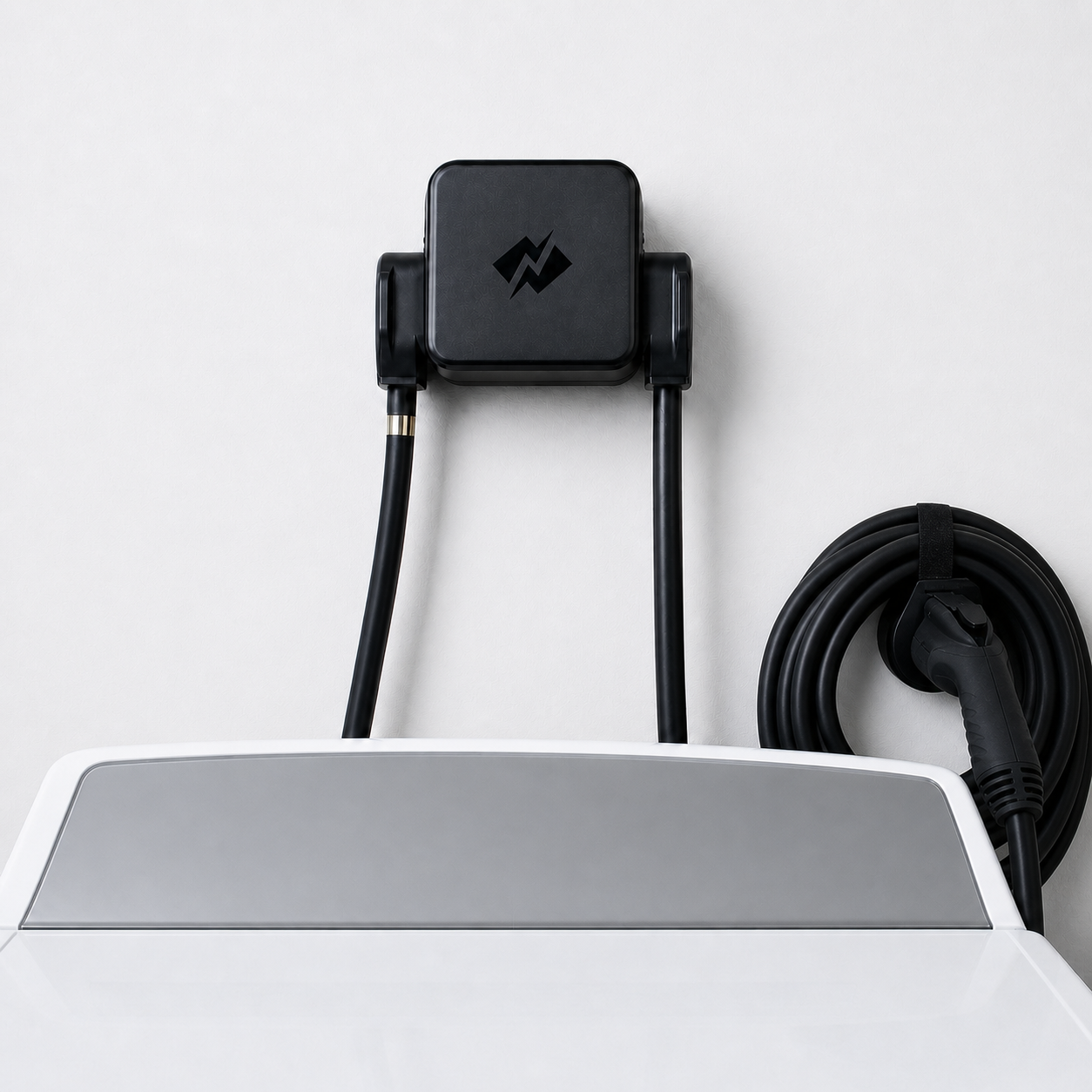
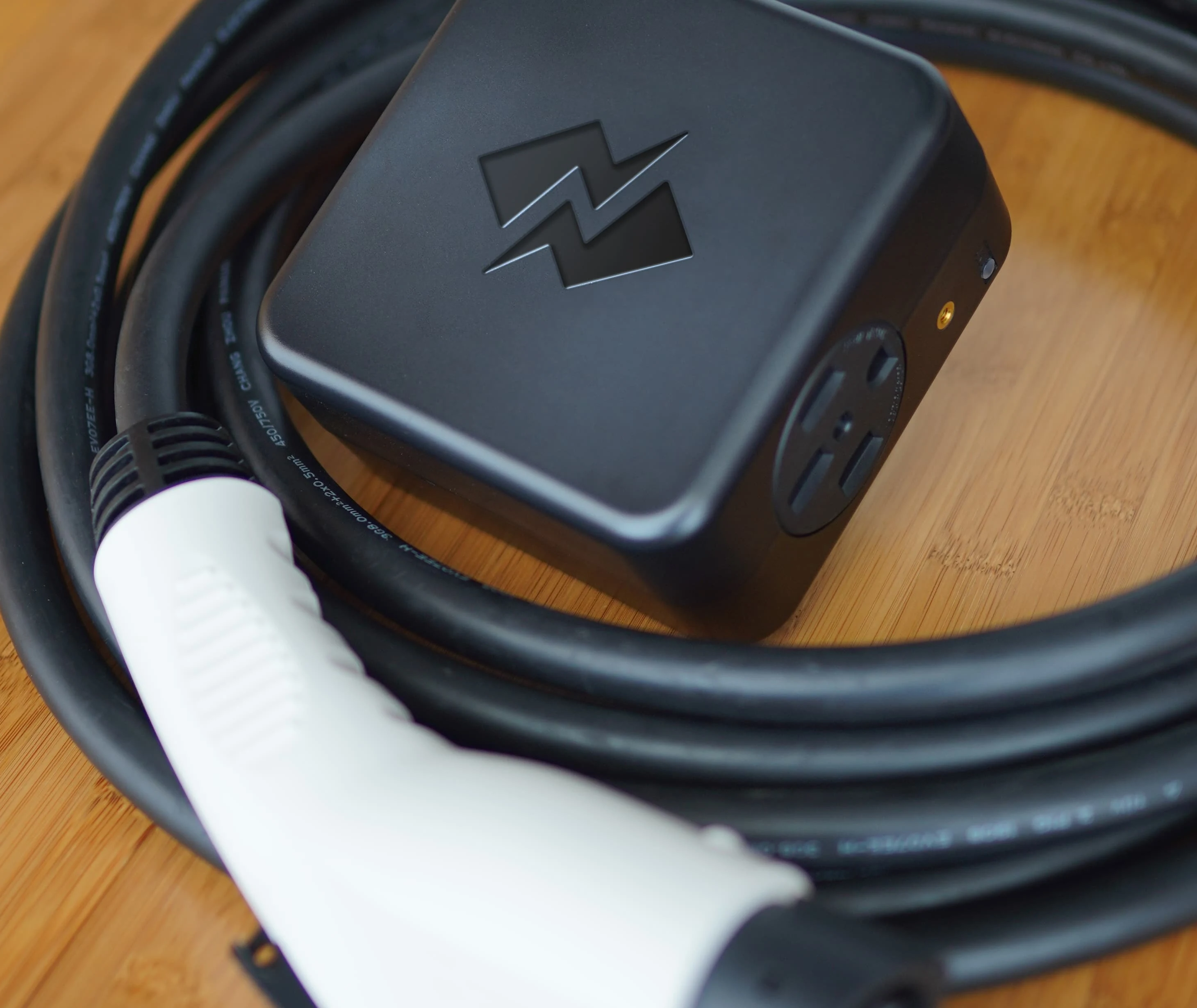
Plug into the 240V dryer outlet you already have. The dryer gets priority and your EV charges the rest of the night, with no panel upgrade and no new circuit. cUL Listed for the US and Canada, with rebates from 30+ utilities.
NeoCharge App
Turn rate plans into simple charging schedules
Schedule around off-peak windows, manage compatible chargers, and keep tabs on charging sessions from the app.
Explore the app


Next steps
Keep going with NeoCharge
Use the article as your decision guide, then jump into the product, app, or related guides that match what you are trying to solve next.
Key terms
- Time-of-use (TOU) rates
- Time-of-use rates are utility pricing plans where electricity costs more at peak hours and less off-peak. Scheduling EV charging off-peak can significantly reduce cost.
FAQs
What's the quick takeaway from this article?
Who is this guide for?
What should I do next?
Related posts

How to Find Your Off-Peak Hours for EV Charging (TOU Rate Plans Made Simple)
Off-peak hours depend on your utility’s TOU rate plan (and seasons/weekends). Here’s how to find your schedule, turn it into a charging rule, and save money.

How to Track EV Charging Cost Accurately with TOU Rates (and Why Your Bill Doesn’t Match)
TOU rates change by hour—so EV charging cost estimates can be wrong. Learn the simple kWh×rate method, why bills differ, and how TOU-aware scheduling helps.


How Much Does It Cost to Install an EV Charger at Home? (2026)
Most US homes pay $1,000 to $2,600 for a Level 2 install, and a panel upgrade adds $2,000 to $5,000. What drives the price and the $399 way to skip a new circuit.
