




Charging an EV with a NEMA 10-30 Dryer Outlet (Grounding, Adapters, and Safer Alternatives)

 The short answer
A NEMA 10-30 dryer outlet can work for EV charging—but grounding and adapter safety matter. Learn the 24A guideline, key risks, and safer alternatives.
Key takeaways
- A NEMA 10-30 is a 30A dryer outlet type that commonly lacks a dedicated ground conductor.
- EV charging is typically a continuous load, so a 30A circuit is usually treated as 24A max for long-duration charging.
- Cheap “dumb” splitter cords and random adapters are common causes of overheating and unsafe setups.
- Smart charging / TOU savings → https://getneocharge.com/pages/app
Best fit Is this guide right for you?
Drivers with time-of-use rates, off-peak discounts, utility programs, or charging schedules they want to automate.
Homes on flat electric rates where charging time does not change cost, unless you still want tracking and reminders.
What is a NEMA 10-30 outlet?
A NEMA 10-30 is an older 240V dryer receptacle style commonly found in older homes. Unlike newer 4-wire dryer outlets (like NEMA 14-30), many 10-30 installations do not provide a separate equipment grounding conductor.
If you’re deciding whether to use a dryer outlet for EV charging, DOE’s home charging overview is a good baseline:
The 24A guideline (continuous load) on a 30A dryer circuit
EV charging often runs for 3+ hours, so it’s usually treated as a continuous load. A common rule of thumb is:
- 30A × 0.80 = 24A
Meaning: on a 30A circuit, you typically want charging current limited to 24 amps (unless a qualified electrician confirms a different approach for your specific installation).
For additional plain-English discussion of the “80% rule” concept as applied to EV charging, see NYSERDA’s NEC Article 625 overview PDF:
The biggest issue with NEMA 10-30: grounding and adapters
Why grounding matters
Proper grounding helps ensure faults are cleared quickly and reduces shock risk.
Why “just use an adapter” can be risky
Many common adapter configurations can create confusing or unsafe conditions if:
- The EVSE expects a true equipment ground
- The outlet wiring is degraded or miswired
- The receptacle is worn/loose
If you’re not 100% sure about your outlet’s wiring and condition, treat this as an electrician-check scenario.
Safer ways to use an existing dryer circuit
Option 1: Share the outlet automatically (recommended vs habits)
If you need to switch between dryer and EV charging, don’t rely on memory (“we won’t run both”). Use an automatic device designed for this use-case.
- Learn more about the NeoCharge Smart Splitter.
Option 2: Add a dedicated EV circuit (best long-term)
A dedicated EV circuit/wall connector can be the cleanest option if your panel has capacity.
Option 3: Evaluate load management
If the main issue is panel capacity (not outlet access), a load management approach may avoid a panel upgrade.
Quick safety checklist (before you plug in)
- Outlet is tight, modern, and undamaged (no discoloration, no looseness)
- Breaker and wiring are in good condition
- Charging current is limited appropriately (often 24A on 30A circuit)
- No extension cords
- No cheap splitter cords
After your first few sessions, check for warning signs:
- Warm/hot plug face
- Burning smell
- Intermittent charging
- Visible browning or melting
If any appear: stop immediately and have it inspected.
Next steps (NeoCharge)
- Share a dryer outlet safely with automatic switching: Smart Splitter → NeoCharge Smart Splitter
- Want TOU-aware scheduling and cost tracking: NeoCharge App → NeoCharge App
Safety disclaimer: Electrical work can be hazardous. Local code requirements vary and permits may be required. When in doubt, consult a licensed electrician.
Skip the panel upgrade
Level 2 charging from the outlet you already have
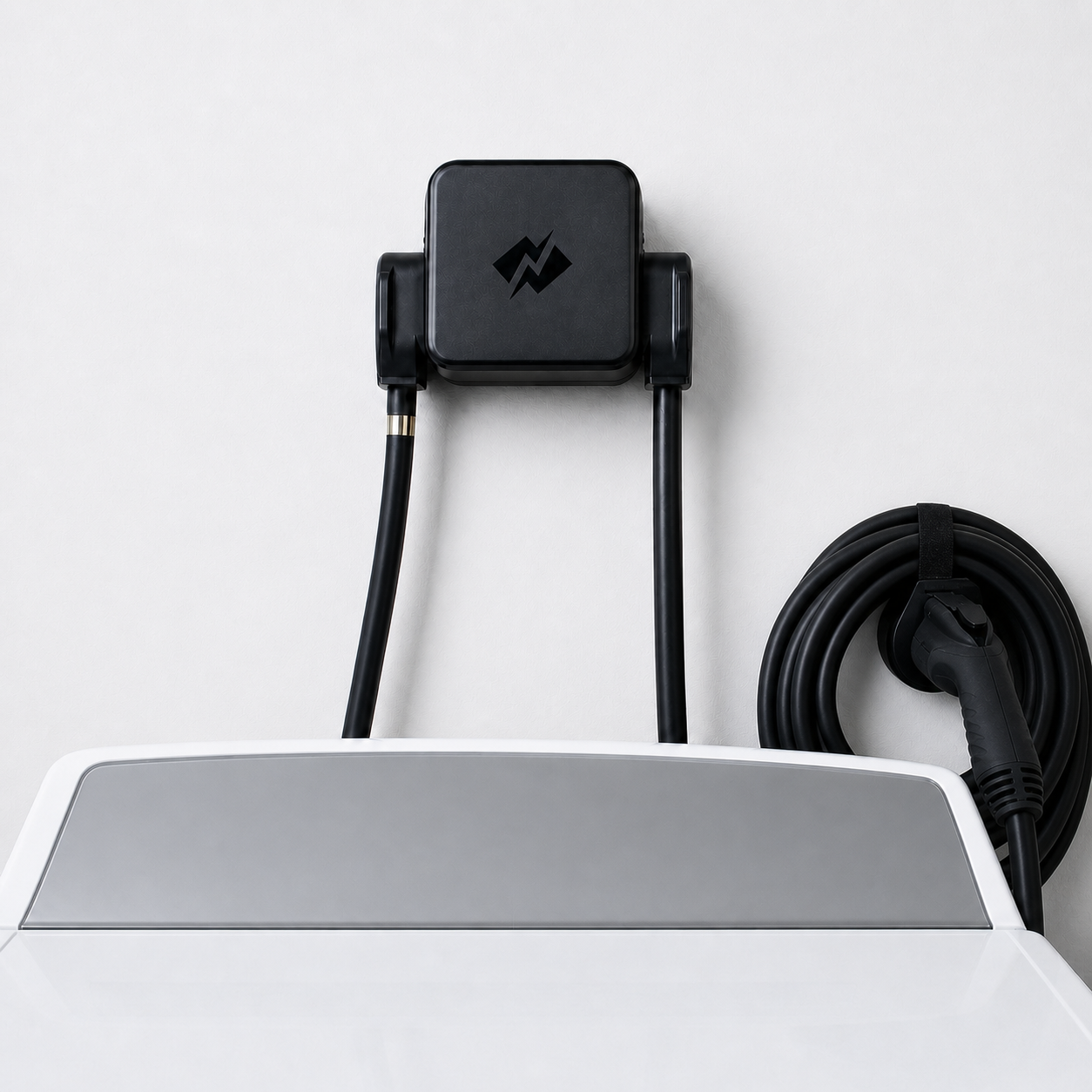
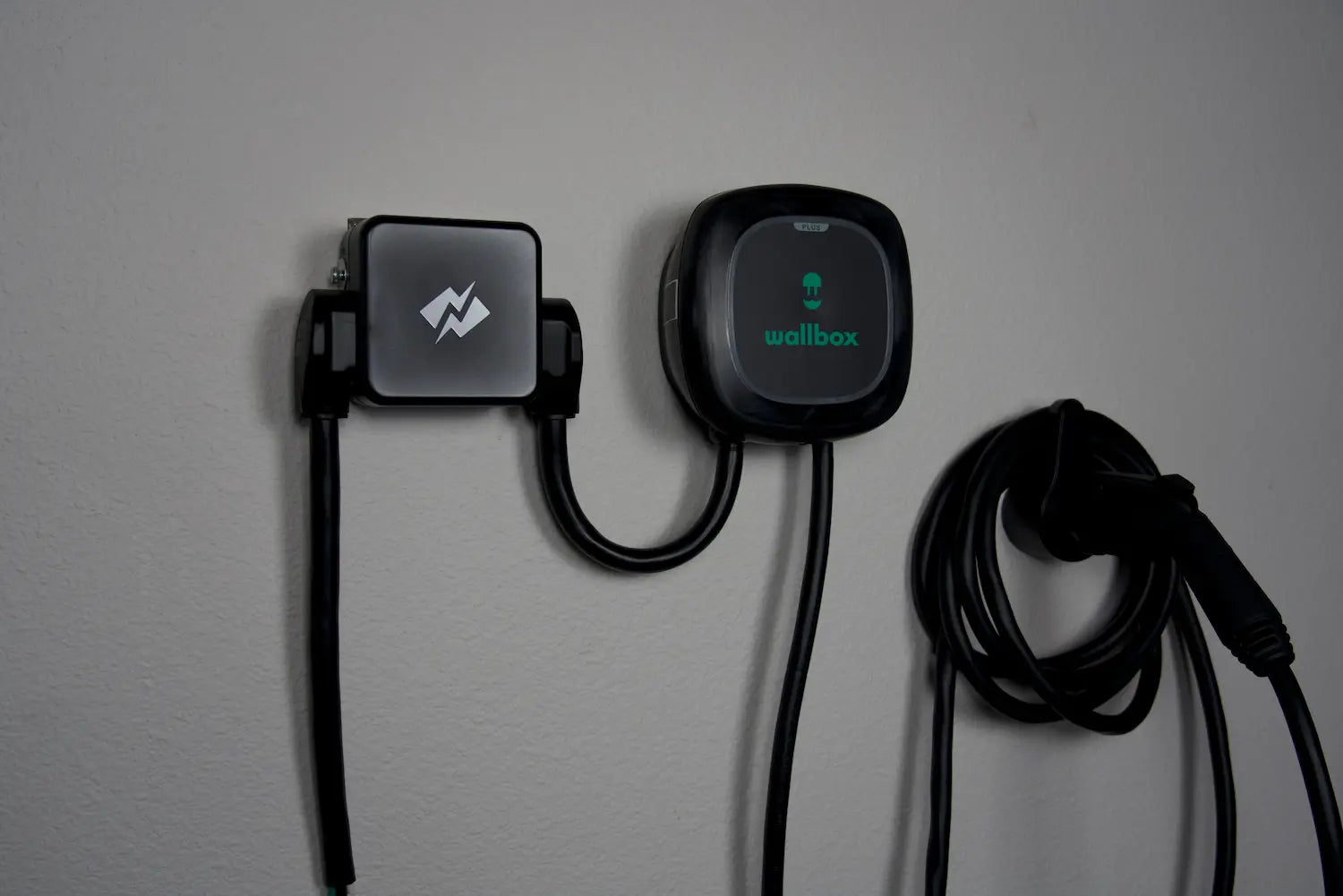
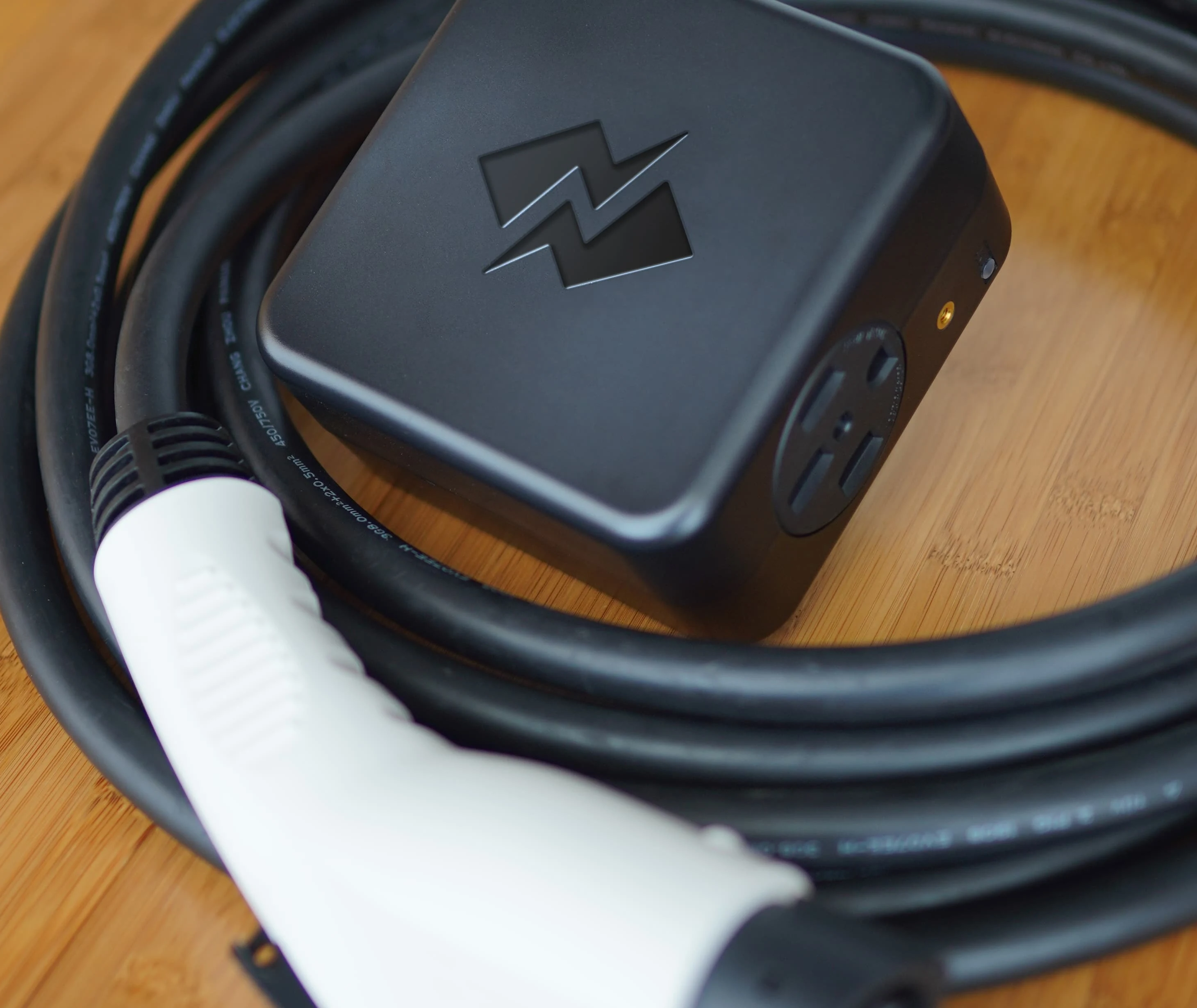
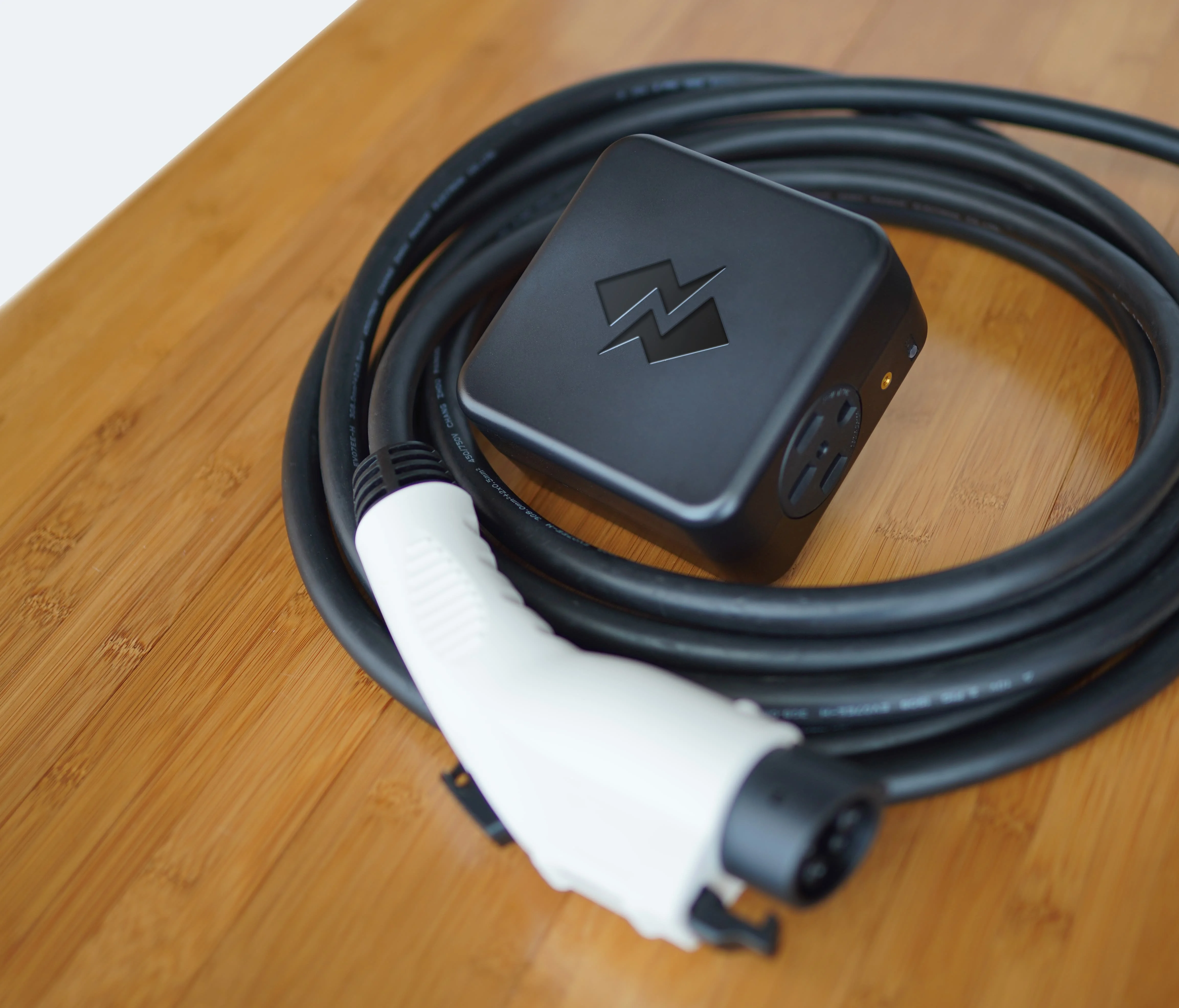
Plug into the 240V dryer outlet you already have. The dryer gets priority and your EV charges the rest of the night, with no panel upgrade and no new circuit. cUL Listed for the US and Canada, with rebates from 30+ utilities.
NeoCharge App
Turn rate plans into simple charging schedules
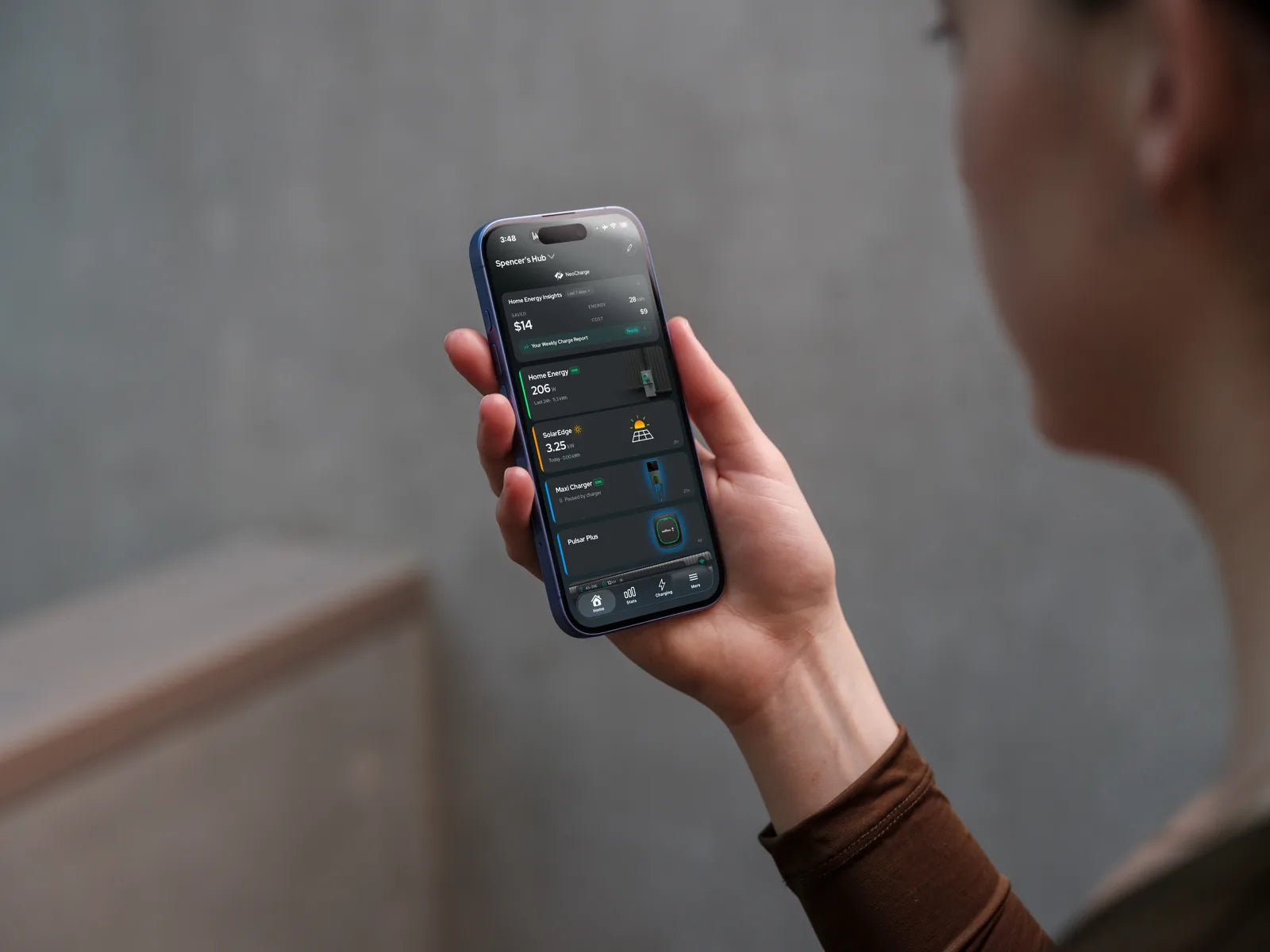
Schedule around off-peak windows, manage compatible chargers, and keep tabs on charging sessions from the app.
Explore the app


Next steps
Keep going with NeoCharge
Use the article as your decision guide, then jump into the product, app, or related guides that match what you are trying to solve next.
Key terms
- NEMA 14-30
- A NEMA 14-30 is a 240V, 30A dryer outlet. With a properly configured EV charger, it can usually support ~24A continuous charging (about 20–25 miles of range per hour for many EVs).
- EVSE
- EVSE stands for Electric Vehicle Supply Equipment (the “charger”). It safely delivers power to your EV and communicates with the car to control charging current.
- Time-of-use (TOU) rates
- Time-of-use rates are utility pricing plans where electricity costs more at peak hours and less off-peak. Scheduling EV charging off-peak can significantly reduce cost.
- Load management
- Load management is a strategy to keep your home’s electrical load within safe limits—often by scheduling or pausing EV charging when other appliances are running.
FAQs
What's the quick takeaway from this article?
Who is this guide for?
What should I do next?
Related posts

EV Charging Best Practices: Battery Life, Safety, and Cost
Learn EV charging best practices for battery life, home safety, off-peak savings, fast charging, 80% limits, Level 2 charging, and panel upgrades.
Smart Splitter vs EVEMS vs Panel Upgrade: How to Choose the Right Path for Level 2 Charging
Need Level 2 charging but worried about a panel upgrade? Compare Smart Splitter outlet sharing vs EV energy management (EVEMS) vs a full panel upgrade—with a simple decision tree.

How to Find Your Off-Peak Hours for EV Charging (TOU Rate Plans Made Simple)
Off-peak hours depend on your utility’s TOU rate plan (and seasons/weekends). Here’s how to find your schedule, turn it into a charging rule, and save money.

How to Track EV Charging Cost Accurately with TOU Rates (and Why Your Bill Doesn’t Match)
TOU rates change by hour—so EV charging cost estimates can be wrong. Learn the simple kWh×rate method, why bills differ, and how TOU-aware scheduling helps.
