



Managed EV Charging Programs: How They Work, What “Smart Charging” Means, and How to Benefit
The short answer
Managed (smart) EV charging programs help drivers charge off-peak to save money and support the grid. Learn how they work, what OpenADR signals mean, and how to enroll.
Key takeaways
- Managed charging is mainly about when you charge (and sometimes how fast), not about restricting driving.
- Programs can be “price signal” (TOU / rebates) or “direct control” (opt-in automation with overrides).
- Standards like OpenADR and protocols like OCPP often show up behind the scenes.
Best fit Is this guide right for you?
Drivers with time-of-use rates, off-peak discounts, utility programs, or charging schedules they want to automate.
Homes on flat electric rates where charging time does not change cost, unless you still want tracking and reminders.
What is “managed charging” (in plain English)?
Managed charging is a set of strategies that shift EV charging away from system or local peaks and toward times when electricity is cheaper and/or cleaner.
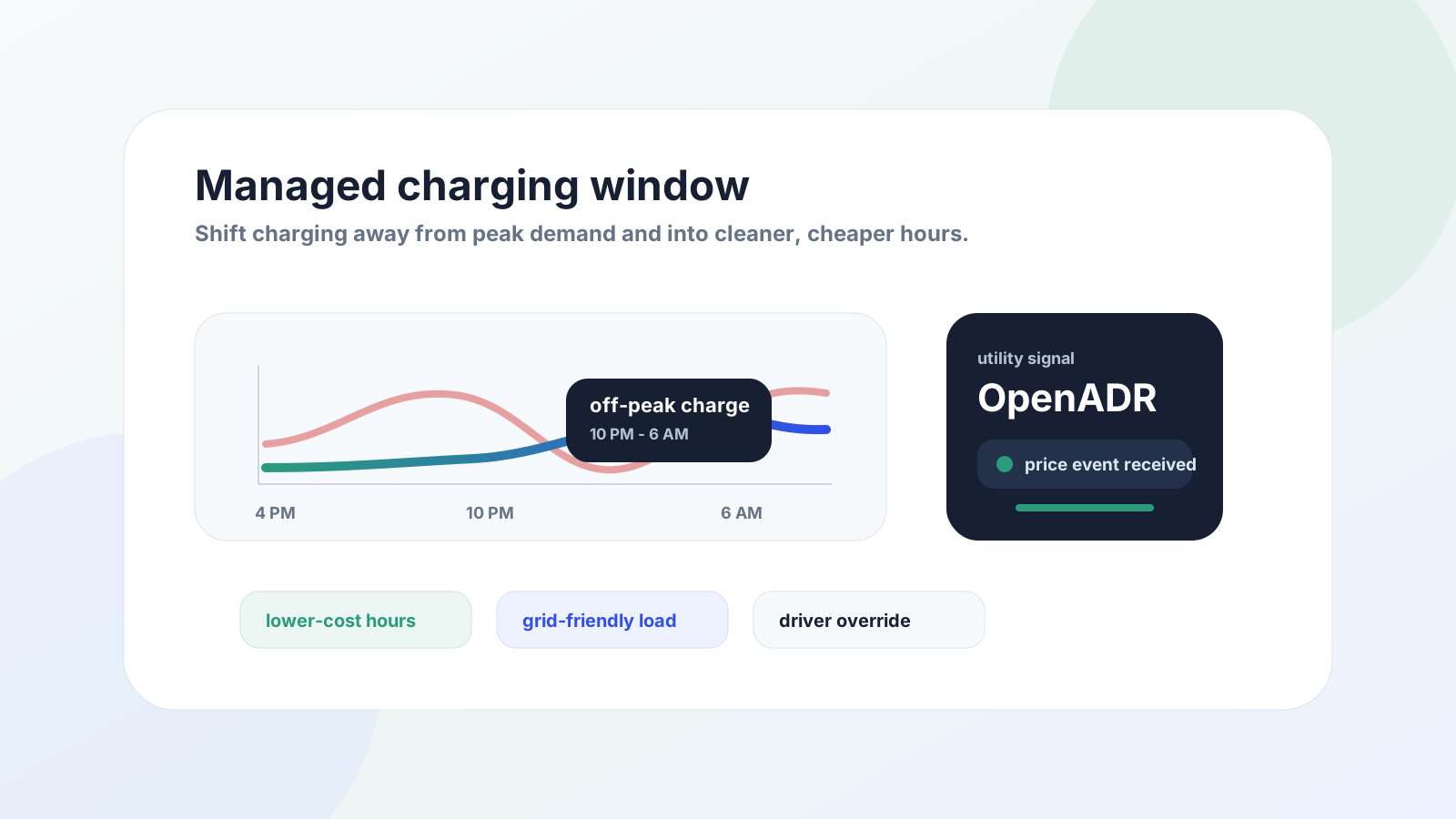
EVCAN defines managed charging as shifting charging away from peak demand to periods when electricity is cleaner and more affordable, guided by grid conditions and customer preferences.
NBER’s summary of a field experiment also highlights that incentives can reliably shift charging to off-peak hours (10pm–6am in the study).
Why utilities care (and why you should too)
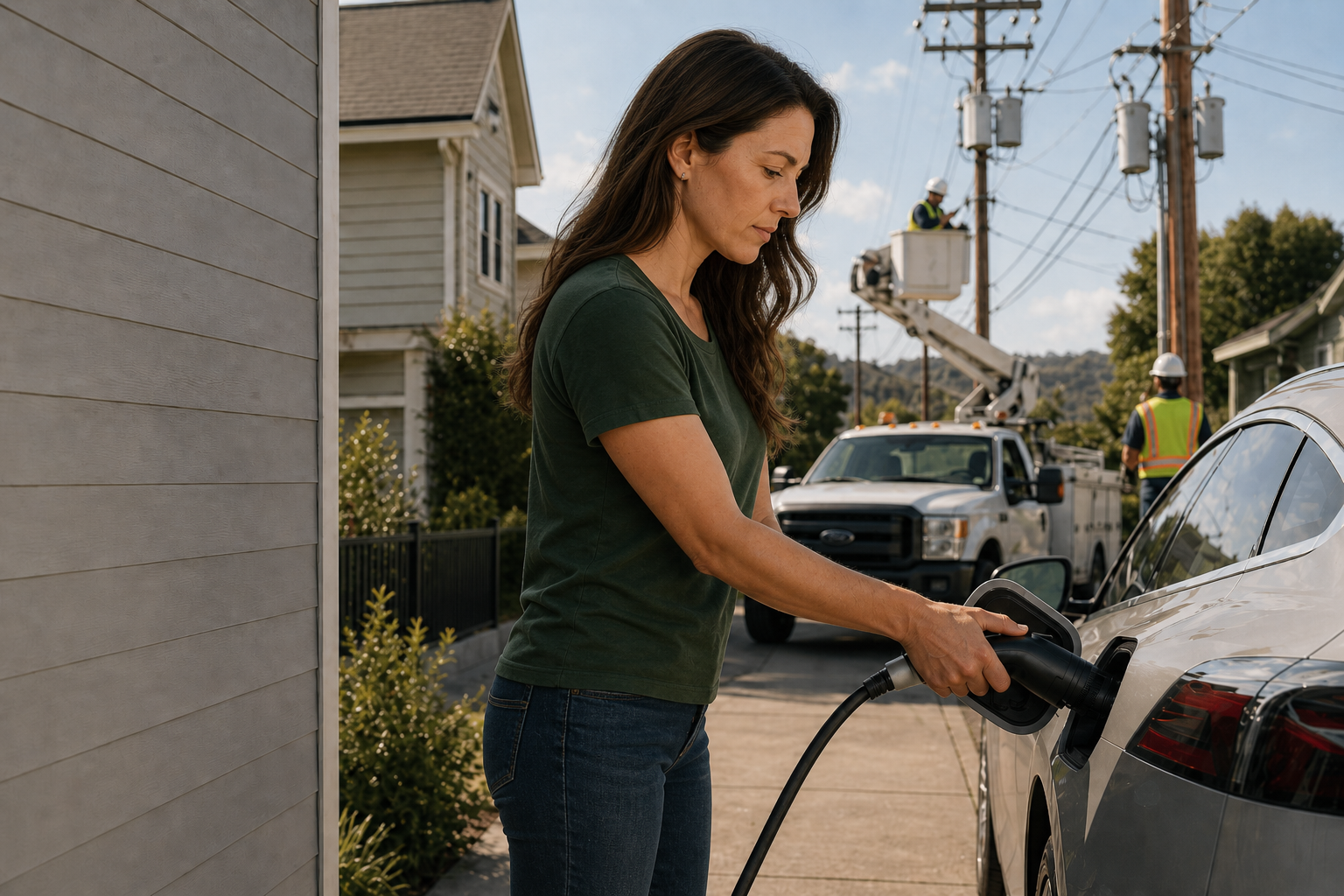
EV charging can be a large new household load. If many drivers charge right after work—during the same 4–9pm peak window—utilities may need to invest in more infrastructure.
When charging shifts to off-peak hours:
- the grid runs more efficiently
- peak-related costs can be reduced
- utilities can offer better “EV-friendly” rate designs
The two common types of managed charging programs
1) Price-based (TOU rates, bill credits, rebates)
You’re given a financial reason to charge at certain times.
Example: SDG&E’s EV TOU plan emphasizes savings by charging during super off-peak (midnight–6am) and shifting usage away from 4–9pm on-peak.
2) Automation-based (opt-in control with overrides)
You enroll a compatible EV/charger/app, and the program automatically schedules or throttles charging.
Eversource notes that Massachusetts has approved a managed charging program (opening in 2026) to shift EV charging to lower-demand times.
Where OpenADR fits in
You don’t need to “configure OpenADR” at home, but it’s useful to know what it is.
The OpenADR Alliance describes OpenADR as a secure, two-way information exchange model and smart grid standard to help utilities/aggregators manage demand response and DER.
In practice, OpenADR (and related integrations) can be part of how utilities send signals (events, prices, constraints) to platforms that coordinate charging.
How to join a managed charging program (step-by-step)
Check your utility’s EV page Look for “EV rates,” “managed charging,” “smart charging,” “demand response,” or “EV rebates.”
Identify your eligibility Some programs require:
- specific chargers/vehicles
- a connected account
- enrollment windows
Pick the “no-regrets” savings lever first: TOU scheduling Even if you don’t enroll in direct control, scheduling off-peak charging can often capture most of the savings.
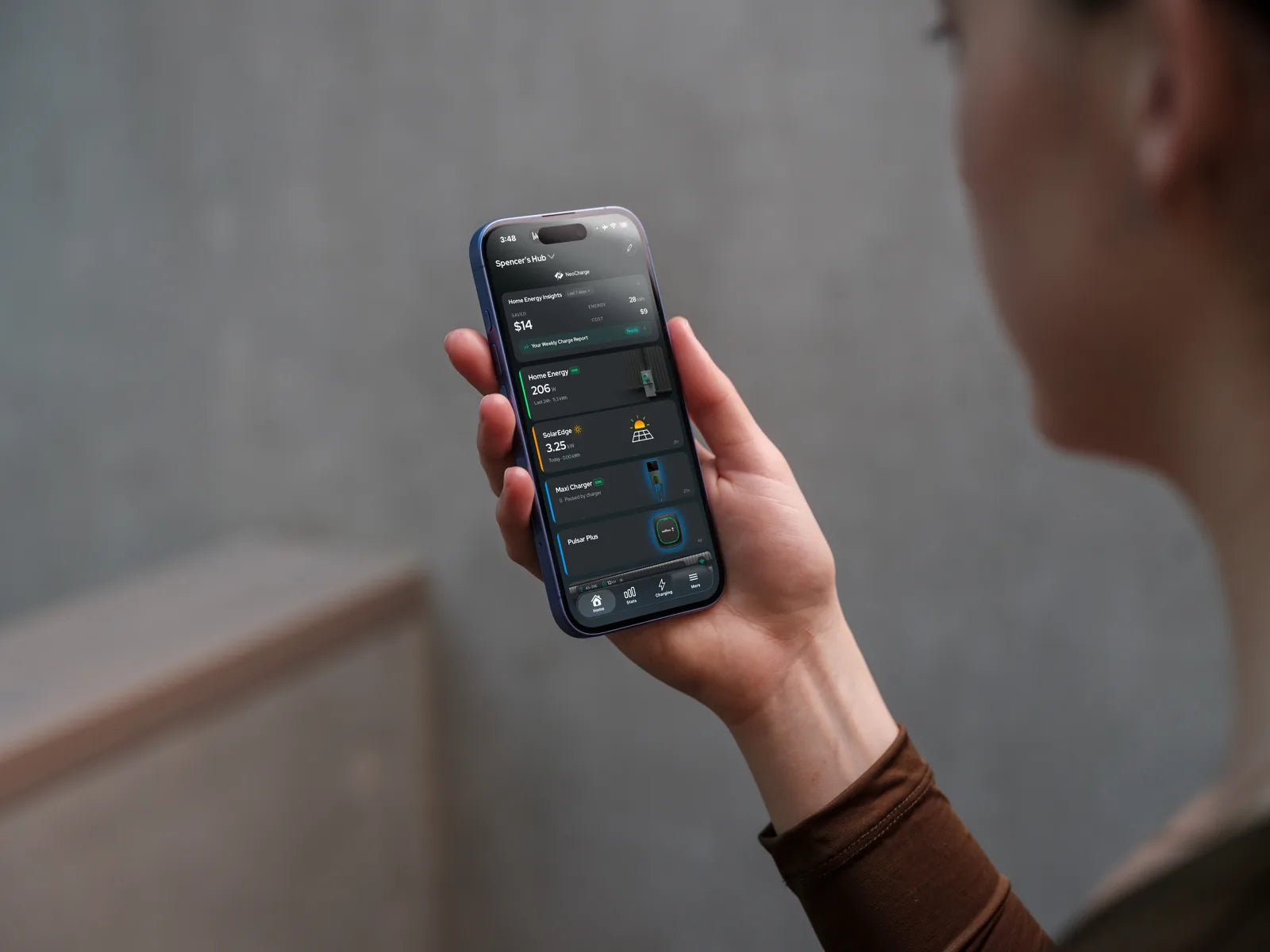
If you want an easier way to plan around TOU windows and track costs over time, start with the NeoCharge App.
Handle electrical constraints separately If you can’t charge when you want because you share a circuit/outlet (dryer + EV, etc.), a rate plan alone won’t fix that.
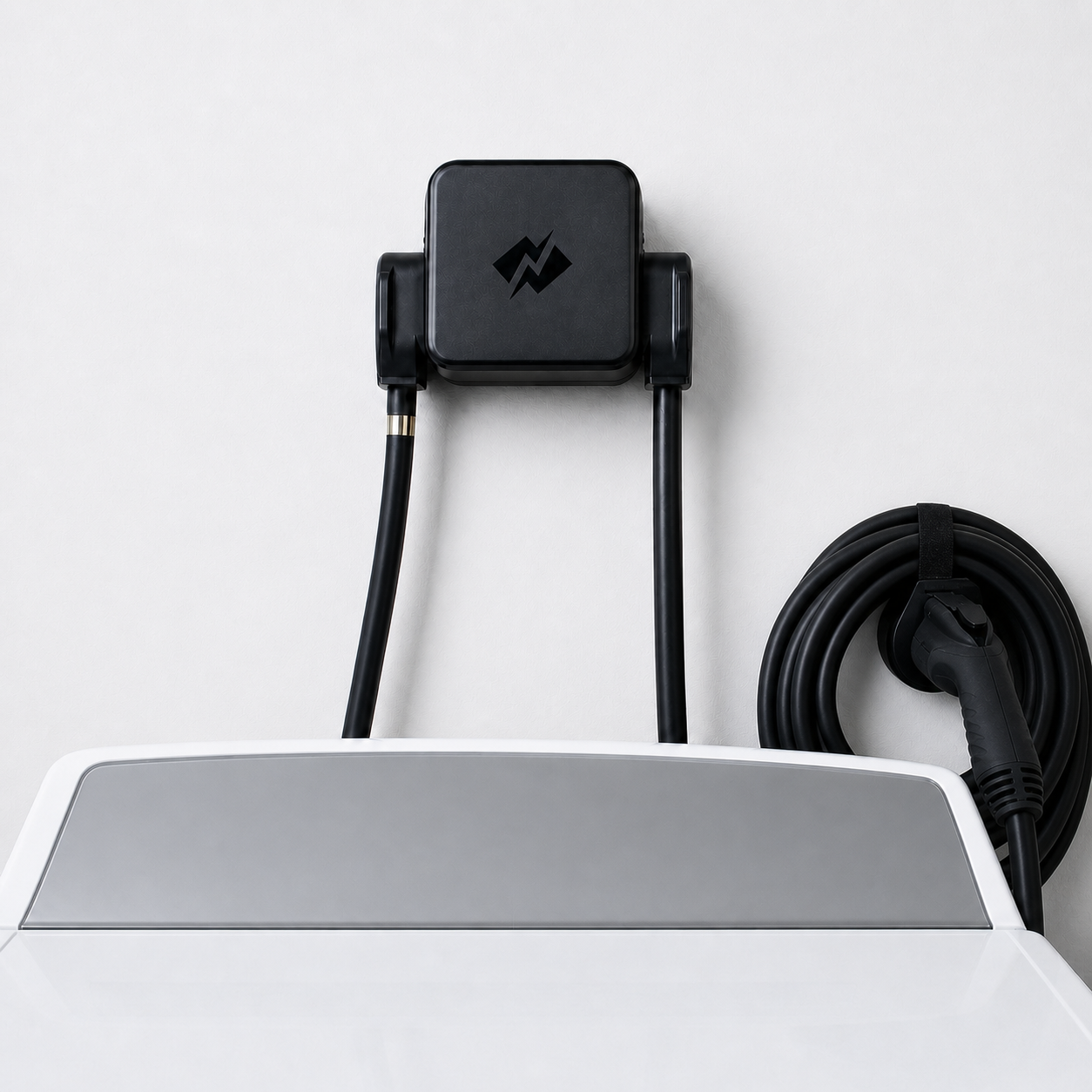
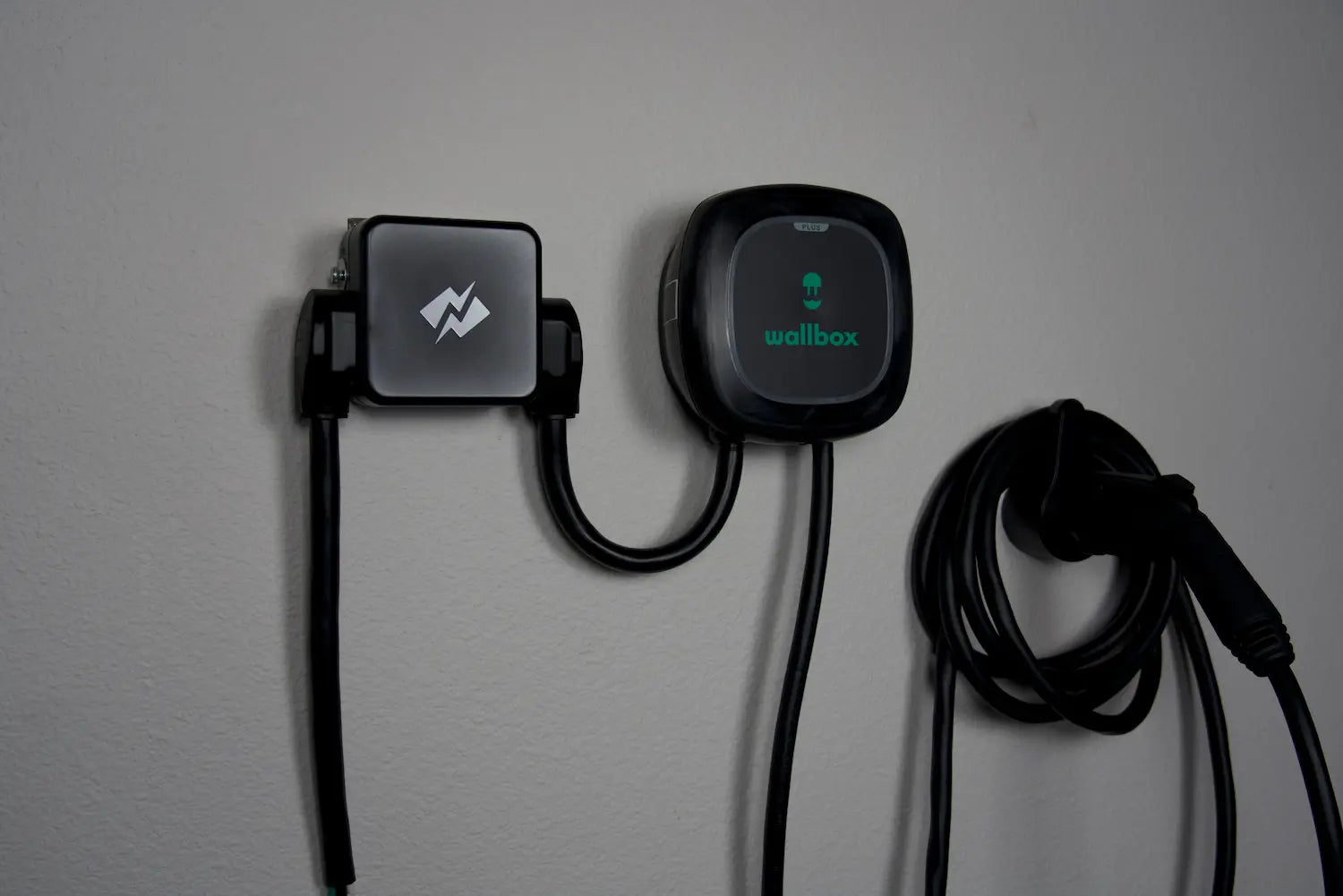
For automatic, hardware-level sequencing between two loads, use NeoCharge Smart Splitter.
Skip the panel upgrade
Level 2 charging from the outlet you already have
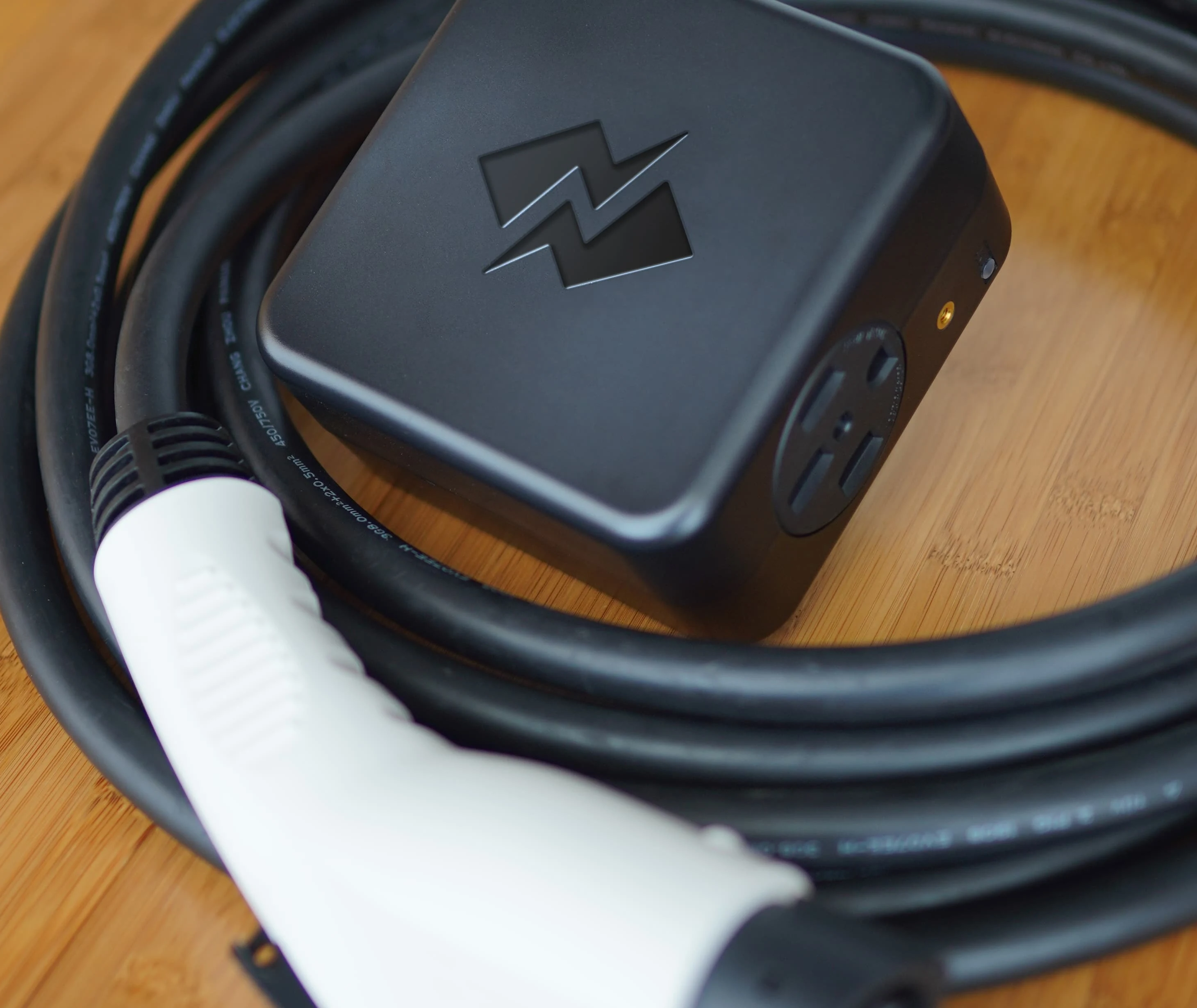
Plug into the 240V dryer outlet you already have. The dryer gets priority and your EV charges the rest of the night, with no panel upgrade and no new circuit. cUL Listed for the US and Canada, with rebates from 30+ utilities.
FAQ
Will managed charging stop me from charging when I need to?
Most programs are opt-in and include override options. Many simply encourage off-peak charging rather than controlling your charger.
Do I need a “smart charger”?
Not always. Some TOU plans only require you to schedule charging using your vehicle’s timer. Automation-based programs may require a connected EV/charger.
Is managed charging only about saving money?
No—utilities also use it to improve reliability and reduce peak infrastructure needs.
Next steps (NeoCharge)
- Set schedules around your cheapest hours and track your charging costs with the NeoCharge App.
- If you need to share a 240V outlet safely or avoid a panel upgrade with load management, start with the Smart Splitter.
NeoCharge App
Turn rate plans into simple charging schedules
Schedule around off-peak windows, manage compatible chargers, and keep tabs on charging sessions from the app.
Explore the app


Next steps
Keep going with NeoCharge
Use the article as your decision guide, then jump into the product, app, or related guides that match what you are trying to solve next.
Key terms
- Time-of-use (TOU) rates
- Time-of-use rates are utility pricing plans where electricity costs more at peak hours and less off-peak. Scheduling EV charging off-peak can significantly reduce cost.
- Load management
- Load management is a strategy to keep your home’s electrical load within safe limits—often by scheduling or pausing EV charging when other appliances are running.
FAQs
What's the quick takeaway from this article?
Who is this guide for?
What should I do next?
Related posts
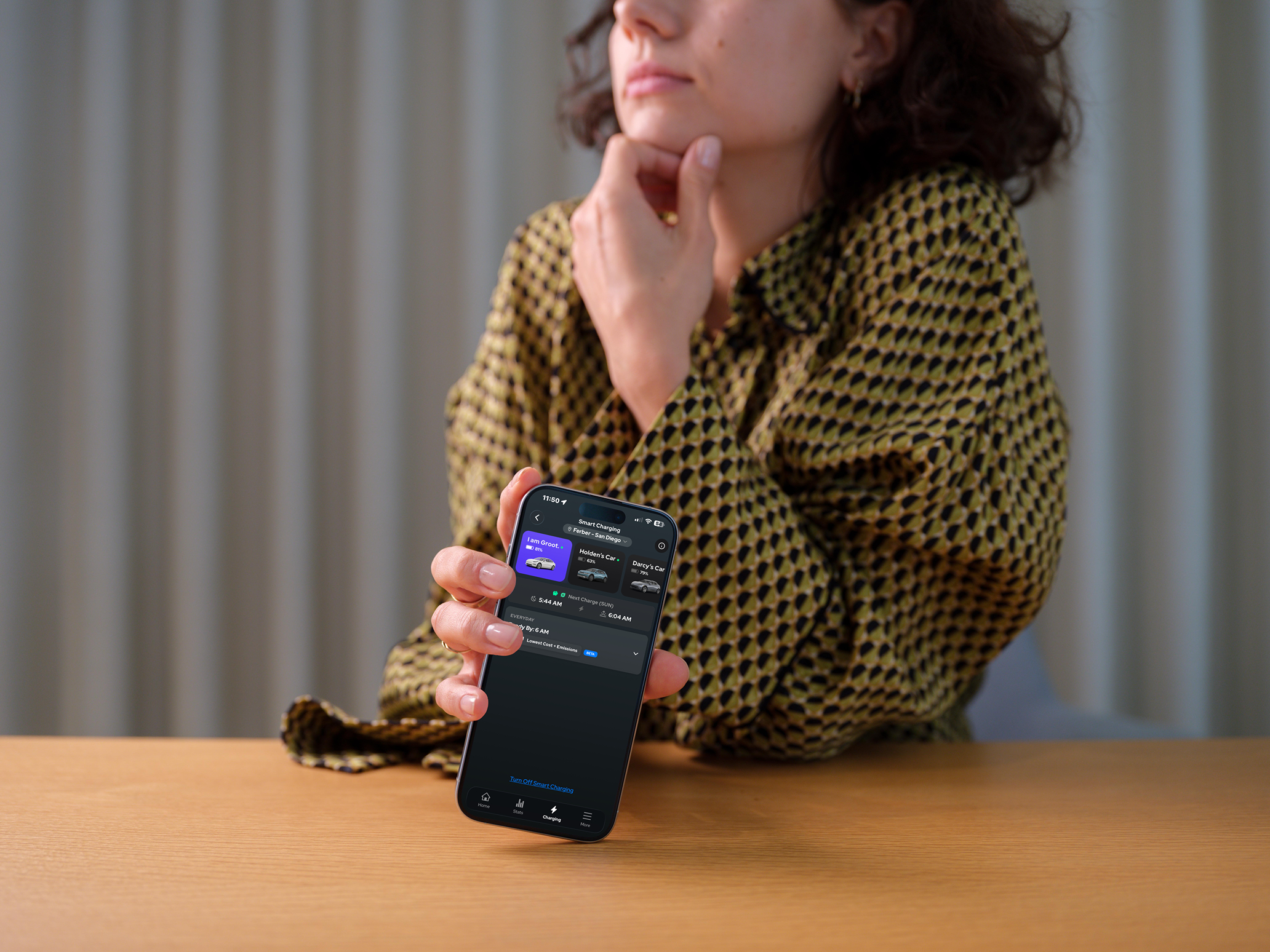
How to Schedule EV Charging During Off-Peak Hours (And Save Hundreds Per Year)
Learn how to schedule EV charging during off-peak hours and save $30-80/month on electricity. Step-by-step guide with real savings examples.

Demand Charges vs. TOU Rates for Home EV Charging: What Matters (and How to Avoid Peak Costs)
Learn the difference between demand charges and time-of-use (TOU) rates for home EV charging, how to tell what you’re on, and practical steps to reduce peak costs and charge cheaper overnight.
Smart Charging Standards Explained: OCPP, OpenADR, and What “Managed Charging” Means at Home
What do OCPP and OpenADR actually do—and do they matter for home EV charging? Learn the key smart charging standards, what problems they solve, and what homeowners should look for in 2026.
Time-of-Use (TOU) Rates + Smart Charging: How to Cut Your EV Charging Bill in 2026
A practical guide to TOU electric rates and smart EV charging: how to estimate your cost per mile, pick the right schedule, and avoid peak pricing—without sacrificing convenience.
