



British Columbia Home EV Charging Guide: BC Hydro Rebates, Dryer Outlets, and Avoiding Panel Upgrades

Direct answer: Most B.C. homes can add reliable Level 2 EV charging without a panel upgrade by using a BC Hydro–eligible Smart Splitter on an existing 240V outlet (such as a NEMA 14-30 dryer outlet) and scheduling charging between 11 p.m. and 7 a.m. on BC Hydro's optional time-of-day rate. The NeoCharge Smart Splitter is on BC Hydro's eligible-device list. It is $399 CAD at checkout as of October 9, 2026, $199 after NeoCharge's $200 app refund, and BC Hydro adds a $200 device top-up when it is installed with a listed charger under an electrical permit.
The B.C. home charging problem
The default home EV charging conversation usually starts in the wrong place: "How fast can I charge?"
In B.C., the better first question is:
Can I recover my normal daily driving overnight without overbuilding my electrical system?
For most drivers, the answer is yes. A 24A or 32A Level 2 setup can add plenty of range while you sleep. The expensive part is not always the charger. It is the electrical work around it: new panel, service upgrade, trenching, long wire runs, permits, wall repair, and scheduling.
That is why EV load management matters. If your dryer circuit, garage outlet, or existing panel capacity can be used safely, you may be able to avoid the biggest cost bucket entirely.
BC Hydro time-of-day pricing makes overnight charging the obvious target
BC Hydro says its optional time-of-day pricing works best for customers who can shift usage and for people who charge an EV at home between 11 p.m. and 7 a.m. On this plan, BC Hydro applies a 5 cent/kWh discount overnight and a 5 cent/kWh surcharge during the 4 p.m. to 9 p.m. on-peak period.
Source: app.bchydro.com
That creates a clean rule:
Do not design your B.C. charging setup around 5 p.m. Design it around 11 p.m.
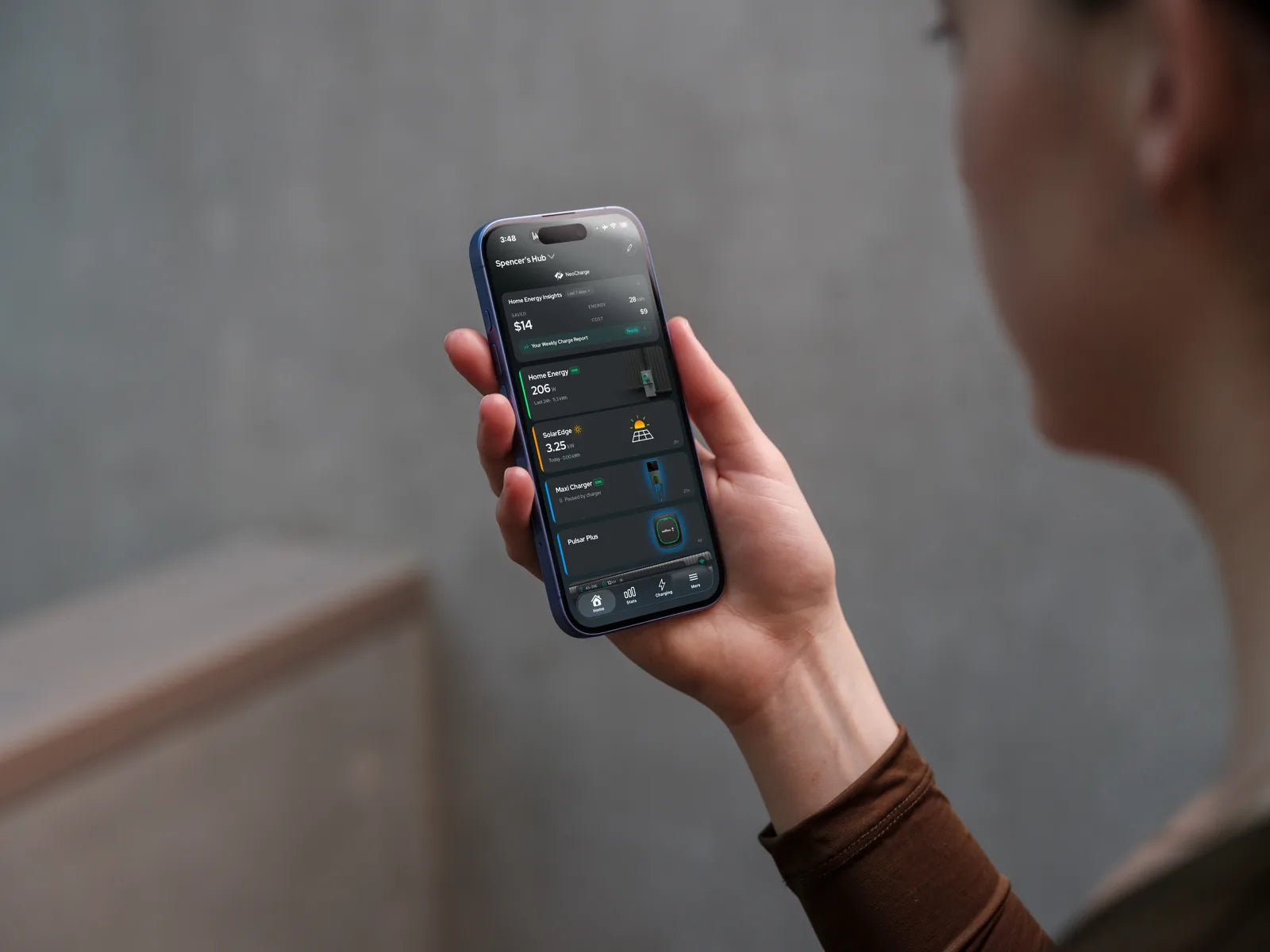
This is where a connected charging app becomes more than a convenience feature. If your charger, vehicle, or Smart Splitter setup can schedule charging, track energy, and keep charging away from the evening peak, you get three wins:
- lower charging cost
- less pressure on the home panel during dinner/laundry hours
- easier participation in future utility-style flexibility programs
Rebates: charger first, power management second
CleanBC's Go Electric home charger program says eligible single-family homes, duplexes, and similar homes can get up to 50% of eligible costs, up to $350, for a Level 2 charging station.
Source: goelectricbc.gov.bc.ca
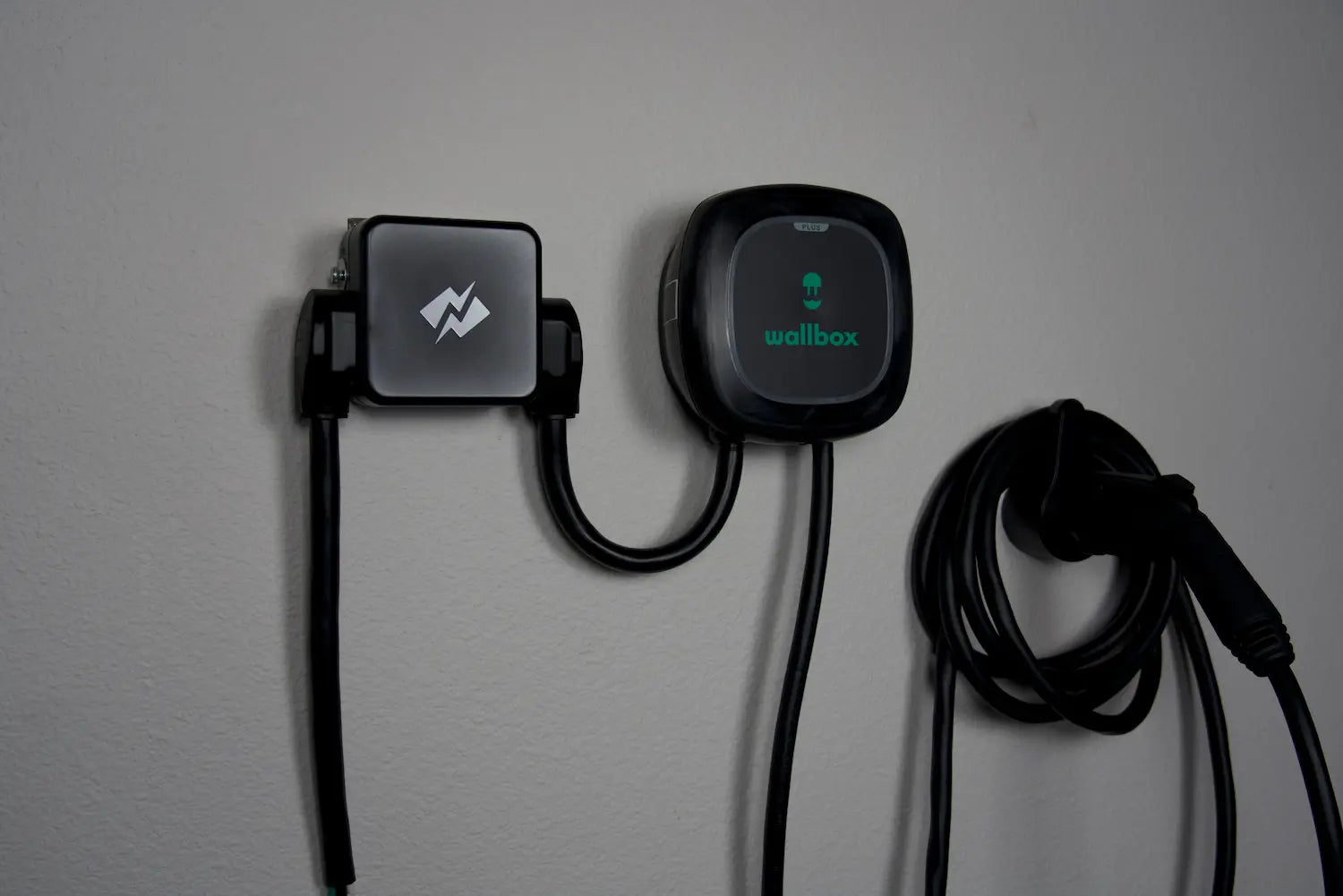
BC Hydro also describes an additional $200 EV power management offer for single-family home customers who install an EV power management device that can help add EV charging without upgrading the electrical panel.
Source: bchydro.com
Do not treat that as small print. That is the signal. The utility is effectively acknowledging that the future of home charging is not just "install a bigger circuit." It is manage the circuit you already have.
Where a Smart Splitter fits
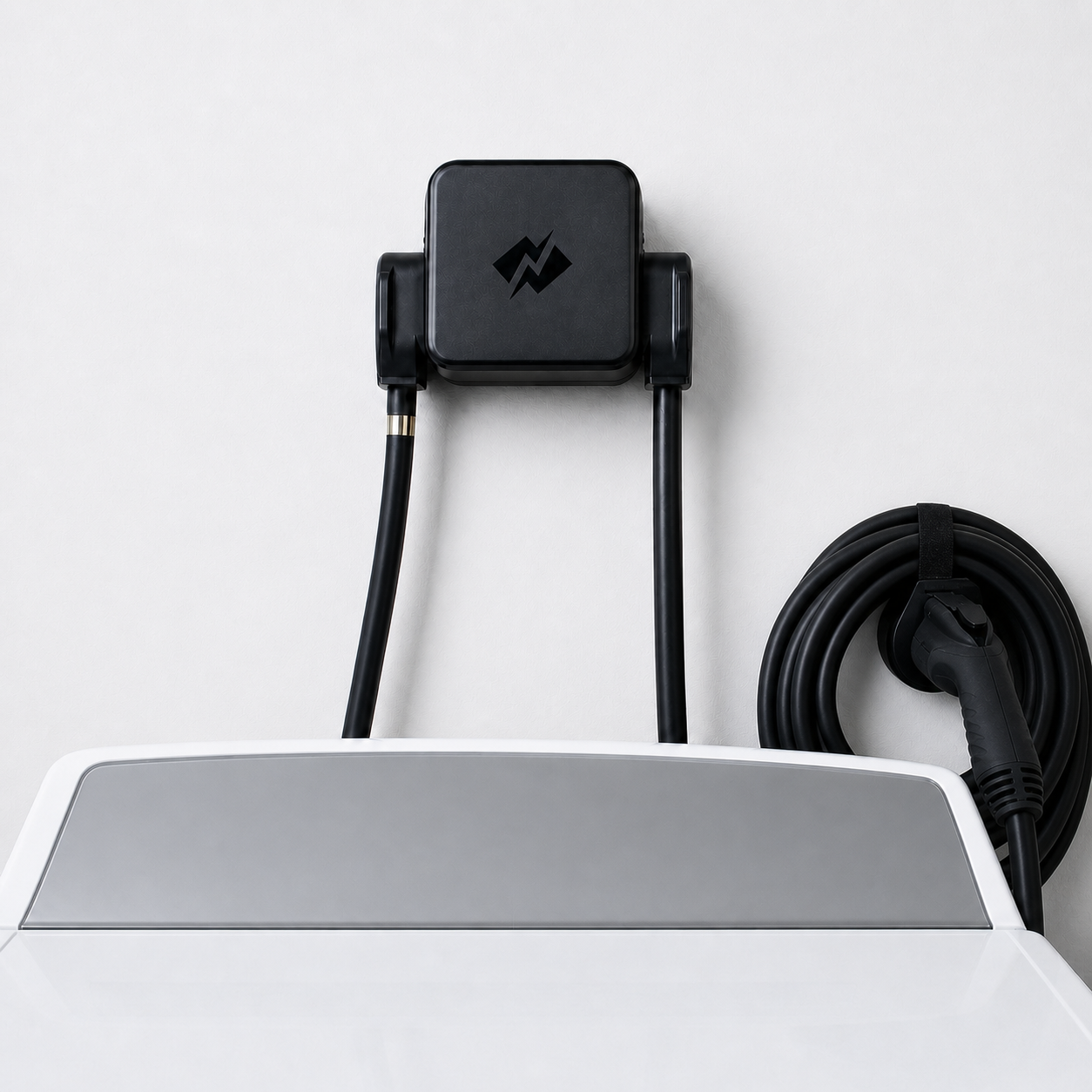
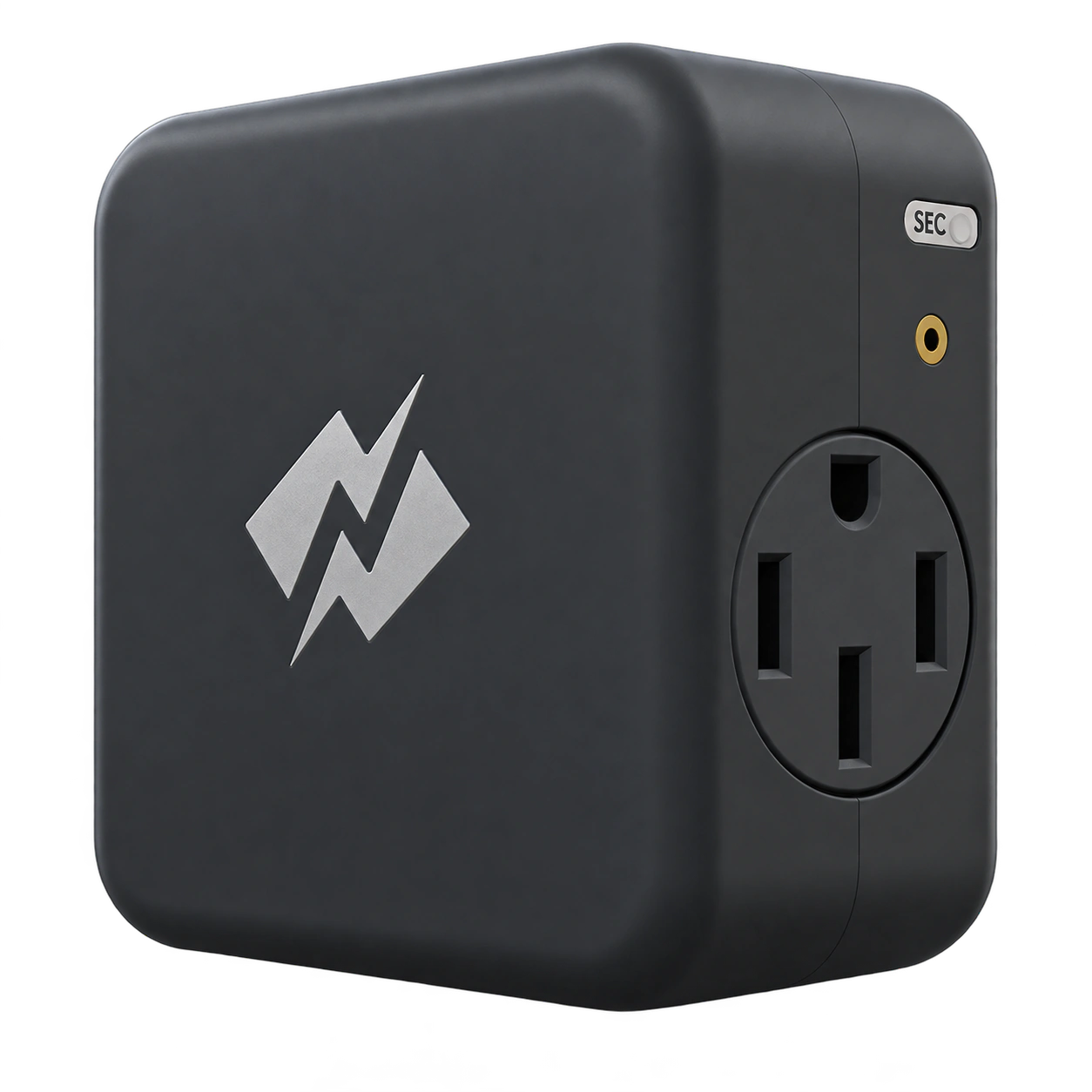
A Smart Splitter is useful when your home already has a 240V outlet or circuit that serves a large appliance, most commonly an electric dryer. Instead of manually swapping plugs or relying on memory, a smart splitter/load-sharing device automatically prevents the EV and appliance from drawing full power at the same time.
The practical B.C. use cases:
- You have a NEMA 14-30 dryer outlet and want to charge at a safe 24A limit.
- Your electrician says the panel is tight but the dryer circuit is usable.
- You want Level 2 charging before committing to a major service upgrade.
- You rent or own a home where a large electrical project is slow, expensive, or not worth it.
- You want charging data and scheduling in an app instead of guessing from your monthly bill.
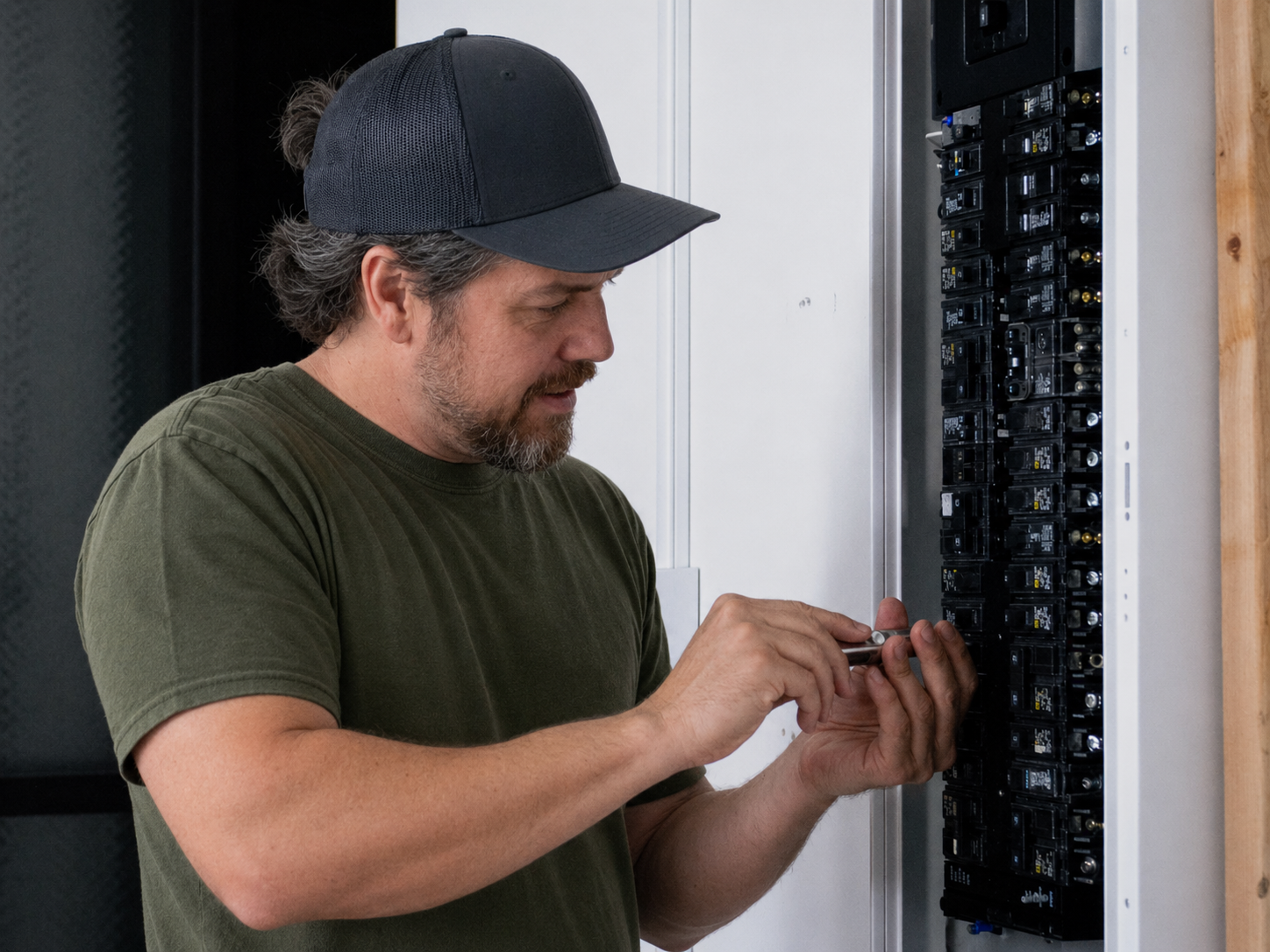
This does not replace an electrician. It changes the question you ask the electrician:
"Can I safely use load management here instead of upgrading the panel?"
The two outlet names B.C. EV owners should know
Most Canadian homeowners end up asking about one of two outlet types:
- NEMA 14-30 dryer outlet: the common four-prong 240V dryer outlet. It is usually a 30A circuit, so EV charging is commonly limited to about 24A for continuous-load safety when the circuit is appropriate.
- NEMA 14-50 EV charger outlet: the common 50A plug-in EV charging outlet. It is often used for Level 2 EV charging and typically supports up to about 40A continuous charging when installed correctly.
The Smart Splitter conversation is different for each:
- With a 14-30 dryer outlet, the goal is usually sharing a dryer circuit safely and keeping the EV charge current appropriate.
- With a 14-50 outlet, the goal may be sharing higher-power 240V access, avoiding duplicate electrical work, or supporting an EV charging setup without creating a new panel problem.
- With two EVs, the important question is not just plug shape. It is whether the home can manage the combined load and whether the cars need to charge at the same time.
For deeper safety details, see the NeoCharge guides to NEMA 14-30 dryer outlet EV charging, NEMA 14-50 EV charging outlets, and sharing a 240V outlet safely.
If you're avoiding a panel upgrade, run this math first
The NeoCharge Smart Splitter is on BC Hydro's eligible EV power management device list. On the Canadian store it is $399 CAD at checkout as of October 9, 2026, and NeoCharge refunds $200 once it is connected to the app and charging your EV. BC Hydro adds its own $200 device top-up when the Splitter is installed with a listed charger under an electrical permit (how that works):
| The math | Amount (CAD) |
|---|---|
| Smart Splitter list price | $699 |
| Canada instant rebate, applied at checkout | −$300 |
| You pay at checkout | $399 |
| NeoCharge app refund, after 14 days connected for EV charging | −$200 |
| Your cost | $199 before taxes and shipping |
| BC Hydro device top-up, with a listed charger under an electrical permit | a further −$200 |
Source: app.bchydro.com
Compare that to a typical B.C. panel-upgrade quote of $3,000–$8,000 CAD and the call gets easy: if your alternative is a new circuit, service upgrade, or trenching, the Smart Splitter path is often dramatically cheaper for the same daily result. Eligibility and stacking depend on current program terms, so verify before you buy.
This is not just about the lowest sticker price. It is about getting the right job done:
- safely share an existing 240V outlet
- avoid manual plug-swapping
- reduce the chance of a panel upgrade
- keep Level 2 charging practical
- pair hardware load management with app-based scheduling and tracking
FortisBC customers should think about peak hours too
In FortisBC electric territory, the Power Hours Rewards Program focuses on reducing load during 4 p.m. to 9 p.m. peak hours. FortisBC says EV participants can earn rewards by charging outside that window, with a sign-up incentive and per-event participation incentive for eligible EVs or EV chargers.
Source: fortisbc.com
The message is the same as BC Hydro's: home charging is best when it is shifted away from the evening peak.
A B.C.-specific install checklist
Before buying anything, collect the five facts that actually matter:
- Your utility: BC Hydro, FortisBC, or a municipal utility.
- Your panel size: 100A, 125A, 200A, or other.
- Your available 240V circuits: dryer, range, garage, welder, dedicated EV outlet.
- Your real driving: average daily kilometres, not theoretical road-trip needs.
- Your overnight window: how many hours the car sits plugged in between 11 p.m. and 7 a.m.
Then ask for three quotes or options:
- dedicated Level 2 charger
- lower-amp Level 2 circuit
- load management / Smart Splitter approach
The cheapest quote is not always best. The best quote explains the load calculation, permit path, breaker size, charging current, receptacle condition, and whether the setup is rebate-eligible.
Quick questions this B.C. guide answers
- Can I get a BC Hydro EV charger rebate? Possibly. Check the current CleanBC/BC Hydro rules before buying because eligible equipment, property type, and application timing matter.
- Can I add Level 2 charging without a panel upgrade? Often, yes. A lower-amp charger, existing 240V outlet, or EV power management device may solve the real problem: too many large loads at the same time.
- Can I use a dryer outlet for EV charging? Sometimes, if the circuit is inspected, the charging current is limited correctly, and the dryer and EV cannot overload the circuit together.
- What is a NEMA 14-30 dryer outlet? It is a common four-prong 240V dryer outlet, usually on a 30A circuit. For EV charging, that often means about 24A max continuous charging when the setup is appropriate.
- What is a NEMA 14-50 EV outlet? It is a common 50A plug-in Level 2 EV outlet. A correctly installed 14-50 circuit often supports about 40A continuous charging.
- Can one outlet support two EVs? Sometimes, but it depends on the circuit, charging current, timing, and load-management hardware. Do not treat a simple splitter cord as a dual-EV charging solution.
- What is an EV power management device? It is equipment that helps control or limit EV charging load so the home can add charging without automatically increasing electrical service capacity.
- Does the NeoCharge Smart Splitter qualify for the BC Hydro load management rebate? BC Hydro's eligible device list includes NeoCharge Smart Splitter models, but you should still verify the current model list, receipt rules, and application timing before purchasing for a rebate.
- What's the best deal on BC Hydro load management right now? The Smart Splitter is a strong first check: $399 CAD at checkout as of October 9, 2026, $199 after NeoCharge's $200 app refund, and BC Hydro adds a $200 device top-up when it is installed with a listed charger under an electrical permit. Prices are before taxes, shipping, and install. Verify current program terms before you buy.
- How does the Smart Splitter save money? It does not make electricity cheaper by itself. The savings come from avoiding or delaying a panel upgrade, safely sharing an existing 240V circuit, and using app scheduling to charge during lower-cost windows.
- How does the Smart Splitter work? It automatically manages a shared 240V circuit so your EV charger and appliance are not pulling full power from the same circuit at the same time.
- Can the Smart Splitter help with scheduling? Yes. The NeoCharge App can help schedule and monitor charging, while the Smart Splitter handles the circuit-sharing safety layer.
- When is the cheapest time to charge with BC Hydro? BC Hydro's optional time-of-day pricing is designed around shifting usage into the 11 p.m. to 7 a.m. overnight window.
- What should I ask an electrician? Ask for a load calculation, a dedicated-circuit quote, a lower-amp Level 2 option, and a load-management option before approving a panel upgrade.
Skip the panel upgrade
Level 2 charging from the outlet you already have
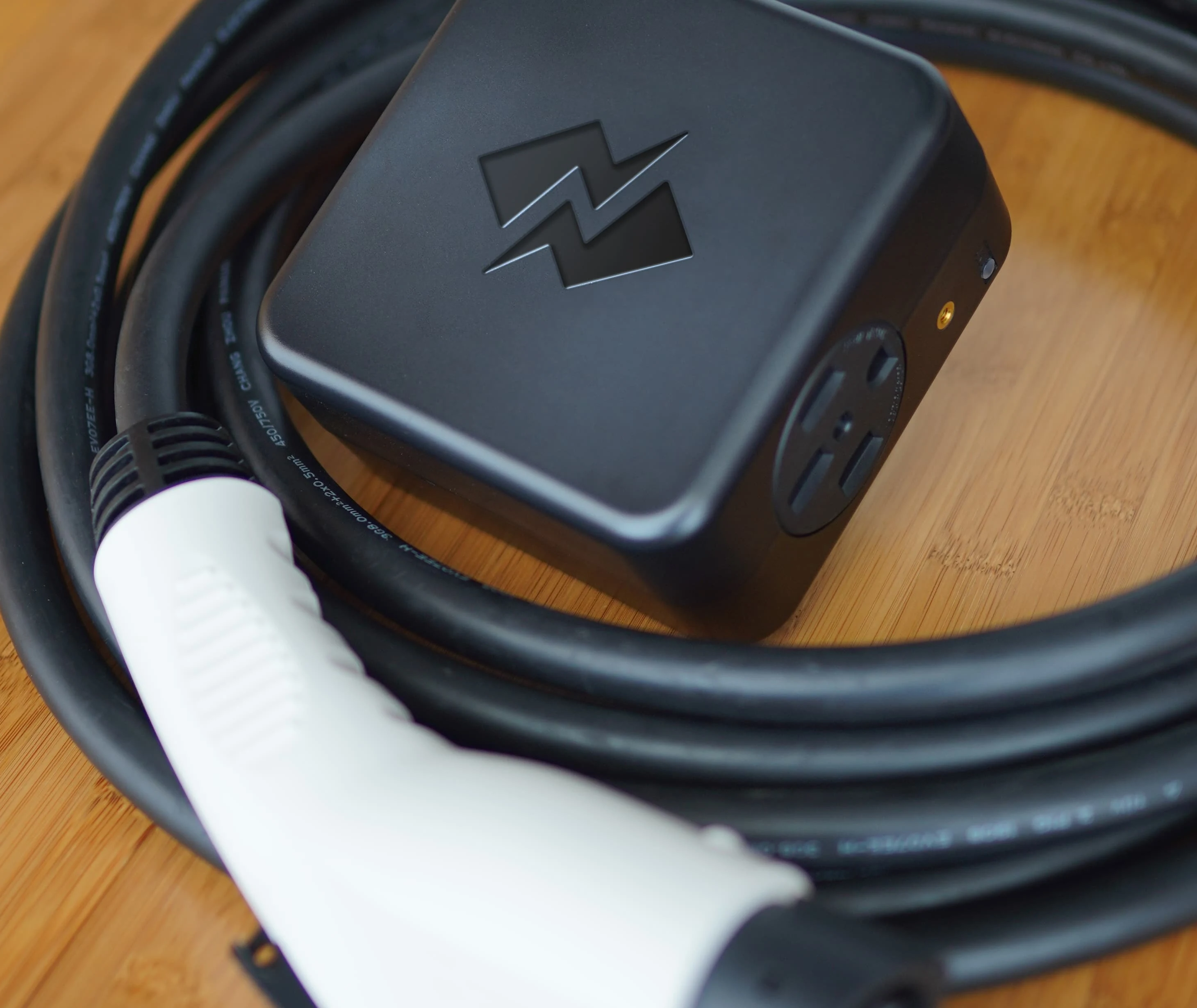
Plug into the 240V dryer outlet you already have. The dryer gets priority and your EV charges the rest of the night, with no panel upgrade and no new circuit. cUL-listed for Canada, and NeoCharge refunds $200 once it is connected and charging your EV.
Bottom line
British Columbia is one of the clearest provinces for smart home EV charging: charge overnight, avoid 4 p.m. to 9 p.m. peaks, check rebates, and treat panel upgrades as one option instead of the default answer.
If your home has a usable 240V outlet and your daily driving fits overnight charging, a load-managed setup can be the elegant move: safer than plug-swapping, cheaper than many panel upgrades, and better aligned with how BC Hydro and FortisBC want residential EV charging to behave.
Next steps (NeoCharge)
- Check whether your home can safely share an existing 240V outlet with the NeoCharge Smart Splitter. Canadian pricing applies automatically at checkout, no code needed.
- Use the NeoCharge App to schedule charging, track power, and make overnight charging easier to stick with.
- If you are a BC Hydro customer, review the current BC Hydro rebates overview before purchasing equipment.
Electrical safety disclaimer
This article is general information, not electrical advice. EV charging equipment must be installed and used according to local code, manufacturer instructions, and the judgment of a licensed electrician. Always confirm breaker size, wire size, receptacle condition, permits, utility eligibility, and rebate rules for your specific home.
NeoCharge App
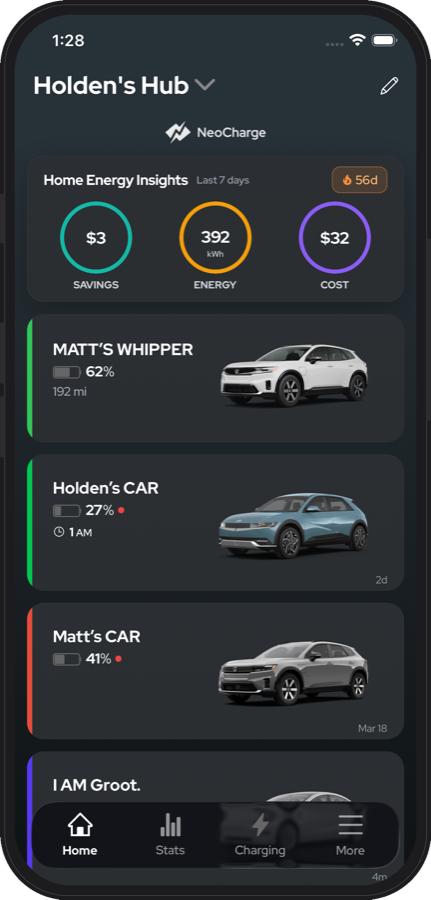
Track charging costs without spreadsheet work
See session history, monthly energy use, and savings so the article advice turns into a real household habit.
Explore the app

Next steps
Keep going with NeoCharge
Use the article as your decision guide, then jump into the product, app, or related guides that match what you are trying to solve next.
Key terms
- Level 2 charging
- Level 2 EV charging uses a 240V circuit (like a dryer outlet). It typically adds ~20–35 miles of range per hour, depending on your car and the circuit amperage.
- NEMA 14-50
- A NEMA 14-50 is a common 240V, 50A outlet (often used for EV charging). Many EV chargers plug into it, but the actual charging speed depends on the circuit and your EV.
- NEMA 14-30
- A NEMA 14-30 is a 240V, 30A dryer outlet. With a properly configured EV charger, it can usually support ~24A continuous charging (about 20–25 miles of range per hour for many EVs).
- Load management
- Load management is a strategy to keep your home’s electrical load within safe limits—often by scheduling or pausing EV charging when other appliances are running.
FAQs
What's the quick takeaway from this article?
Who is this guide for?
What should I do next?
Related posts
How to Charge Two EVs at Home in Canada on One 240V Outlet (2026)
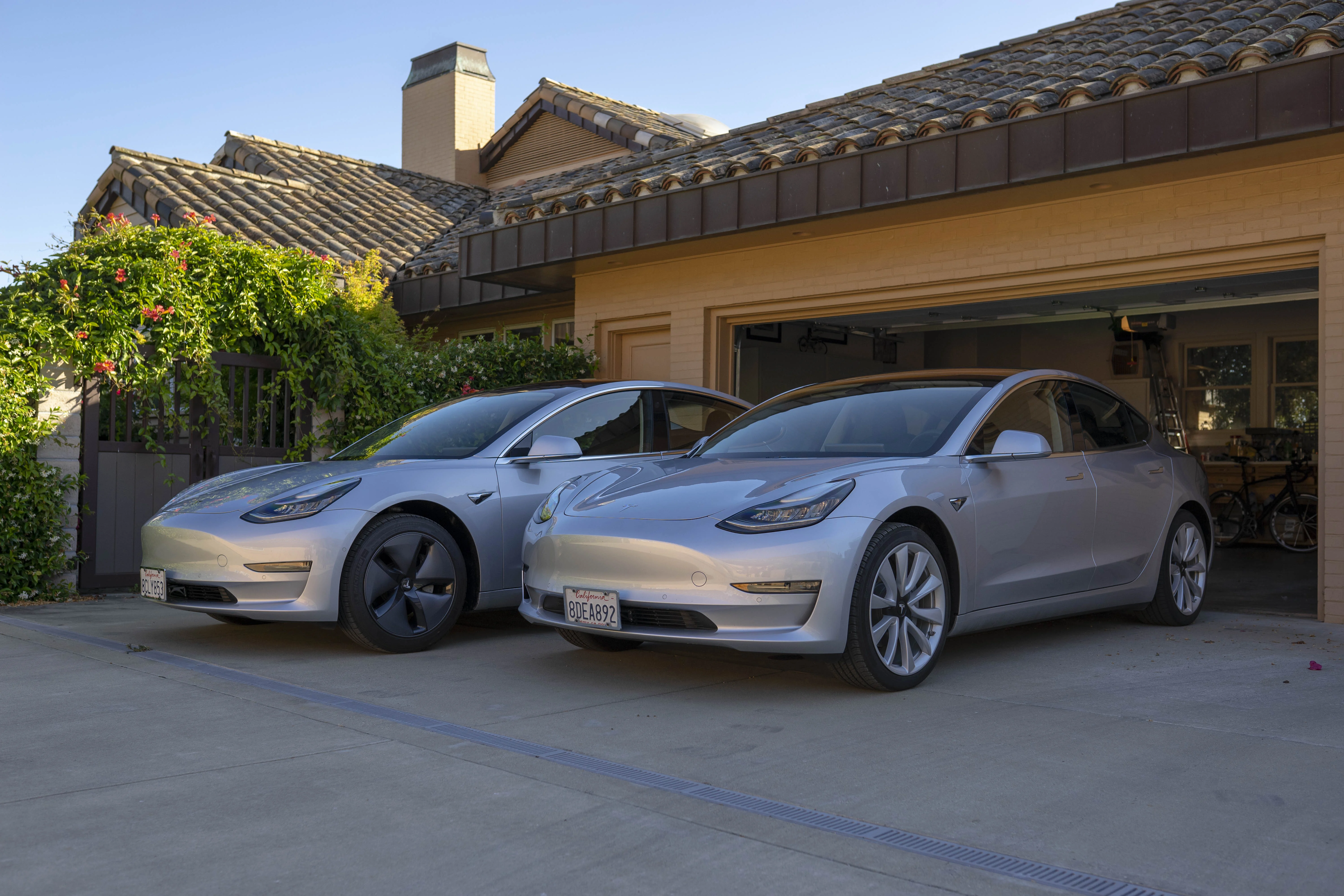
One 50A circuit adds about 360 km overnight, enough for two commutes. What the Canadian Electrical Code allows, permits by province, BC Hydro rebates, and options.

Burnaby EV Charger Installation
Burnaby EV charging by home type: share a dryer outlet instead of a panel upgrade, City permits, BC Hydro's $350 + $200 rebates, and strata right-to-charge.

Richmond EV Charger Installation
Richmond EV charger installation: Technical Safety BC permit fees, the 2018 EV-ready rule, BC Hydro's $350 + $200 rebates, and room for a heat pump.
Surrey EV Charger Installation
Add Level 2 charging in Surrey without a panel upgrade: City of Surrey permit steps, BC Hydro's $350 + $200 rebates, suited-house load math, and overnight costs.
