


Ontario Home EV Charging Guide: Ultra-Low Overnight Rates, Panel Upgrades, and Smarter Level 2 Charging

Direct answer: The cheapest way to charge an EV at home in Ontario is to switch to the Ontario Energy Board's Ultra-Low Overnight (ULO) rate plan and automatically schedule charging between 11 p.m. and 7 a.m. at 3.9¢/kWh — avoiding the 4–9 p.m. weekday on-peak window at 39.1¢/kWh. For homes with a tight 100A panel, a Smart Splitter on an existing NEMA 14-30 dryer outlet can deliver safe ~24A Level 2 charging without a $3,000–$8,000 panel upgrade.
Ontario's ULO plan changes the charging conversation
The Ontario Energy Board lists Ultra-Low Overnight pricing with an ultra-low period every day from 11 p.m. to 7 a.m., a weekday on-peak period from 4 p.m. to 9 p.m., and a current ultra-low electricity price of 3.9 cents/kWh.
Source: oeb.ca
That is a very clear product design brief for home EV charging:
- start after 11 p.m.
- finish before 7 a.m. when possible
- avoid 4 p.m. to 9 p.m.
- make the schedule automatic
- track kWh so the driver can see the cost difference
If your setup cannot schedule or track charging, you are leaving too much to memory.
The common Ontario install trap
Many Ontario homes can technically support EV charging. The issue is whether they can support every large load at once.
Typical evening stack:
- oven or cooktop
- electric dryer
- air conditioner or heat pump
- water heating
- EV charger
- basement suite or secondary loads
That stack is exactly why panel upgrade quotes show up. But a panel upgrade is not the only way to solve simultaneous load. You can also reduce the charging current, schedule charging later, or use load management so the EV pauses when another large appliance needs the circuit.
The goal is not to make the panel infinite. The goal is to prevent the wrong loads from overlapping.
Why lower-amp Level 2 charging is underrated
Ontario drivers often compare chargers by maximum amperage: 40A, 48A, 60A breaker, bigger is better. That is not how most homes actually use charging.
If your EV sits plugged in for eight hours, even a moderate Level 2 charging rate can recover normal commuting range. A 24A or 32A setup may be enough for daily life, especially if the app starts charging automatically at 11 p.m.
This matters because a lower-amp circuit may:
- fit the existing panel better
- reduce installation complexity
- avoid a service upgrade
- still fully recharge the car by morning
- cost less to permit and install
The charger should match your driving pattern, not your anxiety.
Dryer outlet EV charging in Ontario
A NEMA 14-30 dryer outlet is common in many Ontario homes. It is usually a 30A circuit, which means EV charging should typically be limited to 24A for continuous-load safety, assuming the circuit is properly installed and in good condition.
That can still be meaningful Level 2 charging. The unsafe version is manually swapping plugs, using cheap adapters, or assuming the dryer and EV can share the circuit at the same time.
The safer version is:
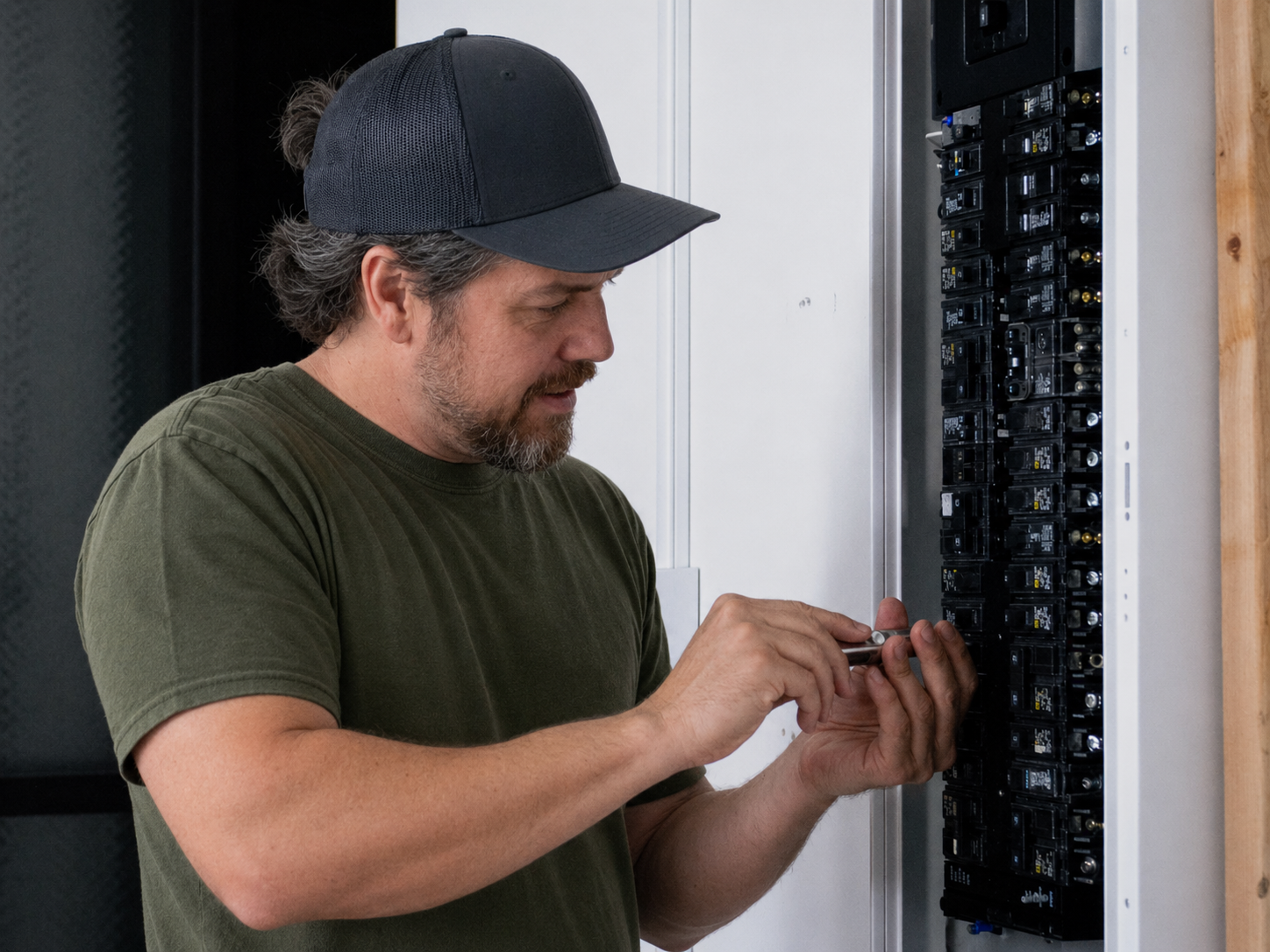
- licensed electrician inspection
- correct plug/receptacle condition
- current-limited EV charging
- no extension cords
- automatic load sharing if the dryer and EV need the same outlet
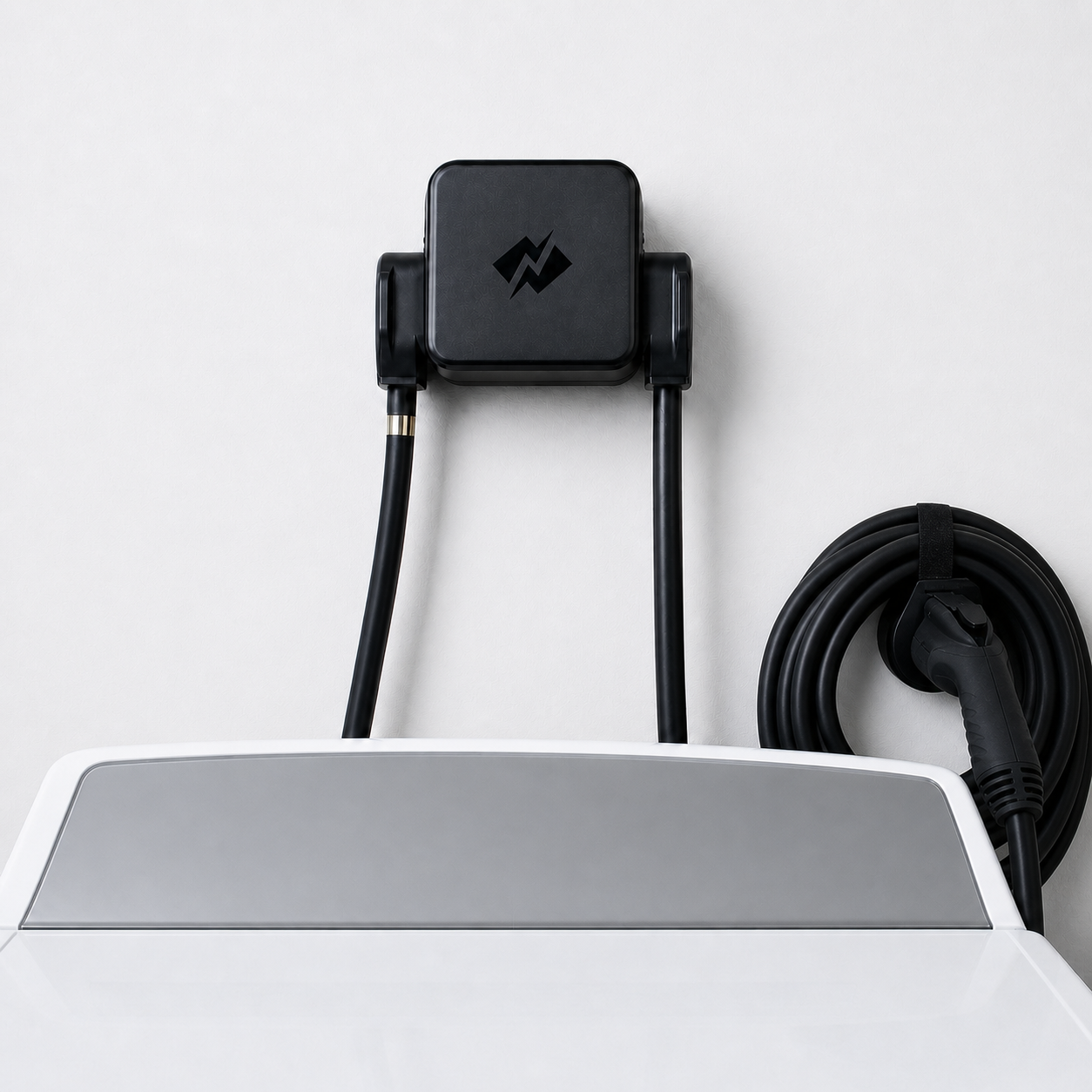
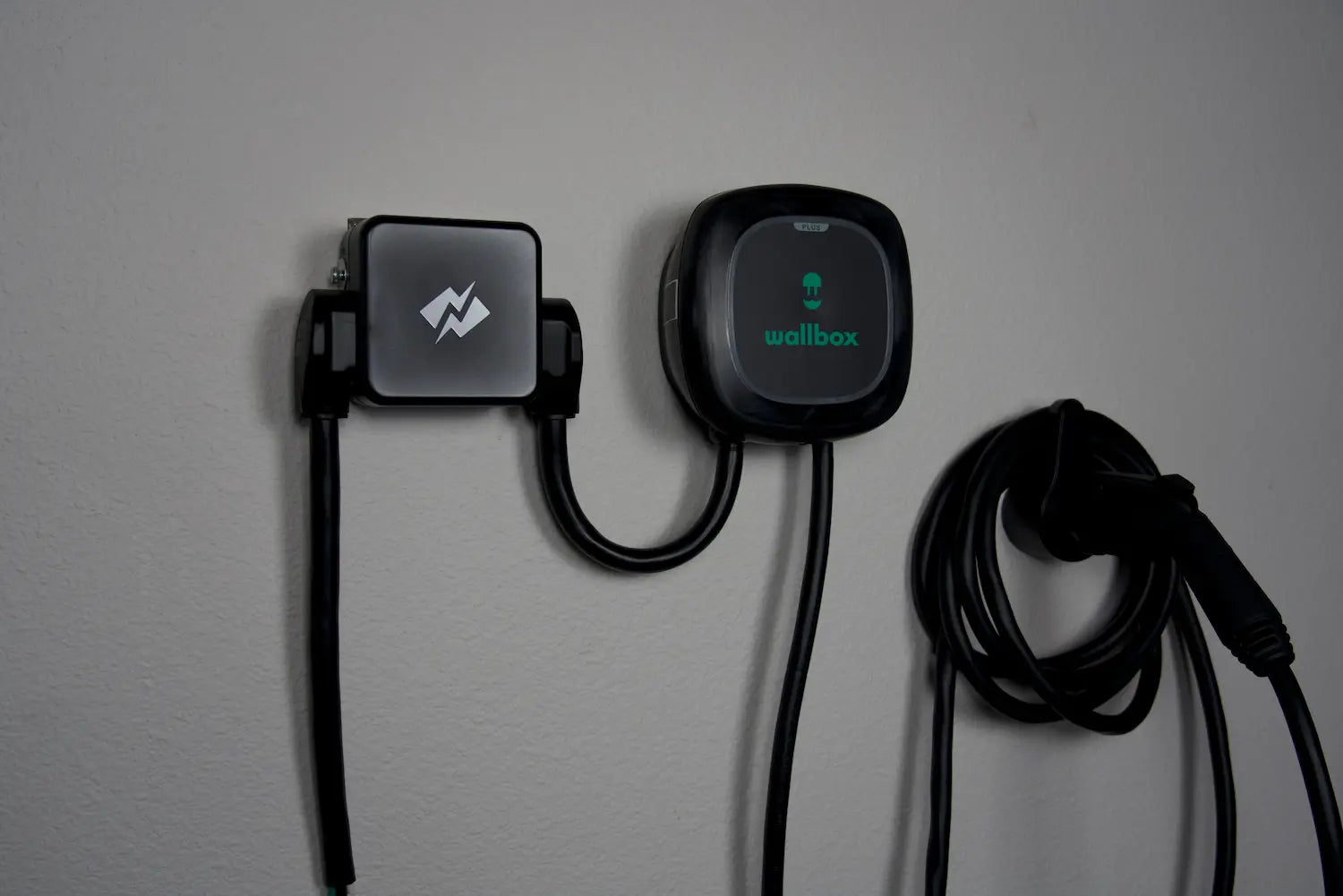
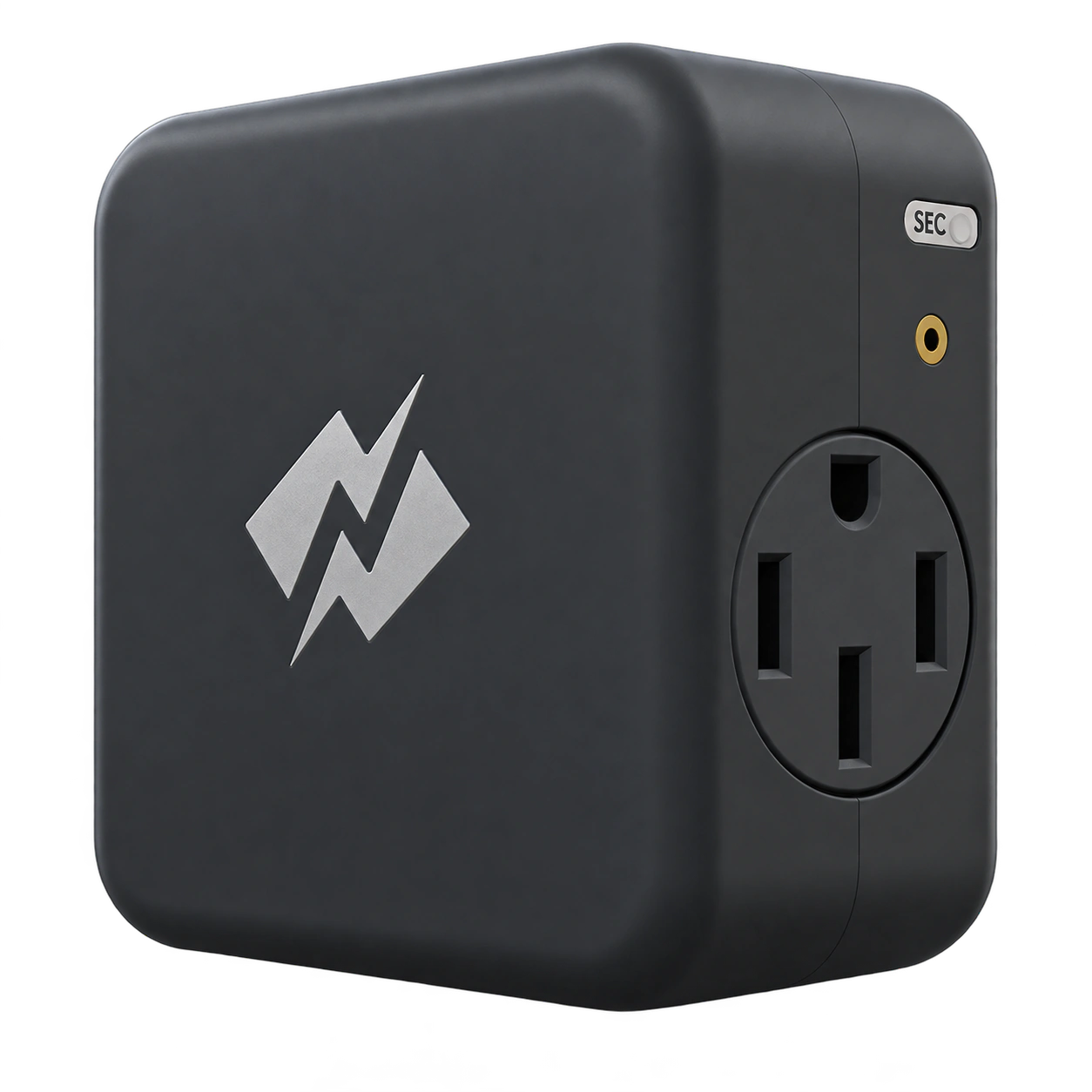
That is where a Smart Splitter can fit: it gives the EV and appliance a controlled way to share the circuit instead of relying on habits.
NEMA 14-30 vs. NEMA 14-50 in Ontario
The two outlet names worth knowing are:
- NEMA 14-30: the four-prong dryer outlet, usually 30A. For EV charging, many setups target about 24A continuous charging.
- NEMA 14-50: the common plug-in EV charger outlet, usually 50A. Many Level 2 EV chargers use this outlet and can charge up to about 40A continuous when the circuit is correctly installed.
For Ontario, the more important question is timing. A 14-50 can charge faster, but if your car sits overnight, a properly managed 14-30 setup may still cover daily driving while avoiding a bigger electrical project. The best setup is the one that safely reaches your needed range inside the ULO overnight window.
For more detail, see the NeoCharge guides to NEMA 14-30 dryer outlet EV charging, NEMA 14-50 EV charging outlets, and sharing a 240V outlet safely.
Hydro One and demand response are a preview of where this goes
Hydro One's myEnergy Rewards page says EV and EV charger enrolment is currently closed, while existing members remain enrolled. Its FAQ-style materials describe the basic concept: shifting charging away from peak hours helps reliability and can avoid future system costs.
Source: hydroone.com
Even when a specific enrolment lane is closed, the direction is obvious. Utilities want flexible load. EV charging is one of the cleanest flexible loads in the home because most cars sit parked for hours.
That makes connected charging and scheduling valuable even before every incentive program is open.
Ontario-specific charging plan
Use this as the decision tree:
- You drive less than 60 km/day: Level 1 might work short term, but a lower-amp Level 2 setup will feel much better.
- You drive 60-150 km/day: Look at 24A or 32A Level 2 charging first, especially if the car is plugged in overnight.
- You have a dryer outlet near parking: Ask whether a Smart Splitter/load-sharing setup can work safely.
- You have a tight 100A panel: Ask for a load calculation and a load-management option before accepting a panel upgrade quote.
- You are on ULO or considering it: Make sure your setup can reliably charge from 11 p.m. to 7 a.m. and avoid 4 p.m. to 9 p.m.
Quick questions this Ontario guide answers
- Is Ultra-Low Overnight good for EV charging? It can be, especially if the car is parked at home overnight and your setup can reliably charge between 11 p.m. and 7 a.m.
- What is the catch with ULO? The weekday 4 p.m. to 9 p.m. on-peak period is more expensive, so the whole home pattern matters, not just the car.
- Can I install Level 2 charging without upgrading my panel? Often, yes. Lower-amp Level 2 charging, scheduling, and load management can reduce the need for a service upgrade.
- Can I charge from a dryer outlet? Sometimes, but only if the circuit is safe, the EV charging current is set correctly, and the dryer and EV cannot overload the circuit together.
- Should I use a NEMA 14-30 or NEMA 14-50 outlet? Use 14-30 when you are safely working with an existing dryer circuit; use 14-50 when you are installing or using a proper 50A EV charging circuit. The panel and ULO schedule matter more than the outlet name alone.
- Can I charge two EVs from one outlet? Only with the right equipment and load-management plan. Two EVs can easily exceed what a home circuit should deliver if both try to charge at full power.
- How does the Smart Splitter save money in Ontario? It can help you avoid a bigger electrical project by safely sharing an existing 240V circuit, then the app side helps you push charging into Ontario's overnight window.
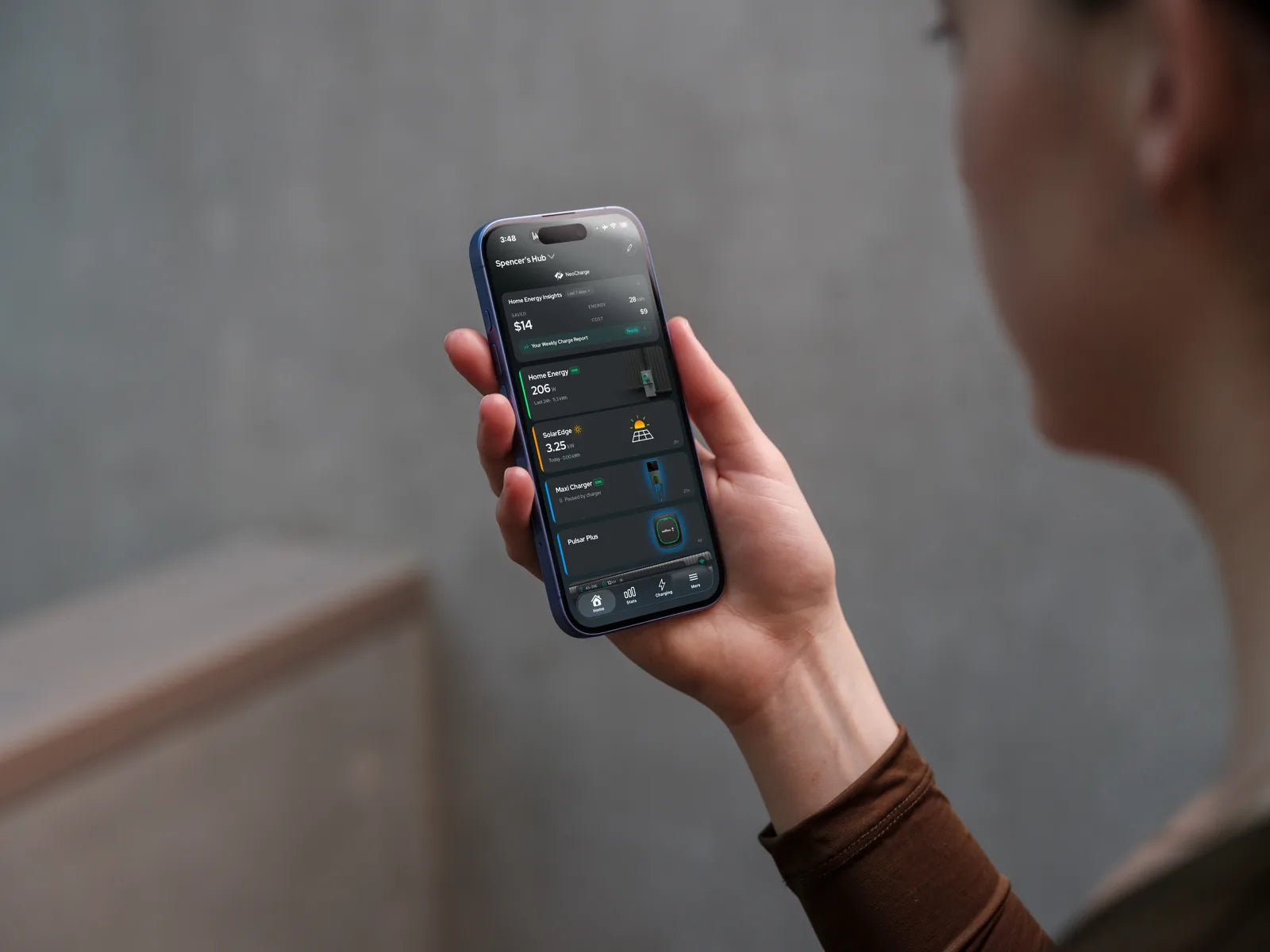
- Can the Smart Splitter schedule around ULO? The NeoCharge App can help schedule and monitor charging so the car waits for the lower-cost overnight window instead of charging during the 4 p.m. to 9 p.m. peak.
- Does Hydro One have EV charging rewards? Hydro One has offered myEnergy Rewards-style demand-response programs, but enrolment and eligibility can change. Verify current availability before buying equipment for a program.
- What should my Ontario charging setup do automatically? Start after 11 p.m., avoid 4 p.m. to 9 p.m., track kWh, and pause or manage load when another appliance needs the circuit.
A simple overnight cost example
If you add 30 kWh overnight on ULO, the electricity line cost at 3.9 cents/kWh is about $1.17 before delivery, regulatory charges, taxes, and other bill components.
That is why the schedule matters. The same energy during weekday on-peak hours is priced very differently. Your final bill is more complicated than one line item, but the behavioral lesson is not complicated:
Let the car wait until 11 p.m.
Bottom line
Ontario is not just a good home EV charging market. It is a market where bad scheduling can erase part of the advantage.
The best setup is boring in the best way: safe circuit, right-sized amperage, automatic overnight schedule, energy tracking, and load management if the panel or dryer circuit is the constraint. Do that, and you get most of the daily convenience of Level 2 charging without automatically jumping to the most expensive electrical project.
Next steps (NeoCharge)
- If your home has an existing 240V outlet, check whether the NeoCharge Smart Splitter can help you safely share it. Canadian pricing applies automatically at checkout, no code needed.
- Use the NeoCharge App to schedule charging overnight and track how much energy your EV actually uses.
- Before choosing ULO, use your utility or OEB bill calculator and compare your whole-home pattern, not just the car.
Electrical safety disclaimer
This article is for general information only. Electrical work should be evaluated by a licensed electrician and completed under applicable Ontario electrical rules, permits, and equipment instructions. Always verify rate plans and program eligibility with your local distribution company before making purchasing decisions.
NeoCharge App
Turn rate plans into simple charging schedules
Schedule around off-peak windows, manage compatible chargers, and keep tabs on charging sessions from the app.
Explore the app


Next steps
Keep going with NeoCharge
Use the article as your decision guide, then jump into the product, app, or related guides that match what you are trying to solve next.
Key terms
- Level 2 charging
- Level 2 EV charging uses a 240V circuit (like a dryer outlet). It typically adds ~20–35 miles of range per hour, depending on your car and the circuit amperage.
- NEMA 14-50
- A NEMA 14-50 is a common 240V, 50A outlet (often used for EV charging). Many EV chargers plug into it, but the actual charging speed depends on the circuit and your EV.
- NEMA 14-30
- A NEMA 14-30 is a 240V, 30A dryer outlet. With a properly configured EV charger, it can usually support ~24A continuous charging (about 20–25 miles of range per hour for many EVs).
- Load management
- Load management is a strategy to keep your home’s electrical load within safe limits—often by scheduling or pausing EV charging when other appliances are running.
FAQs
What's the quick takeaway from this article?
Who is this guide for?
What should I do next?
Related posts

Burnaby EV Charger Installation
Burnaby EV charging by home type: share a dryer outlet instead of a panel upgrade, City permits, BC Hydro's $350 + $200 rebates, and strata right-to-charge.

Richmond EV Charger Installation
Richmond EV charger installation: Technical Safety BC permit fees, the 2018 EV-ready rule, BC Hydro's $350 + $200 rebates, and room for a heat pump.

Surrey EV Charger Installation
Add Level 2 charging in Surrey without a panel upgrade: City of Surrey permit steps, BC Hydro's $350 + $200 rebates, suited-house load math, and overnight costs.

BC Hydro EV Power Management Device Rebate: Eligible Devices (2026)
BC Hydro pays $200 extra for an eligible EV power management device. The Sept 2026 device list, which chargers qualify, and the permit rule that decides who gets it.
