

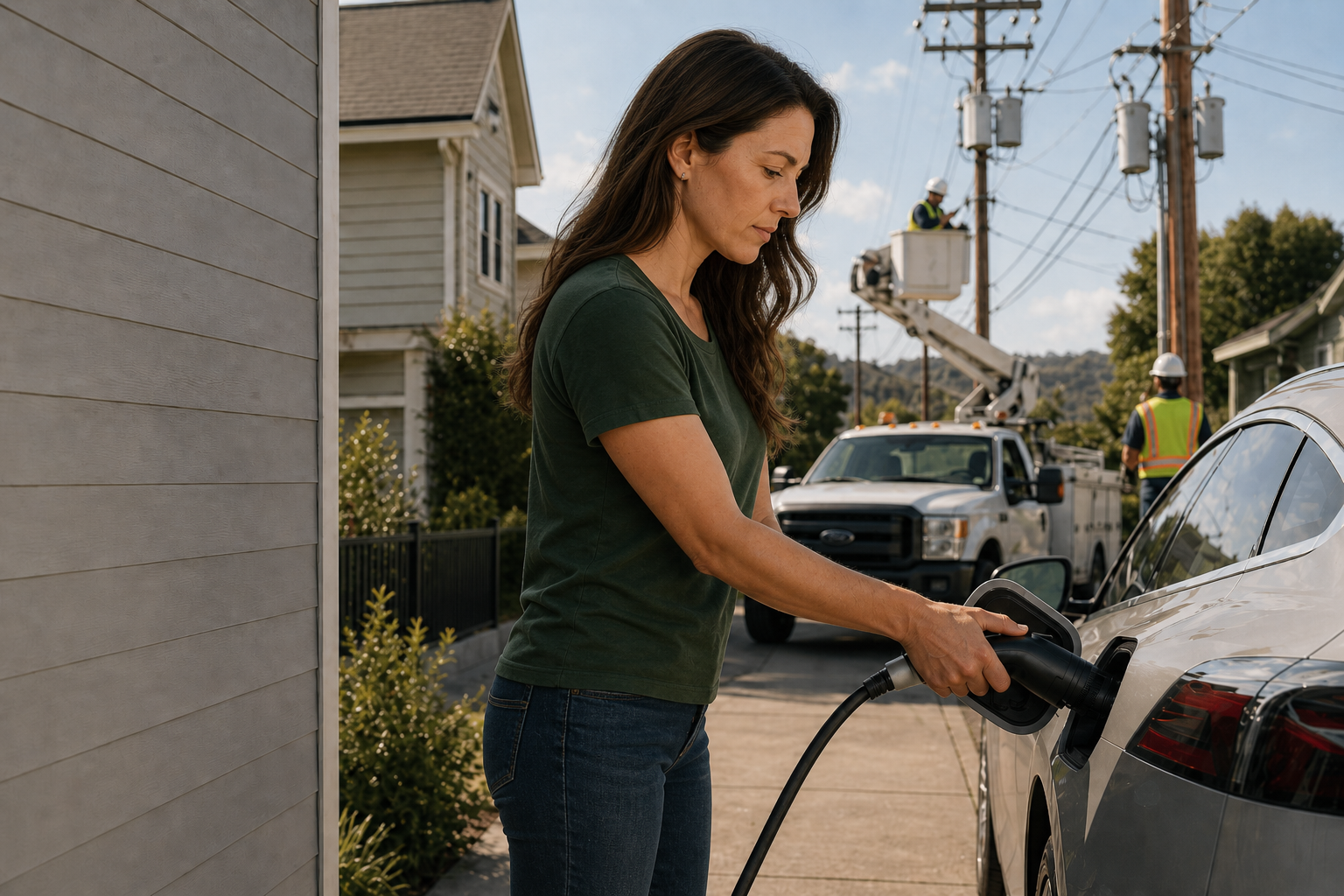

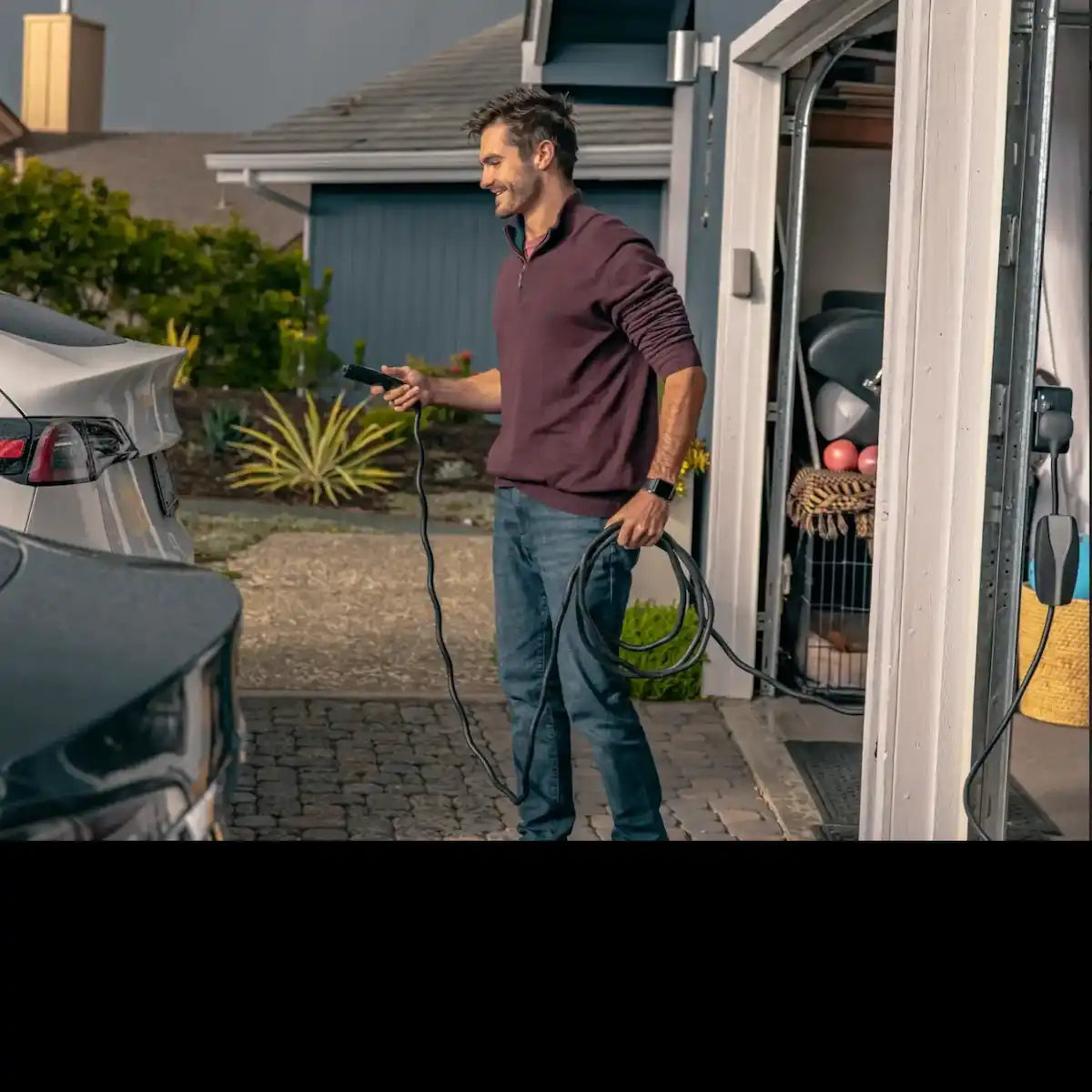

Can You Charge an EV From a NEMA 14-30 Dryer Outlet in Canada?
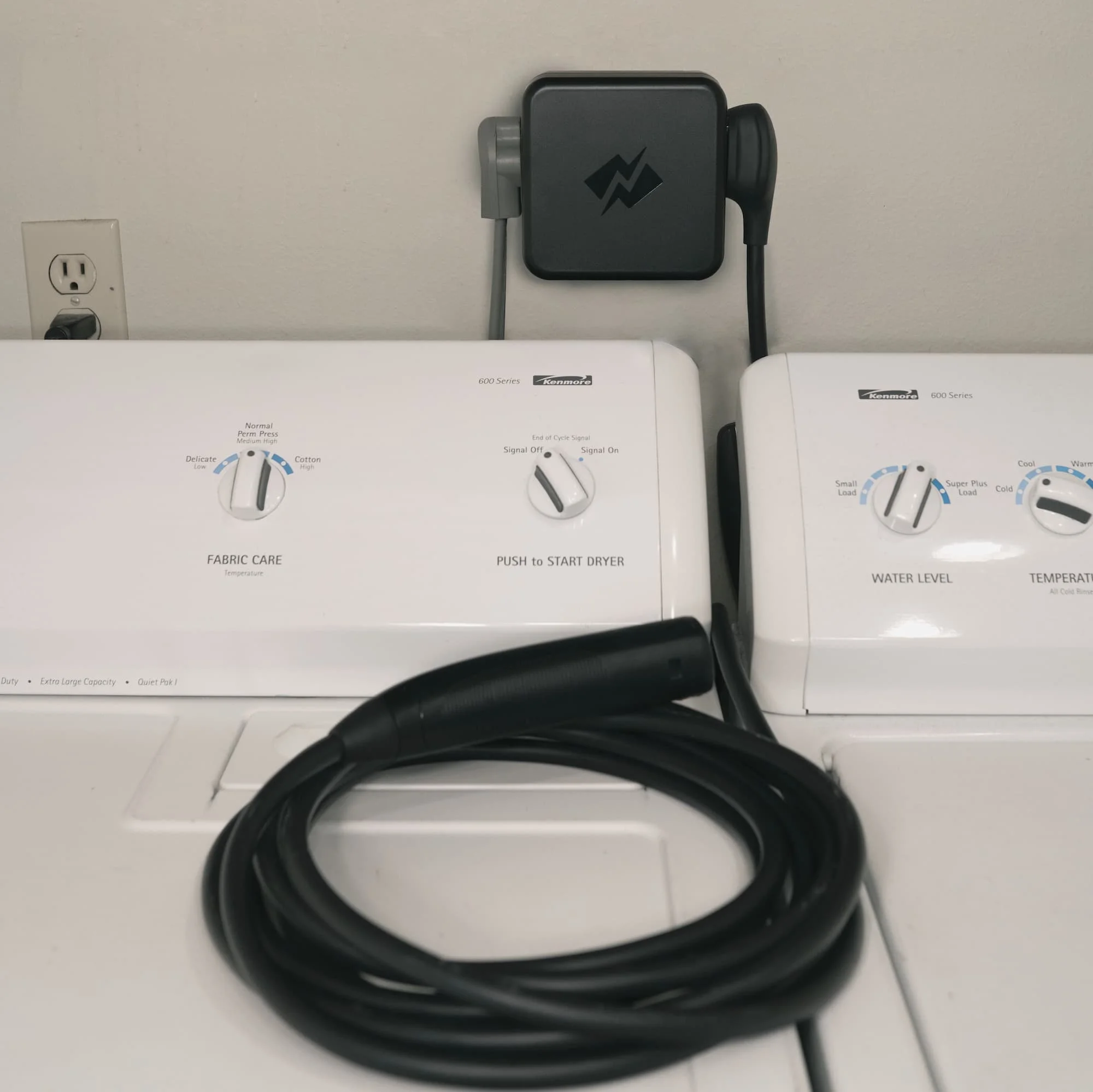
Direct answer: Yes, many Canadian EV owners can charge from a NEMA 14-30 dryer outlet if the outlet, breaker, wiring, grounding, and EV charger current limit are suitable. A 30A dryer circuit is commonly treated as about 24A continuous EV charging, or roughly 5.7 kW on 240V. That is enough for many overnight drivers. If the outlet is shared with a dryer, use automatic load sharing with a Smart Splitter instead of manually swapping plugs.
Why NEMA 14-30 matters in Canada
A lot of Canadian homes already have the thing a new EV driver is looking for: a 240V dryer outlet. It may be in the laundry room, garage, basement, or near the driveway, and it can be much closer to useful Level 2 charging than starting from scratch.
That creates a practical question for EV owners in Vancouver, Victoria, Toronto, Hamilton, Kitchener-Waterloo, Ottawa, Montreal, Quebec City, Calgary, and beyond:
Can I use the 240V outlet I already have instead of paying for a new EV circuit or panel upgrade?
Sometimes, yes. But the safe answer depends on the circuit, not just the plug shape. A NEMA 14-30 can be a smart path when the outlet is healthy, the charger is current-limited, and a load-sharing plan prevents the dryer and EV from pulling high power at the same time.
What is a NEMA 14-30?
A NEMA 14-30 is the common four-prong 240V dryer outlet used in many Canadian homes. It is different from an older three-prong NEMA 10-30 dryer outlet and different from a larger NEMA 14-50 EV/RV-style outlet.
The important details:
- It is usually on a 30A circuit.
- EV charging is usually treated as a continuous load.
- A 30A circuit is commonly limited to about 24A for continuous EV charging.
- The outlet, wire, breaker, grounding, and installation quality matter as much as the plug shape.
At 24A on a 240V circuit, charging power is about 5.7 kW. For many EVs, that often means roughly 20-25 miles or 30-40 km of range per hour, depending on vehicle efficiency, weather, battery temperature, and charging losses. That is slower than a 50A EV outlet, but it is often enough for overnight charging.
Canada-specific decision: outlet, panel, rate plan, rebate
The Canadian version of this question has four parts:
| Question | Why it matters |
|---|---|
| Is the dryer outlet safe? | Old, loose, damaged, or poorly terminated receptacles can overheat during long EV charging sessions. |
| Can the charger limit current? | A 30A dryer circuit should not be treated like a 50A EV outlet. |
| Can the dryer and EV overlap? | If both loads can run at once, you need load management instead of habits. |
| Does your province or utility change the math? | B.C., Ontario, and Quebec each make the best setup slightly different through rebates, overnight rates, or winter peak pricing. |
This is why a Smart Splitter is often a better first question than a panel upgrade quote. If the existing dryer circuit is suitable, load management may solve the real problem: preventing two large loads from stacking on one circuit or tight panel.
When a dryer outlet can work
A NEMA 14-30 may be a good EV charging option when:
- the receptacle is modern and in good condition
- the breaker and wiring are appropriate
- the EV charger can limit current to the correct level
- the outlet is not damaged, loose, discolored, buzzing, or overheating
- the EV and dryer cannot run as simultaneous high-power loads
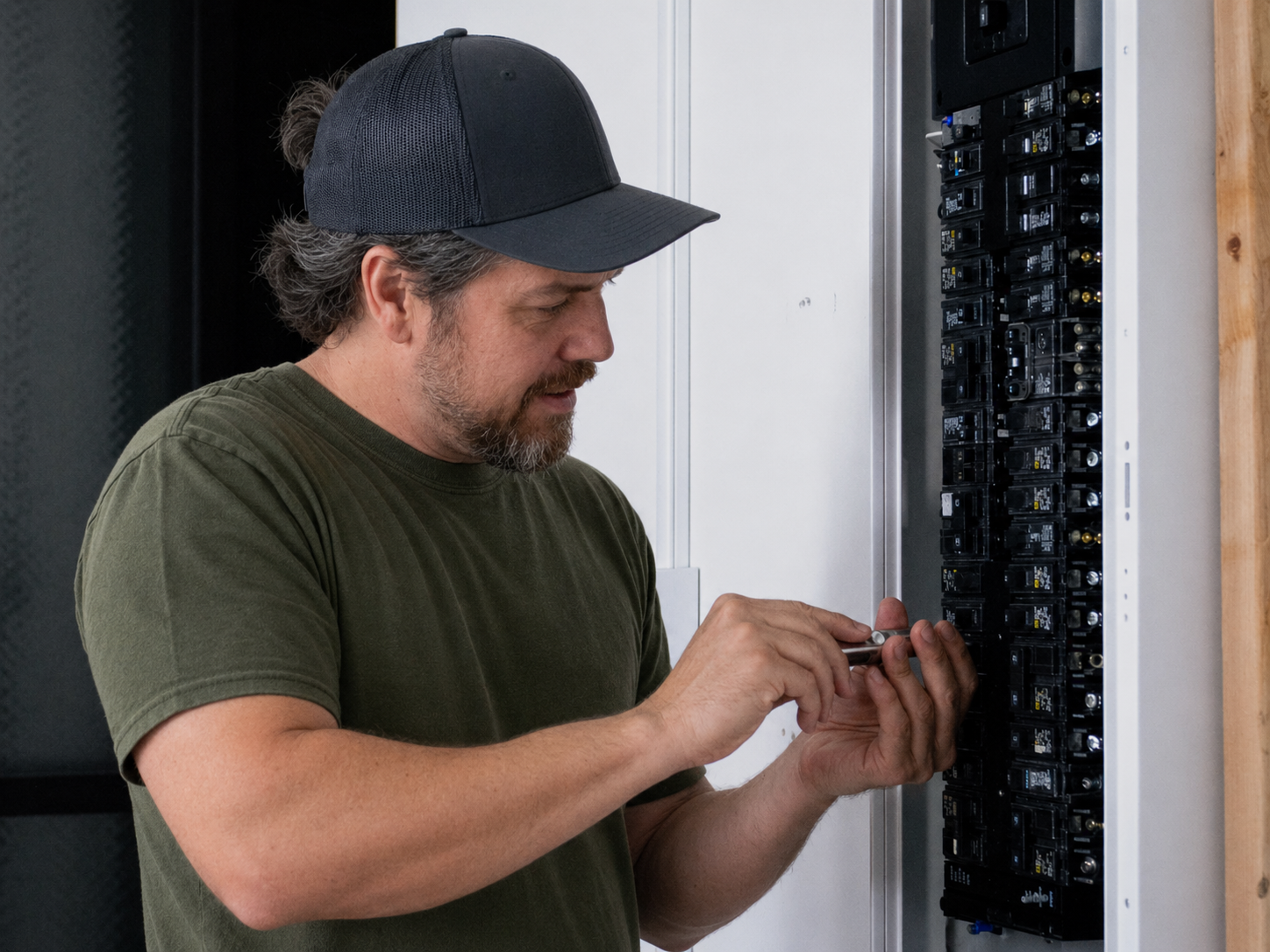
- a licensed electrician confirms the setup is suitable when there is any uncertainty
For many drivers, 24A Level 2 charging can recover normal daily driving overnight.
When it is not enough
Do not use a dryer outlet casually if:
- the outlet is old, loose, cracked, warm, or discolored
- the circuit has unknown wiring or DIY modifications
- the home has aluminum wiring concerns
- the dryer and EV could run at the same time
- the EV charger cannot reliably limit current
- you need extension cords or mystery adapters
- you are trying to make a 30A circuit behave like a 50A circuit
That is where a cheap shortcut can turn into an expensive problem.
How a Smart Splitter changes the decision
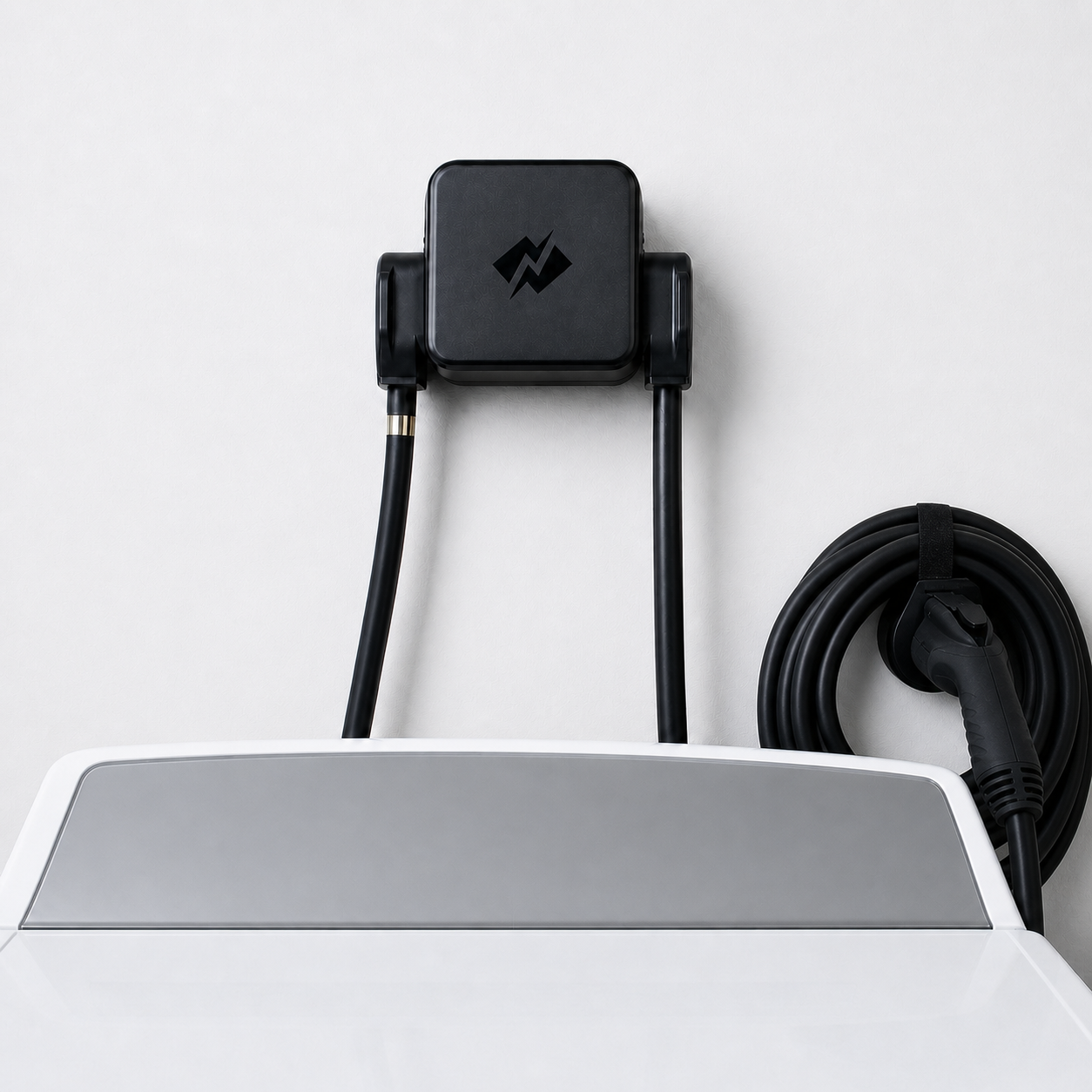
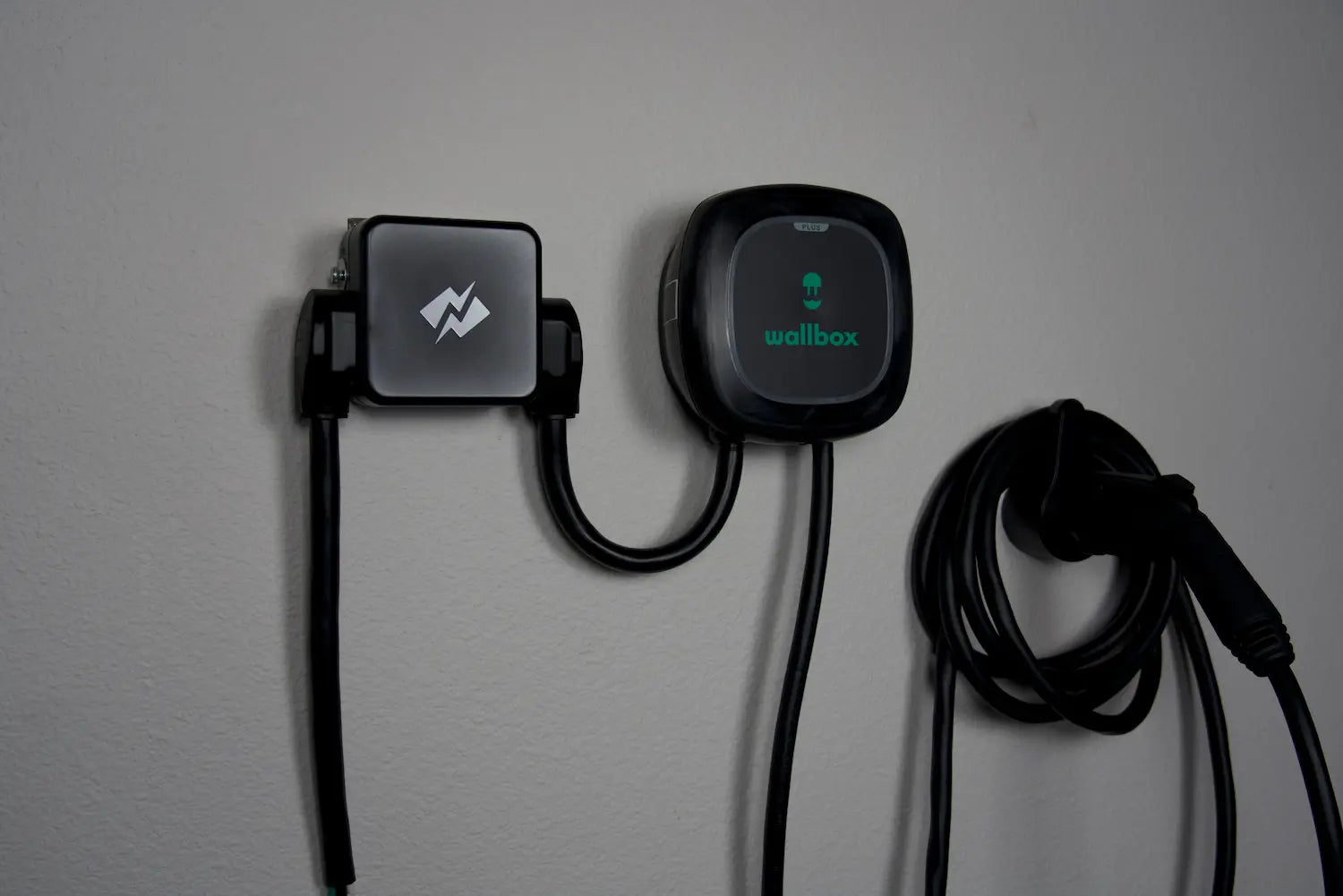
The Smart Splitter is designed for a common Canadian homeowner problem: one useful 240V outlet, two possible loads.
Instead of manually swapping plugs or hoping nobody runs the dryer, a purpose-built splitter/load-sharing device helps prevent the dryer and EV from pulling high power at the same time.
The value is practical:
- use an existing 240V outlet
- avoid manual plug swapping
- reduce panel-upgrade pressure
- get Level 2 charging faster
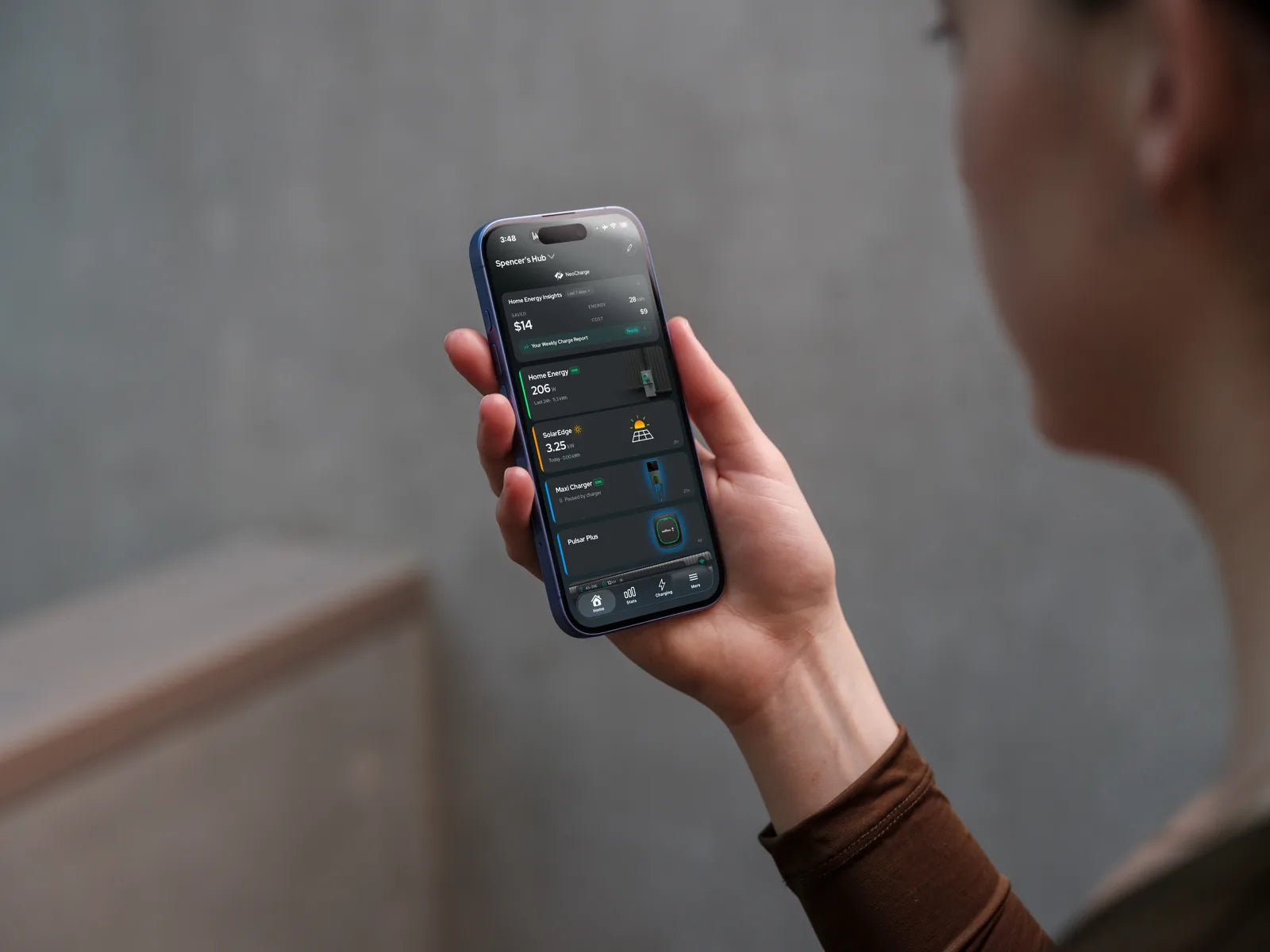
- pair charging with app scheduling and energy tracking
- keep the dryer circuit from becoming a household memory test
Canada dryer outlet offer
The Smart Splitter is $399 CAD at checkout as of October 9, 2026, with $300 off the list price applied automatically. NeoCharge refunds $200 once it is connected to the app and charging your EV.
If an electrician quotes a panel upgrade, ask whether load management can safely solve the home charging need.
Province playbook
British Columbia
B.C. is one of the strongest cases for checking load management before assuming a panel upgrade. BC Hydro's CleanBC Go Electric terms include a power management device top-up of up to $200 for eligible single-family-home power management devices in BC Hydro service territory.
That matters for dryer outlets because the homeowner may be able to combine:
- an existing NEMA 14-30 dryer outlet
- a Smart Splitter/load-management device
- overnight charging
- NeoCharge's Canadian pricing ($399 CAD at checkout, then a $200 app refund for EV charging)
- any applicable BC Hydro / CleanBC eligibility
The practical question in B.C. is often: Can I use load management to get Level 2 charging without a $3,000-$8,000 panel upgrade?
Ontario
Ontario is a scheduling story. The Ontario Energy Board lists Ultra-Low Overnight pricing as a customer option, and for the November 1, 2025 to April 30, 2026 price period, ULO includes 3.9 cents/kWh overnight and much higher weekday on-peak pricing.
That makes NEMA 14-30 charging especially practical for many Ontario EV owners:
- 24A charging can recover normal daily driving overnight
- the car can be scheduled into the lowest-price overnight window
- Smart Splitter/load management helps avoid dryer overlap
- the NeoCharge app can help track and schedule charging behavior
The Ontario mistake is adding the biggest circuit possible and then charging during expensive peak hours. The better move is often enough Level 2 charging, scheduled intelligently.
Quebec
Quebec is a winter peak story. Hydro-Quebec's Rate Flex D peak demand events can occur during winter morning and evening windows from December 1 to March 31, so EV charging should be winter-aware rather than only overnight by habit.
Quebec also has the Écorecharge program for home charging support. The Government of Quebec says eligible applicants may receive a $600 grant for purchase and installation of a home charging station, and from April 1, 2026, only connected charging stations are eligible for financial assistance.
That means Quebec homeowners should think about:
- connected charging
- winter peak-event avoidance
- existing 240V outlet safety
- load management when the dryer outlet or panel is tight
- whether the charger and setup match current Écorecharge rules
NEMA 14-30 vs NEMA 14-50 in Canada
The simple version:
- NEMA 14-30: common dryer outlet, usually 30A, often about 24A EV charging when suitable.
- NEMA 14-50: common EV/RV outlet, usually 50A, often about 40A EV charging when installed correctly.
The 14-50 is faster. The 14-30 may be easier if it already exists. The right answer depends on daily driving, panel capacity, outlet location, installation cost, permits, and utility incentives.
If you are comparing outlet types, the big mistake is treating plug shape as the whole decision. A 14-50 can support more power when installed correctly, but it may require new wiring, panel capacity, permits, and electrical work. A 14-30 is often already present, which is why load management can be the better first question for Canadian homes with tight panels.
Quick Canada checklist
Before using a NEMA 14-30 dryer outlet for EV charging in Canada:
- Confirm the outlet is actually a NEMA 14-30, not an older NEMA 10-30.
- Confirm the charger can limit current to 24A or lower on a suitable 30A circuit.
- Inspect the outlet for looseness, heat marks, cracking, or discoloration.
- Avoid extension cords and unknown adapters.
- If the dryer shares the outlet, use load management instead of manual plug swapping.
- Check your province or utility for current rebates, rate plans, and connected-charger requirements.
- Ask a licensed electrician when the circuit history, panel capacity, or local rules are unclear.
FAQ
Can I charge an EV from a NEMA 14-30 dryer outlet in Canada?
How fast is NEMA 14-30 EV charging in Canada?
Can I share a dryer outlet with an EV charger?
Is a Smart Splitter cheaper than a panel upgrade in Canada?
Does BC Hydro help with EV power management devices?
Why does Ontario Ultra-Low Overnight pricing matter?
Why does Quebec winter peak pricing matter?
Sources
- Main NeoCharge NEMA 14-30 guide: getneocharge.com
- NeoCharge 240V sharing guide: getneocharge.com
- BC Hydro / CleanBC Go Electric EV Charger Rebate Program terms: bchydro.com
- Ontario Energy Board electricity rates: oeb.ca
- Hydro-Quebec Rate Flex D: hydroquebec.com
- Government of Quebec Écorecharge home charging station assistance: quebec.ca
- Government of Quebec eligible home charging station guidance: quebec.ca
Electrical safety disclaimer
This article is for general informational purposes only and does not replace advice from a qualified professional. Electrical work can cause fire, injury, or death if done incorrectly. Always follow local codes, obtain permits where required, and consult a licensed electrician to evaluate your specific panel, wiring, receptacle, and EV charging equipment before making changes or relying on a dryer outlet for regular EV charging.
NeoCharge App
Turn rate plans into simple charging schedules
Schedule around off-peak windows, manage compatible chargers, and keep tabs on charging sessions from the app.
Explore the app


Next steps
Keep going with NeoCharge
Use the article as your decision guide, then jump into the product, app, or related guides that match what you are trying to solve next.
Key terms
- Level 2 charging
- Level 2 EV charging uses a 240V circuit (like a dryer outlet). It typically adds ~20–35 miles of range per hour, depending on your car and the circuit amperage.
- NEMA 14-50
- A NEMA 14-50 is a common 240V, 50A outlet (often used for EV charging). Many EV chargers plug into it, but the actual charging speed depends on the circuit and your EV.
- NEMA 14-30
- A NEMA 14-30 is a 240V, 30A dryer outlet. With a properly configured EV charger, it can usually support ~24A continuous charging (about 20–25 miles of range per hour for many EVs).
- Load management
- Load management is a strategy to keep your home’s electrical load within safe limits—often by scheduling or pausing EV charging when other appliances are running.
Related posts


Burnaby EV Charger Installation
Burnaby EV charging by home type: share a dryer outlet instead of a panel upgrade, City permits, BC Hydro's $350 + $200 rebates, and strata right-to-charge.

Richmond EV Charger Installation
Richmond EV charger installation: Technical Safety BC permit fees, the 2018 EV-ready rule, BC Hydro's $350 + $200 rebates, and room for a heat pump.

Surrey EV Charger Installation
Add Level 2 charging in Surrey without a panel upgrade: City of Surrey permit steps, BC Hydro's $350 + $200 rebates, suited-house load math, and overnight costs.

BC Hydro EV Power Management Device Rebate: Eligible Devices (2026)
BC Hydro pays $200 extra for an eligible EV power management device. The Sept 2026 device list, which chargers qualify, and the permit rule that decides who gets it.
