



Quebec Home EV Charging Guide: Écorecharge, Hydro-Québec Flex D, and Smart Level 2 Charging

Direct answer: The best Quebec home EV charging setup is a connected Level 2 charging station — required for the $600 Écorecharge grant from April 1, 2026 — scheduled around Hydro-Québec winter peak events on Flex D (Dec 1–Mar 31, up to 120 hours total), sized to your actual driving rather than maxing out amperage. For homes with a tight panel, a Smart Splitter on an existing NEMA 14-30 dryer outlet can deliver safe ~24A Level 2 charging without a service upgrade.
Écorecharge makes connected charging the new baseline
The Gouvernement du Québec says EV owners may be eligible for a $600 grant for the purchase and installation of a home charging station.
Source: quebec.ca
The important 2026 detail is eligibility. Quebec's charging-station guidance says that from April 1, 2026, only connected charging stations are eligible for financial assistance. It defines a connected charging station as one that can receive, send, and process remote commands through a mobile app or web application, including scheduling based on peak electricity demand periods.
Source: quebec.ca
That is the whole strategy in one sentence:
Buy a charging setup you can control.
Why winter peak events matter
Hydro-Québec's Rate Flex D is designed around winter demand. Hydro-Québec says the rate can save money because electricity is below the base rate most of the winter, except during occasional peak demand events when the price is higher. Peak events can occur from December 1 to March 31, commonly in morning and evening periods, with a maximum total duration of 120 hours during the winter period.
Source: hydroquebec.com
For EV owners, that means you do not want a "dumb" charger blindly pulling power through a peak event if you can avoid it. You want the car to charge when the house and grid are calm.
Quebec's best home charging pattern
For many Quebec homes, the ideal setup has five traits:
- Level 2 charging for reliable overnight range
- connected scheduling through the charger, vehicle, or app
- energy tracking so winter EV load is visible
- load management if the panel or dryer circuit is tight
- a plan for Hydro-Québec peak events
That last point matters because Quebec winters are not theoretical. Range drops, heating loads rise, and charging sessions get longer. If you are trying to understand your winter bill, you need EV charging data instead of guessing from whole-home kWh.
Do you need a panel upgrade in Quebec?
Sometimes yes. But not always.
The better question is whether your home can support your real charging needs with:
- a lower-amp Level 2 charger
- an existing 240V outlet
- a properly inspected dryer/range circuit
- a Smart Splitter or other EV energy management approach
- a schedule that avoids peak household loads
If you drive a normal daily commute and park at home overnight, a moderate Level 2 charging rate may be enough. The problem is often not total overnight energy. The problem is overlapping the EV with the dryer, range, heat pump, baseboards, or other high-draw equipment.
Load management solves the overlap problem directly.
Dryer outlet EV charging in Quebec
Many Quebec homeowners look at the dryer outlet because it is already 240V and often closer to parking than the main panel. That can work only if the circuit is safe, the current is limited, and the EV and dryer cannot overload the circuit together.
The safe version looks like this:
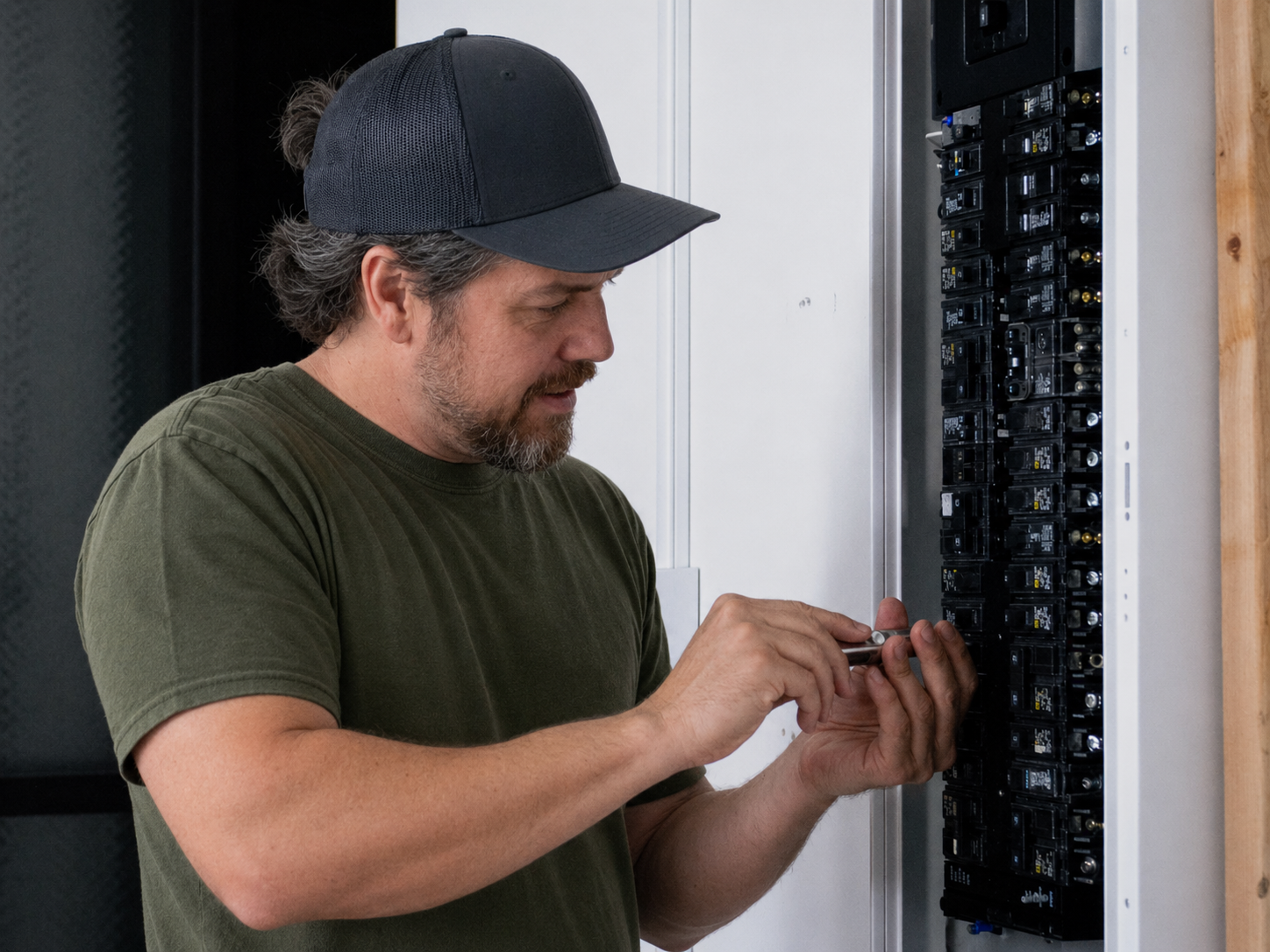
- licensed electrician reviews the circuit
- charging current is set correctly for the breaker
- no extension cords or mystery adapters
- the receptacle is in good condition
- a purpose-built load-sharing device is used when sharing with a dryer
The unsafe version is "just unplug the dryer and hope everyone remembers."
That is not a system. That is a household accident waiting for a busy Tuesday.
NEMA 14-30 vs. NEMA 14-50 in Quebec
Two outlet names come up again and again:
- NEMA 14-30: the four-prong dryer outlet, usually 30A. If used for EV charging, the current is commonly limited to about 24A for continuous-load safety.
- NEMA 14-50: the common 50A EV charging outlet. When installed correctly, it can support faster Level 2 charging, often up to about 40A continuous.
In Quebec, winter makes the outlet decision more practical than theoretical. A 14-50 outlet may charge faster, but a well-managed 14-30 dryer outlet may still recover normal daily driving overnight. The real question is whether the setup can stay safe, avoid peak events, and work reliably in cold weather.
For more detail, see the NeoCharge guides to NEMA 14-30 dryer outlet EV charging, NEMA 14-50 EV charging outlets, and sharing a 240V outlet safely.
Quick questions this Quebec guide answers
- Can I get money back for a home charging station in Quebec? Possibly. Écorecharge offers home charging assistance, but you need to verify the eligible-station list, documents, purchase timing, and installation requirements.
- Does the charger need to be connected? For 2026 eligibility, Quebec says connected charging stations become the standard for financial assistance.
- Why does Hydro-Québec Flex D matter for EV owners? Flex D can reward winter load shifting, but peak events make uncontrolled EV charging risky from a bill perspective.
- Can I add Level 2 charging without a panel upgrade? Often, yes. A lower-amp setup, existing 240V outlet, or load-management device may fit the home better than a service upgrade.
- Can I use a dryer outlet for EV charging? Sometimes, if a licensed electrician confirms the circuit is appropriate and the EV and dryer cannot overload it together.
- What is the difference between NEMA 14-30 and 14-50? A 14-30 is usually a 30A dryer outlet; a 14-50 is usually a 50A EV/RV-style outlet. The 14-50 can support faster charging, but both need proper installation and current limits.
- Can I charge two EVs from one outlet? Only with a proper load-management plan. Two EVs charging at once can exceed what the circuit or panel should supply.
- Where does the Smart Splitter fit in Quebec? It is useful when the constraint is a shared 240V appliance circuit, especially if you want a safer alternative to plug-swapping or a major electrical upgrade.
- Does the Smart Splitter replace a connected charging station for Écorecharge? No. Treat it as load-sharing hardware, not a charging-station rebate substitute, and verify Écorecharge eligibility for the charger itself before purchasing.
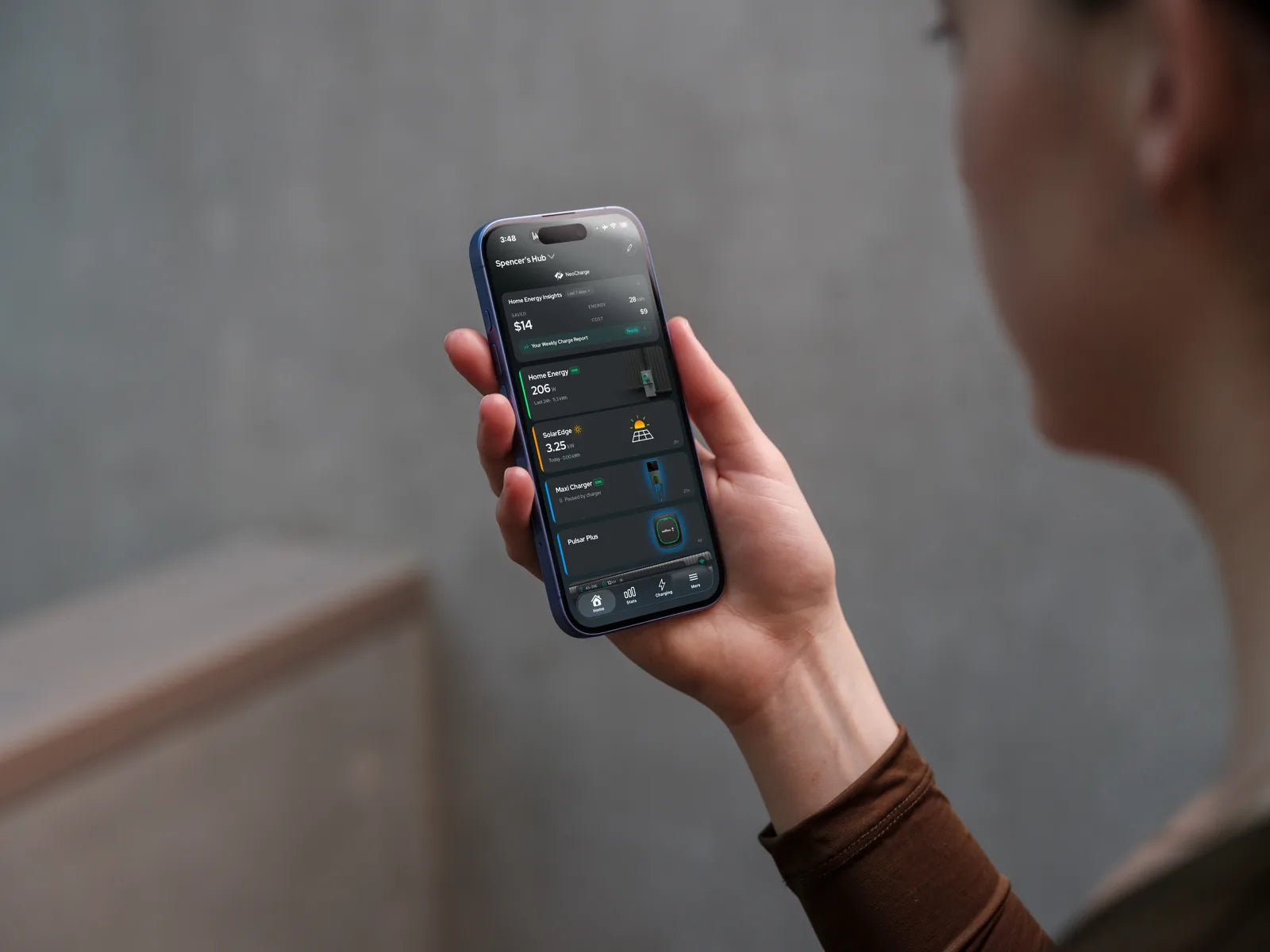
- Can the Smart Splitter help with winter peak events? The Smart Splitter handles circuit sharing, while the NeoCharge App can help schedule and monitor charging so it is easier to avoid peak windows.
- What should a Quebec charging setup do automatically? Schedule charging, track EV kWh, and make it easy to avoid winter peak events without relying on memory.
A Quebec-specific charging checklist
Before purchasing a charger or load-management device, confirm:
- Écorecharge eligibility: charger model, connected status, purchase date, installer documentation, and application timing.
- Panel and circuit capacity: especially if the home uses electric heat.
- Winter peak strategy: what happens during Hydro-Québec peak events?
- App control: can you schedule, pause, resume, and track energy?
- Parking reality: garage, driveway, condo, outdoor receptacle, cable routing, and winter snow clearance.
If the answer to "how will I avoid peak events?" is "I will remember," improve the system.
Where NeoCharge fits
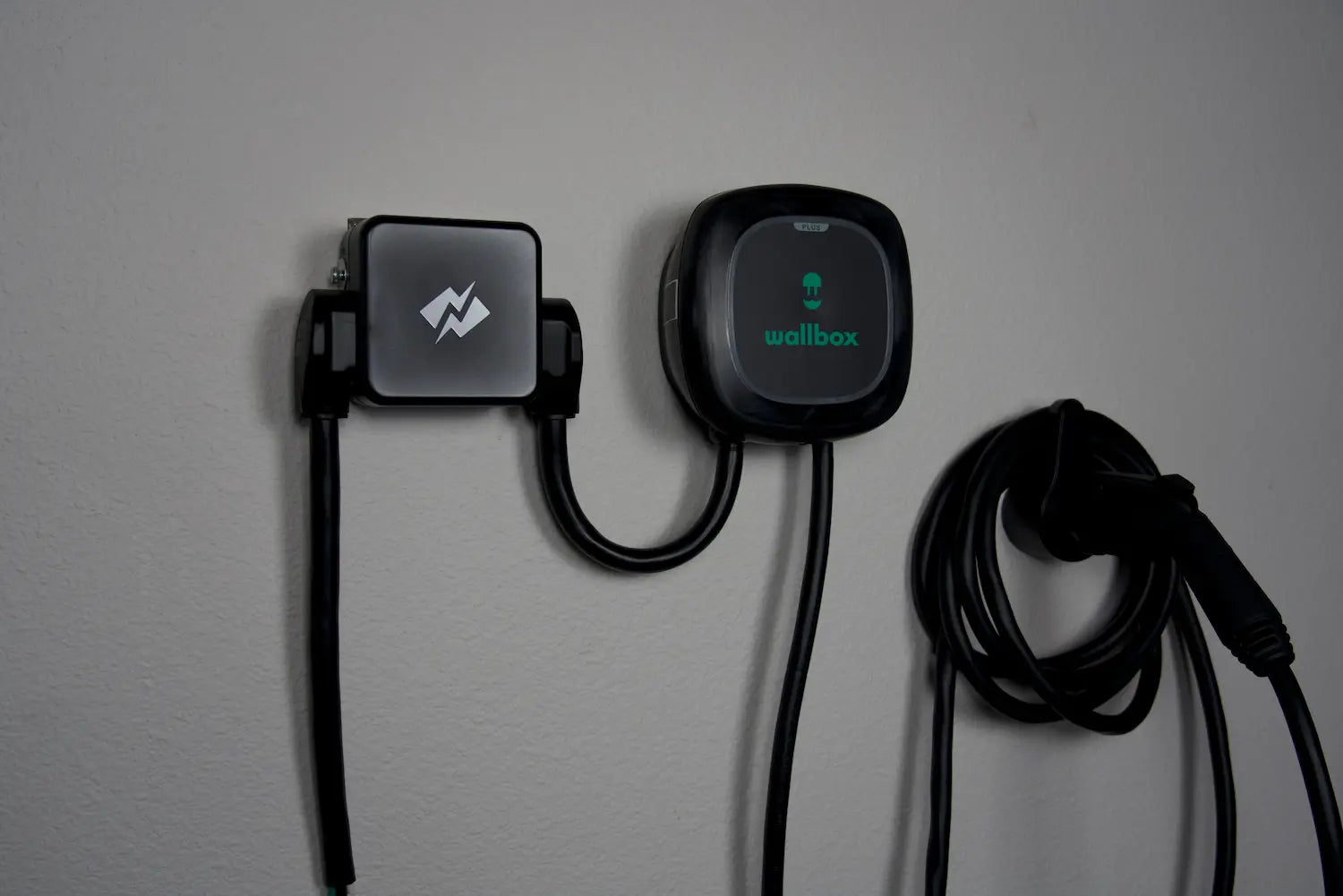
NeoCharge is most useful when the homeowner needs a practical bridge between "I want Level 2 charging" and "my panel quote is getting out of hand."
The Smart Splitter path is strongest when:
- a 240V appliance circuit is already near the parking spot
- the EV can charge at an appropriate current
- the appliance and EV should not run together
- the homeowner wants a safer alternative to plug-swapping
- app scheduling and energy visibility matter
The app path is strongest when:
- the customer needs to schedule charging around winter peak periods
- the customer wants to understand EV kWh separately from whole-home usage
- the customer wants repeatable behavior instead of manual reminders
Skip the panel upgrade
Level 2 charging from the outlet you already have
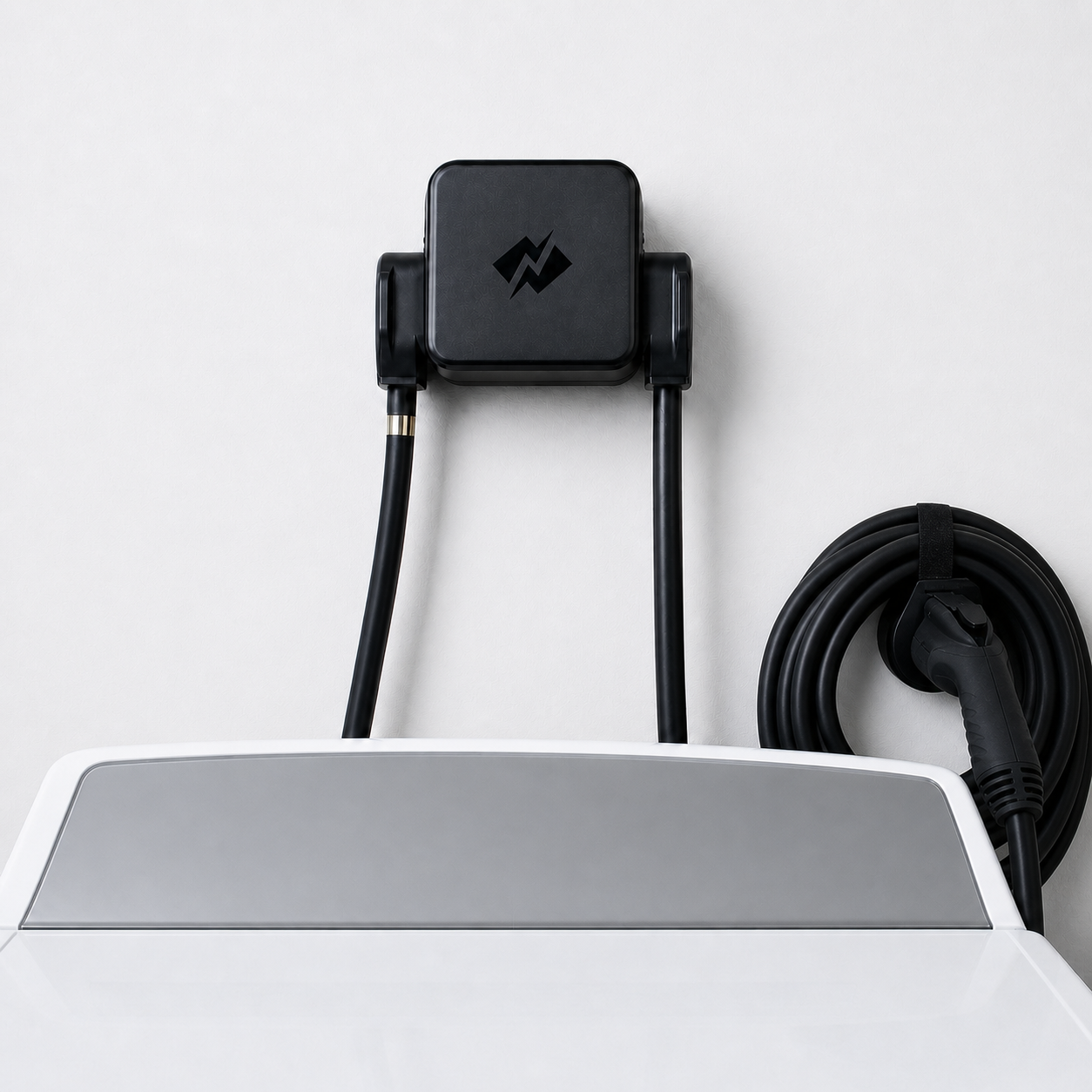
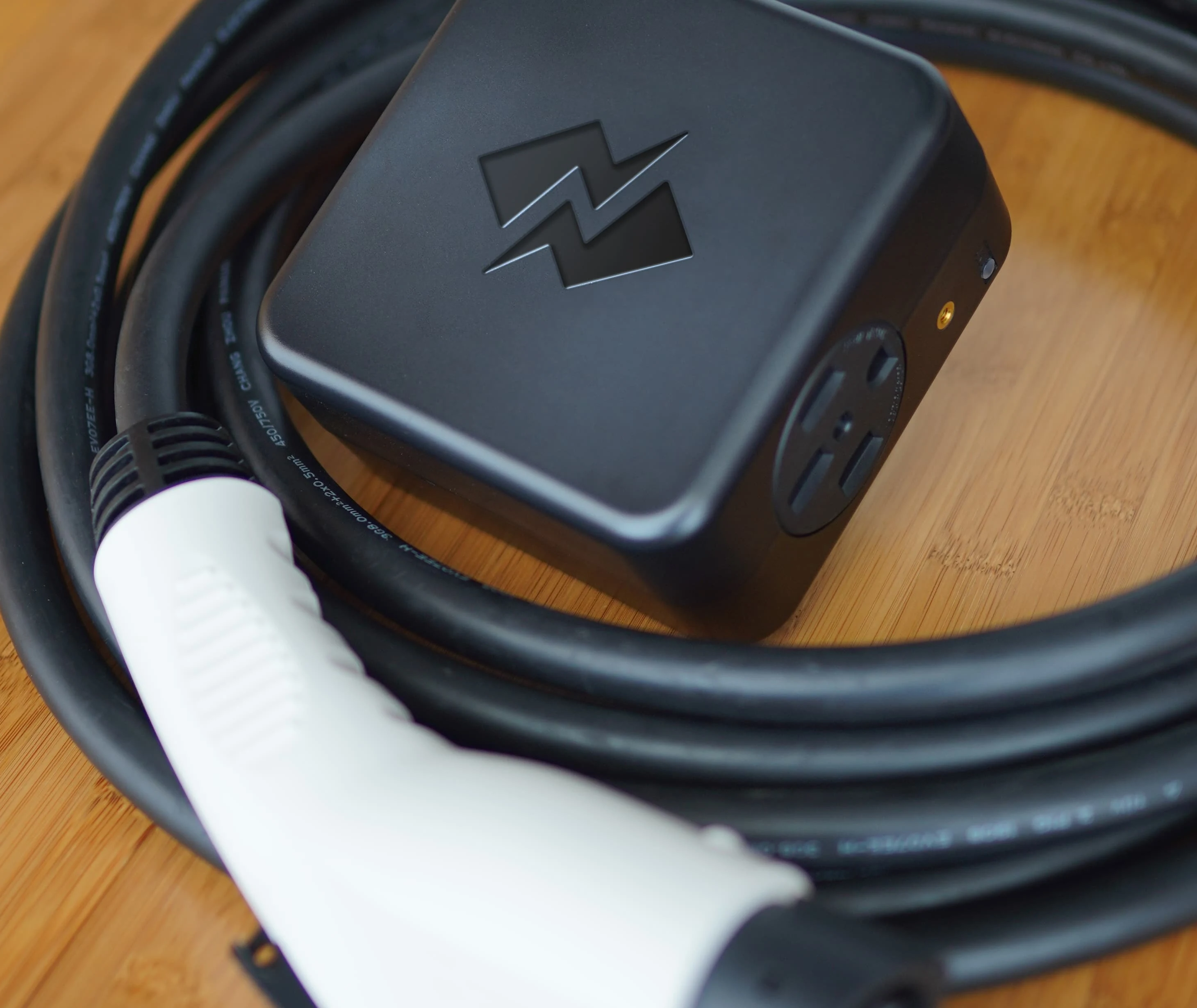
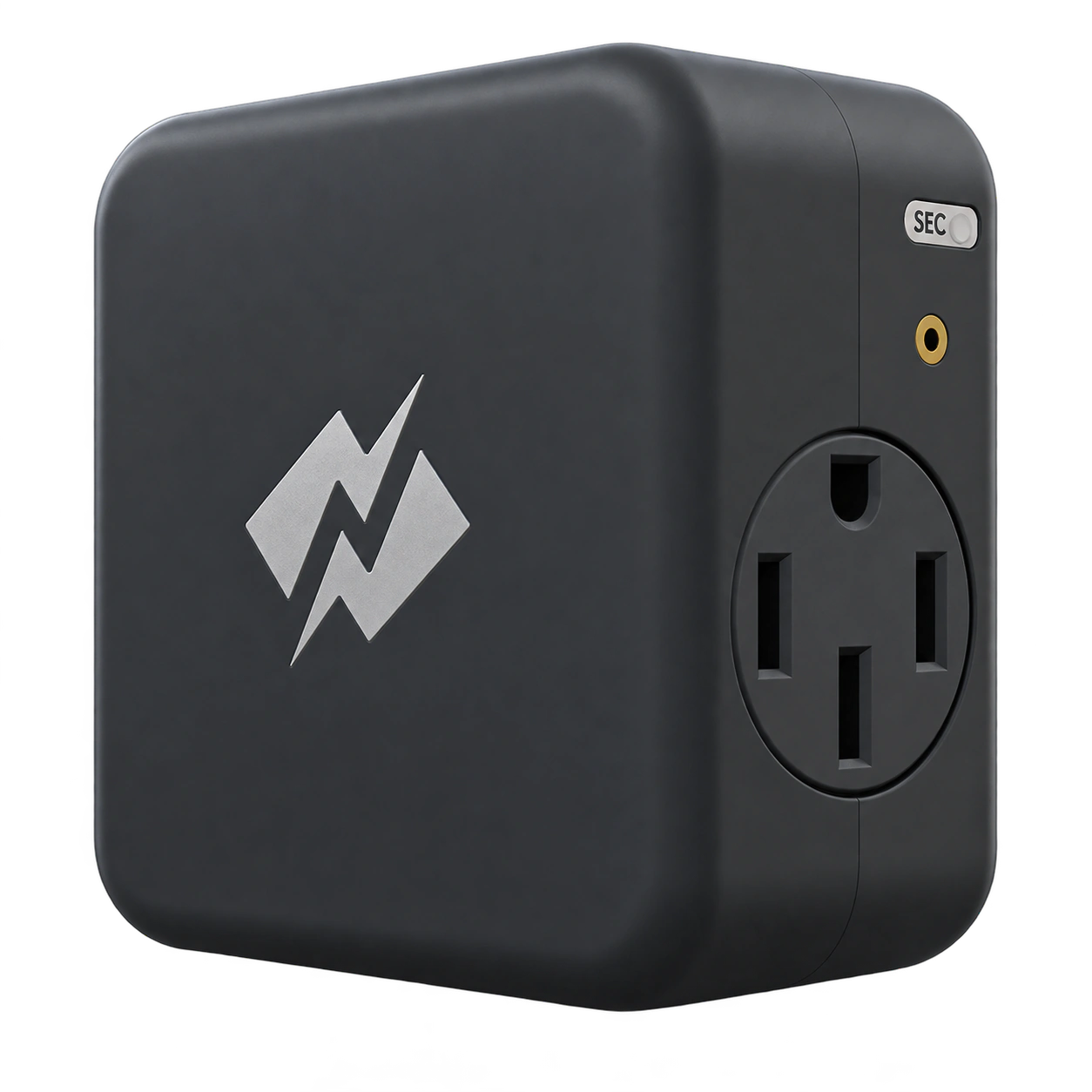
Plug into the 240V dryer outlet you already have. The dryer gets priority and your EV charges the rest of the night, with no panel upgrade and no new circuit. cUL-listed for Canada, and NeoCharge refunds $200 once it is connected and charging your EV.
Bottom line
Quebec home EV charging is not just about cheap electricity. It is about control.
Écorecharge now points toward connected charging. Hydro-Québec's winter rate options point toward peak-aware charging. Older homes and electric heating point toward load management. Put those together and the winning setup is simple: connected Level 2 charging, scheduled intelligently, with load management where the home needs it.
That is better for the driver, better for the panel, and better for the grid.
Next steps (NeoCharge)
- Check whether your home can safely share an existing 240V outlet with the NeoCharge Smart Splitter. Canadian pricing applies automatically at checkout, no code needed.
- Use the NeoCharge App to schedule charging, monitor energy, and keep charging away from peak windows.
- Before buying a charger for rebate purposes, verify the current Écorecharge eligible-station list and connected-charger requirements on Québec.ca.
Electrical safety disclaimer
This article is for general informational purposes only. Always consult a licensed electrician and follow Quebec electrical rules, permits, manufacturer instructions, utility requirements, and current Écorecharge eligibility rules before installing or relying on home EV charging equipment.
NeoCharge App
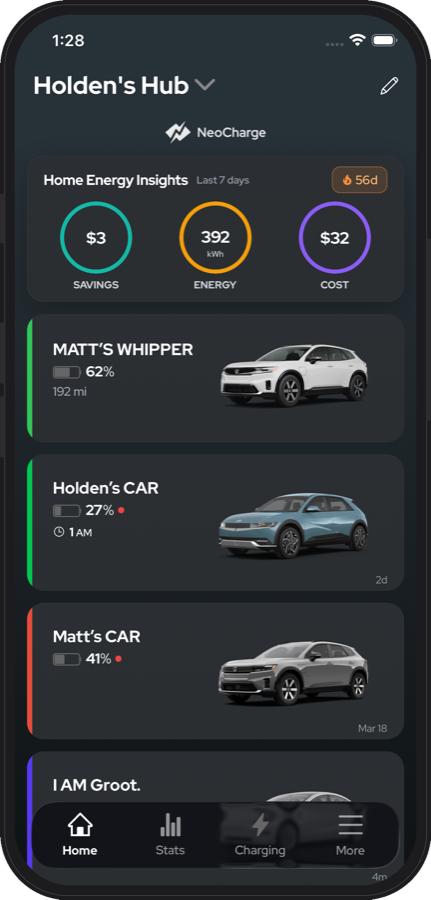
Track charging costs without spreadsheet work
See session history, monthly energy use, and savings so the article advice turns into a real household habit.
Explore the app

Next steps
Keep going with NeoCharge
Use the article as your decision guide, then jump into the product, app, or related guides that match what you are trying to solve next.
Key terms
- Level 2 charging
- Level 2 EV charging uses a 240V circuit (like a dryer outlet). It typically adds ~20–35 miles of range per hour, depending on your car and the circuit amperage.
- NEMA 14-50
- A NEMA 14-50 is a common 240V, 50A outlet (often used for EV charging). Many EV chargers plug into it, but the actual charging speed depends on the circuit and your EV.
- NEMA 14-30
- A NEMA 14-30 is a 240V, 30A dryer outlet. With a properly configured EV charger, it can usually support ~24A continuous charging (about 20–25 miles of range per hour for many EVs).
- Load management
- Load management is a strategy to keep your home’s electrical load within safe limits—often by scheduling or pausing EV charging when other appliances are running.
FAQs
What's the quick takeaway from this article?
Who is this guide for?
What should I do next?
Related posts
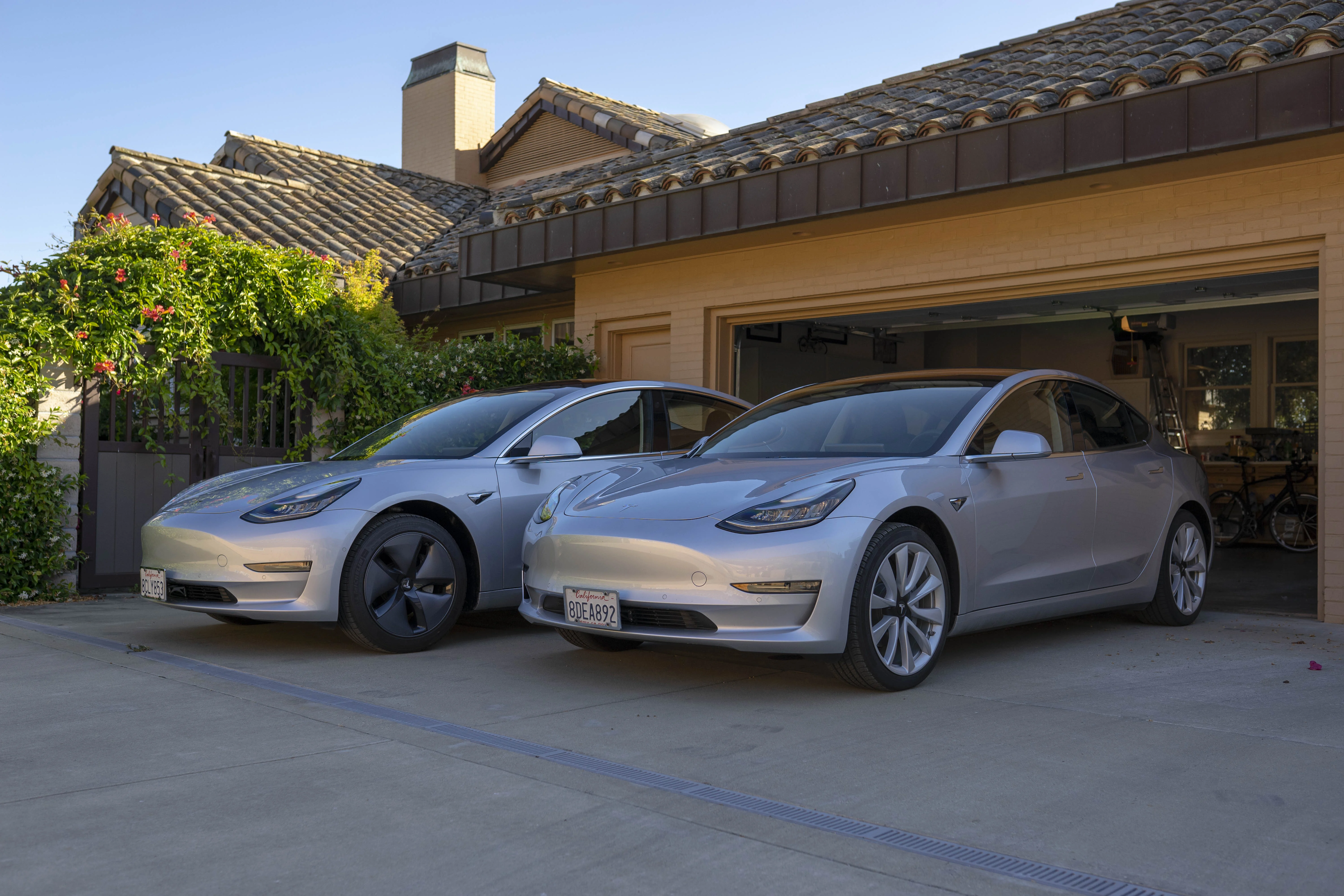
How to Charge Two EVs at Home in Canada on One 240V Outlet (2026)
One 50A circuit adds about 360 km overnight, enough for two commutes. What the Canadian Electrical Code allows, permits by province, BC Hydro rebates, and options.
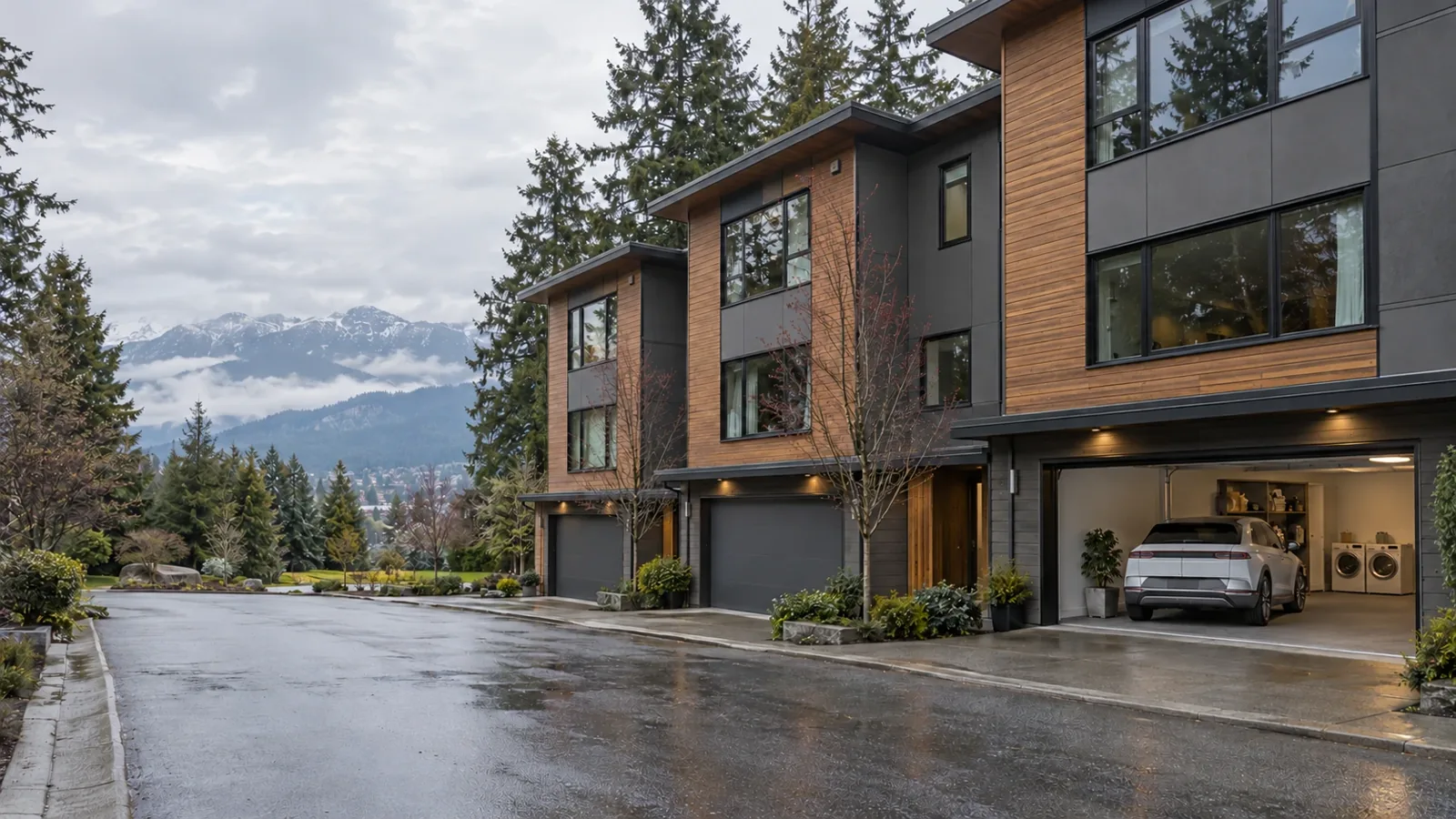

Burnaby EV Charger Installation
Burnaby EV charging by home type: share a dryer outlet instead of a panel upgrade, City permits, BC Hydro's $350 + $200 rebates, and strata right-to-charge.
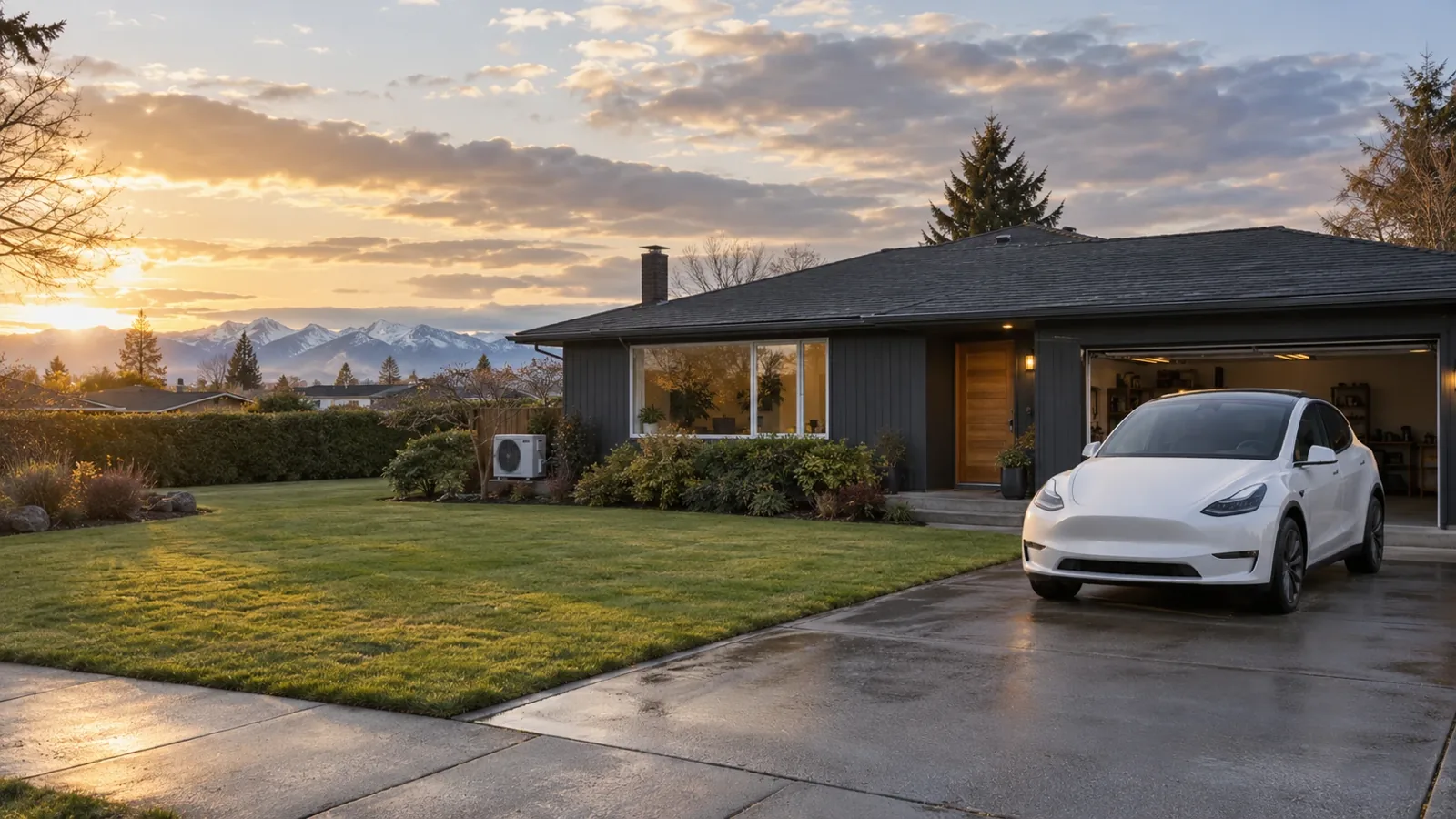
Richmond EV Charger Installation
Richmond EV charger installation: Technical Safety BC permit fees, the 2018 EV-ready rule, BC Hydro's $350 + $200 rebates, and room for a heat pump.
Surrey EV Charger Installation
Add Level 2 charging in Surrey without a panel upgrade: City of Surrey permit steps, BC Hydro's $350 + $200 rebates, suited-house load math, and overnight costs.
